


Somewhere in the labyrinth of Silicon Valley, where glass towers capture the sunset and servers hum with invisible currents, ambition moves faster than sound. Two figures, each orbiting their own universe, were destined to collide—not in a burst of overt confrontation, but in subtle currents of strategy, influence, and public perception.
One imagined humanity reaching Mars, linking minds to machines, and harnessing intelligence that could exceed human comprehension. The other envisioned a world stitched together by networks, virtual landscapes, and an evolving digital society.
Their rivalry did not begin with shouts or headlines; it began in whispers, in proposals that carried double meanings, in outreach emails and boardroom glances. Yet these quiet movements carried the weight of empires. Each knew the other’s ambitions; each recognized the threat posed by a peer who could reshape the future. And so, what appeared to be a casual overture or a corporate discussion was, in fact, a test—a probe into power, intention, and influence.
The atmosphere around their rivalry was electric. Not the crackle of violence, but the charged hum of ideas, of potential, of stakes that extended far beyond profit or product. What would follow were negotiations that danced on the edge of cooperation, legal filings that laid bare intentions, and a public relations war that transformed statements and tweets into symbols of dominance.
Right in this unfolding drama, every move mattered; every pause was calculated; and every public glance could signal a shift in the balance of tech power.
This story is a journey from those early sequences—the private overtures and philosophical differences—to the public displays, courtroom battles, and strategic media blitzes that defined the late sequence. It is a portrait of a rivalry where personality, vision, and ambition are inseparable, and where the future of technology itself is the ultimate prize.
Titans in Formation: The Making of Musk and Zuckerberg
Before the glare of Silicon Valley lights and the hum of server farms, they were boys of curiosity and restless ambition—each navigating his own cosmos of intellect and desire.
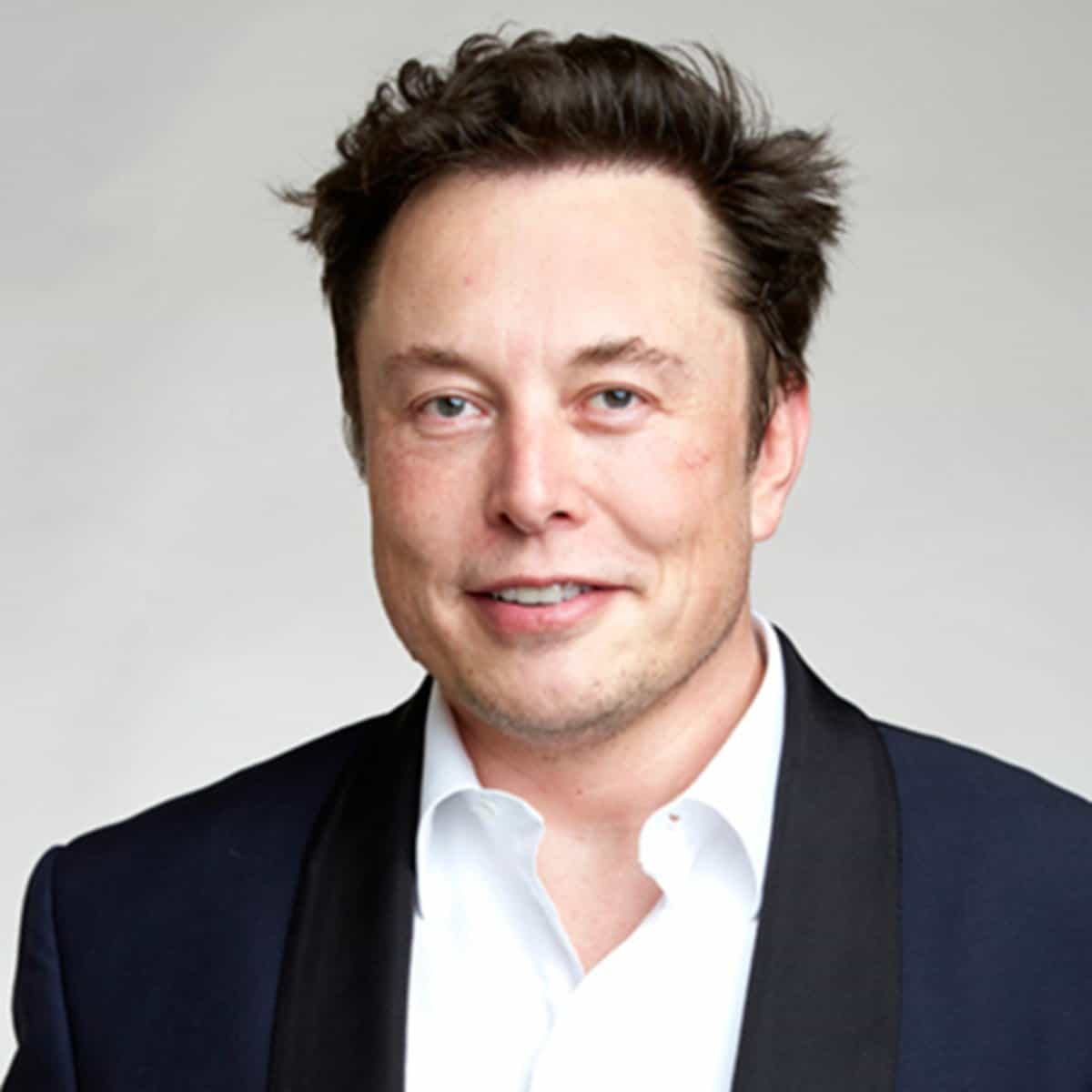
Elon Musk, born in 1971 in Pretoria, South Africa, was a child whose gaze often lifted skyward. By 1983, at age 12, he had already coded and sold his first video game, Blastar, a glimpse of the audacious inventor he would become. Each childhood project—from building rudimentary computers to reading textbooks on rocket science—was a small flare in the making of a man determined to compress decades of human exploration into a single lifetime.
Mark Zuckerberg, born in 1984 in White Plains, New York, grew in a different orbit. By 1999, he was already creating software programs that mapped human behavior, including Synapse Media Player, which caught the attention of major tech companies. Zuckerberg’s early experiments were not about rockets or outer space—they were about networks, connection, and influence, a vision for digital society that would culminate in 2004, when he launched Facebook from his Harvard dorm room.
Both shared an uncanny precocity. Musk approached problems like a sculptor shaping raw material into vessels for ambition and exploration. Zuckerberg approached them like an architect drafting invisible cities, corridors of interaction, and landscapes where billions could coexist digitally. Their formative years—Musk coding in Pretoria in the 1980s, Zuckerberg building networks in New York and Cambridge in the early 2000s—planted the seeds of a rivalry that would eventually transcend industry and become a philosophical contest of vision itself.
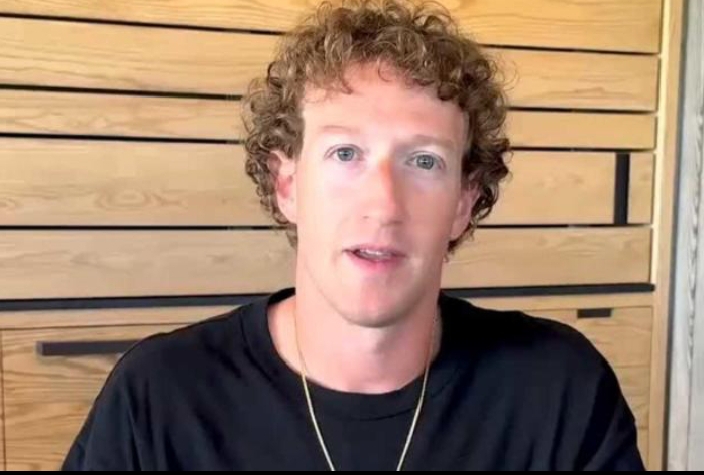
By 2008, Musk was launching the first successful Falcon 1 rocket into orbit, while Zuckerberg was expanding Facebook internationally, connecting hundreds of millions. These milestones, though occurring on different planes, revealed parallel engines of creation: vision tempered by intellect, audacity tempered by strategy, ambition shaped by principle. A tension was brewing—between a man who reaches for the stars and a man who remakes the world from within—both destined to define the future in their own way.
Quiet Moves Behind the Silicon Curtain
Both men, in the early 2010s, were already shaping worlds in which they would dominate. Elon Musk, the architect of SpaceX and Tesla, was publicly warning about the existential risks of artificial intelligence. He described AI as “our biggest existential threat,” painting a picture of a future where intelligence might outpace human control. Meanwhile, Mark Zuckerberg, quietly but relentlessly, expanded the digital threads of Meta’s empire, embracing AI for connection rather than caution, advocating for tools that could enhance human capability rather than limit it.
These philosophical differences were more than opinions—they were seeds of structural rivalry. Musk and Zuckerberg were building competing visions of the future: one outward, cosmic, and disruptive; the other inward, social, and immersive. At first, these differences manifested subtly. Musk’s public statements, interviews, and social media posts were seen as cautionary tales, provocations even, while Zuckerberg’s investments in AI and virtual reality were quietly reshaping the architecture of digital connection.
Behind closed doors, however, both were aware of each other’s moves. Musk, ever the opportunist, watched Meta’s expansion into AI and immersive technologies with an eye toward competitive advantage. Zuckerberg, equally strategic, noted Musk’s xAI ventures and his ownership of X (formerly Twitter) as potential arenas of influence over social perception and AI narratives. In this early sequence, the boardroom strategies, subtle overtures, and initial probes laid the groundwork for what would become overt confrontation.
The first concrete sign of interaction came in 2025, when Musk attempted to enlist Zuckerberg in his US$97.4 billion bid for OpenAI. Court filings later revealed the reach-out, framed as a potential partnership on financing or investment. Zuckerberg’s decision to decline was more than a refusal—it was a statement of positioning, a way to assert independence and signal that his ambitions would not be tethered to a rival’s vision. This quiet early sequence set the tone: rivalry would coexist with conditional engagement, strategy with spectacle, and private communication with public consequence.
From Boardroom Whispers to Public Theatre
As their rivalry matured, it transitioned from private observation and subtle negotiation to public displays and emerging legal entanglements. The metaphorical tension that had built quietly now began to surface in ways that could no longer be ignored. Musk’s provocations, from social media posts to the infamous 2023 “cage match” challenge, demonstrated his flair for spectacle. Zuckerberg’s response, measured yet firm, underscored his role as a strategist playing the long game.
Simultaneously, the legal dimension of their rivalry began to take shape. OpenAI’s filings in August 2025 revealed Musk’s outreach to Zuckerberg, igniting a series of document requests and counter-arguments in federal courts. Meta was asked to produce internal communications concerning potential bids and strategic deliberations. Meta objected, contending that such records were irrelevant and that any pertinent disclosure should come from Musk or xAI directly. This legal wrangling exposed the overlapping layers of competition: intellectual property, corporate governance, strategic positioning, and philosophical dominance.
Public relations became both shield and sword. Musk’s posts on X, sometimes cryptic, sometimes provocative, amplified his narrative of disruption and existential oversight. Zuckerberg, through Meta’s carefully managed communications, highlighted control, stability, and immersive vision. Every statement, every interview, and every tweet became a strategic instrument: shaping investor perception, influencing regulators, and crafting the story of who was truly defining the future of AI and digital infrastructure.
In this period, rivalry was no longer hypothetical; it was performative. Negotiations, while quieter in boardrooms, were mirrored in courtrooms and media spaces. Every interaction, every legal motion, every public statement carried implications far beyond its immediate context, signaling to global observers, competitors, and markets alike who commanded influence, whose vision prevailed, and whose empire would define the next layer of technology.
Courtroom Confrontations and Public Showdowns
By late 2025, the rivalry had crystallized into an intricate ballet of legal filings, media narratives, and strategic positioning. What began as quiet negotiations and philosophical divergence now unfolded in multiple arenas: federal courtrooms, press rooms, and social media feeds. The chessboard of Silicon Valley had expanded into a global stage.
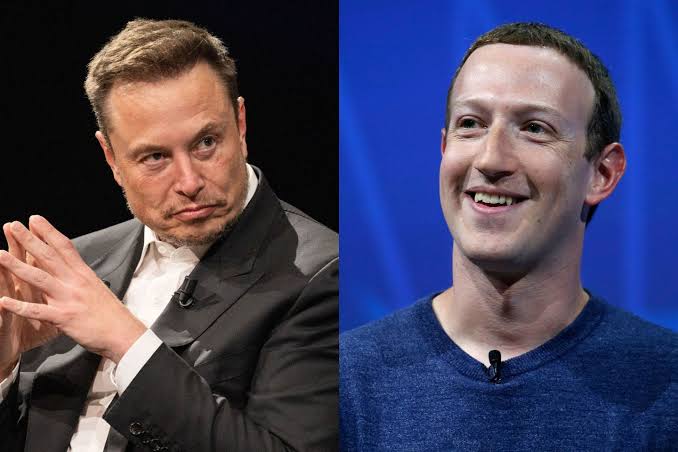
The pivotal moment arrived with OpenAI’s federal lawsuit, which revealed Musk’s attempt to involve Zuckerberg in the US$97.4 billion takeover bid. OpenAI alleged that Musk’s outreach, combined with public statements and social media posts, amounted to a “sham bid,” designed to destabilize the company and influence internal deliberations. In response, Meta argued that any relevant communications should be produced by Musk or xAI, not Meta, highlighting the complex entanglement of corporate strategy and legal obligation.
The courtroom became a theater of strategy. Each motion, subpoena, and filing was a move on a high-stakes board. Legal documents revealed email threads, internal deliberations, and strategic analyses that the public had never seen. In these pages, ambition, ego, and vision were etched as clearly as contractual obligations. Every lawyer, every filing, and every judge’s ruling became part of the rivalry’s architecture, shaping not only business outcomes but also public perception.
Parallel to the courtroom, the PR blitz intensified. Musk, leveraging X and high-profile interviews, framed himself as the visionary disruptor, a man wrestling with the existential consequences of intelligence beyond human control. Zuckerberg, through Meta’s communications and interviews, positioned himself as the steady architect, a builder of immersive worlds where connection and governance coexist. Headlines, tweets, and press briefings were carefully timed to signal strength, competence, and moral authority. Each message was a move in a layered, multi-dimensional game: influencing investors, regulators, and public sentiment simultaneously.
Musk and Zuckerberg were not merely fighting for market share—they were fighting for cultural, philosophical, and technological primacy. Courtrooms, press rooms, and social media became extensions of the boardroom, each move echoing with consequences that transcended immediate business concerns.
PR Blitz and Narrative Warfare: Controlling Perception at Scale
In the digital age, perception often wields as much power as actual control. Musk and Zuckerberg understood this implicitly. Every statement, every interview, and every post on X or Meta’s channels became a tool for shaping reality.
Musk’s approach was audacious, sometimes erratic, and always public. Tweets such as “Control the source of intelligence, and you control the future” blurred the lines between provocation and strategic messaging. The goal was clear: frame the narrative in terms of existential stakes, painting himself as a guardian of humanity and a disruptor of stagnation.
Zuckerberg’s approach was more methodical. Meta’s PR team emphasized stability, governance, and immersive innovation. Through careful interviews, presentations, and controlled leaks, Zuckerberg projected the image of a leader building a scalable, sustainable future. The contrast between Musk’s dramatic flourishes and Zuckerberg’s measured statements highlighted their divergent leadership styles: one theatrical and immediate, the other meticulous and long-term.
The interplay of PR and legal strategy created a feedback loop. Court filings leaked to the press became headlines, tweets provoked statements, and interviews reframed filings. Public perception was not incidental; it was integral to strategy. Investors, regulators, and even competitors interpreted each move, influencing stock valuations, regulatory scrutiny, and market behavior. In this sense, the late sequence of rivalry was as much about shaping global consciousness as it was about acquiring AI assets.
Implications for Technology, Governance, and Global Markets
Musk and Zuckerberg’s contest illustrates how technological ambition intersects with regulation, governance, and societal norms. AI policy, network governance, and digital ecosystems are shaped not only by formal institutions but by the strategic rivalries of industry titans.
Regulators observed each move carefully. Musk’s existential warnings about AI prompted debates over oversight and risk management. Zuckerberg’s expansive virtual worlds raised questions about identity, privacy, and digital citizenship. Investors, meanwhile, evaluated these moves as predictors of corporate resilience, market dominance, and long-term value creation.
Startups and smaller tech firms watched closely. Alliances, partnerships, and competitive positioning were influenced by the decisions and public narratives of Musk and Zuckerberg. The late sequence demonstrates that tech rivalry today is not isolated; it is ecosystemic. The reverberations of their rivalry influence development paths, regulatory policy, and the cultural framing of technology worldwide.
Ultimately, the late sequence underscores a critical lesson: modern rivalry is a multi-dimensional construct. It unfolds simultaneously in boardrooms, courtrooms, and the court of public opinion. It is not only about products or profits—it is about shaping the rules, narratives, and frameworks that govern the future of technology itself.
Takeaway: When Negotiation Becomes Warfare
Negotiations, in the theater of modern technology, are more than transactions—they are duels in disguise. Musk and Zuckerberg have turned contracts, court filings, and press campaigns into instruments of influence, each maneuver a deliberate step in a game whose stakes are the future itself.
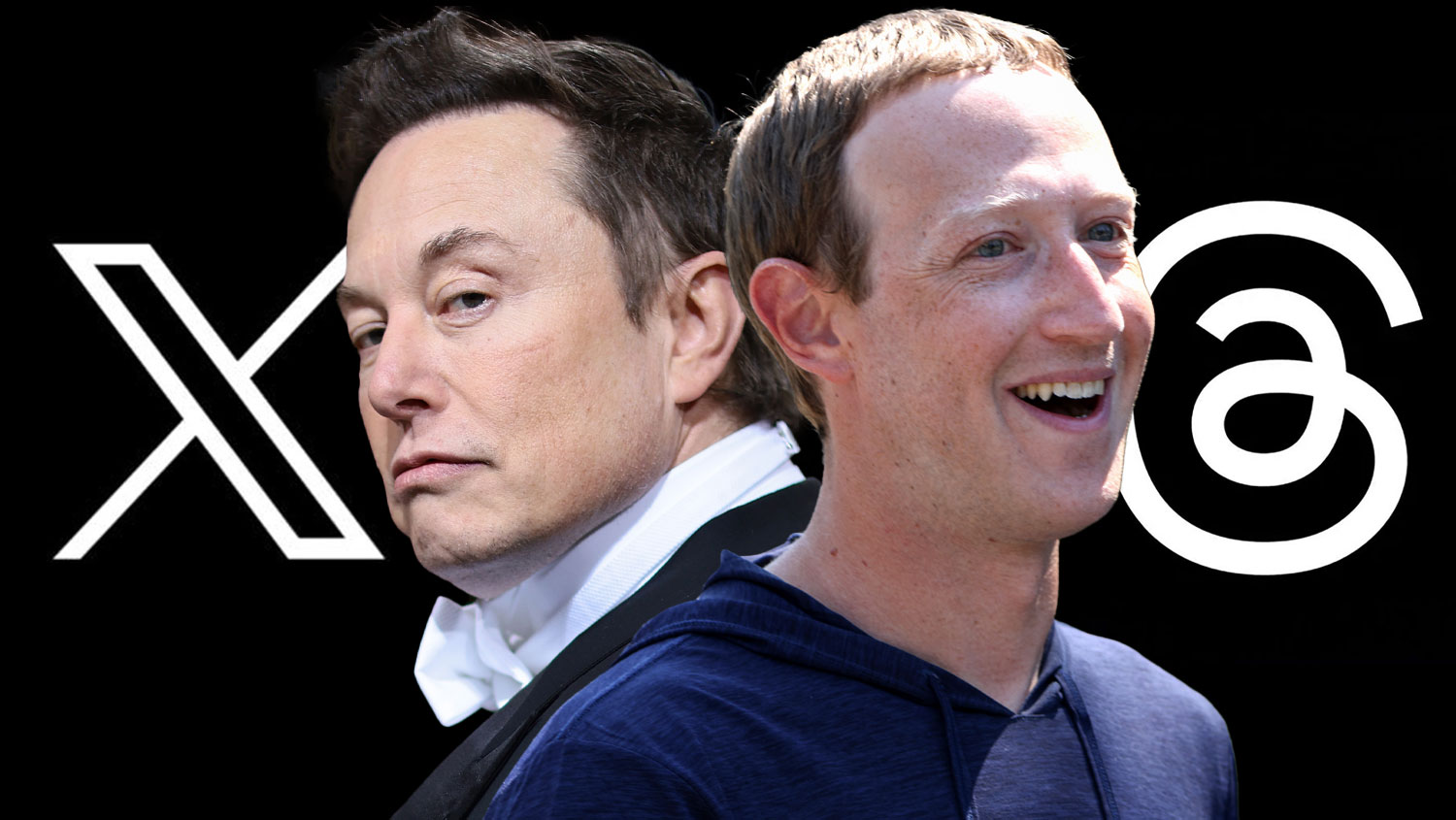
This rivalry is not measured in dollars alone, nor in the metrics of market share. It is measured in perception, in control over narratives, in the unseen architecture that will govern how billions interact with intelligence and with each other. Every document subpoenaed, every strategy leaked, every headline crafted is a stroke in a larger, ongoing blueprint of power.
The true magnitude of their contest lies in its persistence. It is a rivalry without a finish line, where each action—public or private—reshapes assumptions about leadership, foresight, and human ambition. Musk and Zuckerberg are not merely players; they are the pressure points on the lever of tomorrow, and the world watches as their moves reverberate far beyond any courtroom or media feed.
In the end, this is a story of conflict and creation intertwined: a reminder that in the modern age, influence is fought with strategy, spectacle, and resolve—and that the outcome will shape not just companies, but the very fabric of possibility.


Discussion about this post