


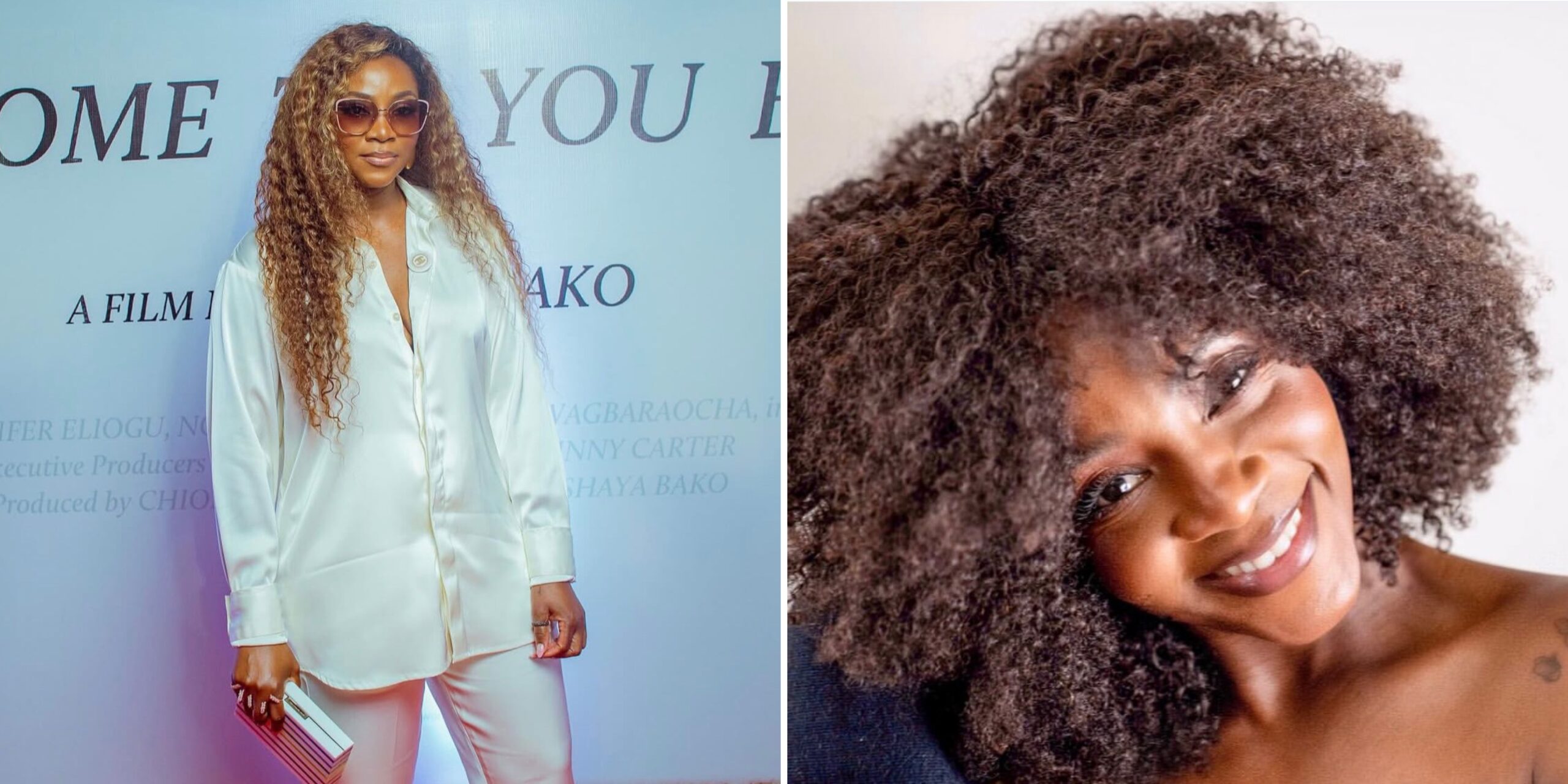
When Genevieve Nnaji steps back into a frame, whatever that frame might be, whether a Q&A session, a glossy magazine cover, or a tightly written role, the room changes. Her name carries the weight of an industry’s memory: the teenager who moved from TV soaps into cinema stardom, the actress who matured into a filmmaker, the woman whose Lionheart became a landmark in Nigerian cinema.
For years she chose to operate at a measured volume in public life; now, with signals that she’s re-engaging with screens and audiences, Nollywood watchers are asking a sharper question: what does Genevieve’s return mean for an industry that has been reinventing itself without her?
From child actor to cultural lodestar
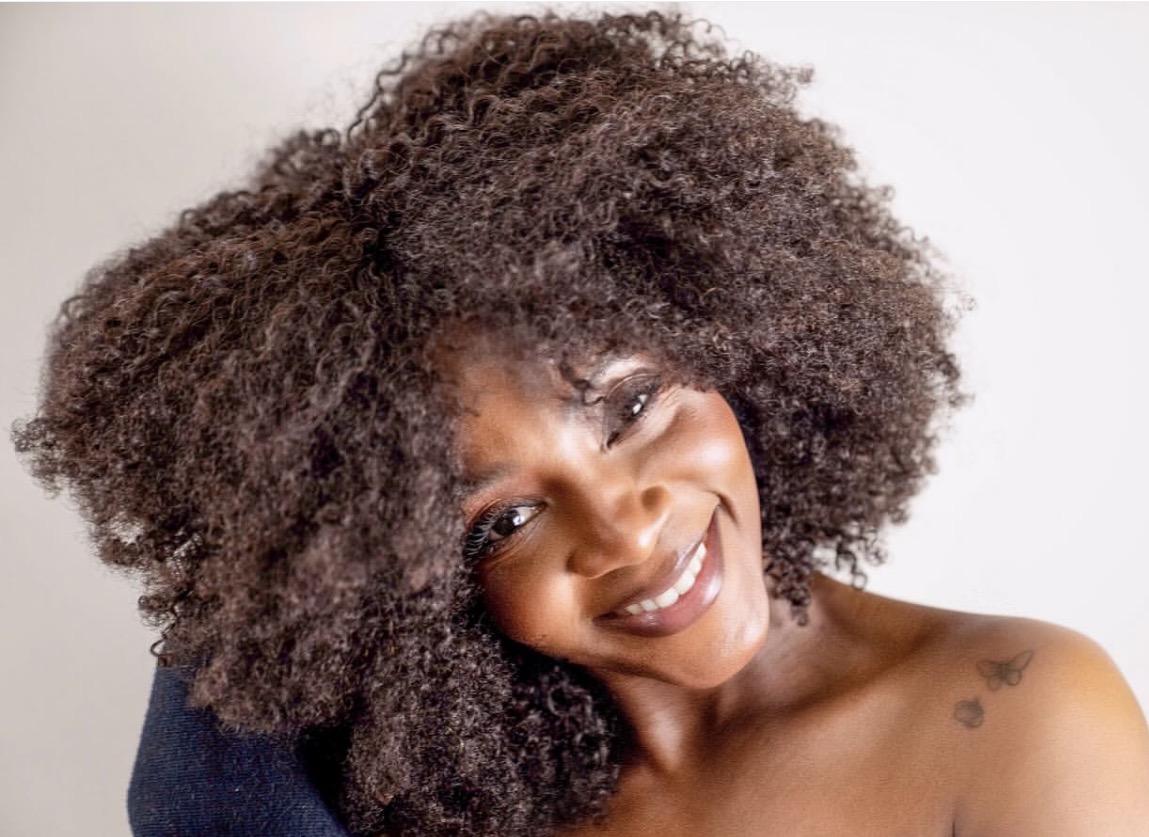
Genevieve Nnaji’s story is the story of Nollywood’s modern era. Born in Mbaise, Imo State, on 3 May 1979, she cut her teeth on the TV soap Ripples as a child and moved into film at 19 with Most Wanted.
This marked the beginning of an on-screen trajectory that would span hundreds of credits and make her one of the continent’s most bankable actors.
Over two decades she collected awards (including the Africa Movie Academy Award for Best Actress), critical respect, and a reputation for choosing roles that married commercial appeal with emotional intelligence. Genevieve’s early work established her in the industry as someone who screamed talent and poise.
Her reach widened substantially with Lionheart (2018). Genevieve’s directorial debut premiered at TIFF and later became the first Nigerian film to be acquired by Netflix. It was a turning point that both signalled Nollywood’s global potential and positioned Genevieve as a creative who could translate local stories for international platforms without losing their cultural pulse. Lionheart remains a reference point for conversations about Nollywood’s capacity to meet global distribution channels on its own terms.
The quiet years: disappearance and introspection
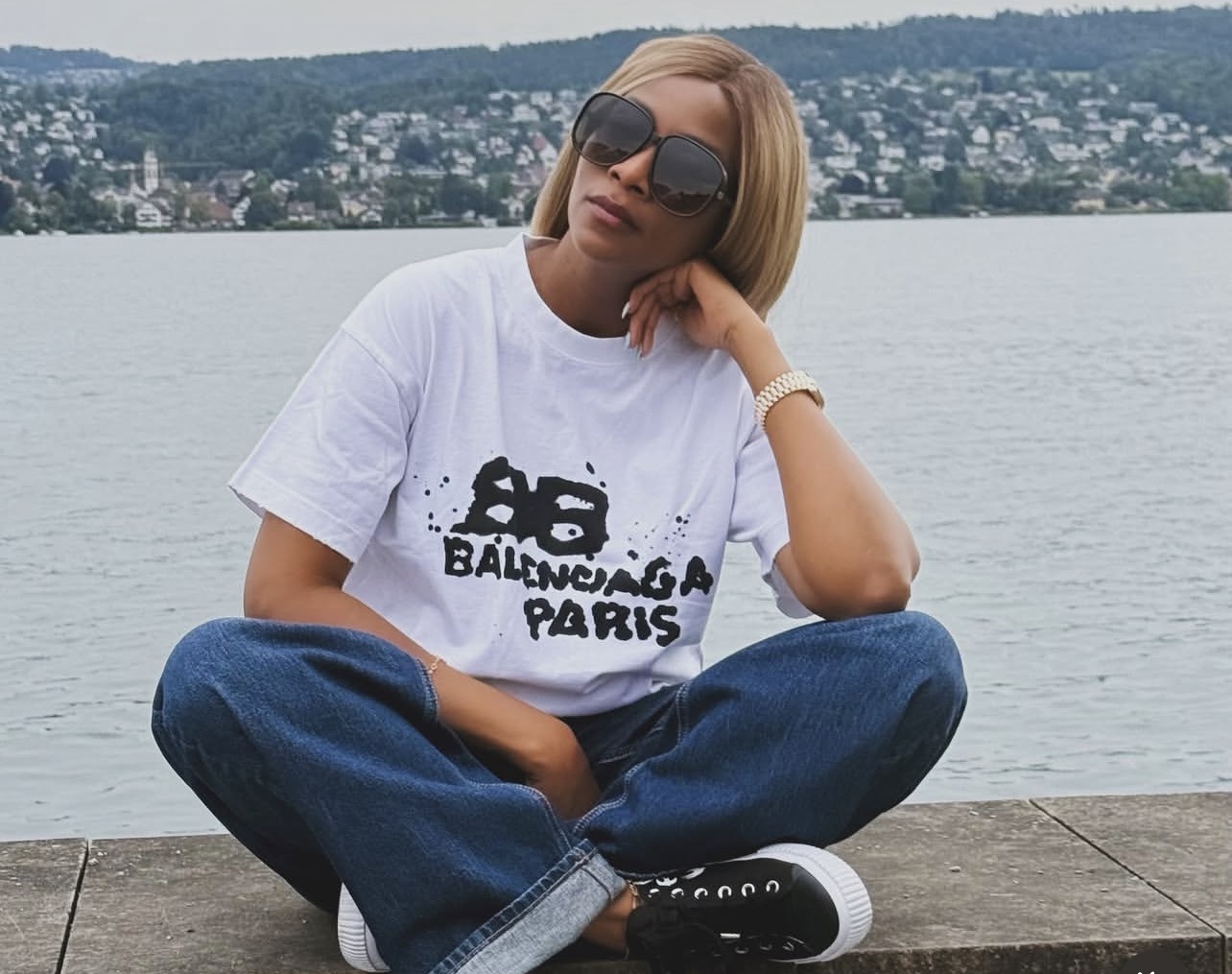
In early 2022, Genevieve Nnaji’s public presence took an unexpected turn. Instead of red-carpet premieres and social-media updates, her Instagram went blank. On May 10 2022 she deleted every post on her account and unfollowed all her connections, a gesture that fans interpreted as retreat.
The timing raised alarm as she marked her 43rd birthday in silence, posted cryptic stories referencing death and rebirth, and shared a comment that “mental health is more spiritual than physical.”
Rumours flew that she had been hospitalised in the United States for a mental-health issue, though none of these were officially confirmed.
For an actress who once embodied Nollywood’s face of success, the withdrawal read less like a power move and more like a pause for survival. She returned intermittently with a painting video here, a serene selfie there, but the absence had already been felt. Although she posts on Instagram more often, she is yet to return onscreen.
Why her return matters — on screen and off

Genevieve Nnaji’s return carries a significance far beyond the thrill of seeing her face again on screen. For an actress who built her legacy on silence, precision, and substance, her re-entry into Nollywood feels like a recalibration for both herself and the industry that once revolved around her.
Her 2018 directorial debut, Lionheart, was Nigeria’s first Netflix Original and the country’s submission for the Oscars signalled Nollywood’s readiness for global competition. Six years later, the landscape she helped open has expanded as streaming platforms are now shaping scripts, budgets, and stars. Yet, few have managed to replicate Genevieve’s quiet blend of artistic integrity and commercial poise.
Her comeback in any form matters because she remains one of the few figures who straddle both the old guard and the new global order of African cinema.
Her return is not just about seeing a legend act again, but about watching a generation’s North Star realign. Nollywood doesn’t just need her nostalgia, it needs her perspective.
Cultural timing: Nollywood after the streamers
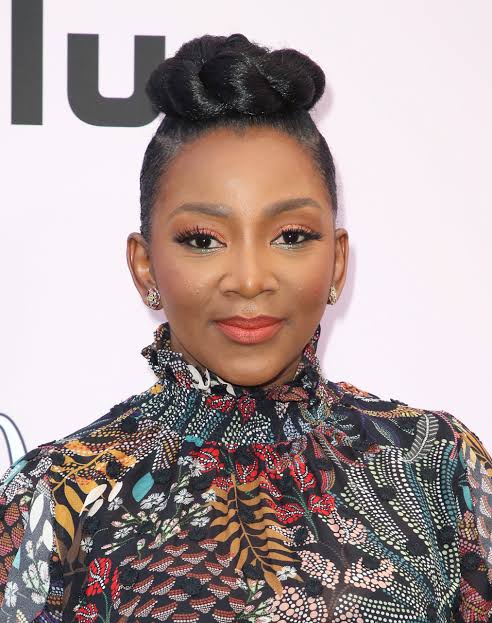
Nollywood in 2025 is not the Nollywood of 1998. The streaming era, evolving production hubs, and a new generation of directors have diversified what Nigerian film looks and sounds like.
There’s more technical polish, a wider range of genres, and a more visible festival circuit. Yet the industry also faces growing pains: the tension between international tastes and local authenticity, the pressure to monetize quickly, and a proliferation of content that sometimes prizes volume over craft.
This is fertile ground for someone like Genevieve. She has made a name for herself successfully becoming a brand that countless diehard fans would be eager to see her onscreen, filling them up with nostalgia.
What fans are already saying
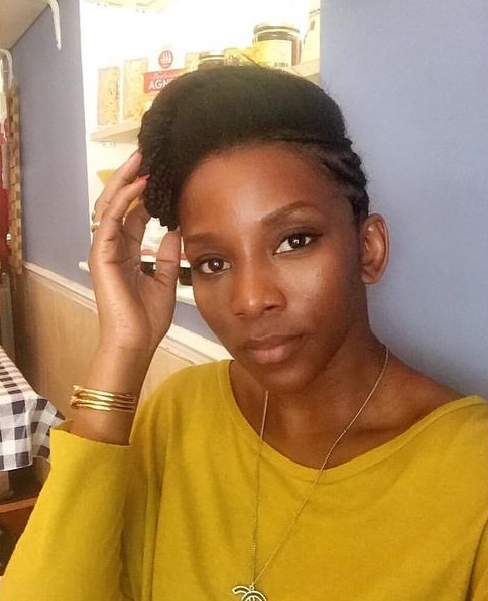
When reports began circulating that she was appearing more publicly and posting again, reaction was immediate. Conversations on social media platforms framed her return as both nostalgic and strategic.
Nostalgic because there is a generational affection for the films she helped popularize and strategic because the right Genevieve project can function as a statement about Nollywood’s future direction.
Conclusion
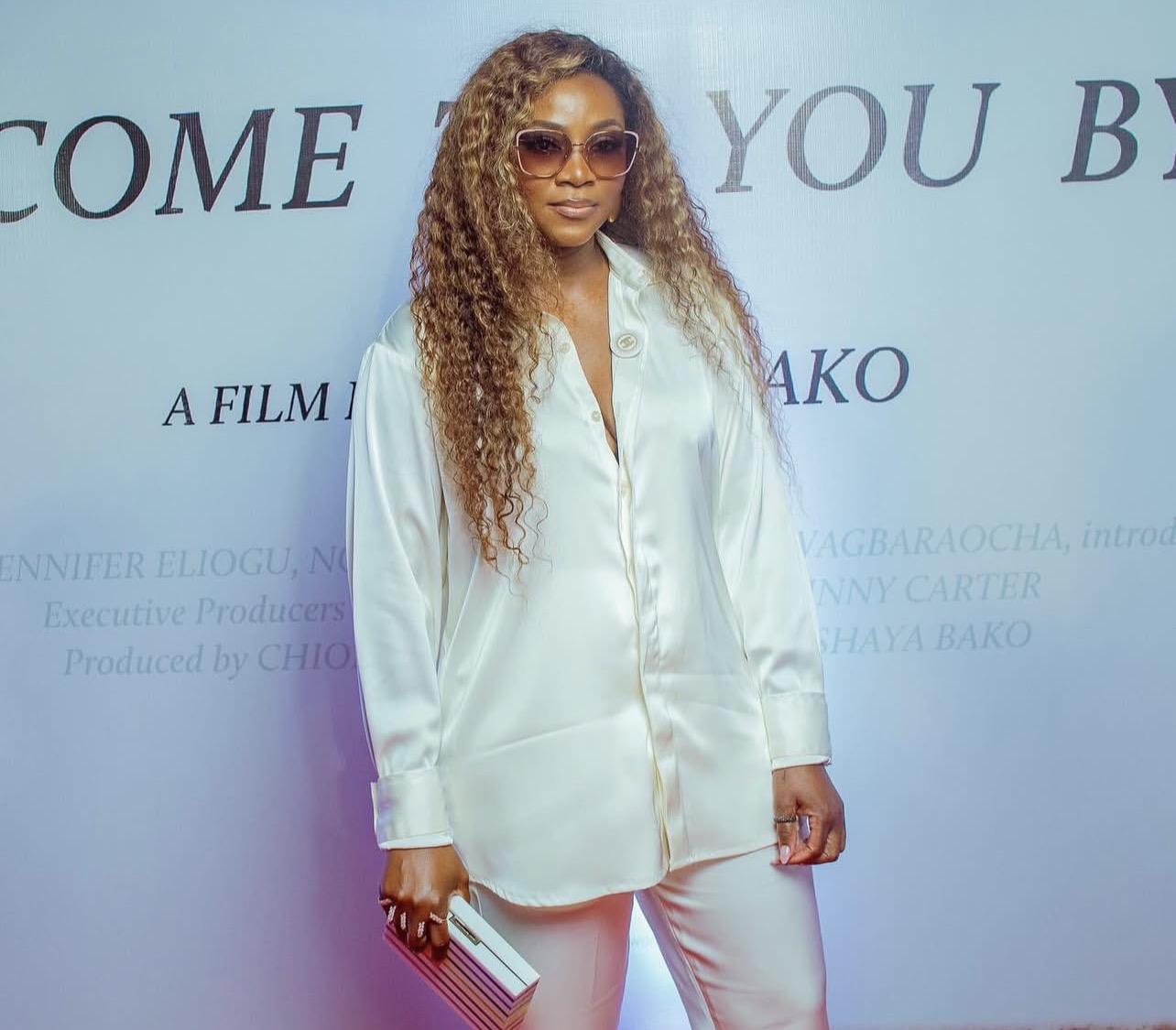
Genevieve’s return is a turning point for an industry that now sells itself globally but still wrestles with how to preserve the textures of local storytelling. If her comeback becomes a platform for thoughtfully made cinema, it could nudge investment, remake festival calendars, and inspire a wave of projects that aim higher without abandoning homegrown truth.
Silence made Genevieve into a symbol, her return gives that symbol practical work to do. Fans cannot wait to see the prospect of actress Genevieve being back in the industry after her last movie ‘I Do Not Come To You By Chance’(2023), which credits her as executive producer.
Discussion about this post