


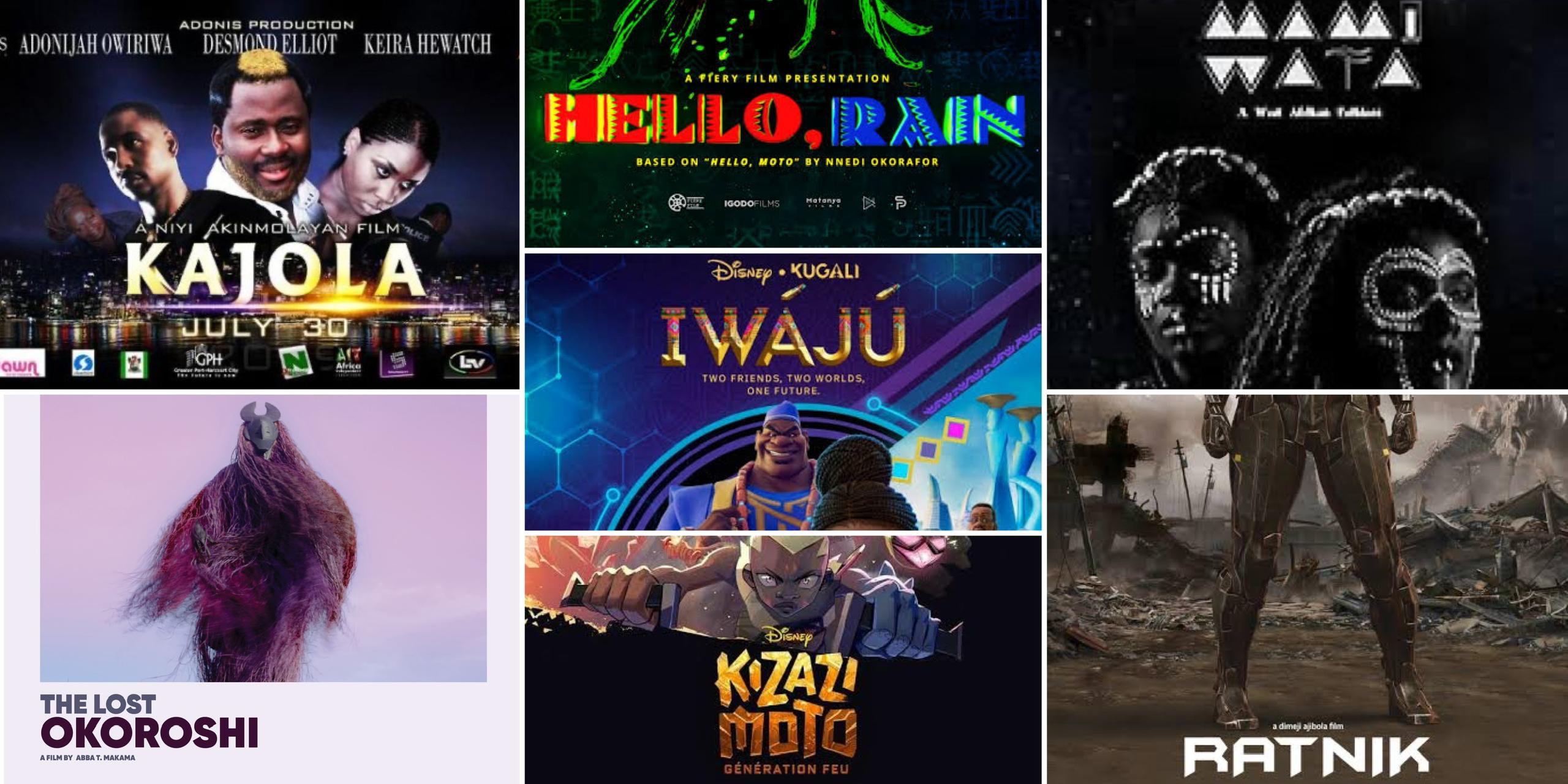
For most of its life, Nollywood’s image was simple to summarize. It was filled with rapid-fire production, intimate melodrama, comic misadventure and family sagas made on lean budgets and sold fast to an eager home audience.
The industry that churned out tens of thousands of films each year wasn’t expected to imagine flying cars, dystopian Lagos skylines, or sentient machines. Yet over the last decade something has been brewing. An emergent strain of speculative storytelling has started to take root in Nigerian cinema: science fiction, Afrofuturism, techno-fantasy and animated futurescapes. It isn’t yet mainstream, but it’s no longer an oddity either.
What’s changed isn’t only the willingness of filmmakers to tell these stories; it’s the ecosystem around them. Streaming platforms hunting for distinct regional voices, advances in affordable digital tools, and a growing cohort of storytellers steeped in African futurist literature are together transforming the feasibility and ambition of speculative films and series.
From spectacular misfire to deliberate experiments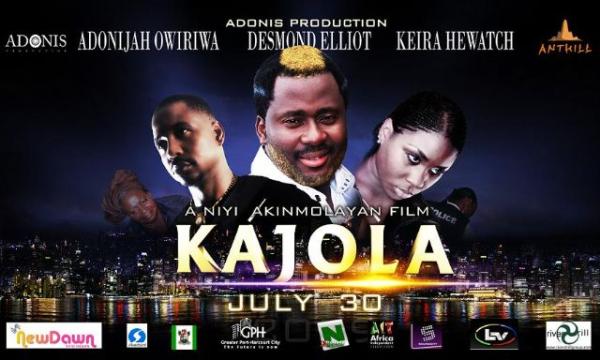
The story of Nollywood sci-fi can’t be told without Kajola (2010). Marketed as a Nigerian cyberpunk epic set in a 2059 Lagos, Kajola promised a spectacle and spectacularly failed to deliver it. Criticised for clumsy VFX and uneven storytelling, the film became a cautionary tale that you cannot simply paste a Hollywood aesthetic onto Nollywood’s production realities and expect success. The fallout convinced many creatives that speculative ambitions required either proper budgets and technical expertise or a different aesthetic approach altogether.
That lesson shifted the next wave of creators. Rather than chasing photorealistic futurism, filmmakers began to ask what made a future feel African. Questions like which technologies would be used, how myth and modernity would collide, what local languages would sound like when spoken in tomorrow’s Lagos topped the list. The result was a more imaginative, culturally grounded work that leans on storytelling rather than spectacle.
The new wave: smart constraints, richer stories
Recent successes show that speculative cinema in Nigeria doesn’t need to imitate Hollywood to be effective. Instead, many filmmakers are blending folklore, surrealism and modest but inventive production design to produce futures that feel authentic.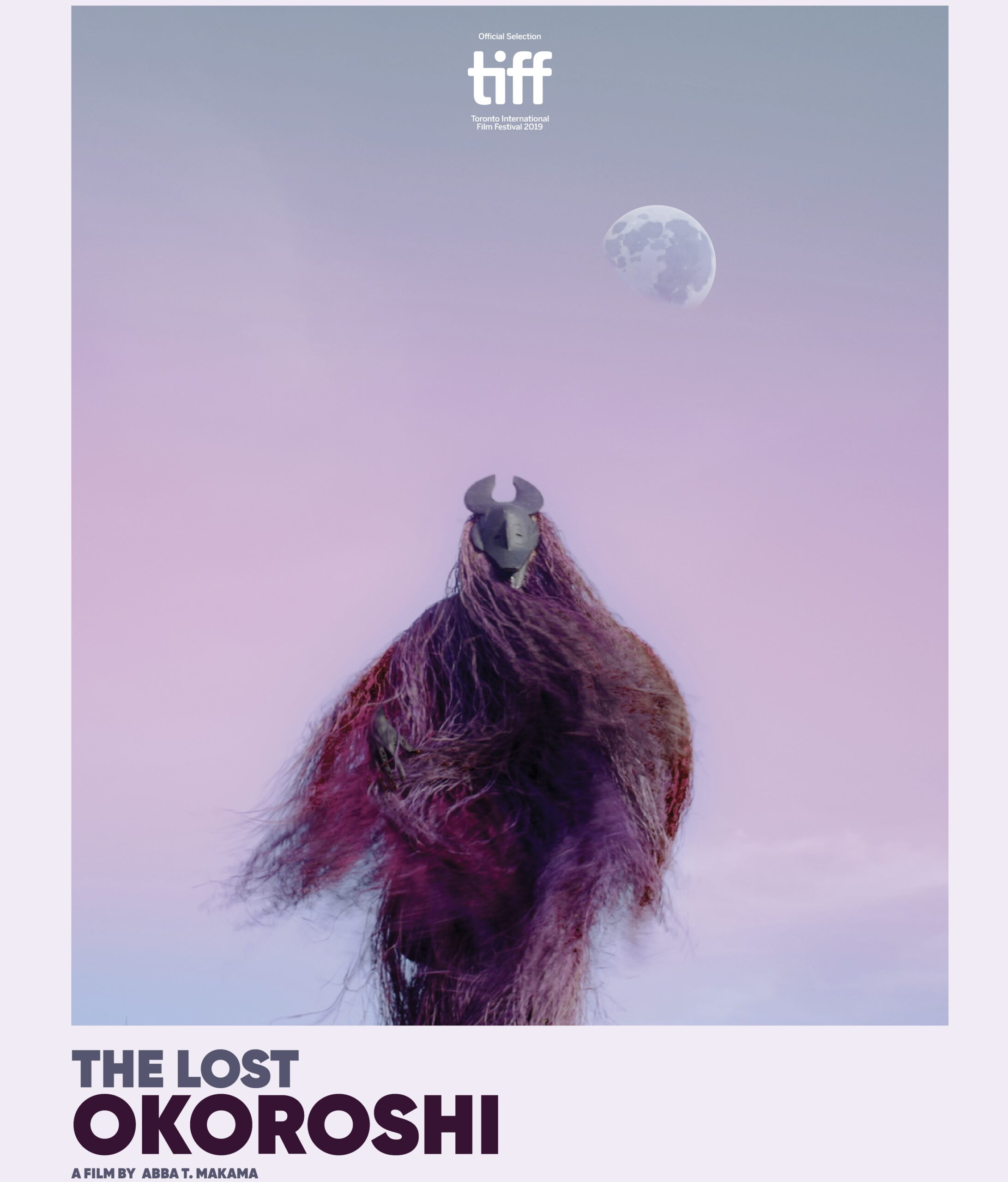
The Lost Okoroshi (2019), directed by Abba Makama, fuses Igbo masquerade tradition with the alienation of modern Lagos. It’s fantasy rather than hard sci-fi, but it uses speculative devices to interrogate identity and cultural erosion. The film’s festival circuit presence, including TIFF and its later appearance on global platforms demonstrated that culturally specific speculative work can travel.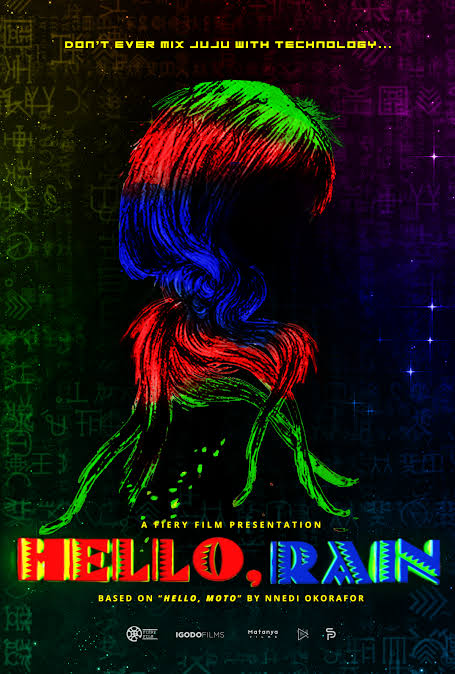
Short films and festival pieces have become fertile testing grounds. Hello, Rain (2018), adapted from a Nnedi Okorafor short, blends witchcraft and technology in a way that’s simultaneously Afrofuturist and intimate. Shorts like this allow filmmakers to experiment with ideas and aesthetics without the financial risk of a full-length blockbuster.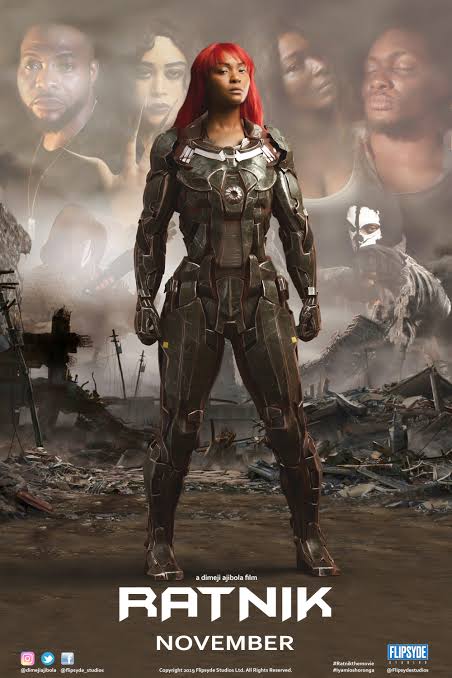
Ratnik (2020) is another instructive example. It’s a tighter, grittier apocalyptic action film that relied less on sweeping CGI and more on production design and story economy, winning technical accolades at the AMVCA. These projects show how filmmakers are learning to operate within constraints and still deliver compelling speculative narratives.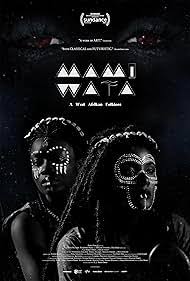
And then there is Mami Wata (2023), a black-and-white fantasy by C.J. Obasi that leans into folklore and cinematic craft rather than spectacle. Its festival success (Sundance, FESPACO) signals that world-class acclaim is possible when the storytelling is bold, culturally rooted and visually assured.
Animation: the fast lane to imagined Lagos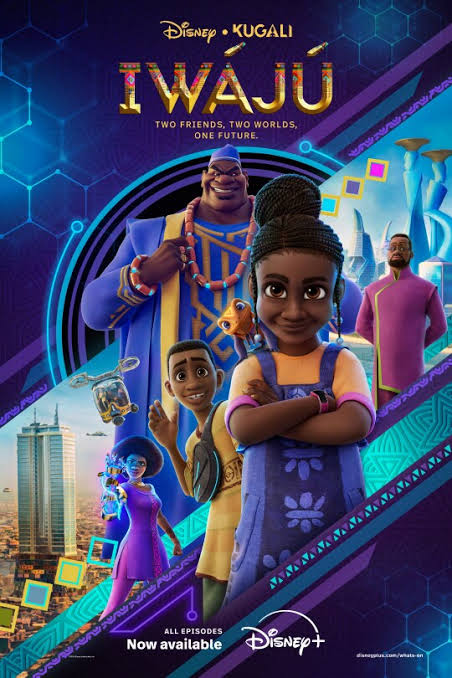
If live-action sci-fi still wrestles with budgets and VFX pipelines, animation has emerged as a faster route to Afrofuturist worldbuilding. The 2024 animated series Iwájú, which is a collaboration between Disney Animation and Nigerian studio Kugali is a landmark.
Set in a near-future Lagos populated with drones, AR interfaces and social divides, Iwájú demonstrates that global studios see both creative and commercial value in Africanfuturist narratives and are willing to co-produce with local talent.
The series’ prominence proves that when financing and global distribution align, African speculative worlds can reach mainstream audiences.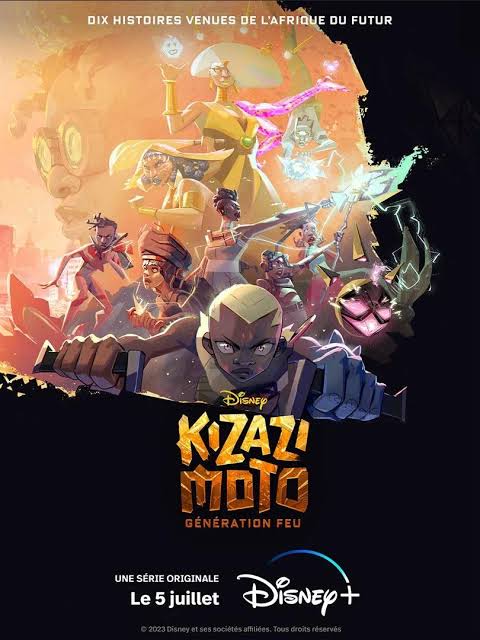
Anthology projects such as Kizazi Moto: Generation Fire (2023), a pan-African animation compilation produced by Triggerfish gathered creators from across the continent. It underscored demand for African speculative animation on the global stage, and helped train animators in new narrative forms.
Homegrown studios, including Anthill and PlayThing, have been quietly building capacity in 3D and 2D animation. These companies, alongside independent collectives, are training a new generation of artists who can work in pipelines that scale to larger series or franchise IP.
Why now? A confluence of forces
Several structural shifts have opened room for tech-forward storytelling in Nollywood.
Cheaper digital tools. High-quality cameras, editing software and even entry-level VFX tools have become vastly more accessible. This doesn’t equal Hollywood budgets, but it allows creators to make narrower, smarter choices that suggest the future without replicating it.
Global platforms hunting for authenticity. Netflix, Disney, and other streamers are seeking regional content that feels authentic and local but also universal in its themes. This has created funding pathways and distribution that previously didn’t exist, which is why projects like Iwájú could find global partners.
An intellectual tide: Afrofuturism / Africanfuturism. The rise of Africanfuturist literature and criticism (authors such as Nnedi Okorafor and thinkers who reframed futurism from an African vantage) has given filmmakers source material and a vocabulary to imagine futures anchored in African histories and technologies. This cultural scaffolding helps filmmakers resist the temptation to simply reproduce Western sci-fi tropes.
Animation as training ground. By giving artists projects where the “set” is drawn rather than built, animation fast-tracks learning in design, character development and world-building, skills that are transferable to VFX-heavy live-action work.
Creative strategies that work
Nollywood’s speculative filmmakers have converged on a handful of successful techniques:
1. Folklore + tech fusion: Rather than importing Western futurism wholesale, many filmmakers place technology side-by-side with indigenous myth, giving an effect that is neither retro nor purely futuristic, but hybrid. The Lost Okoroshi and Hello, Rain show how mythic frameworks can carry speculative ideas without expensive FX.
2. Stylization over photorealism: Black-and-white cinematography, selective color palettes, and surreal mise-en-scène allow directors to suggest otherworldliness without attempting photorealistic VFX, e.g Mami Wata. Stylization becomes a creative advantage rather than a budgetary compromise.
3. Tight scope and personal stakes: When upcoming worlds are explored through small, human stories, filmmakers can maintain emotional depth while avoiding costly worldbuilding. Ratnik used this economy well.
4. Shorts & anthologies as R&D: Anthologies allow many creatives to try one idea each. Shorts and festivals are the laboratory for riskier concepts. Once an idea proves itself on the festival circuit, it’s easier to scale it into longer formats or attract international funding.
Obstacles that persist
The momentum is real, but there are stubborn barriers.
VFX pipelines and talent gaps: High-end visual effects remain expensive. Attempts to leap too quickly into Hollywood-style CGI (computer-generated imagery) still end poorly unless production teams have both funds and trained personnel. Kajola’s failure remains a cautionary memory.
Financing risk aversion: Local financiers often prefer predictable Nollywood formulas. Convincing investors to back speculative projects which are frequently harder to monetise in the short term requires festival success, co-productions, or pre-sale deals. This is the exact role global platforms can play, but platform interest is selective and competitive.
Distribution and accessibility: Global platforms sometimes license African content but may not launch it in all markets simultaneously. Local cinemas and TV channels still prioritise mainstream Nollywood, and internet penetration or platform availability can limit local audiences’ access to certain streamed projects. Distribution strategies that combine local and international windows are still being worked out.
Conclusion: an industry imagining itself forward
Nollywood’s flirtation with science fiction and Afrofuturism is not a fad. It’s a sign of maturation. It means filmmakers are thinking beyond immediate commercial formulas and asking bigger questions about the future like what technologies will mean in African societies, how identity will be remade, and how myth will reconfigure in an era of rapid change.
The path forward is pragmatic. The smartest projects combine cultural specificity, economical worldbuilding, international partnerships and patient investment into technical capacity. When those elements converge, as they did in Iwájú, Mami Wata and festival darlings such as The Lost Okoroshi, Nigeria can export visions of the future that are both entertaining and deeply original.
If Nollywood wants to be taken seriously as a global source of speculative cinema, it must keep doing three things at once.
One is train its VFX and animation talent, two, support creative risk through funding channels that tolerate longer returns, and three, continue telling futures that are unapologetically African.


Discussion about this post