


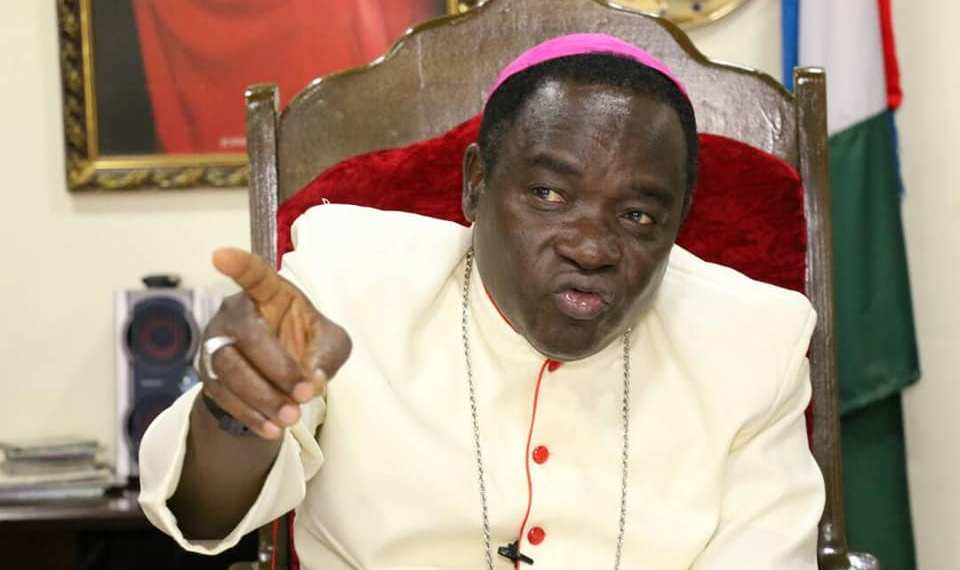

- Fr. Atta Barkindo highlights Nigerians’ willingness to manipulate identities for access to jobs and resources, emphasizing the need for social cohesion
- The Kukah Centre’s report calls for initiatives to address identity politics and promote merit over origin in Nigeria’s governance
According to Fr. Atta Barkindo, the executive director of the Kukah Centre (TKC), Nigerians are often willing to manipulate their identities to gain access to jobs, hospitals, power, and resources controlled by those in authority. He made this statement in Abuja during the public presentation of a 26-page project impact report on “Strengthening Social Cohesion in Lagos” and a policy brief on the project, supported by the MacArthur Foundation.
Fr. Barkindo explained that people can change their identities if it provides employment, healthcare, or power. He emphasized that this behaviour reflects a need to build social cohesion, a national identity, and common citizenship. Nigeria is considered a country that belongs to everyone, prioritizing merit and competence over origin, affiliation, or political connections.
He highlighted the necessity of initiatives like the one by the Kukah Centre in Lagos to address these issues. The project was launched in response to the social unrest and electoral violence during the 2023 general elections. Lagos was chosen due to its significant infrastructure and media presence, which made the incidents more visible, though similar issues may have occurred elsewhere in the country.
Barkindo further noted that in many parts of the world, like Europe, belonging is determined by where one lives or was born, not their state of origin. However, in Nigeria, even those born and living in a state for decades are often required to vote in their state of origin.
The report indicates that over the years, ethnic and regional divides, along with issues of indigene and settler status, have fostered mutual distrust and identity politics, which politicians exploit to gain votes. This situation was evident in the 2023 elections, particularly in Lagos, where these divisions resulted in significant electoral violence.
The report recommends ongoing community engagement, youth-focused initiatives, fair and just systems, inclusive governance, quality education, and increased cultural awareness and sensitization to strengthen social cohesion.
Discussion about this post