


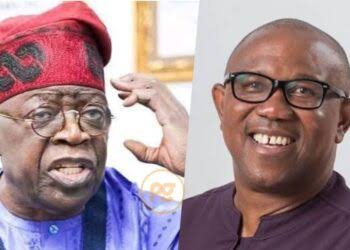

As Nigeria navigates through its complex political and economic challenges in 2025, one voice remains consistently loud and clear: Peter Obi. Whether through his public appearances, his criticism of the current administration, or his calls for transparency, Obi has continued to remain a central figure in Nigerian politics. His actions and statements have ignited debate, shifted public opinion, and forced political leaders and citizens alike to reconsider the path Nigeria is on.
Here are five notable interviews and public statements by Peter Obi in 2025 that have shaken Nigerian politics:
1. Channels TV (February 2025): Urging Transparency in the 2025 Budget
In February, Peter Obi made an appearance on Channels TV to discuss the national budget for 2025, which had increased to ₦54 trillion. This marked a significant moment as Obi did not hold back in voicing his concerns over the lack of transparency in the allocation of public funds. He questioned the details of budgetary allocations, particularly how the funds were being distributed across various sectors such as health, education, and infrastructure. Obi passionately called for a more transparent breakdown of the budget, advocating for public access to comprehensive records of how the government plans to spend such a staggering amount.
Obi’s comments stirred discussions across political circles. Critics of the government viewed his remarks as a bold challenge to the current administration, particularly after a series of allegations concerning mismanagement and corruption in the use of public funds. His stance on transparency reinforced his commitment to good governance and holding the government accountable. Public reaction was divided — while supporters applauded his advocacy for transparency, others accused him of playing to his political base.
2. Arise TV (April 2025): Critique of Governance Under President Tinubu
In one of his most compelling interviews of the year, Peter Obi appeared on Arise TV in April, where he openly critiqued the governance under President Tinubu’s administration. Obi didn’t mince words as he discussed the state of democracy, economic policy, and governance under the current leadership. According to Obi, the leadership style of Tinubu had failed to address the nation’s most pressing issues, including economic inequality, unemployment, and insecurity.
He argued that the current administration was focused more on maintaining political power rather than enacting meaningful reforms. Obi drew parallels between the promises made during the election campaigns and the outcomes seen by the people, which he claimed had fallen short. His critique was sharp, but also delivered with a sense of urgency for reform. He emphasized that Nigeria’s future depended on leaders who prioritized the people over their personal or political ambitions.
This interview went viral and sparked a flurry of responses from both politicians and the public. Supporters of Tinubu’s government dismissed Obi’s comments as politically motivated, but others hailed him as a voice of reason in the midst of Nigeria’s current struggles.
3. Vanguard (January 2025): Open Letter to President Tinubu
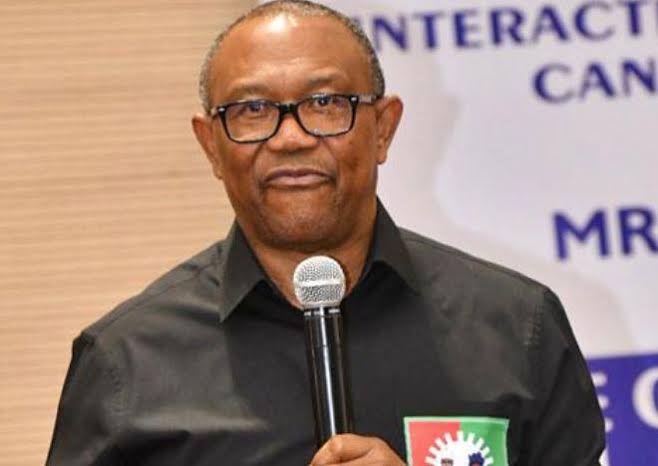
In January, Peter Obi took an unusual step by publishing an open letter in Vanguard newspaper. The letter was a deeply personal and thoughtful message to President Tinubu, offering advice on how the government could address some of Nigeria’s most pressing issues. Obi didn’t shy away from critiquing the way the administration had handled certain aspects of governance, particularly with regard to the economy and the worsening state of public infrastructure.
He offered 11 key pieces of advice to the President, urging the need for a reevaluation of the economic policies that had led to inflation, unemployment, and an increasing cost of living for ordinary Nigerians. In his letter, Obi highlighted the need to prioritize education, healthcare, and infrastructure development as the cornerstone of any long-term plan to uplift Nigeria’s poor and vulnerable populations. The open letter caused quite a stir, with some praising Obi’s insights and others accusing him of overstepping by publicly criticizing the President in such a direct manner.
4. Obidient Movement’s Declaration of Loyalty (April 2025)
The Obidient Movement, a grassroots political movement that formed in support of Peter Obi during the 2023 presidential elections, made headlines in April 2025 by publicly declaring their unwavering loyalty to him. During a large rally, key members of the Obidient Movement reaffirmed their commitment to Obi, stating that they would follow him wherever he chose to run in the future — including the 2027 elections.
In a moving speech, Obi expressed his gratitude to the movement, thanking the millions of Nigerians who had supported him despite the political challenges and adversity. However, he also cautioned against the dangers of blind loyalty to any political figure, urging his supporters to remain focused on the bigger picture of building a better Nigeria rather than any personal political ambition. His message was a blend of appreciation for his supporters and a call for unity beyond the individual.
The declaration of loyalty from the Obidient Movement reverberated across the political landscape. It was a clear reminder that Obi’s influence was still very much alive, and his supporters remained determined to push for change.
5. Public Critique of President Tinubu’s Retreat (April 2025)
In April, as Nigeria was grappling with several national issues, including rising insecurity, Peter Obi once again made headlines by publicly criticizing President Tinubu’s extended retreat in France. The President had taken a brief break from national duties, which sparked widespread backlash due to the urgency of the challenges facing Nigeria at the time, including rising insecurity and economic instability.
In a series of tweets and public statements, Obi called on President Tinubu to return to Nigeria and focus on resolving the security and economic crises rather than spending time abroad. Obi’s comments ignited heated debates, with some accusing him of using the President’s absence to score political points, while others applauded him for holding the leadership accountable during a time of crisis.
This critique solidified Obi’s reputation as an outspoken political figure who was unafraid to confront those in power — even when they were fellow political figures. His actions drew attention to the growing concerns over the administration’s commitment to dealing with Nigeria’s most pressing issues.
Discussion about this post