


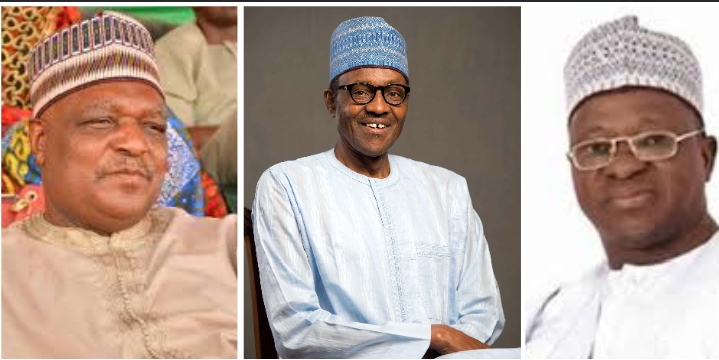

In the twilight of President Muhammadu Buhari’s administration, a storm erupted across Nigeria when the National Council of State approved a presidential pardon for 159 convicted individuals—most notably, two former state governors who had been convicted and jailed for monumental corruption: Joshua Dariye of Plateau State and Jolly Nyame of Taraba State.
These pardons were granted during a Council of State meeting held on April 14, 2022, sparking widespread outrage, fierce political commentary, and deep concerns about the state of Nigeria’s anti-corruption war.
This move, which many described as “the last blow” to Buhari’s credibility on corruption, marked a defining moment in his presidency. This report unpacks the motivations, beneficiaries, legal underpinnings, and consequences of the controversial decision.
The Presidential Power of Clemency: A Legal Tool or Political Weapon?
Under Section 175 of the 1999 Constitution of the Federal Republic of Nigeria (as amended), the President is empowered to grant clemency—including pardons, reprieves, and commutations—to convicted persons.
The section states:
“The President may… grant any person concerned with or convicted of any offence created by an Act of the National Assembly a pardon, either free or subject to lawful conditions.”
Such powers are often executed following advice from the Presidential Advisory Committee on the Prerogative of Mercy (PACPM) and are approved by the Council of State, which includes former presidents, governors, the Chief Justice, and principal federal officers.
For this particular set of pardons, the PACPM had screened over 400 applications but shortlisted 162 names. Out of these, the Council of State approved 159 individuals.
However, what stood out was not the number—but who made the list.
The Shockers: High-Profile Beneficiaries of Buhari’s Pardon
1. Joshua Dariye
Position Held: Former Governor of Plateau State (1999–2007)
Conviction: Embezzlement of N1.162 billion in ecological funds
Sentence: 14 years (reduced to 10 by the Court of Appeal)
Year Convicted: 2018
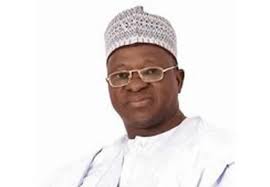
Dariye’s conviction followed a 10-year trial marathon led by the Economic and Financial Crimes Commission (EFCC). The Supreme Court upheld his conviction in March 2021. Yet less than one year later, he was granted a presidential pardon.
2. Jolly Nyame
Position Held: Former Governor of Taraba State (1999–2007)
Conviction: Misappropriation of N1.64 billion in state funds
Sentence: 14 years (reduced to 12)
Year Convicted: 2018
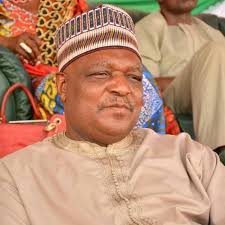
Like Dariye, Nyame’s conviction was hailed as a victory for Nigeria’s anti-corruption institutions, especially given the political weight he carried. His pardon stunned even those within Buhari’s cabinet.
Other Beneficiaries: A Mix of the Forgotten and the Powerful
Beyond the governors, the pardon list included ex-soldiers, elderly convicts, and some with terminal illnesses. According to the Ministry of Justice, many of the lesser-known individuals had served significant portions of their sentences and were deemed to pose no further threat to society.
Some unnamed individuals were:
- Elderly inmates over 70 years old
- Inmates suffering from severe chronic illnesses
- Persons with good conduct who had served 10+ years behind bars
The Ministry insisted that all criteria for pardon—ranging from age to good behavior to medical condition—were carefully followed.
Government’s Defense: “It Was Humanitarian, Not Political”
The Presidency was swift to react to the backlash. Garba Shehu, Senior Special Assistant to the President on Media and Publicity, issued a press release defending the move:
“The pardons were recommended by the Presidential Advisory Committee on the Prerogative of Mercy. They were not arbitrary. They followed due process.”
— Garba Shehu
He also emphasized that Dariye and Nyame were included not because of their status but because of health issues and the amount of time already served.
Attorney General Abubakar Malami reiterated that:
“It is not out of place to extend mercy to citizens who have shown remorse and served portions of their sentence.”
The Outrage: Civil Society, Legal Experts, and the Nigerian Public React
Almost instantly, the decision was met with condemnation:
1. Civil Society Organizations
Groups like SERAP, BudgIT, and Centre for Anti-Corruption and Open Leadership (CACOL) described the pardons as “a stab in the back to justice.”
SERAP said in a statement:
“This pardon sets a terrible precedent and destroys the efforts of the EFCC and judiciary in the war against corruption.”
2. Legal Practitioners and Analysts
Some senior advocates of Nigeria (SANs) admitted that while the move was legal, it undermined the spirit of justice.
Femi Falana, SAN, said:
“There is no justification, moral or constitutional, for letting off the hook people who looted the commonwealth. It is impunity elevated.”
3. International Media
Al Jazeera, BBC, and Reuters picked up the story, spotlighting Nigeria’s paradoxical position: a country battling to remove itself from global corruption indexes while pardoning convicted looters.
The Anti-Corruption Backlash: What Happens to EFCC and ICPC Now?
For years, the EFCC, under multiple administrations, worked to rebuild trust in public institutions by aggressively prosecuting powerful figures. The convictions of Dariye and Nyame were held up as flagship victories—proof that no one was untouchable.
With their release, analysts fear:
- Future corruption cases may lose momentum
- Prosecutors and investigators may become demoralized
- Citizens may lose faith in Nigeria’s justice system
Buhari’s Anti-Corruption Legacy: Tarnished or Misunderstood?
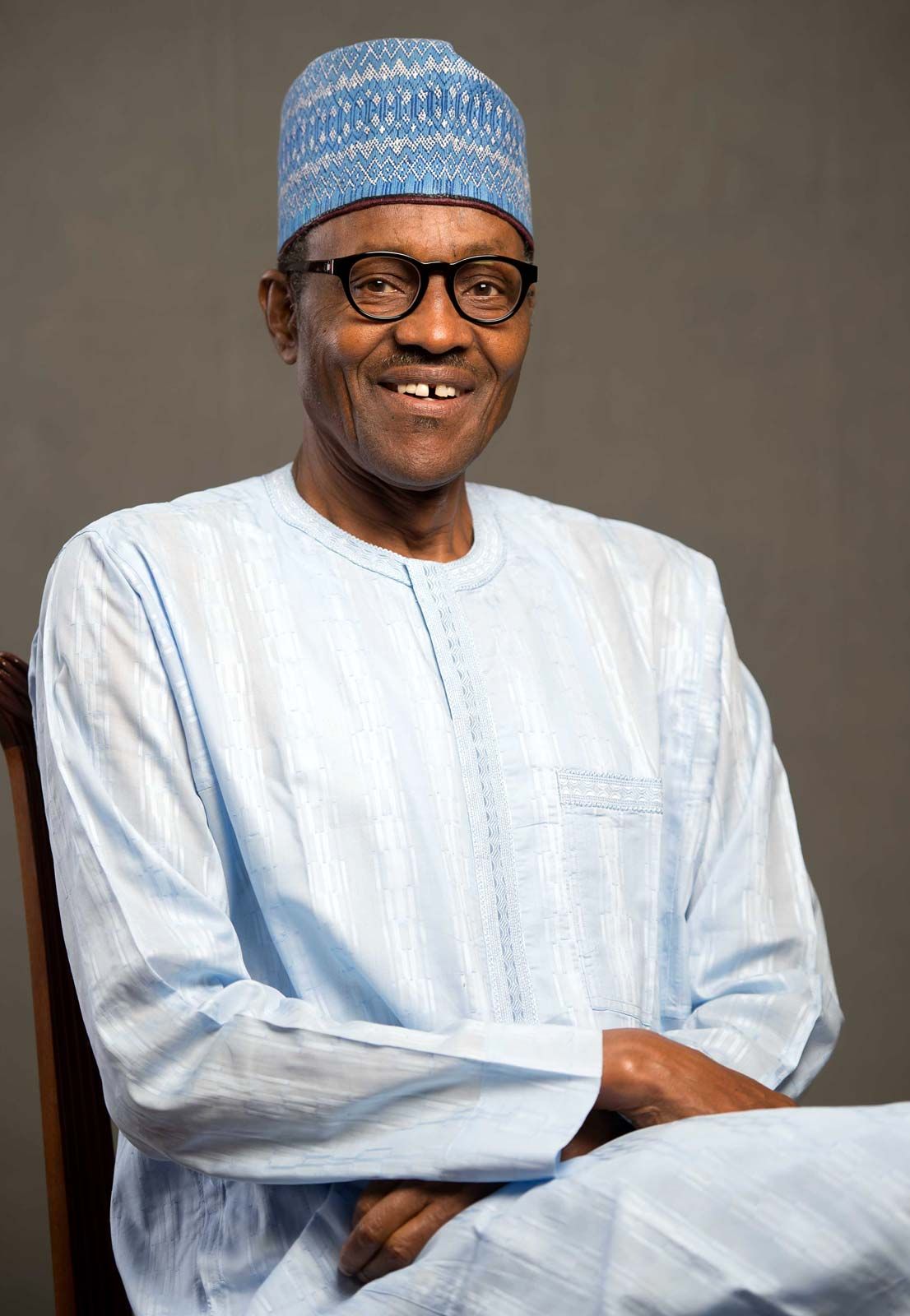
In 2015, Muhammadu Buhari rode into office on the mantra of fighting corruption. Seven years later, the country witnessed one of the most controversial acts of presidential mercy. Many critics have argued that the pardons erased some of the most significant gains made during Buhari’s tenure.
However, a minority of observers argue that:
- Buhari kept to the Constitution
- The Council of State process was followed
- Many recipients were genuinely sick or reformed
Still, the optics remain damaging. A president who campaigned on zero tolerance for corruption ended up releasing convicted kleptocrats in his final lap.
Politics Behind the Pardons: Was It All Just Calculated?
Some analysts believe the real motives were political:
2023 elections were on the horizon
Pundits speculate that releasing popular figures like Dariye and Nyame could help consolidate support in northern regions.
Power dynamics within APC
Both men were once major players in the ruling APC and may still hold influence.
National Assembly pressure
There were rumors that influential lawmakers lobbied for the release of their former mentors.
Comparative Perspectives: Do Other Countries Do This?
Presidential pardons are not unique to Nigeria.
- In the U.S., Donald Trump issued 143 pardons and commutations in his final days—including for allies like Steve Bannon.
- In South Africa, President Cyril Ramaphosa granted pardons to political prisoners, though with less controversy.
However, the global standard typically avoids pardoning officials convicted of economic crimes unless there is overwhelming humanitarian justification—something critics say was lacking in Buhari’s decision.
Final Words: What This Means for Nigeria’s Future
Buhari’s last-minute pardon list will be remembered as a bold, controversial, and deeply polarizing move. While it legally fits within his presidential rights, the decision has moral, political, and institutional costs that Nigeria will have to grapple with for years.
At a time when citizens were demanding transparency, integrity, and accountability, the state sent a different message: that power still protects its own.
Discussion about this post