


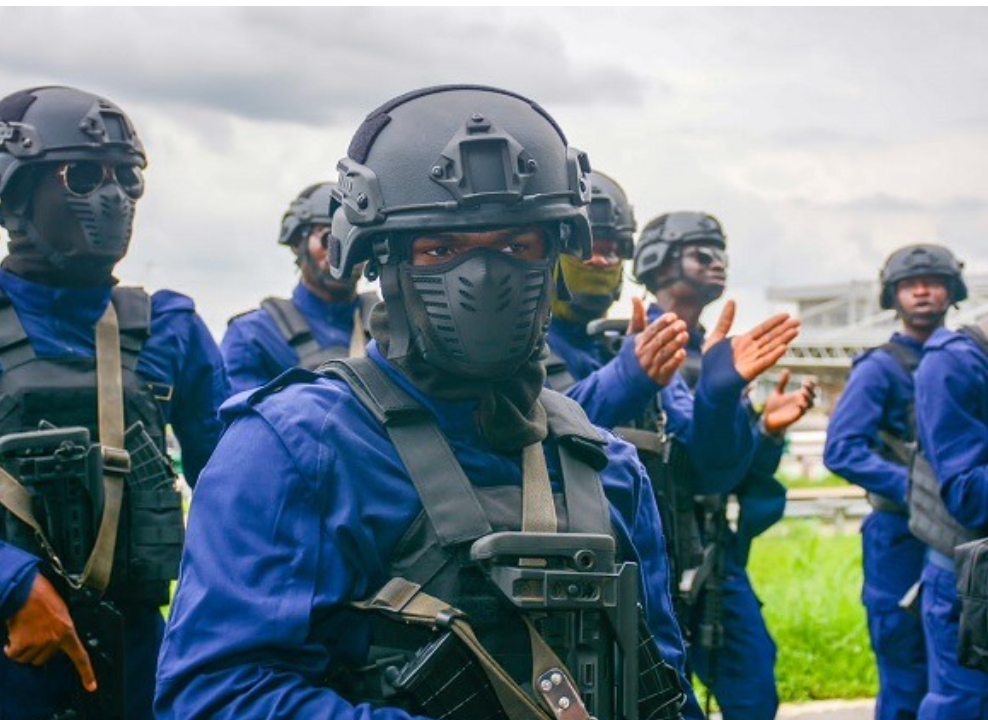

- Human rights groups report extrajudicial killings and arbitrary detentions during Nigerian military operations, particularly in counterinsurgency zones.
- Civilians, including women and children, have been detained without trial under poor conditions in military facilities.
In Nigeria, security challenges such as terrorism, banditry, communal violence, and separatist movements have compelled successive governments to adopt extensive security operations.
These operations, while intended to protect national integrity and the lives of citizens, have sometimes raised concerns about overreach.
State overreach occurs when security measures extend beyond legal or ethical boundaries, resulting in negative consequences for individuals and communities.
In the Nigerian context, such actions have occasionally led to human rights violations, mistrust in public institutions, and the exacerbation of existing conflicts.
SECURITY OPERATIONS IN NIGERIA
Nigeria faces complex and evolving security threats.
The Boko Haram insurgency in the Northeast, herder-farmer clashes in the Middle Belt, banditry in the Northwest, and separatist agitations in the Southeast have all prompted robust military and police interventions.
In response, the federal government has launched initiatives such as Operation Lafiya Dole, Operation Python Dance, and Operation Safe Haven to contain violence and restore order.
These operations often involve military deployment in civilian areas, the establishment of checkpoints, curfews, and mass arrests.
While they are aimed at curbing insecurity, the approach and implementation have, at times, resulted in collateral harm.
REPORTS OF HUMAN RIGHTS VIOLATIONS
Numerous national and international human rights organizations have documented instances of abuse in the conduct of Nigerian security operations.
For example, Amnesty International and Human Rights Watch have reported cases of extrajudicial killings, enforced disappearances, and arbitrary detentions by security forces during counterinsurgency campaigns.
In the fight against Boko Haram, civilians in affected communities have sometimes been indiscriminately arrested or detained on mere suspicion of collaboration, without sufficient evidence or access to legal recourse.
Some of these individuals, including women and children, have been held in military detention facilities under poor conditions.
Similarly, in the Southeast, security operations targeting members or suspected sympathizers of separatist movements, such as the Indigenous People of Biafra (IPOB), have reportedly resulted in the use of excessive force.
In some documented incidents, peaceful protests have been met with lethal responses, raising questions about proportionality and adherence to rules of engagement.
LEGAL AND INSTITUTIONAL FRAMEWORKS
The Nigerian Constitution guarantees fundamental rights such as the right to life, dignity, freedom of expression, and protection from arbitrary arrest and detention.
Nigeria is also a signatory to international treaties like the International Covenant on Civil and Political Rights and the African Charter on Human and Peoples’ Rights.
However, enforcement of these rights has been inconsistent, particularly in high-security contexts.
Oversight bodies such as the National Human Rights Commission (NHRC) and judicial mechanisms exist to hold violators accountable, but they often face limitations in capacity, independence, or political support.
SOCIETAL IMPACT OF OVERREACH
State overreach in security operations can erode public trust in government institutions.
When communities feel targeted or wrongfully punished, it can lead to resentment and reluctance to cooperate with authorities.
This weakens intelligence-gathering efforts and hampers long-term peacebuilding.
Moreover, the stigmatization of certain ethnic or religious groups under the guise of national security has contributed to deepened divisions and cycles of retaliation.
In areas where security forces are perceived as oppressive, non-state actors may gain local support by positioning themselves as defenders of the people.
In the case of the #EndSARS protests in 2020, which initially began as a campaign against police brutality, widespread demonstrations were met with a heavy-handed response.
The reported use of force against unarmed protesters, particularly at the Lekki Toll Gate in Lagos, attracted global attention and highlighted the risks of using excessive force in managing civil unrest.
WAY FORWARD
Nigeria’s security challenges require coordinated and effective responses, but these must be implemented within the confines of the law and with respect for human rights.
State overreach, even if unintentional, can create victims out of innocent people and undermine the legitimacy of security operations.
To address insecurity sustainably, Nigeria must balance robust enforcement with accountability, transparency, and community engagement.
Without this balance, the line between protecting the state and harming its citizens may become increasingly blurred.
Discussion about this post