



-
The 470km Abuja–Lagos superhighway, fully privately funded, aims to cut travel time to four hours, enhancing connectivity and economic growth
-
Project has secured key regulatory approvals and awaits final Federal Executive Council clearance; expected to create jobs and open trade corridors
The proposed 470-kilometre Abuja–Lagos Greenfield superhighway is expected to cost $5 billion, according to the private consortium handling the project.
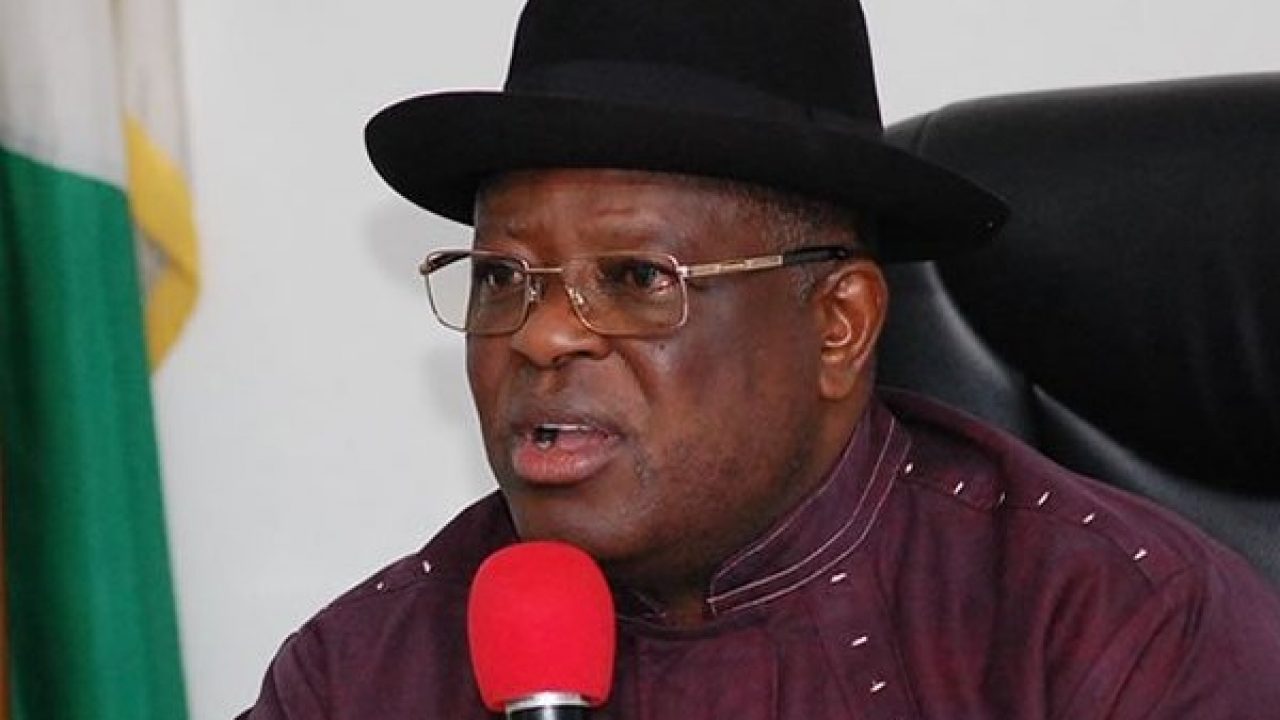
Minister of Works, David Umahi, had earlier stated that the highway would be financed entirely by the private sector at no cost to the federal government, with a completion timeline of four years and a lifespan of 100 years.
Speaking on behalf of the consortium, Dr. Kenny Martins, Chairman of AEC Unity Network Limited, said preliminary designs, studies, and approvals have already been completed. He confirmed that the project has secured the necessary regulatory approvals, including those from the Infrastructure Concession Regulatory Commission (ICRC), as well as an Environmental Impact Assessment (EIA).
According to Martins, the superhighway will transform transportation and boost economic activity. “This project will open up the country in a way never seen before. It is designed to cut the travel time between Lagos and Abuja to just four hours while also opening up rural communities along the route,” he said.
The road will pass through Lagos, Ogun, Oyo, Osun, Ekiti, Kwara, Kogi, Niger, and terminate in Abuja. Plans are also underway to link the project to the Baro Port in Niger State, aiming to enhance its economic viability.
Backing the initiative, Jaycob Attah, Director of Global Finance at First Global Commerce Solutions, described the project as a bold response to Nigeria’s infrastructure financing gap. “It speaks directly to the bottlenecks that have slowed economic growth for decades,” he said.
On the financing side, Gbadebo Adenrele, Managing Director of Investment Banking at United Capital, assured that local and international financiers are ready to release funds. “With credible legal, technical, and financial partners, the project has what it takes to attract the required investment,” he noted.
Engr. Ibrahim Mustapha of AEC Unity Network added that the project now awaits the final phases of approval from the ICRC, the Ministry of Justice, and ultimately, the Federal Executive Council (FEC) before construction begins.
If delivered as planned, the superhighway is expected to ease commuting, create jobs, open up trade corridors, and significantly enhance Nigeria’s road infrastructure.
Discussion about this post