


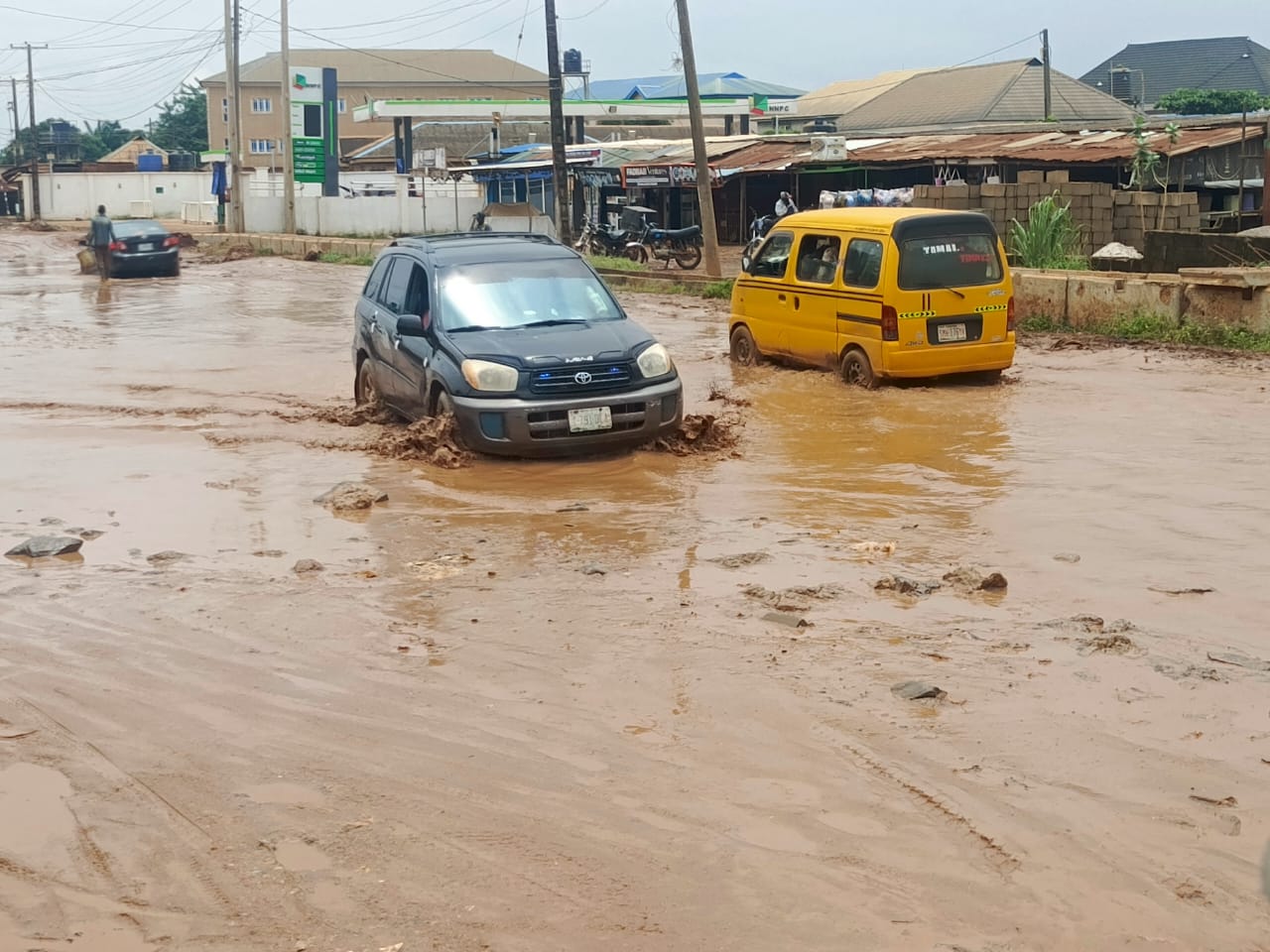

Lagos has experienced severe flooding as heavy rainfall swept across the state, submerging streets, homes, and vehicles.
Residents shared videos online showing rising waters and the disruption caused by the floods.
In Ijede, residents urgently sought assistance as floodwaters entered their homes, making movement impossible and causing significant damage to property.
One resident reported that both the interior and exterior of his house were submerged, with vehicles partially underwater, highlighting the severity of the flooding in the area.
In Igbogbo, Ikorodu, residents reported that floodwaters reached shops and homes, forcing some to consider temporary relocation.
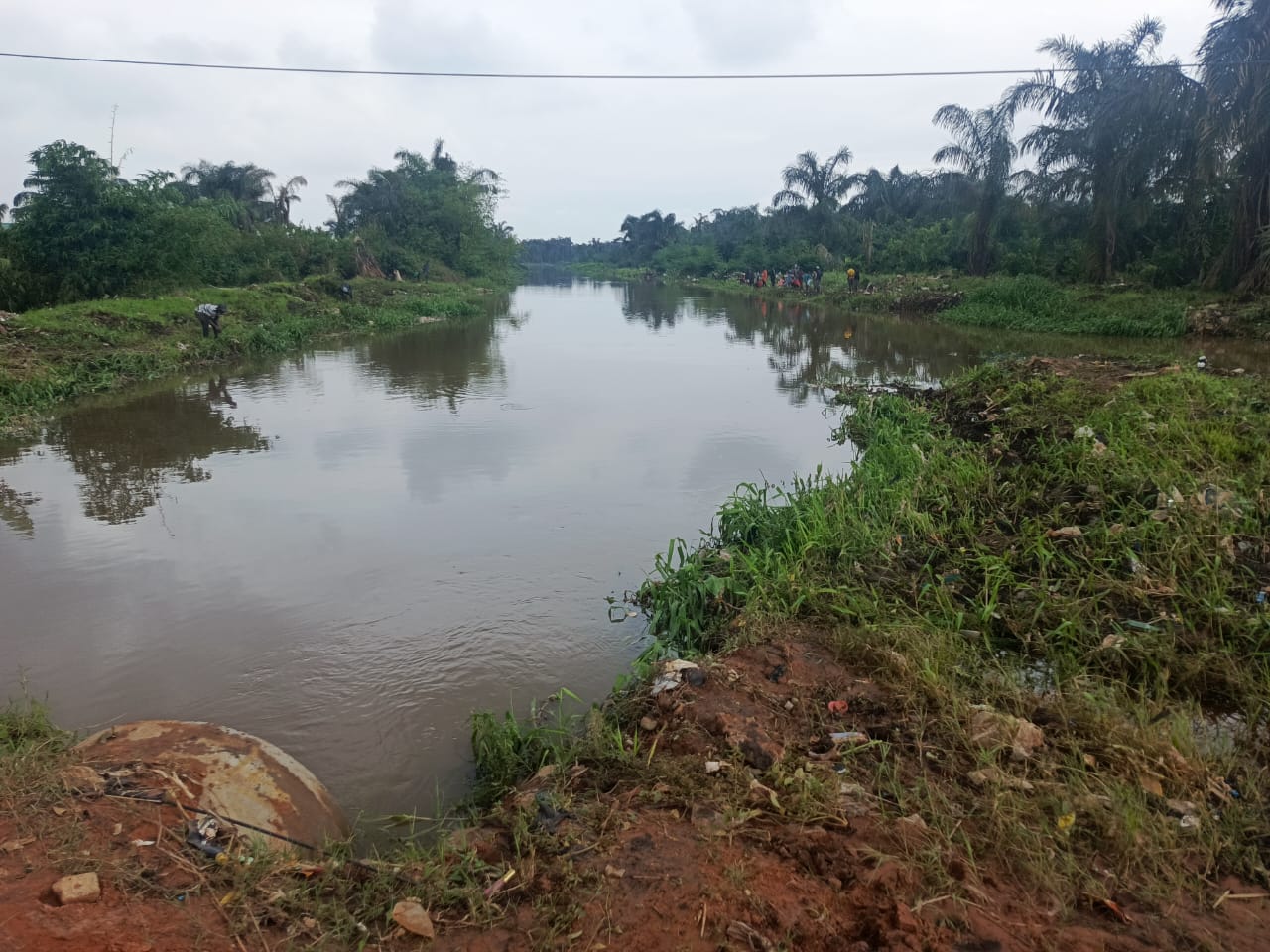

“Just look at the result of the rainfall from last night till this morning. It feels like we’re living in the ocean,” said a resident.
The Lagos state government has responded to the flooding. Tokunbo Wahab, commissioner for the environment and water resources, assured residents that the state is implementing long-term solutions.
“The ongoing drainage project in Ikorodu is designed to address the flooding permanently,” Wahab wrote on social media, noting that the work would improve drainage capacity and prevent future inundation.
Wahab explained that the immediate focus is on clearing and constructing culverts, followed by concrete lining to strengthen drainage systems.
He urged residents to remain calm while the government monitors flood-prone areas closely to prevent casualties.
Earlier, the Nigeria Hydrological Services Agency (NIHSA) had warned of the risk of flooding in Lagos and 26 other states from July 22 to August 5.
The agency included Lagos among 30 states considered at high risk of heavy rainfall and flash floods this year.
Flooding in Lagos has been an ongoing concern due to its dense population and rapid urban expansion.
Experts note that unplanned construction, blocked drainage channels, and encroachment on natural waterways worsen flood conditions, even during moderate rainfall.
Residents have repeatedly expressed frustration, highlighting the damage to property and disruption to daily activities.
Motorists struggle with submerged roads, while small businesses face financial losses as water enters shops and warehouses.
Environmental specialists stress that tackling flooding requires combined efforts, including stricter urban planning regulations, better waste management, and community awareness programmes to prevent drain blockages.
The flooding challenges in Lagos mirror those in neighbouring states such as Ogun and Oyo, where heavy rains have also affected communities.
Coordinated efforts across state borders are critical to managing shared waterways and reducing the risk of urban floods.
The 2025 floods in Lagos have shown that short-term solutions are insufficient to prevent recurring problems.
Sustained investment in drainage systems, regular maintenance, and proactive engagement with residents remain essential to limit the impact of future heavy rainfall.
Discussion about this post