


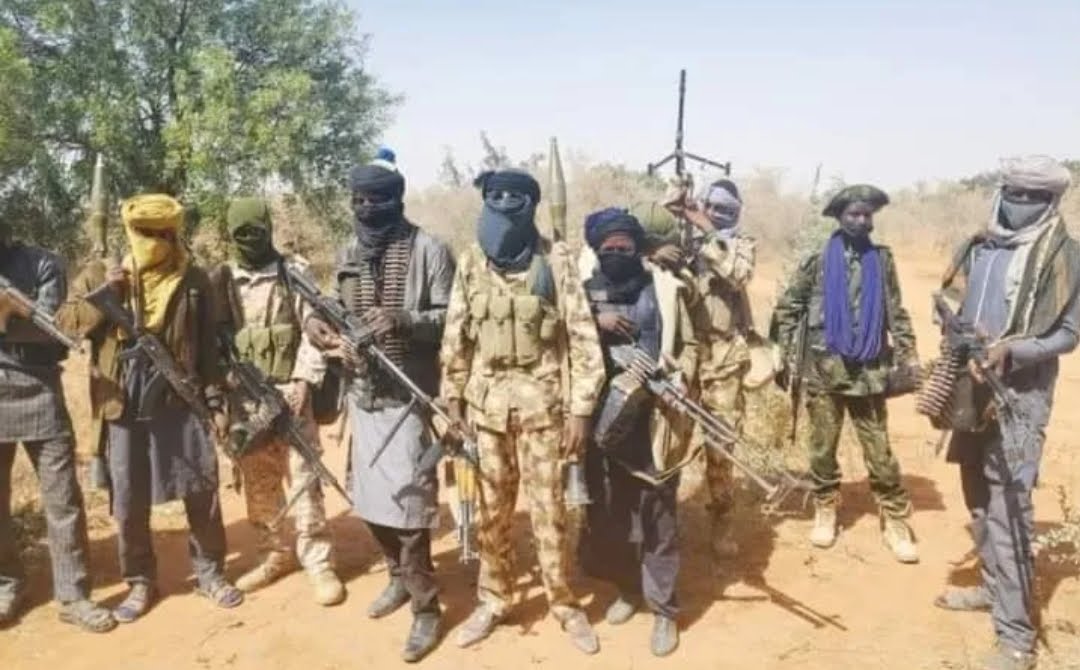

- When a state loses its ability to use force to exert control and deploy violence to ensure peace and order in its territory, it begins to teeter on the precipice of becoming a failed state. And that is where Nigeria is currently headed, if not there already.
Last week, a clutch of rampaging gunmen attacked a mosque in Unguwan Mantau, Malumfashi Local Government of Kaduna State, opened fire on worshippers who had gathered for the early morning prayers and killed at least thirty of them. By now, having been constantly inundated with a barrage of disturbing reports of killings and crimes in the country daily, Nigerians have somewhat become numb and desensitised to these abhorrent, diabolical and unconscionable incidents across the country. It’s almost as if they have stopped expecting the government to provide adequate and sufficient security for them.
After the brutal massacre of the worshippers, the government did its usual song and dance of releasing statements that condemned the killings and vowed to go after the perpetrators. This perfunctory issuance of empty threats has characterised its reaction in the aftermath of every violent attack and large-scale killings of innocent and hapless Nigerians that it is expected to protect. In June, over 200 people were killed in Benue State, and up till now, not one person has been arrested in connection with the killings.
These killings, aside from their abominable nature and the impunity of the perpetrators, are also symptomatic of something far more concerning and troubling, which is the loss of the monopoly on violence by the Nigerian state. When a state loses its ability to use force to exert control and deploy violence to ensure peace and order in its territory, it begins to teeter on the precipice of becoming a failed state. And that is where Nigeria is currently headed, if not there already.
The concept of monopoly on violence or legal use of force was postulated by Max Weber in his 1919 essay “Politics as a Vocation”. He posited that only the state has the legitimacy to use force, violence, intimidation and coercion to ensure compliance and adherence to norms and laws of the land. However, Nigeria is where political, economic and social theories that have been applied and worked somewhere in other places come to die, and Weber’s postulation has also been demystified by the Nigerian factor.
For the better part of two decades, the Nigerian state has come up short in its responsibility of securing the lives and properties of its people. Armed non-state actors like terrorists, bandits and other armed criminal elements have unleashed jarring and bone-chilling terror on the people. In some instances, these non-state actors imposed taxes and laws on the people inhabiting the areas they have taken control of, leaving the people at their mercy. The inability of the Nigerian state to unleash its full might on these criminals and get rid of them effectively means it has now surrendered the monopoly on violence and use of force to ensure stability and harmony in the state to them.
It has often been said that the reason why Nigeria has been unable to bring these non-state actors to their knees is because our security architecture has been heavily compromised and the perpetrators of these heinous crimes and atrocities are aided by the very people who should be hunting them down and putting an end to their menace. To end this blood spilling and dangerous descent into a failed state, the Nigerian government must do some house cleaning and rid the country of saboteurs and sellouts, followed by drastic and systemic reclaiming of its monopoly on violence and use of force
Discussion about this post