



- Efforts by successive governments, both military and civilian, to revive the nation’s agriculture sector have yielded some positive results but bringing back the glory days when the sector was the mainstay of Nigeria’s economy has remained a tall order due to several factors.
Please make no mistake about it, agriculture is a veritable cornerstone and key driver for the world’s economy, not less so in Nigeria. In the early years of independence, agriculture contributed between 60 to 70% to Nigeria’s gross domestic product. The massive infrastructural projects and industrialisation drive embarked upon by the three regions in the last decade of colonial rule and the first decade of independence were funded with the revenue generated from the sales of cash crops like cocoa, groundnut and palm oil.
However, the discovery of the black gold, crude oil, in the 50s and the later oil boom of the 70s fast-tracked the decline of the agricultural sector. Efforts by successive governments, both military and civilian, to revive the nation’s agriculture sector have yielded some positive results but bringing back the glory days when the sector was the mainstay of Nigeria’s economy has remained a tall order due to several factors.
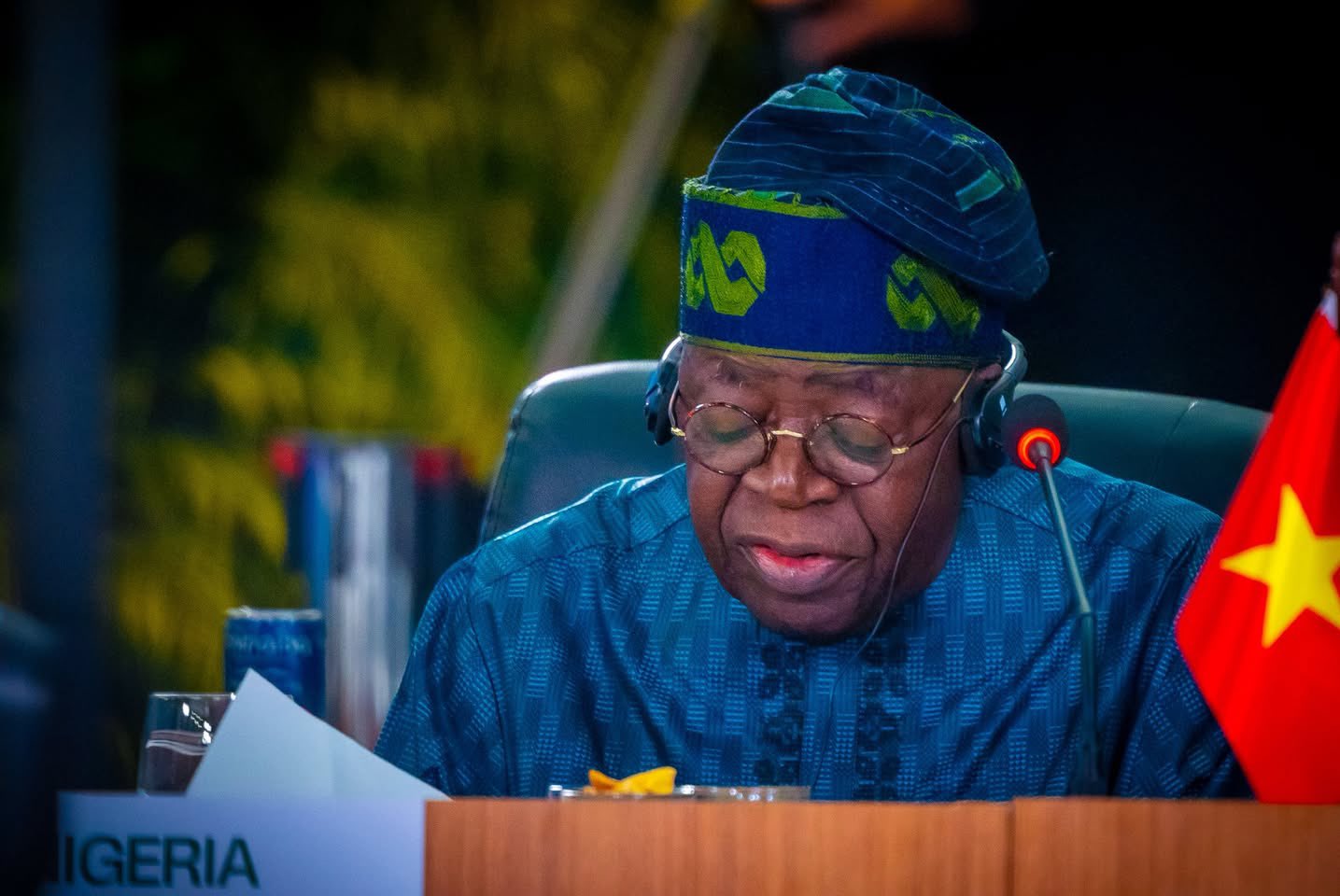
As with every government, the Tinubu government has its own policies and programmes to boost the nation’s agricultural sector. One of these policies is the shea nut value addition policy. On Wednesday, President Bola Ahmed Tinubu ratified a 6-month ban on the export of raw shea nuts to tackle informal trade, protect and grow Nigeria’s shea industry. Despite contributing almost 40 per cent of global supply, the proceeds that accrue to Nigeria from the multi-billion-dollar global shea economy are less than one per cent.
Nigeria is projected to generate about $300 million in revenue annually in the short term, and by 2027, the number will be a 10-fold increase. The government has described the policy as pro-value addition and not anti-trade. One of the factors that is mitigating against fully harnessing our agricultural potential is the lack of added value to the raw materials derived from agricultural produce. By shipping raw materials out of the country, our ability to industrialise is stunted and we lose billions of dollars that should accrue to us as revenue to other countries that do not have raw materials but have the capacity to add value to them.
However, with the shea nut ban, raw materials will be available for processing factories, which will enable them to run at full capacity, thereby creating jobs for people, especially those in rural areas. This initiative must now be extended to other cash crops that have the potential to contribute significantly to our GDP. Aside from the value addition scheme, there are other challenges — poor state of rural roads, storage facility, insecurity, low interest loan for farmers, investment scientific research among others — that the government must address to not only tackle the runaway inflation occasioned by food insecurity but also allow Nigeria to capture a significant share in the global agricultural market and address its foreign exchange shortage.
Discussion about this post