



In the spring of 2012, a crowded London courtroom held its breath as James Onanefe Ibori, former governor of Nigeria’s oil-rich Delta State, stood before the judge. For years, his name had been synonymous with immense wealth and near-mythical political influence.
He was the kingmaker in his region, a power broker whose reach stretched from local communities to the highest offices in Abuja. Yet on that day in Southwark Crown Court, the man who once seemed untouchable faced sentencing for a fraud that spanned continents.
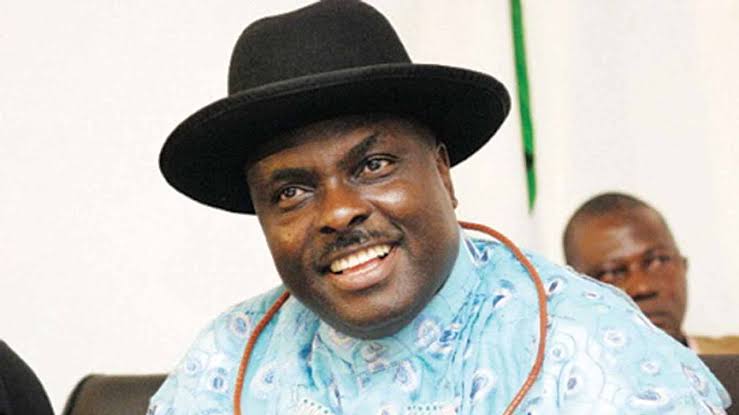
The fall of Ibori was more than the downfall of one governor. It was a symbolic reckoning, a rare moment when the threads of global justice converged on the story of a Nigerian politician whose fortune had risen as spectacularly as it crumbled.
To understand why his case gripped not just Nigeria but the wider world, one must trace the arc of his journey—from humble beginnings to the pinnacle of power, and ultimately to the cold reality of a foreign jail cell.
The Roots of a Political Journey
James Ibori’s story begins not with luxury, but with survival. Born in 1959 in Oghara, a town nestled in the creeks of Delta State, he grew up in a Nigeria marked by oil booms and political instability.
Like many of his generation, he sought opportunities abroad, traveling to the United Kingdom in the 1980s. There, his early life was marked less by privilege and more by struggle.
In London, Ibori worked as a cashier at a Wickes DIY store, earning an honest but modest living. Yet even then, ambition burned within him. But his London years would also foreshadow his later troubles. By the 1990s, he had been convicted twice in the UK—once for shoplifting and another for credit card fraud. These convictions, little known back home at the time, would later resurface as a haunting prelude to his spectacular fall.
Power, Oil, and the Governorship
When Ibori returned to Nigeria in the early 1990s, the country was entering a new political chapter. The military dictatorship was loosening its grip, and democracy was inching its way back. The Niger Delta, with its vast oil reserves, became both a blessing and a curse. It was in this crucible that Ibori rose.
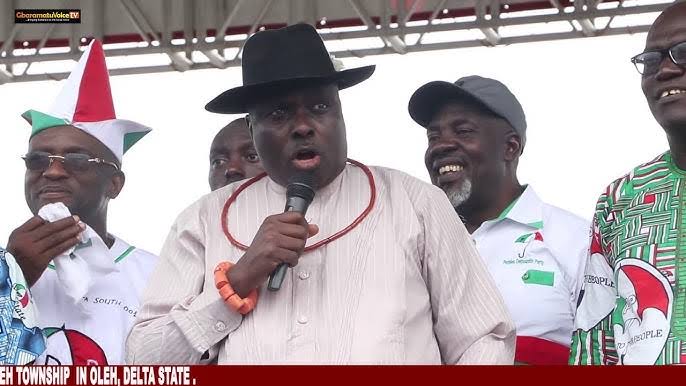
By 1999, riding on the wave of Nigeria’s return to civilian rule, Ibori won election as governor of Delta State under the People’s Democratic Party (PDP). His tenure coincided with Nigeria’s reemergence into global oil markets, and Delta State became a revenue giant. Billions of naira flowed into the state coffers, and with it, unprecedented power concentrated in the hands of the governor.
Ibori quickly built a reputation as both a benefactor and a master strategist. To his supporters, he was a man of the people, building roads, funding scholarships, and channeling money into community projects. To his critics, however, he was a symbol of Nigeria’s corruption problem, using state funds to fuel a lifestyle of private jets, mansions, and global extravagance.
The Web of Allegations
From early in his governorship, allegations of corruption followed Ibori. Reports surfaced that he had diverted massive sums of state revenue for personal enrichment. Yet in Nigeria, his influence shielded him. He cultivated allies across the political spectrum, bankrolling campaigns and securing loyalty.
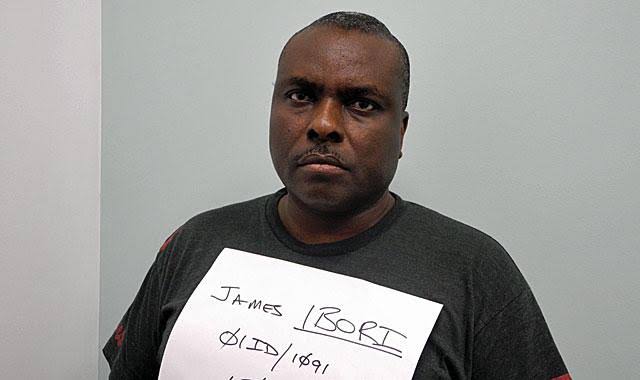
But his spending abroad—on London mansions, luxury cars, and an £80,000 school fee payment for his children—caught the attention of British investigators. Unlike Nigeria, where the judiciary often bent to political pressure, the UK’s Serious Fraud Office and Metropolitan Police followed the money trail relentlessly. By the mid-2000s, a case was being assembled against him.
Flight and Exile
In 2007, after serving two terms, Ibori left office with his influence intact. But the shadow of prosecution grew longer. In 2010, as the Nigerian Economic and Financial Crimes Commission (EFCC) intensified its pursuit, Ibori fled the country. His escape played out like a political thriller.
Reports suggested he moved between countries in West Africa, leveraging networks of loyalty and wealth to stay ahead of the law. But his freedom was short-lived. In May 2010, he was arrested in Dubai, following an Interpol warrant. Extradition battles followed, but by 2011, he was in the United Kingdom—no longer the kingmaker of Abuja, but a defendant facing a mountain of evidence.
The London Trial
In the wood-paneled halls of Southwark Crown Court, Ibori’s trial unfolded like a drama scripted for global headlines. Prosecutors laid out the scale of his fraud: nearly £50 million laundered through a complex web of offshore accounts, shell companies, and high-end purchases. Luxury estates in London, a fleet of cars, even a private jet—all traced back to Delta State’s coffers.
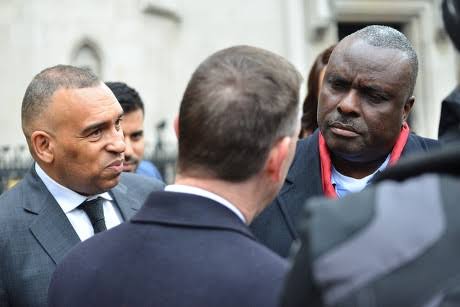
The evidence was damning, and in 2012, Ibori pleaded guilty to ten counts of fraud and money laundering. His sentencing—13 years in prison—was unprecedented. For the first time, a Nigerian political titan had been humbled not by his own country’s courts, but by a foreign one.
Home Reactions, Global Echoes
Back home, the verdict landed like a thunderclap. To many Nigerians, it was both vindication and embarrassment. Vindication that the long-whispered rumors of Ibori’s excesses had been proven true. Embarrassment that Nigeria’s institutions had failed so spectacularly that justice had to be delivered abroad.
Yet in Oghara, his hometown, crowds still celebrated him. To his kinsmen, he remained a hero—someone who brought development, who looked after his people, who stood as a symbol of Niger Delta pride. This duality—condemned abroad, adored at home—captured the contradictions of Nigerian politics, where loyalty to kin and community often outweighs broader notions of national accountability.
The Shadow of Return
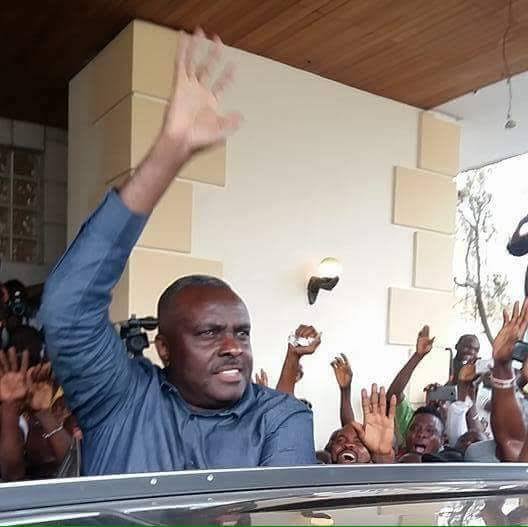
Ibori served his term quietly, his influence muted but not erased. By 2016, whispers began that he might return to Nigeria after his release. When he finally did, in early 2017, the reception was startling: jubilant crowds, political allies lining up to pay homage, and renewed talk of his enduring relevance.
It was a stark reminder that while his conviction weakened him internationally, his domestic base remained intact. The politics of patronage had not dissolved. In fact, many of the networks he helped build continued to thrive, influencing elections and shaping Nigeria’s corridors of power.
Closing Thoughts
Ultimately, the story of the Nigerian governor who fell in London’s courtroom lingers as a cautionary tale. It forces the nation to confront its own reflection—how power is acquired, how wealth is squandered, and how history remembers those who confuse public office with personal fortune.
In the end, what unfolded in London’s courtroom was larger than one man’s fate. It reflected the vulnerabilities of political power, the reach of international law, and the ways in which wealth, ambition, and governance continue to intertwine across continents.
Long after the gavel came down, the memory of that trial lingers — not as a verdict on James Ibori alone, but as a chapter in Nigeria’s ongoing encounter with questions of accountability, sovereignty, and power on the world stage.
Discussion about this post