




Lagos is a city of endless motion, a metropolis that pulses with ambition, wealth, and whispered deals. Yet on the night of July 27, 2006, even this restless giant seemed to pause. In the manicured calm of Ikoyi’s Dolphin Estate, a crime occurred that would not only silence one man but send tremors through the very structure of the city’s political life.
Funsho Williams, a figure whose influence could have reshaped Lagos politics, was found bound, gagged, and murdered in his own home. His death was not merely a personal tragedy—it was a seismic event whose consequences still ripple through Lagos governance, party rivalries, and public memory. In that moment, the city itself seemed to hold its breath, as if acknowledging that the balance of power had been violently disrupted.
The corridors of Dolphin Estate bore witness to more than blood—they bore witness to the fragility of ambition in a political landscape where reform threatens entrenched power. That night, Lagos experienced one of its darkest reckonings: its most consequential unsolved crime, a mystery whose weight has refused to lift even decades later.
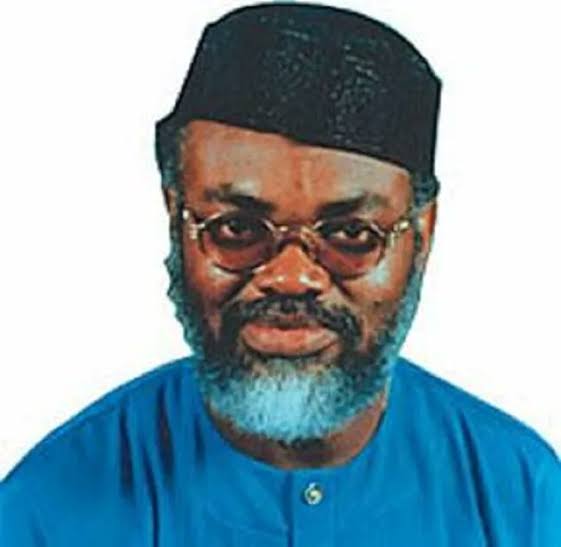
A Man Between Shadows and Light
Anthony Olufunsho Williams was born on May 9, 1948, in Lagos. His early education took place at St. Paul’s Catholic School in Ebute Metta and later at St. Gregory’s College, Lagos. In 1968, he pursued a degree in Civil Engineering at the University of Lagos and furthered his studies with a master’s degree from the New Jersey Institute of Technology in the United States .
Upon returning to Nigeria in 1974, Williams joined the Lagos State civil service, where he became a key figure in the Ministry of Works. Over the next 17 years, he played a pivotal role in the construction of numerous roads and bridges across the state. By the time he left the civil service in 1991, he had risen to the position of Permanent Secretary .
His foray into politics began in the mid-1990s when he joined the United Nigeria Congress Party (UNCP). After the death of its leader, General Sani Abacha, Williams transitioned to the Alliance for Democracy (AD). However, he eventually found a more fitting platform in the People’s Democratic Party (PDP), under which he contested the Lagos State governorship elections .
The Political Landscape of Lagos, 2006
By 2006, Lagos politics was a complex web of alliances, rivalries, and power struggles. The state was a stronghold for the Alliance for Democracy (AD), with Bola Tinubu serving as the governor. However, the People’s Democratic Party (PDP), under the leadership of President Olusegun Obasanjo, was making inroads into the state’s political terrain.
Williams, with his background in civil engineering and public service, was seen as a reformist candidate who could challenge the status quo. His vision for Lagos included infrastructural development, improved governance, and a break from the entrenched political networks that had long dominated the state.
His candidacy was not without opposition. Within the PDP, there were factions that viewed his rise as a threat to their ambitions. Notably, Senator Kingsley Adeseye Ogunlewe, a former Works Minister, was also vying for the PDP’s gubernatorial ticket. The competition between Williams and Ogunlewe was intense, with both men representing different visions for the future of Lagos .
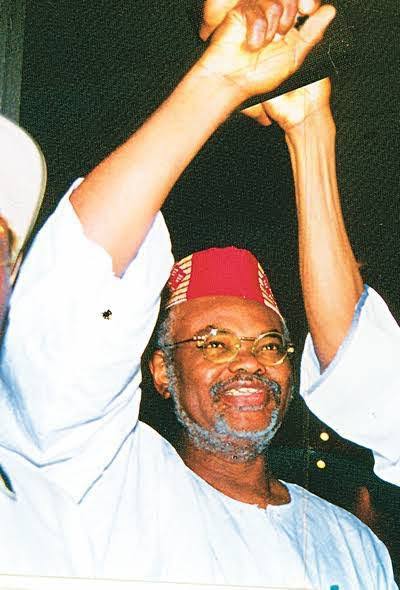
The Murder and Its Immediate Aftermath
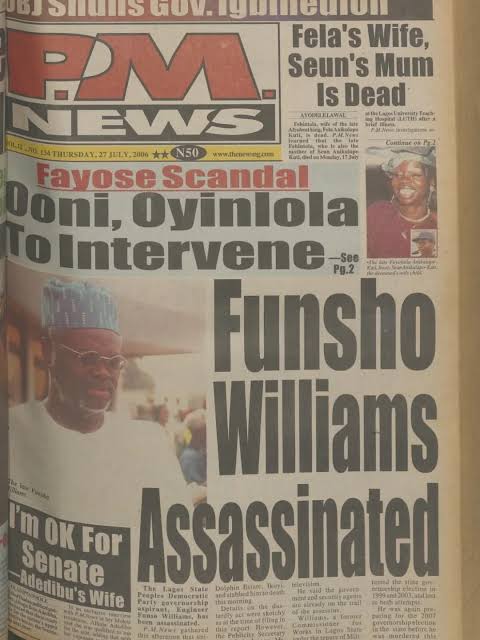
The morning of July 27, 2006, dawned with the shocking news of Williams’ death. His body was discovered in his Dolphin Estate residence, bound and gagged, with signs of multiple stab wounds. The brutality of the murder sent shockwaves through Lagos and the entire nation.
The police quickly launched an investigation, and within a day, two individuals were arrested in connection with the crime. One was Williams’ campaign manager, and the other was Senator Kingsley Adeseye Ogunlewe. The arrest of a prominent political figure like Ogunlewe added a layer of complexity to the case, raising questions about the involvement of high-ranking individuals in the murder .
Despite the arrests, the investigation faced numerous challenges. There were inconsistencies in witness testimonies, and the police struggled to gather concrete evidence linking the suspects to the crime. The media was rife with speculation, and public opinion was divided. Some believed the murder was politically motivated, while others suspected personal vendettas or business-related disputes.
Theories That Refused Closure
In the years following Williams’ death, various theories emerged regarding the motive behind the murder. Some speculated that his growing popularity posed a threat to established political figures, leading to his elimination. Others suggested that internal conflicts within the PDP contributed to the tragic event.
One prevailing theory was that Williams’ vision for Lagos, which included reforms that could disrupt existing power structures, made him a target. His commitment to transparency and accountability may have alienated those who benefited from the status quo.
Despite extensive investigations and public interest, no conclusive evidence emerged to support any of these theories. The lack of closure left many questions unanswered and fueled ongoing debates about the true reasons behind Williams’ assassination.
A City Haunted
Nearly two decades later, the murder of Funsho Williams remains an open wound in the history of Lagos politics. The city, which he sought to transform, continues to grapple with issues of governance, corruption, and political violence.
The absence of a definitive resolution to Williams’ murder has left a legacy of distrust in the political system. Citizens question the integrity of their leaders and the effectiveness of institutions meant to uphold justice.
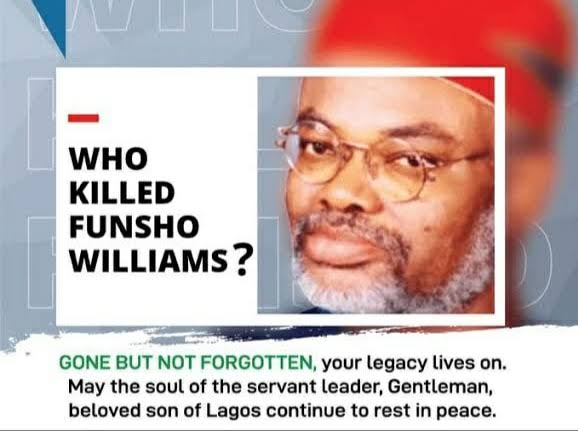
Moreover, the case serves as a stark reminder of the dangers faced by those who challenge entrenched power structures. Williams’ death underscores the risks associated with political ambition in a climate where dissent is often met with hostility.
Legacy and Lessons
Funsho Williams’ life and untimely death offer valuable lessons for the future of Nigerian politics. His commitment to public service, his vision for a better Lagos, and his tragic end highlight the challenges faced by reformists in a system resistant to change.
To honor his memory and contributions, it is essential to continue advocating for transparency, accountability, and justice. The unresolved nature of his murder should serve as a catalyst for reforms that ensure the safety of political figures and the integrity of the electoral process.
In reflecting on Williams’ legacy, one must consider the broader implications for Nigerian democracy. His story is not just about a man lost but about a system that failed to protect its own and the lessons that can be learned to prevent future tragedies.
Closing Reflection: The Shadows Never Rest
The murder of Funsho Williams remains one of Lagos’ greatest unsolved crimes, a haunting reminder of the perils of political ambition in a volatile environment. His death is a chapter in the city’s history that continues to evoke questions, stir emotions, and inspire calls for justice.
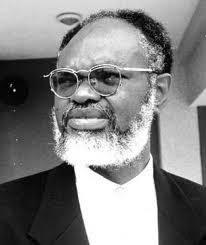
As Lagos moves forward, the memory of Funsho Williams should not fade into obscurity. His vision for a better, more transparent, and accountable Lagos lives on in the aspirations of those who continue to fight for the ideals he championed.
In the end, the shadows cast by his untimely death serve as a constant reminder of the need for vigilance, integrity, and a commitment to justice in the pursuit of a better future for all.
Discussion about this post