


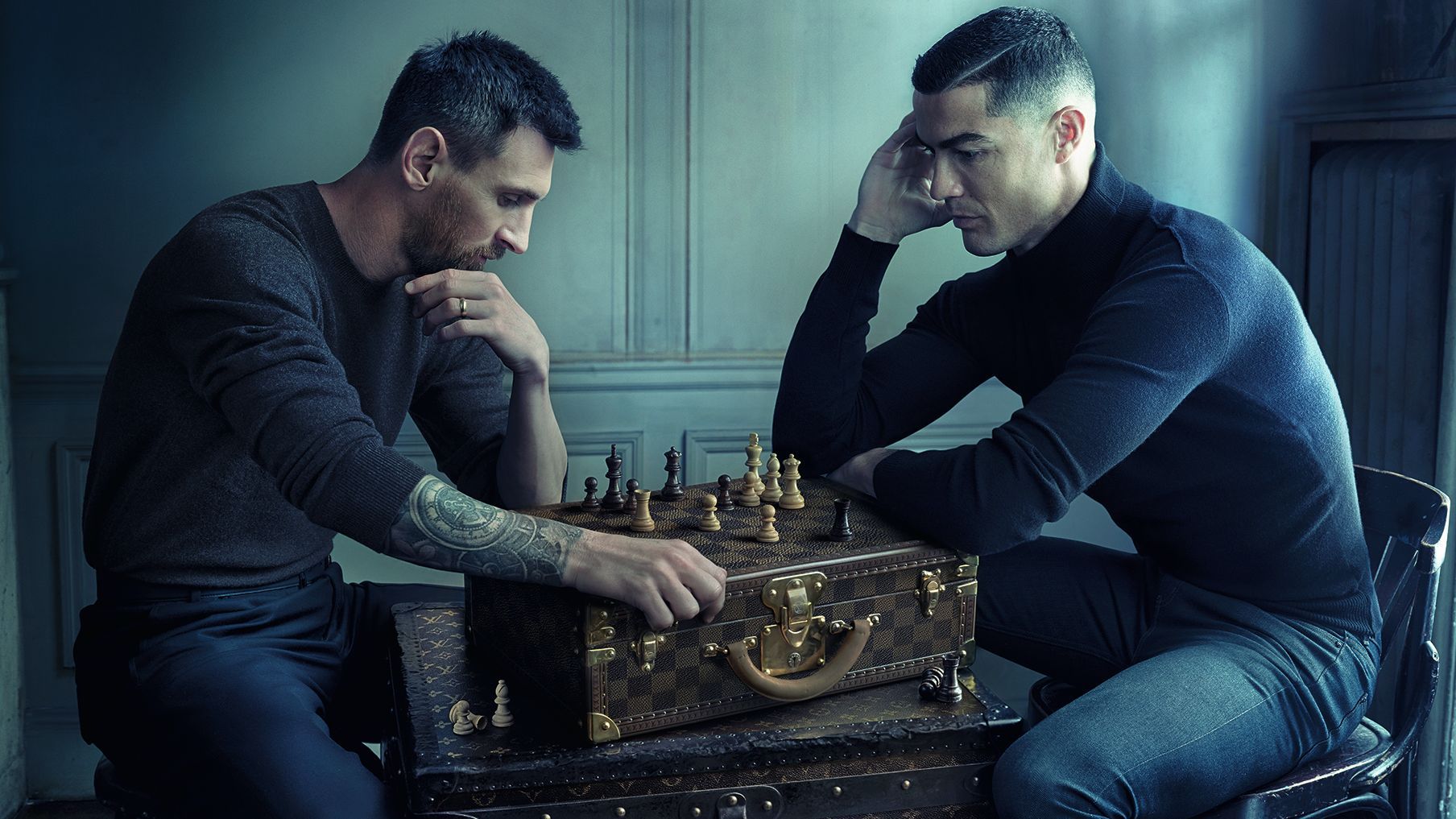

History has always chosen its rivalries with a kind of poetic cruelty. Athens had Sparta. Muhammad Ali had Joe Frazier. Magic had Bird. But in the twenty-first century, when football became the world’s common religion, two men emerged as the opposing saints of its altar. Lionel Messi and Cristiano Ronaldo were not meant to share the same era—such symmetry almost never happens in sport—but destiny threw them onto the same pitch, year after year, season after season, until their names became less about individuals and more about the sides people took in an endless debate.
It was not just football anymore. It was philosophy disguised as goals. Art versus power. Silence versus spectacle. One boy who grew up with a needle in his leg, his body fragile but his gift unearthly, and another who trained like a machine, sculpting himself into an athlete who bent nature to his will. From Barcelona to Madrid, from Champions League nights to Ballon d’Or stages, their rivalry grew into something so much larger than sport that it seeped into dinner tables, schoolyards, boardrooms, and even politics.
Fans argued with the fervor of loyalists defending their kings. Journalists built careers on comparing them. Brands turned their rivalry into a marketplace. And through it all, Messi and Ronaldo kept rewriting the same story in different fonts: who truly owned the game of their generation?
No war in football has lasted this long without blood, and yet this one is fought only with goals, trophies, and memories. It is the civil war that divides households, cities, nations—the kind that will never see a peace treaty, only a quiet respect between two men who somehow kept each other alive at the very top.
This is not a story of two giants side by side. It is a story of competition as creation: two men pushing each other, molding what it means to be the greatest.
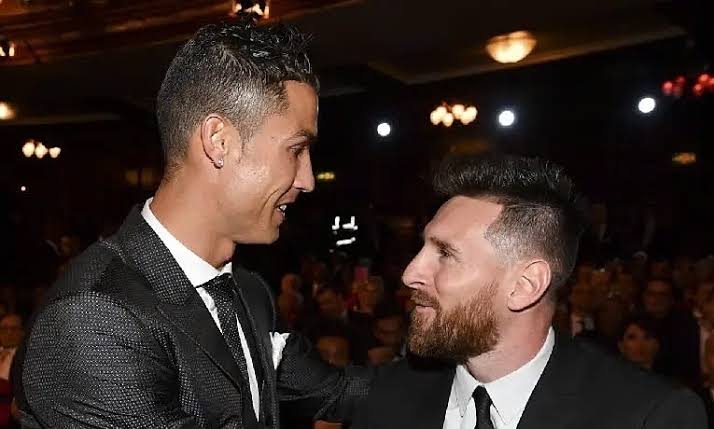
Early Lives and First Sparks
Lionel Andrés Messi was born on June 24, 1987, in Rosario, Argentina. He was the third of four children, a shy boy who rarely spoke but always carried a ball. At just 11 years old, doctors diagnosed him with growth hormone deficiency, a condition that threatened to end his dream before it truly began. His height stalled, his legs remained small. Treatment was costly—about $1,000 a month—and his family could not afford it.
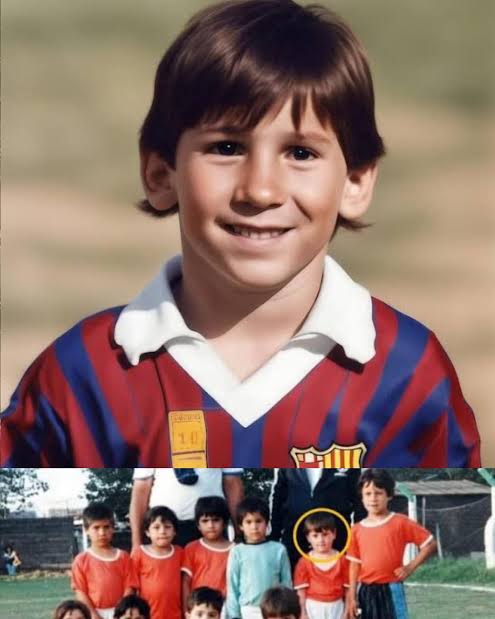
River Plate scouted him, admired his gift, but declined the financial burden. Then came FC Barcelona, who agreed to cover his medical treatment and invited the 13-year-old and his father to Spain. With a contract famously written on a napkin in December 2000, Messi’s journey began.
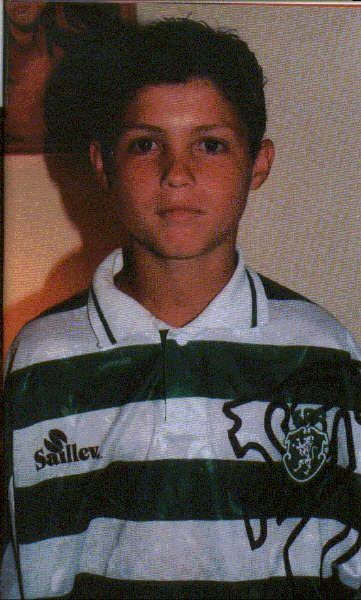
Cristiano Ronaldo dos Santos Aveiro was born on February 5, 1985, in Funchal, Madeira, Portugal. His childhood was marked by poverty—sharing a single room with siblings, helping his mother clean, and growing up in a modest home by the sea. His father worked at a local football club, which gave young Cristiano the chance to spend countless hours with a ball.
By 12, his talent had outgrown the island, and he moved alone to Lisbon to join Sporting CP. It was a painful separation from his family, but one that forged his independence. He trained relentlessly, building his body, pushing his stamina, until he became the kind of player coaches described as “obsessed.”
In these humble beginnings, the seeds of their rivalry were sown. Messi was nurtured by Barcelona, a family club that surrounded him with support. Ronaldo carved himself out of hardship, sculpting his body into a machine of football. Two stories, two paths, already destined to collide.
Diverging Styles: The Artist vs. The Athlete
From the earliest matches, their differences were glaring. Messi was a whisper, a magician. His low center of gravity, his ability to change direction without slowing, his uncanny vision—he played as if the ball were tied to his boots.
His dribbling was intimate, like a dance, slipping through defenders as if the ball had a mind of its own.
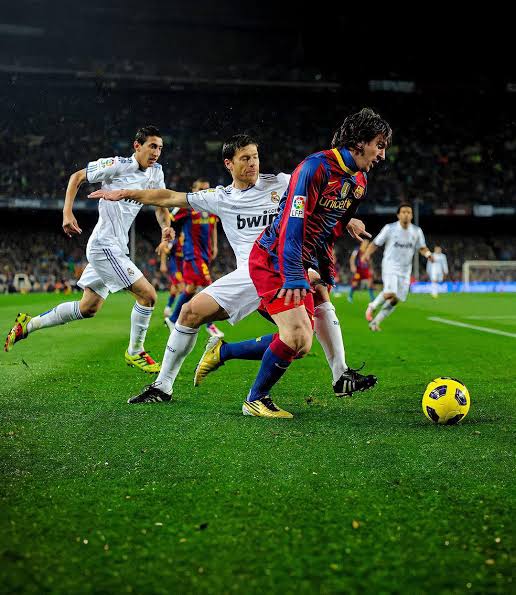
Ronaldo, on the other hand, was thunder. He was taller, stronger, faster. Where Messi slipped, Ronaldo soared. His vertical leap rivaled basketball players; his sprints tore through defenses; his shots struck like cannon fire. Where Messi saw spaces to weave into, Ronaldo carved them open with sheer force.
This contrast became the essence of the rivalry. Messi embodied artistry, intuition, and joy; Ronaldo embodied discipline, willpower, and athletic supremacy. Fans began to pick sides not just out of preference, but out of philosophy: did you value the painter or the gladiator?
The Clásico Battleground
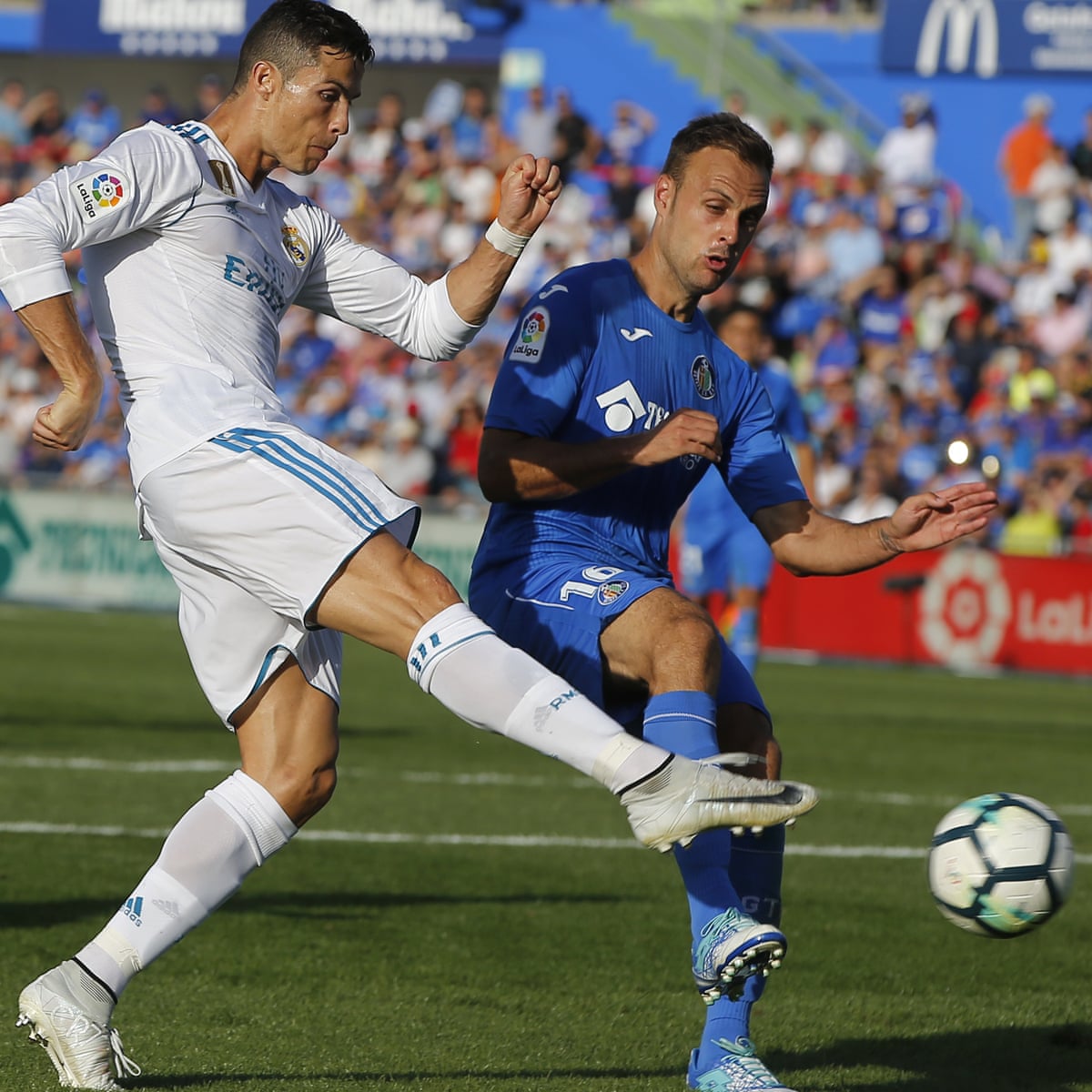
When Ronaldo signed for Real Madrid in 2009, the rivalry found its grandest stage. Spain became the epicenter of football, and La Liga transformed into a weekly referendum on greatness. Every El Clásico between Barcelona and Real Madrid carried a subtext: Messi vs Ronaldo.
The numbers from this era still echo with absurdity. Messi scored 474 goals in La Liga for Barcelona, the all-time record. Ronaldo, though arriving four years later and leaving earlier, scored 311 goals in La Liga, averaging over a goal per game. In head-to-head Clásico meetings, Messi scored 26 goals, the most in the fixture’s history, while Ronaldo scored 18.
But numbers alone do not capture the theater. When Messi scored a last-minute winner at the Santiago Bernabéu in 2017, he held up his shirt to the jeering Madrid crowd, a silent declaration of supremacy. When Ronaldo silenced Camp Nou with a powerful strike, he mimicked the gesture, spreading his arms wide as if to say: “Here I am.” These moments defined not just games, but eras.
Between 2009 and 2018, Messi and Ronaldo dominated world football so completely that they shared the Ballon d’Or eleven times in twelve years—Messi winning 7 of them during that span, Ronaldo 5. No other player could touch their orbit.
Head-to-Head Encounters
The rivalry was not only statistical but deeply personal. They faced each other 36 times in official matches. Messi’s teams won 16 of those encounters, Ronaldo’s won 11, with 9 draws. Messi scored 22 goals in those meetings, while Ronaldo scored 21. The balance was razor thin.
Yet, each duel seemed to intensify the myth. When one scored, the other often replied. When one celebrated triumph, the other used it as fuel. Fans debated endlessly: who performed better under pressure? Who carried more responsibility for their team? Who was truly indispensable?
The Race for Records
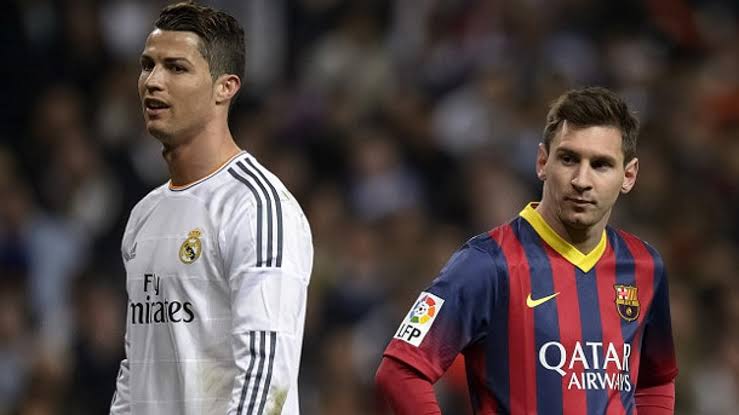
By the mid-2010s, football felt like a scoreboard constantly tilting between two men. Messi broke one record; Ronaldo responded with another.
Ronaldo became the all-time top scorer in the UEFA Champions League with 140 goals, while Messi followed closely with 129. Messi holds the record for most goals in a calendar year—91 in 2012—an achievement many argue may never be surpassed. Ronaldo, however, remains the only player to score in three Champions League finals, underlining his ability to deliver on the grandest stages.
Messi has collected 8 Ballon d’Ors, the most in history. Ronaldo has 5, but his case rests on winning league titles in England, Spain, and Italy—something Messi never attempted until his late-career move to PSG and then MLS.
In terms of club trophies, Messi has 44 major honors, including 10 La Liga titles and 4 Champions Leagues. Ronaldo holds 35, including 3 Premier Leagues, 2 La Ligas, 2 Serie A titles, and 5 Champions Leagues. Messi’s numbers lean toward domestic dominance and artistry; Ronaldo’s toward versatility and European conquest.
International Struggles and Redemption
For years, both were criticized for failing to replicate club success with their national teams. Messi endured heartbreak after heartbreak—losing finals at Copa América in 2007, 2015, and 2016, and the World Cup final in 2014. Ronaldo suffered early exits with Portugal and missed most of the Euro 2016 final due to injury.
But redemption arrived. Ronaldo lifted the European Championship in 2016, his country’s first major international trophy, and added the UEFA Nations League in 2019.
Messi, after years of despair, finally lifted Copa América in 2021, defeating Brazil in the Maracanã. Then came his crowning glory: the 2022 FIFA World Cup in Qatar, where he led Argentina to victory, scoring 7 goals and winning the Golden Ball.
These triumphs reshaped the rivalry. Messi now had the World Cup, the one prize Ronaldo lacked. Ronaldo, however, remained the talisman who carried Portugal further than many thought possible.
The Aging Era: Longevity and Reinvention
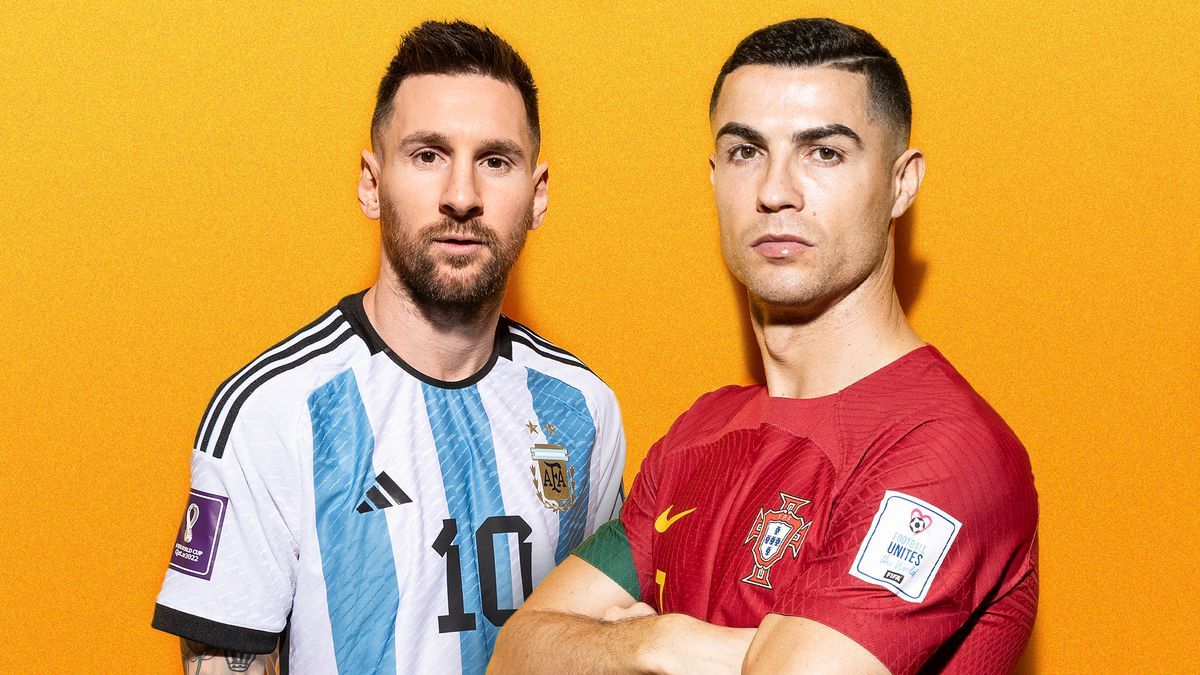
As they entered their mid-30s, questions of decline surfaced. But both refused to fade quietly. Ronaldo adapted his game, shifting from winger to striker, relying on positioning and finishing rather than pace. Messi dropped deeper, orchestrating attacks, creating as much as he scored.
Even in their twilight, their numbers astound. Ronaldo has scored over 900 career goals, Messi over 800. Both continue to add to their tallies well into their late thirties, defying the usual arcs of athletic careers.
Cultural and Commercial Wars
Their rivalry has extended far beyond the pitch. Ronaldo, with over 600 million Instagram followers, is the most followed athlete on the planet, leveraging his image into endorsements with Nike, CR7-branded products, and global campaigns.
Messi, quieter but equally influential, represents Adidas and countless other brands, with his move to Inter Miami in 2023 sparking unprecedented attention for Major League Soccer.
Fanbases mirror this split. Ronaldo fans champion hard work, fitness, and mental toughness. Messi’s fans praise natural talent, humility, and artistry. The debates rage daily online, in pubs, in stadiums, and in living rooms across continents.
Legacy and the Eternal Civil War
By 2025, their legacies are intertwined in ways statistics alone cannot capture. Messi’s 8 Ballon d’Ors, 44 major trophies, and World Cup win place him at the peak of collective honors. Ronaldo’s 5 Ballon d’Ors, 35 major trophies, 5 Champions Leagues, and record 140 Champions League goals cement him as football’s ultimate competitor.
The debate is eternal. Some will argue that Messi’s artistry and World Cup triumph make him the undisputed greatest. Others will point to Ronaldo’s adaptability, his relentless goal-scoring, and his impact across multiple leagues as proof that he stands taller. The truth is that the question itself misses the point.
Without Ronaldo, Messi’s career might have felt like a masterpiece admired in solitude. Without Messi, Ronaldo’s career might have felt like a relentless climb with no summit worth reaching. They needed each other—not as friends, but as rivals who sharpened each other’s steel.
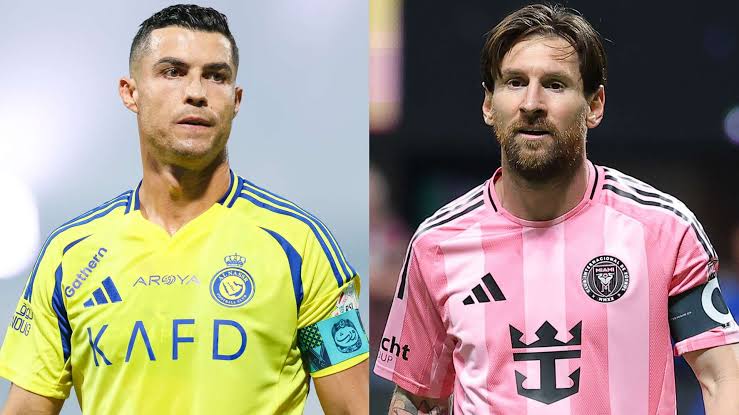
Summing It All Up
The eternal civil war of football is not about victory or defeat. It is about how two men, born thousands of miles apart, turned a sport into a narrative that transcended time and geography. They defined an era not by who won more, but by how they forced us to watch, to argue, to feel.
Perhaps one day, history will tilt the scales and crown one above the other. But for now, the beauty lies in the question itself. Messi and Ronaldo are not just players; they are the duel that redefined greatness.
And as long as football exists, their shadows will remain, locked in eternal combat, forever inseparable.
Discussion about this post