


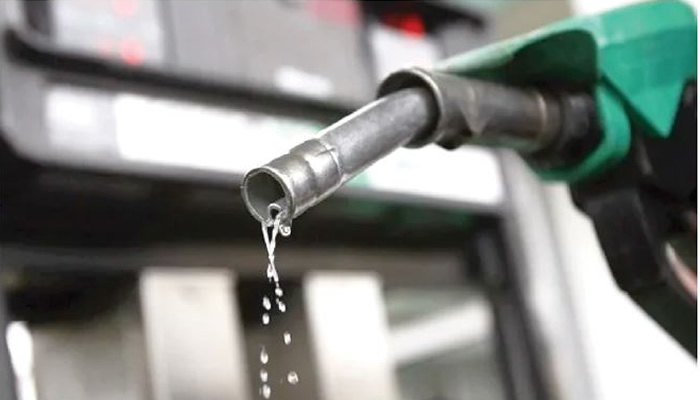

The fallout of Tinubu’s removal of subsidy on petrol is achingly akin to the devastating consequences of the structural adjustment programmes (SAP) implemented in the mid-1980s under the regime of the then military head of state, General Ibrahim Badamasi Babangida.
Subsidies on petrol and foreign exchange have been touted as an albatross to Nigeria’s economic growth. The removal of these subsidies, according to some experts and foreign creditors, will kick-start Nigeria’s journey to Eldorado. For years, the argument for and against the removal of subsidies has mostly been shaped by the socio-economic conditions and political leanings of those advancing the arguments. For example, in 2012, when the former president, Goodluck Jonathan, moved to remove petrol subsidy, the people in power today, who were in opposition at the time, vehemently opposed the removal and rallied Nigerians to aggressively push against the removal of subsidy on petrol. For over a week, the country was on lockdown as protests and public demonstrations over the government’s move brought economic and commercial activities to a halt.
Interestingly, 2012 would have been the best time to yank the petrol subsidy as the economy was on a strong and sound footing to withstand the shock and fallout of the decision. The opposition at the time knew this, but instead of supporting the then government’s move, they decided to not only capitalise on the anger of citizens, but also on the intense and volatile atmosphere around the nation to advance their own nefarious political objectives. After nearly two weeks of protests that almost crippled the economy and almost brought the nation to its knees, the Jonathan government made some concessions and acquiesced to the demand of the protesters, subsequently shelving the subsidy removal decision.
But that was over a decade ago and things have changed. Many Nigerians who opposed the removal of subsidy with an open mind, clear conscience and conviction that they were doing the right thing for their country have since realised that they were pawns on the political chessboard of some perverse and unscrupulous elements. The petrol subsidy removal that was ferociously and militantly opposed in 2012 has since been grudgingly accepted and warmly embraced over a decade later under even harsher and more disconcerting conditions. After years of industrial-level propaganda and widespread bigotry, the zeal of Nigerians to oppose the removal of petrol subsidy again by the very people who were against it in 2012 has evaporated.
On May 29 2023, President Bola Tinubu announced the removal of subsidy on petrol and the exchange rate during his swearing-in. The two subsidy schemes have long been considered a drain on the nation’s lean resources, and their removal, some experts say, will free up funds to be spent on other critical areas of the economy and, in turn, herald a new era of economic prosperity. But that is not to be. What happened instead is galloping inflation and an unprecedented cost-of-living crisis. The fallout of Tinubu’s removal of subsidy on petrol is achingly akin to the devastating consequences of the structural adjustment programmes (SAP) implemented in the mid-1980s under the regime of the then military head of state, General Ibrahim Badamasi Babangida.
The SAP policy under Babangida and the unilateral removal of subsidies on petrol and foreign exchange under Tinubu were rooted in neoliberalism political and economic ideology that gained traction in Europe and the United States in the mid-1980s and was foisted on developing countries. Nigeria is one of the countries that was compelled to embrace neoliberalism by the International Monetary Fund (IMF) as one of the conditions developing countries must satisfy to receive loans from the IMF and the World Bank. At the core of neoliberalism is the liberalisation of an economy through the privatisation of state-owned companies and public enterprises. It also includes the removal of government subsidies and intervention on critical items and infrastructure that hasten the growth of the economy and make people’s lives better. In other words, the government has no business in business.
On Sunday, the renowned and seasoned legal luminary, Femi Falana, railed against neoliberalism, stating that it’s dangerous for the Nigerian economy as the disadvantages far outweigh the advantages. Falana, who spoke on Channels Television’s Politics Today, disclosed that the petrol subsidy removal was not in Nigeria was not a domestic policy choice. Imposed, just like the SAP, on the country by the World Bank and the IMF. According to Falana, “There’s no way you can remove subsidies completely; no country in the entire world has abolished subsidies completely. Even leading Western countries like the United States, the United Kingdom, France and others subsidise electricity, agriculture and many aspects of people’s lives.”
Falana’s viewpoint and submission deftly fed into the popular narrative in some quarters that removing the subsidy was a terrible decision. He faulted the notion that the government needed to remove the subsidy on petrol for economic growth without tackling the underlying issue that necessitated the removal of the subsidy in the first place: corruption. Every nation that is serious about building a strong and prosperous economy with a critical mass of thriving Middle class must subsidise energy for its people. Affordable and reliable energy is the bedrock of industrialisation. Many developed and prosperous nations understand this basic economic tenet and that’s who spend millions on subsidising energy to keep it within the affordability threshold of their citizens.
Furthermore, the idea that neoliberalism, which has been cited as the leading cause of economic stagnation and lack of industrialisation in developing nations, is the silver bullet to economic growth has been demystified by the success of largely socialist and state-controlled capitalist market nations like China. They have shown that the government has business in business and that surrendering your economy to market forces is a recipe for disaster.
The market on its own cannot successfully fund and maintain social interventions and mega infrastructural projects of a certain size, especially in developing economies. The state remains the only source for comprehensive and transformative investment in most parts of Africa. The focus now should be how to put in place a proper deterrence mechanism that will dissuade the people in government who will want to leverage the state’s involvement in the economy to embezzlement public funds, inflate budgets and distort the economy with state capture.
The closest thing we have to an answer for that is China, which has successfully won the economic argument by showing how corruption can be managed within a system of state-led capitalism to become the biggest economy on earth. If it can be done in China, then we also can do it through sheer will, vision and long-term planning of selfless and nationalistic leaders that will ditch blind and wholesale implementation of destructive neoliberal economic policies for altruistic, people-oriented and socialist-centric policies that are tailored to our peculiar reality and aimed at solving our challenges. Like they say, it is not rocket science.
Discussion about this post