



The city of Abuja woke that morning under unusual quiet. Street vendors arranged their goods cautiously, and motorists moved with restraint, aware of the national anticipation. Social media was filled with discussions, updates, and rumors about the presidential run-off.
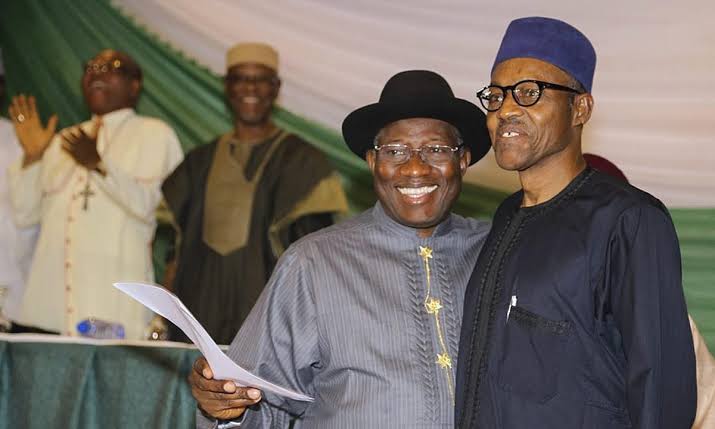
Nigeria was preparing for one of the most critical moments in its democratic history: the run-off between incumbent President Goodluck Jonathan and opposition candidate Muhammadu Buhari. The tension was palpable. Citizens, election officials, political actors, and international observers all watched, understanding that logistical failures or political disputes could derail the entire process.
This election was more than a contest for power; it was a test of the country’s democratic institutions, electoral infrastructure, and public trust.
Setting the Stage: Nigeria on the Edge
By early 2015, the political landscape of Nigeria was highly polarized. The Peoples Democratic Party (PDP) had been in power since 1999, and public dissatisfaction with corruption, economic stagnation, and insecurity was widespread. The All Progressives Congress (APC), led by Muhammadu Buhari, positioned itself as an alternative, emphasizing anti-corruption measures and promises of reform.
Regional and ethnic dynamics played a significant role. Buhari had strong support in the North, while Jonathan maintained a base in the South. The middle belt and urban centers were divided, reflecting a broader national tension about governance and representation.
Past elections, often marred by irregularities, had left voters cautious. Trust in the Independent National Electoral Commission (INEC) was fragile, and citizens braced for possible complications in the run-off.
The Anatomy of a Run-Off
A run-off was necessary because no candidate received more than 50% of votes nationwide in the general election. INEC’s responsibility was to ensure the distribution of ballots, deployment of polling staff, and secure transmission of results across 36 states and hundreds of local government areas.
Despite detailed planning, logistical challenges were evident. Ballot materials needed timely delivery, electronic transmission systems were not fully tested, and election staff faced fatigue and pressure. Each step carried the potential to affect the credibility and timing of the process.
Voter engagement was a critical factor. Citizens had to navigate logistical barriers and security concerns while exercising their right to vote, highlighting the complex coordination required for a successful run-off.
Chaos in the Capitals: Abuja and Beyond
As the run-off approached, major cities experienced heightened tension. Abuja had extensive security checkpoints, while Lagos and Port Harcourt observed increased police and military presence. Rumors about delays or unrest circulated widely through social media and local broadcasts.
Voters faced challenges in accessing polling stations due to long lines, transportation difficulties, and uncertainty. Some urban residents hesitated to leave their homes, while rural voters contended with the delayed arrival of ballots.
Despite these challenges, citizens persisted. Teachers, students, and ordinary workers took active roles in ensuring that votes were cast, reflecting the nation’s determination to participate in the democratic process.
Postponement: A Nation on Hold
The election, originally scheduled for February 14, 2015, was postponed by INEC to March 28, 2015. The commission cited logistical challenges, including delays in distributing election materials, and security threats in states affected by Boko Haram insurgency, particularly in the Northeast.
The announcement sparked immediate debate across Nigeria. Political parties reacted sharply: the opposition APC welcomed the delay as a chance to organize, while the incumbent PDP expressed concerns about voter anxiety and potential manipulation. Social media and traditional media were flooded with speculation, rumors, and commentary, increasing public uncertainty.
Citizens reacted in varied ways. Some were relieved, hoping the postponement would allow for a more organized election. Others expressed frustration, worrying that the delay could compromise voter turnout or the fairness of the process. Markets slowed, civil society groups mobilized for voter education, and international observers monitored developments closely, emphasizing the need for transparency and adherence to democratic principles.
The postponement created both practical and psychological challenges. Schools, workplaces, and transport networks had to adjust, while voters and election staff faced an extended period of uncertainty. For INEC, the delay meant an intensified focus on logistics, training, and security coordination to ensure that the rescheduled election could be conducted credibly.
Election Day: Voting Across Nigeria
On March 28, 2015, the rescheduled presidential run-off commenced. Polling stations opened across the country, and millions of Nigerians went to the polls. INEC deployed additional staff and security personnel to minimize the risk of disruption, particularly in previously insecure areas.
Despite preparations, logistical challenges persisted. Some polling units experienced late delivery of ballots, equipment malfunctions, and long queues, especially in urban centers. Election officials worked to ensure ballots were counted accurately, and security forces were stationed to maintain order.
Voters demonstrated resilience. Citizens in Kano, Lagos, Enugu, and other cities navigated long lines, extreme heat, and crowded conditions to cast their votes. Women, youth, and rural voters played critical roles in determining participation rates, ensuring that the democratic process reached across the nation’s diverse population.
The First Sign of Trouble: Delays and Disputes
INEC experienced internal disagreements about logistics and staffing, resulting in delays in announcing the run-off schedule. Legal petitions followed from both APC and PDP, each questioning the commission’s impartiality and readiness.
Media coverage amplified public concern, sometimes reporting unverified claims that contributed to uncertainty. Citizens were left uncertain about the timing and feasibility of the run-off, reflecting the fragile trust in the electoral process.
Behind Closed Doors: Political Chess
Political strategy sessions intensified in private offices of APC and PDP leaders. Parties monitored security reports, logistical updates, and potential legal challenges.
Election officials faced pressure from political actors, while international observers, including representatives from ECOWAS and the United Nations, monitored the process to ensure compliance with democratic standards.
Reports emerged of isolated incidents of intimidation or attempted manipulation at some polling units, though there was no evidence of widespread disruption.
Voter Stories: Courage Amid Fear
Ordinary Nigerians demonstrated determination despite obstacles. In Kaduna, a schoolteacher ensured that elderly voters could reach polling stations. In Lagos, young professionals navigated congested streets to cast their ballots. Women across several states overcame social and cultural barriers to participate.
These accounts illustrate the central role of citizens in sustaining democracy. Their participation under challenging circumstances emphasized the human commitment that underpinned the electoral process.
Collating Votes and Reporting
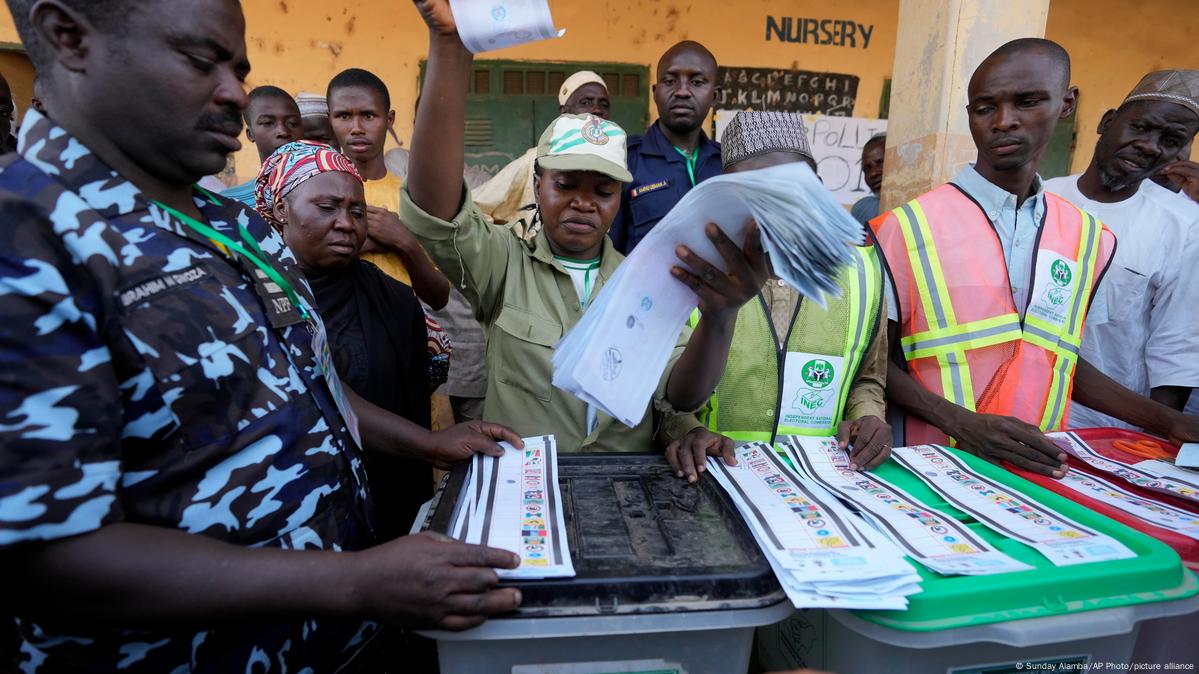
After polling ended, INEC faced the complex task of collating votes. The commission used a combination of manual counting and electronic transmission from polling units to central collation centers.
Some technical issues occurred, with delays in transmitting results from remote areas. Election staff verified counts manually where electronic systems failed, extending the time required for preliminary results. Meanwhile, journalists, civil society organizations, and international observers monitored developments to ensure transparency.
Public patience was tested as updates arrived slowly, but INEC emphasized accuracy over speed. Both political parties prepared for possible disputes, filing petitions where discrepancies were suspected or delays were significant.
Security Measures and Oversight
Security forces played a key role in maintaining order during the postponed election. Police, military, and civil defense units were deployed nationwide, particularly in regions with histories of violence or electoral disruption.
Reports indicate that security personnel managed to prevent major outbreaks of violence. Isolated incidents of intimidation or minor clashes occurred but were contained, allowing voters to access polling stations. International observers highlighted the importance of security coordination in ensuring the credibility of the rescheduled election.
The Waiting Period: Public Anxiety
After voting concluded on March 28, 2015, Nigerians faced several days of uncertainty while awaiting the official results. INEC officials processed and verified vote counts from thousands of polling units nationwide. Delays in transmitting results from remote areas, combined with intense media coverage, contributed to public anxiety.
Citizens across urban and rural areas followed developments closely. In Lagos, office workers gathered around television screens to track updates, while in northern villages, elders convened in community spaces to discuss the progress of the election. Social media amplified public scrutiny, with constant updates, rumors, and clarifications shaping the perception of transparency and credibility.
During this period, political parties monitored results closely. APC supporters expressed cautious optimism, while PDP supporters questioned delays and called for vigilance against potential discrepancies. Civil society organizations emphasized the importance of patience and adherence to democratic processes, urging citizens to respect official announcements.
Announcement of Official Results
On March 31, 2015, INEC officially declared Muhammadu Buhari the winner of the presidential election, defeating incumbent Goodluck Jonathan. Buhari received over 15 million votes, compared to Jonathan’s over 12 million, securing a clear majority across the country.
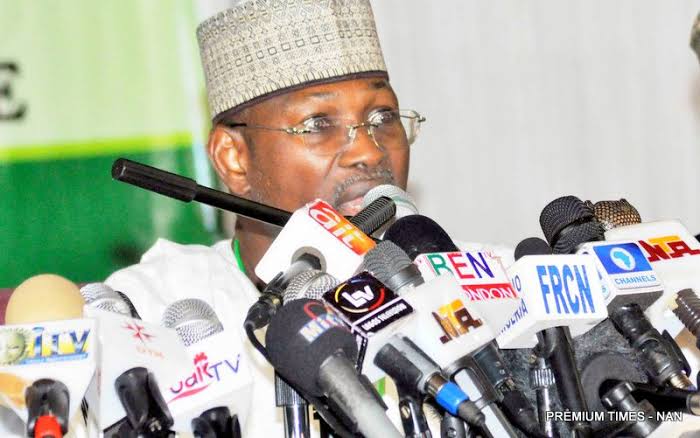
The announcement marked a historic transition in Nigeria’s democracy: an incumbent president was defeated in a relatively free and credible election. International observers from ECOWAS, the UN, and other organizations commended INEC for managing the complex logistics and highlighted the resilience of Nigeria’s democratic institutions despite the postponement.
Both political parties responded with legal and procedural challenges in select regions, but the results stood, cementing Buhari’s victory and paving the way for the new administration to assume office on May 29, 2015.
Public and Political Reactions
The public response to the results reflected Nigeria’s diversity and political polarization. In APC strongholds, jubilant supporters celebrated peacefully, organizing rallies, street gatherings, and communal events. In PDP-leaning areas, citizens expressed disappointment and concerns about future governance, yet widespread unrest was avoided.
Political analysts noted that the election demonstrated an evolving democratic culture in Nigeria. Citizens’ willingness to participate, despite the postponement and logistical challenges, indicated growing trust in the electoral process. Civil society organizations emphasized the importance of continued vigilance, accountability, and engagement in future elections.
International reactions reinforced Nigeria’s democratic progress. Governments and organizations around the world highlighted the peaceful transition of power as a positive development in Africa’s largest economy and most populous nation.
Lessons Learned and Legacy
The 2015 presidential election left lasting lessons for Nigeria:
1. Electoral Preparedness: INEC recognized the importance of logistical planning, voter education, and secure transmission of results to prevent future postponements.
2. Security Coordination: Collaboration between electoral officials and security forces proved essential to ensure safe and orderly voting.
3. Citizen Engagement: Nigerians’ determination to vote under challenging circumstances underscored the critical role of civic participation in sustaining democracy.
4. Transparency and Observation: Independent domestic and international observers contributed to credibility and accountability, setting a precedent for future elections.
The postponement, while controversial, highlighted the complexities of conducting elections in a large, diverse, and security-challenged country. It also underscored the resilience of both the population and democratic institutions in navigating unprecedented challenges.
Final Thoughts : Nigeria’s 2015 Election Outcome
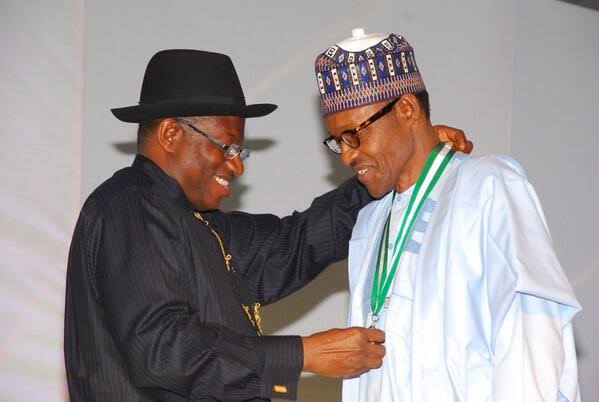
The 2015 Nigerian presidential election, postponed by six weeks, was a defining moment in the country’s democratic history. It tested the capacity of INEC, the resilience of citizens, and the integrity of political institutions. Despite delays, logistical challenges, and heightened public scrutiny, Nigeria successfully conducted a credible election that resulted in a peaceful transfer of power.
The election demonstrated that democracy in Nigeria relies on both robust institutions and the active participation of its citizens. Voter engagement, adherence to procedural safeguards, and effective coordination among stakeholders ensured the legitimacy of the outcome.
Ultimately, the 2015 election reinforced the principle that Nigeria’s democracy, though challenged, could withstand uncertainty and logistical hurdles, setting a benchmark for future elections in Africa’s largest democracy.
Discussion about this post