


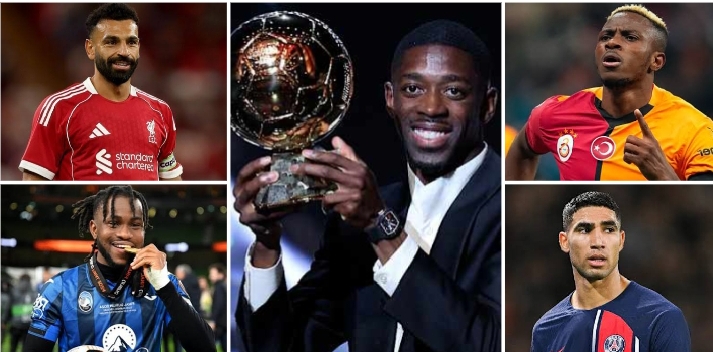

The Ballon d’Or spins quietly, a weightless orbit of ambition, expectation, and legacy. For decades, its path has traced Europe and South America, leaving Africa to watch, to hope, to dream.
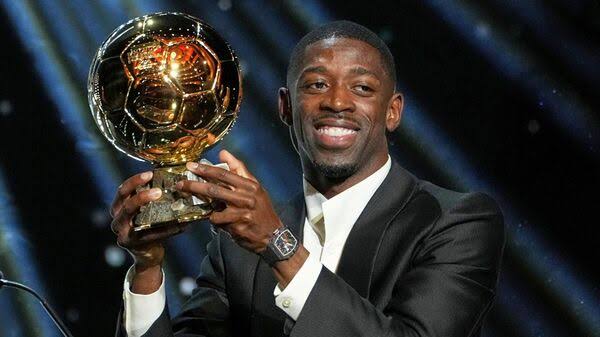
Yet even from the shadows, its trajectory has been stirred by players whose roots trace back to the continent—most recently, Ousmane Dembélé, a French star of African descent, whose brilliance reminded the world that heritage and talent can intersect at the highest level.
Across cities and academies from Lagos to Casablanca, from Accra to Dakar, a new generation rises. They carry not only skill, speed, and precision but also the stories, struggles, and aspirations of millions. The world sees flashes of their talent, but the full narrative remains just beyond reach, waiting to crystallize under the unforgiving glare of global scrutiny.
Recognition is never given—it is wrested from circumstance, perception, and timing. The Ballon d’Or does not simply measure performance; it measures resonance, influence, and the power to shape history.
For Africa, the question is electric, unspoken, and immense: when will its stars command the ultimate stage, and who will lift the prize that has so often eluded them?
The answer remains uncertain. But in 2025, the continent edges closer than ever before, and every sprint, strike, and surge toward goal pulses with the possibility of rewriting football’s horizon.
Ballon d’Or: A Legacy of Excellence
The Ballon d’Or, established in 1956, has been awarded annually to the world’s best male footballer. Over the decades, certain players have distinguished themselves with multiple wins, underscoring their dominance in the sport.
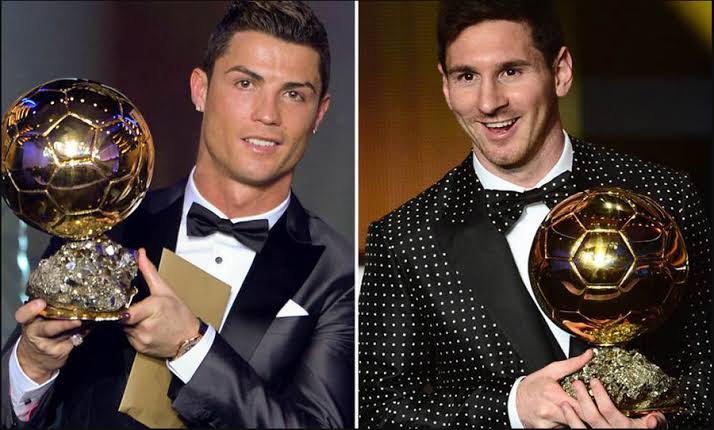
Lionel Messi: The Pinnacle of Achievement
Total Wins: 8 (2009, 2010, 2011, 2012, 2015, 2019, 2021, 2023)
Notable Streaks: Four consecutive wins from 2009 to 2012
Clubs Represented: FC Barcelona, Paris Saint-Germain, Inter Miami
Achievements: Messi’s record includes numerous domestic titles, UEFA Champions League victories, and individual accolades, solidifying his status as one of the greatest footballers of all time.
Cristiano Ronaldo: A Close Contender
Total Wins: 5 (2008, 2013, 2014, 2016, 2017)
Clubs Represented: Manchester United, Real Madrid, Juventus, Al Nassr
Achievements: Ronaldo’s career is marked by prolific goal-scoring, multiple league titles, and Champions League successes, making him one of the most accomplished players in football history.
Michel Platini: Dominance in the 1980s
Total Wins: 3 (1983, 1984, 1985)
Club Represented: Juventus
Achievements: Platini’s era was characterized by his exceptional playmaking and leadership, leading France to European Championship glory and Juventus to domestic and European titles.
Johan Cruyff: The Architect of Total Football
Total Wins: 3 (1971, 1973, 1974)
Clubs Represented: Ajax, Barcelona
Achievements: Cruyff revolutionized the game with his vision and intelligence, influencing both Ajax’s and Barcelona’s tactical philosophies.
Other Notable Multiple Winners
Marco van Basten: 3 wins (1988, 1989, 1992)
Franz Beckenbauer: 2 wins (1972, 1976)
Karim Benzema: 1 win (2022)
Rodri: 1 win (2024)
Ousmane Dembélé: 1 win (2025)
Dembélé’s 2025 Triumph: Setting the Stage
Before examining Africa’s 2026 contenders, it is impossible to ignore the landmark Ballon d’Or outcome of 2025. Ousmane Dembélé, representing France but of African descent, clinched the golden ball after a phenomenal season with PSG, where he scored 35 goals and provided 14 assists across all competitions. Dembélé’s individual brilliance, combined with PSG’s quadruple—Ligue 1, Coupe de France, UEFA Champions League, and UEFA Super Cup—solidified his position atop world football.
The top five in the 2025 Ballon d’Or ranking were:
1. Ousmane Dembélé (France, PSG)
2. Lamine Yamal (Spain, Barcelona)
3. Vitinha (Portugal, PSG)
4. Mohamed Salah (Egypt, Liverpool)
5. Raphinha (Brazil, Barcelona)
Dembélé’s triumph highlights a dual narrative: while European players dominate the award, African heritage is increasingly recognized at the highest level. For African-born stars, this represents both inspiration and a blueprint—elite performance, continental visibility, and media amplification can converge to create Ballon d’Or-worthy narratives
George Weah: Africa’s Lone Summit
In 1995, George Weah did more than win the Ballon d’Or—he etched Africa’s name into a list that had long been exclusively European. He remains, to this day, the only African player to claim football’s most coveted individual prize, a solitary figure atop a summit that others from the continent have climbed toward but never reached.
Weah’s journey was a story of gravity and flight. From the dusty pitches of Monrovia to the roaring stadiums of Serie A, each step carried the weight of a continent’s hope. His goals were not just numbers on a score sheet; they were proclamations, affirmations that African talent could rival, and even surpass, the finest Europe had to offer. Watching him play was like witnessing a river carving through stone—powerful, relentless, and impossible to ignore.
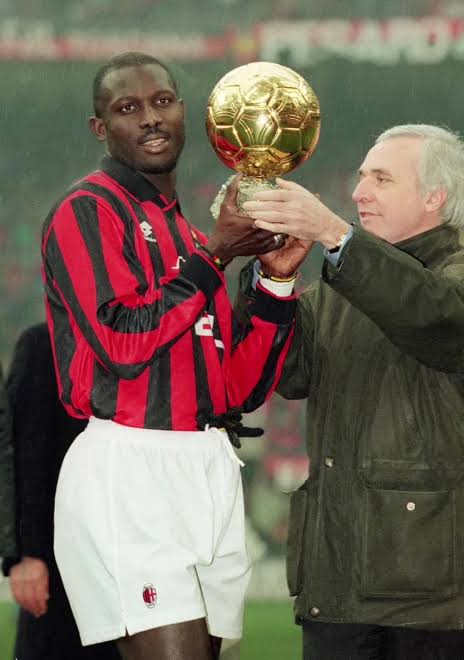
That 1995 triumph did more than crown an individual; it became a mirror for millions of young African players, showing that the golden summit of football, though distant and steep, was not forever out of reach. Yet the fact that, nearly three decades later, no other African has followed in his footsteps, underscores both the brilliance of his achievement and the barriers still faced by the continent’s best.
Weah’s victory was a flare in the night sky, illuminating a path across continents and generations. It was a declaration that Africa’s heartbeat could resonate in the highest echelons of world football—and a reminder that while one man reached the summit, countless others continue to strive, balancing skill, resilience, and recognition in a system slow to acknowledge them.
Africa’s Near-Misses: Lessons from the Past
The Ballon d’Or has long been a distant dream for African players, not because the talent was absent, but because history has favored certain geographies. George Weah’s 1995 triumph was a rare exception, a singular flash that illuminated the continent on the global stage. Yet after that, African brilliance often went unrecognized. Samuel Eto’o, Didier Drogba, Yaya Touré, and Sadio Mané—all transcendent figures—came agonizingly close but never captured the golden orb.
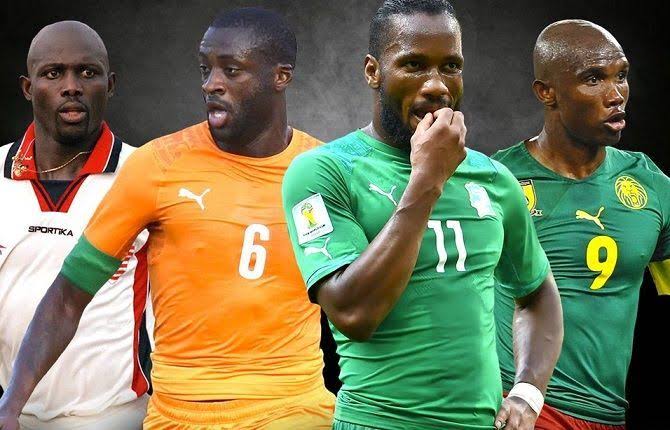
Why? One factor is timing. Eto’o’s peak coincided with periods dominated by Messi and Ronaldo, whose media coverage and European club dominance overshadowed almost everyone else. Drogba’s global narrative was equally complicated; he embodied the heart of African football yet played in a Premier League landscape that prioritized attacking flair over a striker’s full-bodied contributions.
Even Mané, whose 2019–2020 Liverpool season was historic, was evaluated against narratives entrenched in Eurocentric media cycles.
These near-misses offer more than frustration—they are lessons. African players have consistently proven their technical, tactical, and mental excellence. What has been missing is the convergence of peak performance, narrative visibility, and global acknowledgment.
African Top Stars in 2025: Profiles and Potential
Victor Osimhen (Nigeria, Galatasaray)
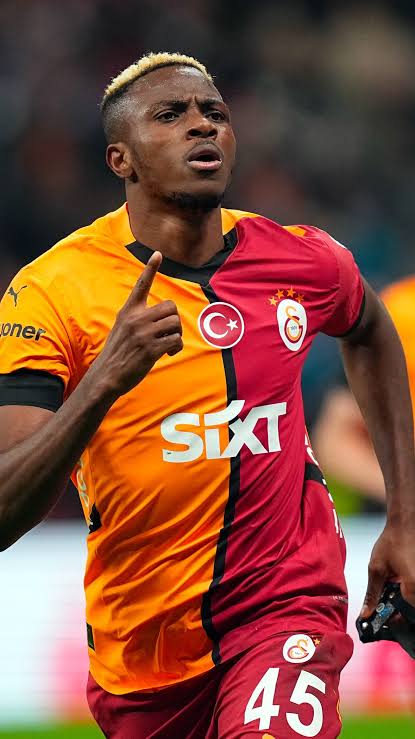
Osimhen’s 2025 season in Istanbul reads like a story of rebirth. At Galatasaray, he has become the heartbeat of a team hungry for domestic glory and continental relevance. Over 20 goals by mid-season, combined with precise finishing, intelligent positioning, and aerial dominance, place him among Europe’s elite forwards.
Each strike seems to echo beyond the pitch, carrying the weight of Nigeria’s expectations. His resilience—navigating injuries, cultural transitions, and media scrutiny—adds depth to his candidacy. Osimhen is not just a scorer; he is a narrative force.
Ademola Lookman (Nigeria, Atalanta)
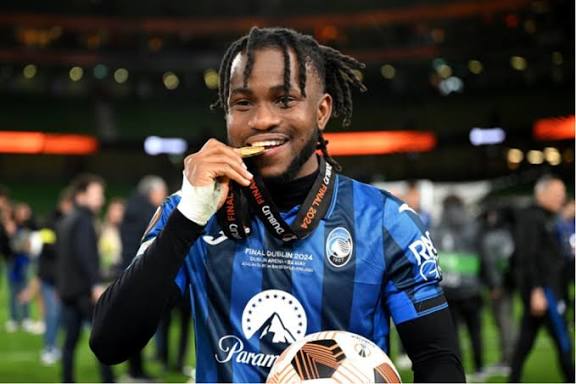
Lookman’s 2025 campaign at Atalanta demonstrates Africa’s next-generation versatility. With double-digit goals and assists, plus high dribble completion and key-pass statistics, he is instrumental in unlocking Serie A defenses.
Lookman drifts, cuts inside, and orchestrates attacks with tactical intelligence, proving that African talent can thrive in technically demanding leagues. His performances challenge traditional assumptions, showing that brilliance in leagues like Serie A is sufficient to compete for global recognition.
Mohamed Salah (Egypt, Liverpool)
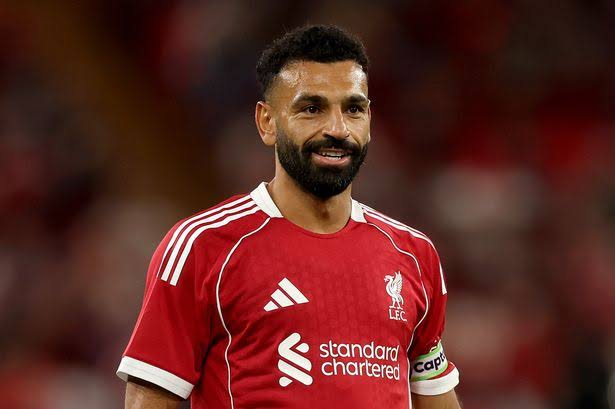
Salah remains Africa’s most consistent contender. In 2025, he continues to combine blistering pace, clinical finishing, and leadership in Liverpool’s attacking machine. Beyond goals and assists, Salah’s influence lies in his ability to dictate the tempo, deliver in high-pressure moments, and inspire teammates—a narrative of longevity and resilience.
His 4th-place finish in the 2025 Ballon d’Or underscores both his enduring excellence and the rising recognition of African players at the highest level. At 32, Salah balances peak performance with the creeping shadow of age, crafting a story of African brilliance sustained over years. While Dembélé claimed the golden ball, Salah’s placement reaffirms Africa’s growing presence in elite football, proving that consistent performance, leadership, and continental representation can translate into global acknowledgment.
Achraf Hakimi (Morocco, PSG)
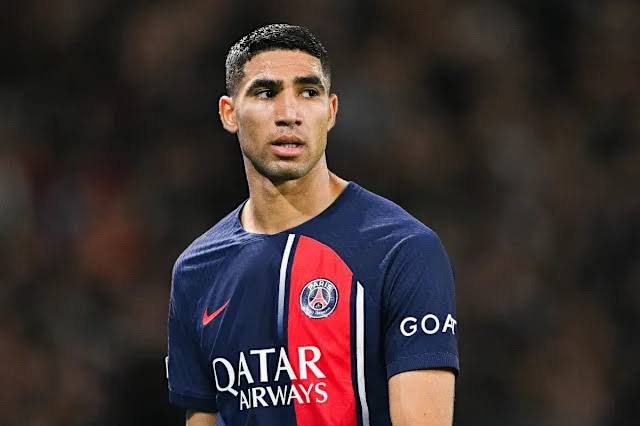
Hakimi’s role at PSG embodies tactical versatility and attacking innovation. As a right-back capable of reshaping defensive and offensive phases, he contributes both assists and crucial goals. Hakimi blends speed, dribbling, and intelligent positioning, making him a constant threat on the flank. His candidacy reflects a modern evolution: African defenders and wing-backs are no longer ancillary—they can dictate matches and influence awards narratives, challenging Euro-centric positional biases.
Comparative Analysis: African Stars vs. European/South American Contenders (2025 Top 10 Ballon d’Or Ranking)
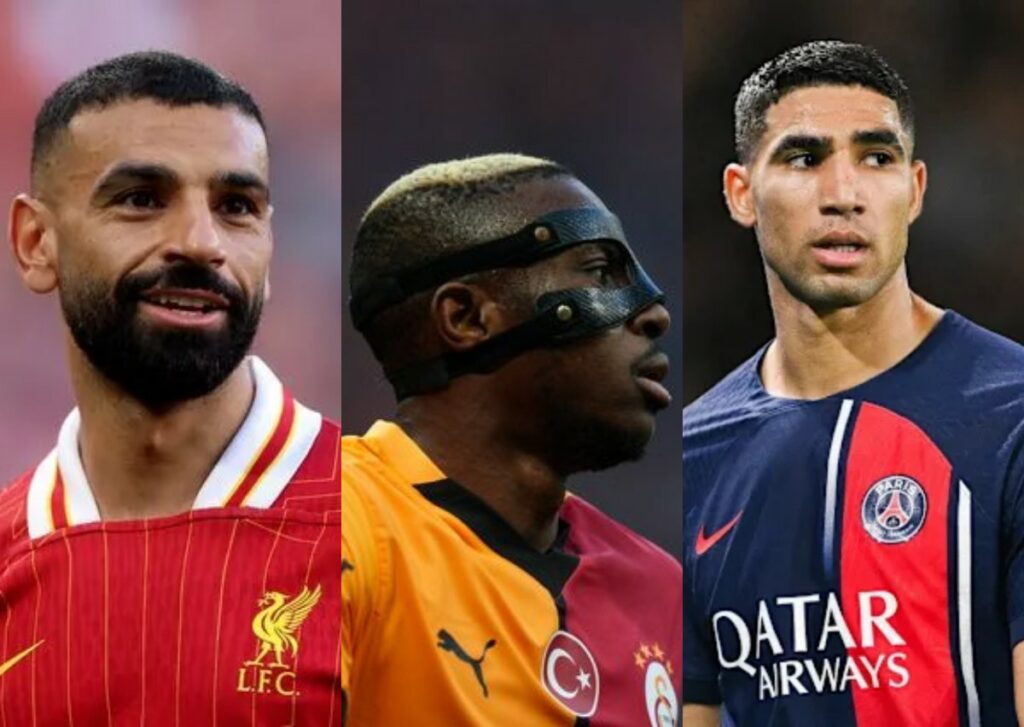
The 2025 Ballon d’Or race is crowded with global talent: Messi, Haaland, De Bruyne, Mbappé, and Vinícius Jr. Africa’s representatives—Osimhen, Lookman, Salah, Hakimi—bring a compelling combination of statistical dominance and narrative intrigue.
Osimhen mirrors Haaland’s physical dominance while adding resilience and continental representation.
Lookman matches top European wingers in tactical creativity and goal contribution.
Salah combines sustained peak performance with leadership, challenging age biases.
Hakimi redefines positional influence, merging defensive discipline with attacking dynamism.
While Europe and South America dominate headlines, African stars now present quantifiable parity. Goals, assists, dribbles, xG contributions, and match-deciding moments make them impossible to ignore. The question is no longer whether they are talented—it is whether voters’ narratives can catch up to their performances.
Seasonal Deep Dive: 2025 Statistics, Match Highlights, and Milestone Achievements
Victor Osimhen (Galatasaray)
Goals: 22+ mid-season
Key highlights: Hat-trick vs. Fenerbahçe, brace in Europa League opener, derby-winning goal
Aerial duel win rate: 61%
Shot accuracy: 56%
Ademola Lookman (Atalanta)
Goals + assists: Double-digit
Key highlights: 90th-minute winner vs. Juventus, solo goal vs. Roma
Dribble success: 71%
Key passes per game: Among Serie A top performers
Mohamed Salah (Liverpool)
Goals: 20+ mid-season
Assists: 8+
Key highlights: Champions League decisive goals, match-winning Premier League performances vs. top 6 sides
Dribble success: 63%
Influence: Central to Liverpool’s attacking tempo and pressing system
Achraf Hakimi (PSG)
Goals + assists: 12+ combined
Key highlights: Match-winning goals in Ligue 1, crucial assists in Champions League fixtures
Defensive metrics: 2.3 tackles & 1.5 interceptions per 90
Influence: High-impact wing-back dictating both attack and defense
These performances collectively illustrate Africa’s rising footprint across leagues, both in traditional powerhouses (Premier League, Serie A, Ligue 1) and emergent storylines like Osimhen’s Galatasaray dominance.
The European Lens: Bias or Tradition?
European leagues dominate global football storytelling. The Champions League, Premier League, La Liga, and Serie A act as the narrative lenses through which Ballon d’Or contenders are viewed. African players often emerge from smaller leagues, requiring them to prove themselves twice: first to earn a European transfer, and then to dominate within a Euro-centric media ecosystem.
This lens, though sometimes subtle, skews perception. A goal in Ligue 1 may be less celebrated than a Champions League strike; a league-leading goal tally in Serie A may not resonate unless accompanied by continental triumphs. For African players, this means that exceptional performance alone is insufficient—they must craft a story compelling enough to captivate voters whose awareness is filtered by Eurocentric optics.
Media Influence and Perception Management
In 2025, media visibility plays a critical role in Ballon d’Or outcomes. Historically, European press coverage favored players from the “big five” leagues, often sidelining African talent unless they dominated elite clubs. Social media, global streaming, and analytics-driven platforms are now democratizing visibility. A viral Osimhen goal against Fenerbahçe, a highlight reel of Lookman’s dribbling mastery against Juventus, Salah’s late Champions League heroics, or Hakimi’s wing-back dynamism in Paris can travel worldwide in seconds, shaping narratives beyond traditional European newspapers.
African players now have the tools to construct compelling global stories. Clubs, agents, and media teams are increasingly curating highlight packages and tactical analyses that frame performances in ways voters cannot ignore. The challenge is no longer purely on the pitch—it is on how performances are communicated, perceived, and amplified.
Projections for the next five years show this trajectory continuing. With youth academies across Africa producing technically and tactically astute players, combined with early integration into European systems, the continent’s representation among Ballon d’Or contenders will expand. The 2025/2026 season may well mark a tipping point, where Africa is no longer peripheral but central to the global football hierarchy.
Challenges Ahead: Euro-Centric Voting Tendencies, Positional Biases, and Narrative Hurdles
Despite growing recognition, significant obstacles remain. Euro-centric voting tendencies still favor players in Western Europe’s top clubs, particularly those achieving Champions League glory. Positional biases persist: goalkeepers, defenders, and full-backs—like Hakimi—often struggle for recognition compared to forwards. Narrative dominance further complicates matters: Messi-esque or Ronaldo-esque storylines overshadow performances from leagues and clubs outside Europe’s media spotlight, or perceived “big-name” teams.
For Africa to break through, stars like Osimhen, Lookman, Salah, and Hakimi must dominate in performance, influence high-stakes matches, and craft stories that resonate globally. Timing is critical; peak performance must coincide with continental and European visibility. Only then can Africa’s rising stars pierce the Euro-centric gaze and claim their place among football’s elite.
Conclusion: Africa’s Ballon d’Or Horizon
The stadium lights fade across Istanbul, Liverpool, Bergamo, and Paris, yet the pulse of ambition never ceases. Africa’s finest—Osimhen, Lookman, Salah, Hakimi—have sprinted, dribbled, and soared on pitches across the continent and Europe, leaving imprints impossible to ignore.
Their talent is measurable, their influence undeniable, yet the ultimate recognition—the Ballon d’Or—has historically been elusive. Only George Weah has lifted the trophy as an African-born player, a singular triumph that still casts a long shadow of aspiration.
It is more than skill; it is narrative, perception, and timing. It is the world pausing to see not just what is done, but who is worthy in the eyes of history and media alike. Dembélé’s recent win, a French player of African descent, highlights the potential for recognition tied to heritage and visibility—but for Africa-born stars, the path remains steep, intricate, and uncertain.
As the next season dawns, the question hangs heavy in the air, electric and unspoken: can Africa’s current generation of stars carve a place in Ballon d’Or history, or will they remain chasing a legacy first etched by Weah decades ago?.
Discussion about this post