



At three in the morning, Lagos exhales. The streetlights flicker against quiet avenues, generators hum faintly in the distance, and the city’s usual cacophony softens to an expectant hush. Inside a small studio in Isheri, a red light glows steadily over a microphone. It is not a ritual or a performance; it is a declaration. Here, the sound of truth is being amplified, quietly but insistently, across a nation accustomed to silence and filtered narratives.
John Momoh, already a respected journalist, understood something fundamental: truth has a rhythm, and in Nigeria’s media landscape of the 1990s, that rhythm had been muted.
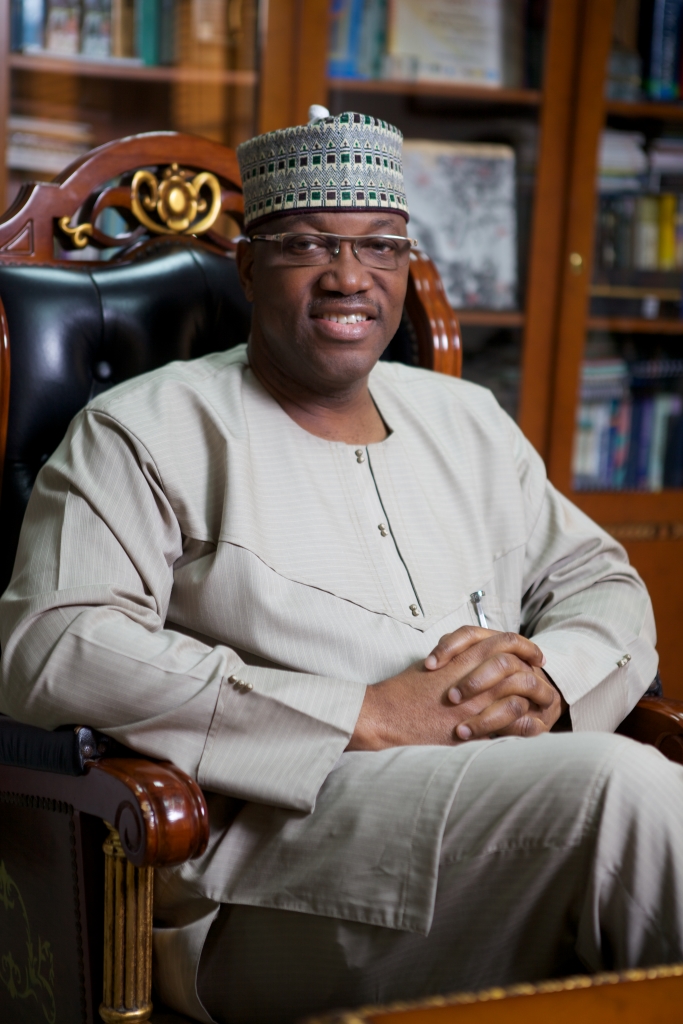
State-controlled channels dictated when news could speak, and citizens’ understanding of events often lagged behind reality. Channels Television, founded in 1992, introduced a new cadence — continuous, round-the-clock reporting that allowed the sound of truth to resonate without pause. It was never about a single broadcast; it was about creating a persistent presence that could be relied upon anytime, day or night.
The early broadcasts were rough around the edges technically, but their moral clarity was unmistakable. Each verified report, each carefully framed story, carried the imprint of Momoh’s ethos: accuracy, courage, and ethical responsibility. Viewers did not just receive news; they experienced the reassurance that someone, somewhere, was listening, observing, and amplifying reality. That was the real innovation — the creation of a media voice that could be trusted to reflect the nation’s lived experience faithfully.
In those initial months, the studio became a chamber of attentiveness, where equipment, reporters, and editorial judgment converged to create a singular effect: the uninterrupted sound of truth. Nigerians tuning in, whether in Lagos, Kano, or Port Harcourt, were encountering something radically new.
They were hearing news not filtered by political convenience or dictated by bureaucracy — they were hearing honesty in motion, a rhythm that would define Channels Television for decades to come.
Forging a Voice: John Momoh’s Vision for Truth
Before Channels Television, John Momoh honed his craft at the Nigerian Television Authority, a landscape dominated by state control and cautious reporting. Anchoring news there required not only clarity but discretion; each pause and inflection carried unspoken weight. Momoh observed carefully, learning that truth often required courage to articulate, and timing to deliver. By the time he envisioned a private 24-hour news station, he had internalized a guiding principle: truth must not only be spoken but sustained.
Launching Channels Television in 1995 was a bold statement. Nigeria had yet to experience a privately-owned, round-the-clock news channel. The technical and financial obstacles were immense, yet Momoh’s focus was unwavering: create a platform where the sound of truth could resonate continuously, without compromise. Every operational decision, from newsroom layout to scheduling, was guided by this singular vision.
The early team worked tirelessly, often in cramped studios with borrowed equipment. Broadcasts, though modest, carried a profound weight. Citizens tuning in during unconventional hours discovered a new media experience — news that didn’t wait for permission, news that spoke as events unfolded, news that reflected reality with both precision and empathy. This was truth in action, persistent and audible in every corner of the nation.
Momoh’s leadership style reinforced this culture. He empowered journalists to take initiative, while insisting on rigorous verification. Freedom in the newsroom was balanced by ethical accountability, ensuring that every report, every segment, amplified the sound of truth rather than distortion or conjecture. Channels Television was becoming more than a station; it was becoming a benchmark, a rhythmic and reliable voice in a landscape that had long been stifled.
Round-the-Clock Reporting: Amplifying Truth Across Nigeria
Channels Television’s innovation was a structural shift — a continuous, uninterrupted channel through which truth could travel without pause. The round-the-clock schedule ensured that breaking news could reach citizens immediately, unfiltered by bureaucratic control or political delay. From political unrest to social movements, from elections to civic protests, Channels Television provided real-time coverage that shaped public perception and civic awareness.
This continuous broadcast model demanded discipline and courage. Field reporters navigated volatile environments, gathering verified accounts that could be transmitted instantly. Back in the studio, editorial teams curated, contextualized, and delivered these narratives with meticulous care. The station’s constant presence became a kind of moral architecture, ensuring that the sound of truth could not be silenced, delayed, or misrepresented.
Audiences quickly internalized this rhythm. Nigerians began tuning in at all hours, trusting Channels Television to provide not just information, but clarity, continuity, and credibility. The station’s 24-hour reporting became a cultural touchstone — proof that journalism could be both persistent and principled, immediate and responsible.

Momoh’s vision had crystallized: journalism was a relay of truth, and Channels Television was the instrument through which that truth traveled steadily and audibly. Every segment, every update, every digital post carried the same mission — to let the sound of truth resonate, even in the darkest hours of the night.
Covering Democracy: June 12 and the Weight of History
June 12, 1993, remained a defining moment in Nigeria’s democratic consciousness. Channels Television, still in its early stages, played a critical role in documenting public response to the annulled presidential election. Coverage required balance and courage: each report risked being interpreted as political alignment, while silence risked irrelevance. Momoh’s solution was consistency and accuracy, aligned with the station’s principle that truth could not be compromised for expedience.
Field teams documented reactions across Lagos and other cities, often under threat or surveillance. Interviews were conducted with citizens cautious of political repercussions. Momoh guided correspondents remotely, emphasizing verification, clarity, and contextualization. The station’s commitment to continuous news coverage ensured that citizens could access updates as events unfolded, unlike other channels constrained by broadcast windows.
In the studio, the 24-hour news cycle allowed Channels Television to deliver timely analysis, combining live reports, eyewitness accounts, and structured commentary. The station’s credibility grew rapidly, positioning it as a trusted intermediary between the public and political developments. Audiences began to see that independent journalism could provide both immediacy and reliability.

Through its reporting, Channels Television preserved a record of public sentiment and civic action, safeguarding memory at a time when history risked being rewritten. The station’s commitment to persistent coverage established a model for future news reporting, demonstrating that vigilance and moral responsibility could coexist with technological and operational innovation.
Digital Dawn: Channels TV in the Age of Connectivity
By the mid-2000s, Nigeria’s media ecosystem was shifting. Mobile phones, social media, and widespread internet access were redefining how citizens received news. Momoh understood that Channels Television could no longer rely solely on television screens; the sound of truth had to travel digitally, to wherever the audience could hear it. Live streaming, website updates, and social media posts became extensions of the station’s persistent presence, ensuring that truth could reach Lagos streets, Abuja offices, and diaspora communities simultaneously.
The newsroom evolved to meet this challenge. Journalists were trained to create content that worked on multiple platforms — broadcast, web, and mobile — without compromising verification standards. Momoh’s insistence was clear: technology amplifies truth only if used responsibly. Infographics, live-streamed events, and interactive posts became tools to carry the sound of truth further and faster, rather than gimmicks for clicks or engagement.
The continuous coverage model now extended into the digital realm. Citizens could follow political developments, breaking stories, or social movements in real time, no matter the hour. Channels Television’s early adoption of digital platforms gave it a competitive advantage, making its reporting more immediate and its truth more audible. Momoh’s foresight transformed the newsroom into a hub where technology and moral clarity intersected, ensuring that facts, context, and ethics traveled together.
This digital expansion also strengthened the station during crises. When natural disasters, political unrest, or civic protests erupted, Channels Television provided immediate, verified coverage, often outpacing government and competitor channels. The guiding principle remained unchanged: truth cannot be bound by schedule or medium; it must resonate continuously, reaching those who rely on it most.
Bearing Witness: #EndSARS and the Persistence of Truth
The #EndSARS protests of 2020 were a watershed moment for Nigerian journalism. Citizens took to the streets to demand an end to police brutality, and the rapid spread of information — both verified and false — created an environment of uncertainty and urgency. Channels Television’s continuous reporting model was ideally suited for the moment. Field reporters documented events across Lagos, Abuja, and other cities, while the studio coordinated digital updates, ensuring that the sound of truth was distinct amidst the clamor of rumors and misinformation.
Momoh personally oversaw editorial choices, reminding his team that immediacy must never sacrifice accuracy. Live streams, social media posts, and broadcast segments were cross-verified to ensure that every message reflected reality. Channels Television’s presence was unwavering; audiences trusted the station to provide clarity even as chaos unfolded around them. The continuous coverage model, honed over decades, had found its ultimate test.
The station’s digital platforms amplified its influence. Social media feeds, interactive Q&A sessions, and verified eyewitness accounts allowed Nigerians, especially the younger generation, to access credible information anytime. Momoh’s vision of truth traveling without delay or distortion became tangible, reinforcing the station’s reputation as a moral and cultural anchor.
In this crucible, the principles behind Channels Television’s round-the-clock coverage resonated profoundly. Courage, discipline, and consistency ensured that journalism remained a force for public good. The sound of truth, once first sounded in a quiet studio at dawn, now echoed across cities, streets, and devices — a testament to Momoh’s enduring vision.

Leadership in Light and Shadow: Guiding the Sound of Truth
John Momoh’s leadership style is inseparable from the station’s ethos. He balances authority with empowerment, encouraging initiative while ensuring ethical accountability. The newsroom operates as a collaborative ecosystem, but every decision is anchored in the same guiding principle: to transmit the sound of truth clearly, responsibly, and courageously. Whether overseeing live broadcasts, mentoring journalists, or reviewing digital content, Momoh emphasizes the moral weight of every story.
Mentorship is central to his approach. Young reporters are trained not just in technical skills, but in ethical discernment, timing, and narrative judgment. Momoh believes that the sound of truth is not just a matter of words, but of choices made repeatedly under pressure. Precision, empathy, and patience are as vital as speed — a philosophy forged during the early years of continuous broadcasting and strengthened through decades of innovation.
Crises test leadership, and Momoh has faced them consistently: civil unrest, political tension, and technological disruption have challenged the station. His method combines foresight, calm, and ethical rigor. Staff are empowered to act, yet guided by principles, ensuring that the station’s output remains credible and morally sound, even in rapidly changing situations.
Under Momoh, Channels Television is more than a media company; it is a training ground, a moral laboratory, and a cultural beacon. The 24-hour news schedule, once a tactical innovation, is now an ethical framework — a way of ensuring that truth remains audible, continuous, and unassailable, regardless of circumstance.
International Recognition: Nigeria’s Voice on the Global Stage
Channels Television’s commitment to continuous, credible reporting soon drew attention beyond Nigeria. International media organizations and partners recognized the station as a model of private journalism thriving under challenging conditions. Momoh’s insistence on ethical reporting, combined with the technical innovation of a 24-hour news model, positioned Channels Television as a reference point for media houses across Africa and beyond. The sound of truth broadcast from Lagos now resonated globally, informing and shaping perceptions of Nigeria’s political and social landscape.
Awards and partnerships followed, but Momoh’s focus remained on substance over accolades. International recognition was validation, not purpose. Each collaboration emphasized the same principle that had guided the station from its inception: truth must be persistent, contextualized, and responsibly amplified. The station’s ethos influenced training programs, joint reporting projects, and cross-border investigative journalism, proving that principled reporting could transcend borders.
Channels Television also served as a conduit for Nigeria’s voice in global discourse. Events such as elections, civil unrest, and economic developments were reported in real time, with accuracy and depth. For international audiences, the station became a trusted lens into the country — a clear channel for the sound of truth, unfiltered by political bias or opportunism.
Momoh understood that influence is fragile. Maintaining credibility required vigilance, independence, and constant reflection. The station’s global reputation was not built on speed or spectacle, but on consistency in delivering news that listeners could trust, any hour of the day. In this way, Channels Television became not just a broadcaster, but a moral instrument, echoing Nigeria’s realities with integrity.
Challenges of Modern Media: Navigating Noise Without Losing Signal
The rise of social media and instant messaging created both opportunity and risk. Information could travel faster than ever, but unverified rumors and distorted narratives proliferated. Momoh approached these challenges methodically. The sound of truth had to compete with noise, and the station invested heavily in fact-checking, verification protocols, and digital literacy for journalists.
Economic pressures compounded the challenge. Advertising revenues fluctuated, and competitors often favored sensationalism over substance. Yet Momoh resisted compromising editorial independence. Innovative revenue models — including branded content and multimedia partnerships — ensured that the station could thrive financially without sacrificing ethical rigor. The lesson was clear: credibility is an asset that cannot be bought; it must be earned continuously, every hour, every report.
Technological advancements also reshaped storytelling. Live streaming, drone footage, and interactive graphics allowed Channels Television to enhance its reach while maintaining ethical standards. Momoh treated these tools as amplifiers of truth, not substitutes for judgment. The station’s output remained measured, verified, and principled — a deliberate counterpoint to the cacophony of misinformation saturating modern platforms.
Through these pressures, the station’s guiding principle endured: truth is persistent and unyielding, even when drowned out by noise. Channels Television’s reputation as a reliable, ethical, and innovative broadcaster is a testament to this philosophy, demonstrating that integrity in journalism is both a moral choice and a practical strategy.

Final Thoughts: The Enduring Pulse of Truth
Decades after its launch, Channels Television remains a defining force in Nigerian media. The round-the-clock schedule that once seemed audacious has become a standard, and John Momoh’s vision has proven prescient. The sound of truth he nurtured — persistent, clear, and principled — continues to echo, guiding journalists, informing citizens, and shaping national discourse.
Momoh’s story is not simply about innovation or leadership; it is about responsibility. Journalism is not a passive recounting of events but an active engagement with society, a moral instrument that amplifies clarity in moments of uncertainty. Channels Television embodies this philosophy, proving that a newsroom can illuminate the darkest hours while preserving ethical rigor.
The station’s impact is both tangible and symbolic. Citizens, activists, policymakers, and journalists alike rely on its continuous reporting. Its digital platforms extend this influence further, ensuring that the sound of truth travels uninterrupted, across streets, devices, and borders. Channels Television demonstrates that courage, discipline, and integrity can coexist in journalism, producing work that is at once immediate, accurate, and ethically sound.
In the quiet of Lagos at two in the morning, the red light of the studio glows steadily. It is more than a signal of a live broadcast; it is a testament to persistence, to responsibility, and to the enduring power of truth. John Momoh and Channels Television remind Nigeria — and the world — that even in the darkest hours, truth can be heard, and it can resonate far beyond its source.
Discussion about this post