


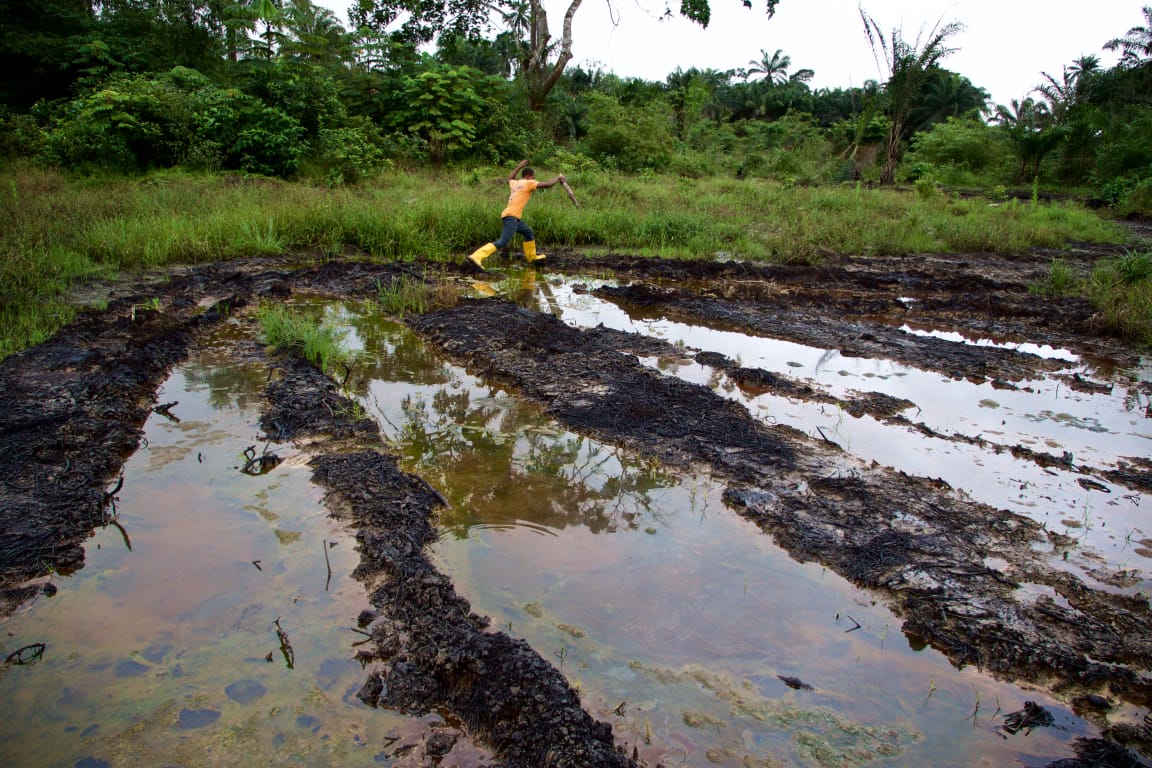

For more than six decades, the Niger Delta has remained at the heart of Nigeria’s oil wealth and its environmental pain.
The region, spread across nine states, is home to swamps, mangroves, and farmlands that have powered the country’s economy since crude oil was first discovered.
Yet, behind the promise of development lies a history of spills, resistance, and broken trust.
This is the story of how a region that sustains a nation continues to fight for survival.
Early discoveries and early warning signs
Oil was first struck in commercial quantity in Oloibiri, Bayelsa State, in 1956.
That discovery marked the beginning of Nigeria’s journey into the global petroleum industry and transformed the country’s economic structure.
But as production expanded, the communities closest to the oil fields began to notice changes.
Farming lands became less fertile, rivers turned black with residue, and fish — once the people’s main food source — began to disappear.
By the 1960s, oil exploration had reached other parts of the delta, but development in host communities did not keep pace with the revenue generated.
Rising grievances in the 1970s and 1980s
The 1970s brought a boom in oil prices and a rise in government earnings.
At the same time, local voices grew louder over neglect and pollution.
Protests in towns like Bonny and Warri reflected a growing feeling that the region was being shortchanged.
Environmental degradation continued, with reports of frequent pipeline leaks and uncontrolled gas flaring.
These issues created tension between oil companies, communities, and government agencies.
Several groups emerged, demanding compensation and local participation in resource management.
The 1990s: A decade of resistance
The 1990s marked a turning point.
One of the most visible campaigns came from Ogoniland, where community activists began documenting oil spills and human rights abuses.
The movement led by the late writer and activist Ken Saro-Wiwa drew international attention to the environmental crisis.
After his arrest and execution in 1995, protests intensified, and the Niger Delta became a symbol of global environmental activism.
The events of that period exposed the gap between oil wealth and community welfare.
They also forced Nigeria’s leaders to confront long-standing calls for justice and development.
New structures and renewed hope
In the early 2000s, government efforts to stabilise the region led to the creation of new institutions.
The Niger Delta Development Commission (NDDC) was established in 2000 to coordinate infrastructure projects and restore damaged areas.
Shortly after, the Ministry of Niger Delta Affairs was formed to oversee broader development plans.
While these initiatives aimed to address poverty and underdevelopment, many residents argued that the pace of progress was slow.
Audit reports and field visits revealed that several projects were abandoned or delayed, further deepening frustration among the people.
Militancy and the search for peace
Between 2004 and 2009, the region witnessed an increase in armed agitation.
Militant groups attacked oil installations, kidnapped workers, and disrupted production to demand greater control of resources.
The situation affected national revenue and drew global concern.
In 2009, the Federal Government introduced the Amnesty Programme, offering rehabilitation and training for ex-militants willing to surrender their arms.
The policy helped reduce violence, though some analysts say the underlying causes of the conflict — unemployment, poor infrastructure, and environmental neglect — persisted.
Environmental recovery and ongoing challenges
The United Nations Environment Programme (UNEP) carried out a major assessment of Ogoniland in 2011.
Its report confirmed widespread contamination of soil and water, recommending large-scale clean-up and long-term remediation.
In 2016, the Federal Government launched the Hydrocarbon Pollution Remediation Project (HYPREP) to implement the clean-up.
Progress, however, has been slow, with several community leaders calling for transparency and faster delivery.
Oil spills continue to be reported, and residents of fishing communities say livelihoods remain unstable.
Climate change, rising sea levels, and erosion have also worsened living conditions in coastal towns.
A new wave of advocacy
In recent years, civil society groups and youth-led organisations have turned to advocacy and dialogue rather than confrontation.
They have used social media and community platforms to document spills, promote alternative livelihoods, and call for stricter environmental regulations.
Women’s groups have also become active, linking environmental issues to family welfare and education.
International partners and local governments have started exploring renewable energy and environmental restoration as sustainable options.
Still, experts insist that lasting peace will require consistent investment and political will.
Looking ahead
The Niger Delta’s story remains one of resilience and unfinished work.
Communities continue to live between promise and reality — between natural wealth and ecological damage.
Each new administration faces the same question: how to balance the nation’s dependence on oil with the region’s right to a clean and liveable environment.
The future of the Niger Delta, like the future of Nigeria’s energy policy, will depend on how well the lessons of the past are applied.
Until then, the people of the delta continue to wait — hopeful that one day, development will flow as freely as the oil beneath their soil.
Discussion about this post