


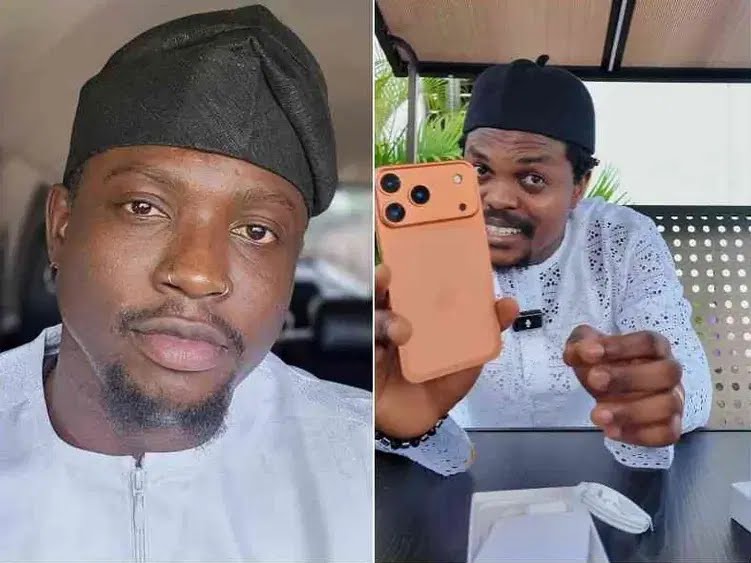

In recent days, Nigeria’s social media space has been dominated by the public spat between controversial influencer, Martin Vincent Otse, popularly known as VeryDarkMan (VDM) and socialite and businessman, Blord. The altercation was prompted by the cost of the retrofitted iPhone XR. VDM had accused Blord of fleecing Nigerians by selling XR as an iPhone 17 Pro Max for an outrageous price. VDM claimed that the retrofitted and cosmetically upgraded XR Blord is selling for N450,000, but actually costs N280,000 to retrofit and import from China.
The altercation has elicited chatters and got tongues wagging on social media. From those who see the actions of VDM and Blord has damaging to Nigerian economy because they importing what should be produced in Nigeria to those who opined that having a thriving market for such cosmetic iphone upgrading in the country is a does not just reflection the troubling socio-economic reality of the people — as 90% of Nigerians cannot afford the new iPhone 17 Pro max which cost almost N3 million — but also underscores the ingrained and widespread classism in the country.
Amid this furore, whether the decision to buy these refurbished iPhone XRs that have been retrofitted with iPhone 17 Pro Max parts and accessories is born out of hard financial decisions or disturbing low self-esteem and classism, one thing the people buying these ‘refurbished to new’ iPhones must know is that there are risks to such a purchase. The phone may give them some feel-good factor and a false sense of social status superiority, but beyond these superficialities and façade of a monied personality, the phone itself loses its software authenticity and hardware solidity, and before long, the situation of the users will become that of penny-wise, pound-foolish character.
Below are some of the risks associated with refurbishing your iPhone XR to iPhone 17 Pro Max
Compromised Security and Data Safety
Many of these iPhones’ refurbishments are done by unregistered journeymen in unauthorised factories in China. During his visit to one of the numerous centres where these conversions take place, VeryDarkMan disclosed that old iPhones are taken apart, reassembled and given a facelift, and sold as newer models. Phones from such questionable sources portend danger and serious security risks — including possible malware, tampered chips, or spyware capable of stealing personal information, Apple ID details, or login credentials
Substandard and Inferior Replacement Parts
These cosmetic upgrades are done with cheap and low-quality parts and accessories from third parties. VDM disclosed in a viral video of him in one of the workshops where this shoddy retrofitting is done. For instance, batteries are often dubiously boosted to show 100% health using cheap equipment that costs less than $2 without actually improving battery quality. This often leads to the phone heating up repeatedly, the battery draining quickly, and the phone hanging. This could damage the logic board or disable Face ID and wireless charging. The phone may even become unusable a few months down the line.
Restriction from Official Apple Support And Ecosystem
Even worth mentioning is that once a phone is revamped and pimped outside Apple’s ecosystem, it loses its eligibility for official support or warranty. Apple’s diagnostic systems will not recognise it, meaning no free repairs, replacements, or technical assistance. If anything goes wrong, owners are left with roadside small-time technicians — often making the problem worse.
Pricing Controversy and Consumer Deception
Blord disclosed that he sells these “upgraded iPhone 17 Pros” for around ₦400,000–₦450,000, saying they’re rebuilt in China with reliable, trusted and high-quality craftsmanship. However, VDM alleged similar refurbished phones could be bought directly from China for ₦280,000, accusing Blord of extorting and misleading buyers. Blord asserted that the price of the refurbished iPhones he sells is informed by quality assurance and logistics costs, the debate highlights a bigger issue — Nigerians paying premium prices for devices that aren’t truly new.
Mislabelling Risks
If what’s being sold is truly an iPhone XR encased in an iPhone 17 parts and accessories, buyers are not just overpaying — they’re being manipulated and hoodwinked by colourful aesthetically pleasing cosmetic upgrades. This then becomes a matter of consumer protection concerns: fake model numbers, tampered serial codes, and missing Apple certifications.
The Blord–VeryDarkMan face-off has exposed an unsettling reality about Nigeria’s booming smartphone market: most of the time, many phones branded as “new” are just refurbished old models sold to unsuspecting members of the public as the latest gadget.
Before shelling out your hard-earned money for any “new” iPhone, it is important to: Check the model number in Settings → General → About (e.g., iPhone XR shows as “A2105”, not “A3090” like newer models). Verify authenticity through Apple’s official website using the serial number.
Discussion about this post