

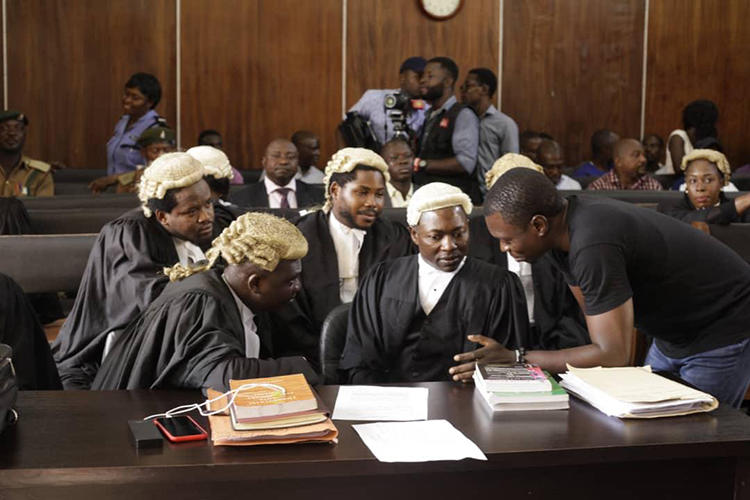

As a litigant or legal professional in Nigeria, you may encounter situations where a court adjourns a case. Understanding the circumstances under which adjournments occur is crucial for navigating the legal system effectively. Courts in Nigeria have the discretionary power to adjourn cases for various reasons, ranging from procedural requirements to unforeseen circumstances.
This article explores the key situations in which a Nigerian court may choose to adjourn proceedings. By familiarizing yourself with these scenarios, you’ll be better prepared to anticipate potential delays and respond appropriately within the legal framework. Let’s delve into the specific circumstances that may lead to case adjournments in Nigerian courts.
Reasons a Court May Adjourn a Case

Court adjournment refers to the postponement or suspension of a legal proceeding to a later date. When a court adjourns a case, it effectively pauses the proceedings, allowing for a temporary break before resuming at a specified future time. This practice is an essential aspect of the Nigerian judicial system, ensuring fair and efficient administration of justice.
There are various circumstances under which a court may adjourn a case in Nigeria. These reasons can be broadly categorized into two main types:
Procedural Reasons
Procedural adjournments occur due to legal or administrative necessities. For instance:
- Insufficient time to conclude proceedings
- Absence of key witnesses or evidence
- Need for further investigation or preparation
Discretionary Reasons
Courts may also adjourn cases based on discretionary factors, such as:
- Health concerns of involved parties
- Unforeseen emergencies
- Request by either the prosecution or defense
It’s important to note that while adjournments are sometimes necessary, they should not be granted frivolously. The Nigerian judicial system aims to balance the need for thorough consideration of cases with the imperative of timely justice. When a court adjourns a case, it must always consider the potential impact on all parties involved and the overall integrity of the legal process.
Adjournment at the Request of the Prosecution or Defense
When a court adjourns case proceedings, it’s often at the behest of either the prosecution or defense. These key players in the legal process may request an adjournment for various reasons, all of which must be deemed valid by the presiding judge.
Reasons for Prosecution Requests
Prosecutors might seek an adjournment if they need additional time to gather evidence, locate witnesses, or prepare their case more thoroughly. For instance, if new information comes to light that requires further investigation, the prosecution may ask the court to adjourn the case to ensure a comprehensive presentation of facts.
Defense Motivations for Adjournment
Similarly, defense attorneys may request that the court adjourns case proceedings to better prepare their client’s defense. This could involve:
- Reviewing newly disclosed evidence
- Interviewing potential witnesses
- Consulting with experts
- Negotiating plea agreements
Judicial Discretion
It’s important to note that while either party can request an adjournment, the decision ultimately lies with the judge. They must balance the need for a fair trial with the imperative of efficient judicial proceedings. Judges consider factors such as the complexity of the case, the reasons provided for the adjournment request, and the potential impact on all parties involved before granting or denying the motion to adjourn.
Adjournment Due to Unavailability of Witnesses or Evidence
When a court adjourns case proceedings due to the unavailability of witnesses or evidence, it’s often a necessary step to ensure a fair trial. This situation can arise for various reasons, each with its own implications for the legal process.
Witness Absence
Witnesses play a crucial role in many cases, providing firsthand accounts or expert testimony. If a key witness is unable to attend due to illness, travel issues, or other unforeseen circumstances, the court may adjourn the case. This allows time for the witness to become available or for alternative arrangements to be made.
Incomplete Evidence
Sometimes, critical evidence may not be ready for presentation in court. This could be due to ongoing forensic analysis, delayed document production, or issues with evidence preservation. In such cases, the court adjourns case proceedings to allow time for the evidence to be properly prepared and authenticated.
Logistical Challenges
Occasionally, logistical issues may prevent the timely presentation of witnesses or evidence. These could include transportation problems, technological failures in cases involving digital evidence, or even natural disasters. Courts recognize these challenges and may grant adjournments to overcome such obstacles.
By allowing for adjournments in these circumstances, the legal system aims to uphold the principles of justice and ensure that all relevant information is available for a fair and thorough examination of the case at hand.
Adjournment for Further Investigation or Pending another Case
In certain instances, a court may adjourn a case to allow for further investigation. This occurs when crucial evidence is pending or additional witnesses need to be interviewed. The court adjourns case proceedings to ensure all pertinent information is gathered, maintaining the integrity of the judicial process. Such adjournments are typically granted when the prosecution or defense demonstrates a compelling need for more time to build their case.
Interconnected Legal Matters
Sometimes, a case may be adjourned due to its connection with another ongoing legal matter. If the outcome of a separate case could significantly impact the current proceedings, the court may decide to postpone. This scenario often arises in complex litigation involving multiple parties or interrelated charges. By adjourning, the court avoids potential conflicts or contradictions in judgments.
Balancing Justice and Efficiency
While adjournments for further investigation or pending cases are sometimes necessary, courts must balance the need for thorough examination with the imperative of timely justice. Judges carefully consider requests for adjournment, weighing the potential benefits against the risk of unnecessary delays. This ensures that the legal system remains both thorough and efficient, upholding the principles of fair trial and due process.
Adjournment Due to Illness or Other Issues Affecting the Accused or Lawyers
When a court adjourns case proceedings, it’s often due to circumstances beyond the control of the parties involved. Illness or other pressing issues affecting the accused or their legal representation are common reasons for adjournment in Nigerian courts.
Health-Related Adjournments
If the accused falls ill and cannot attend court, their lawyer may request an adjournment. The court typically requires medical documentation to support such claims. Similarly, if a lawyer becomes suddenly unwell, they may petition for a postponement. In both scenarios, the court carefully considers the severity of the illness and its impact on the proceedings before granting an adjournment.
Other Compelling Circumstances
Beyond health issues, other unforeseen events may necessitate a court adjourns case hearing. These could include:
- Family emergencies
- Transportation difficulties
- Unavoidable scheduling conflicts
The court evaluates each situation on its merits, balancing the need for justice with practical considerations.
Adjournment to Allow Time for Plea Bargaining or Settlement
In certain cases, the court may adjourn proceedings to provide an opportunity for plea bargaining or out-of-court settlement. This practice is particularly common in criminal cases where the prosecution and defense seek to negotiate a mutually agreeable resolution.
Benefits of Plea Bargaining
Plea bargaining can significantly expedite the legal process, reducing the burden on the court system. When a court adjourns case proceedings for this purpose, it allows both parties to:
- Discuss potential plea deals
- Negotiate reduced charges or sentences
- Explore alternatives to traditional prosecution
This process often leads to swifter justice and can be beneficial for all parties involved.
Out-of-Court Settlements in Civil Cases
In civil matters, the court may adjourn a case to give litigants time to reach an amicable settlement. This approach can:
- Save time and resources for both the court and parties
- Preserve relationships between disputing parties
- Result in more satisfactory outcomes for all involved
When a court adjourns case proceedings for settlement talks, it demonstrates the judicial system’s commitment to efficient dispute resolution.
Balancing Justice and Efficiency
While adjournments for plea bargaining or settlement negotiations can be advantageous, courts must balance these benefits against the need for timely justice. Judges carefully consider each request for adjournment, ensuring that the pursuit of out-of-court resolutions does not unduly delay the legal process or deny any party their right to a fair and speedy trial.
Adjournment Due to Overcrowded Court Docket
When a court adjourns case proceedings due to an overcrowded docket is a common yet frustrating occurrence in the Nigerian legal system. These adjournments can significantly impact the timely resolution of cases and the administration of justice.
Nigerian courts often face an overwhelming number of cases, leading to congested schedules. When the court adjourns case hearings for this reason, it’s typically because:
- There are too many cases scheduled for a single day
- Previous cases have run longer than anticipated
- Emergency matters have taken precedence
This backlog can result in prolonged waiting periods for litigants and their counsel, sometimes stretching for months or even years.
These adjournments, while sometimes necessary, can lead to increased costs for litigants, delayed justice, and a growing backlog of cases. To mitigate these issues, the Nigerian judicial system continues to explore ways to improve efficiency and reduce unnecessary delays in case proceedings.
When a Judge is Not in Attendance at the Time Appointed for the Holding of a Court
When a court adjourns case proceedings due to the absence of a judge, it can significantly impact the legal process. This situation, while uncommon, does occur and has specific protocols in place to manage it effectively.
Reasons for Judge Absence
There are various reasons why a judge may not be present at the appointed time. These can include:
- Unforeseen personal emergencies
- Health issues
- Travel delays
- Administrative duties
In such instances, the court system has established procedures to handle the situation and minimize disruptions to the legal process.
Protocol for Court Adjournment
When a judge is absent, the court clerk or another authorized official will typically announce that the court adjourns case proceedings. This announcement is usually made after a reasonable waiting period, allowing for any unexpected delays.
The protocol often involves:
- Notifying all parties involved in the scheduled cases
- Rescheduling the affected hearings or trials
- Documenting the reason for adjournment in the court records
It’s important to note that while these situations can be frustrating for those involved, they are necessary to ensure fair and proper legal proceedings. The court system strives to balance efficiency with the need for thorough and just deliberations in every case.
If New Evidence Comes to Light During a Trial That Could Not Have Been Foreseen
In the course of legal proceedings, there are instances when a court adjourns a case due to the emergence of unforeseen evidence. This situation can significantly impact the trajectory of a trial, necessitating a pause in proceedings. When new, material information surfaces that neither party could have reasonably anticipated or discovered earlier, it may warrant an adjournment to ensure fair and thorough consideration.
Evaluating the Impact
The court must carefully assess the nature and potential influence of the newly presented evidence. Factors considered include:
- Relevance to the case at hand
- Credibility and reliability of the source
- Potential to alter the outcome of the trial
If the court determines that the evidence is sufficiently substantial, it may grant an adjournment to allow both parties adequate time to review and respond to the new information.
Balancing Justice and Efficiency
While the Nigerian legal system strives for expediency, it also prioritizes justice and fairness. When a court adjourns a case due to unexpected evidence, it demonstrates a commitment to thorough examination of all pertinent facts. This approach helps ensure that verdicts are based on the most comprehensive and up-to-date information available, ultimately serving the interests of justice and maintaining public trust in the legal process.
Implications of Adjournments
While adjournments can be necessary, they often lead to case delays, increased costs, delayed justice, and a growing backlog of cases. Courts aim to minimize unnecessary postponements to ensure efficient administration of justice. Parties requesting adjournments should be prepared to provide substantial justification for their requests.
Remember, the decision to adjourn ultimately rests with the presiding judge, who must weigh the interests of all parties involved and the overall pursuit of justice.
Options for the Accused During an Adjournment
When a court adjourns case proceedings, the accused has several options to consider. Understanding these choices is crucial for navigating the legal process effectively.
Seek Legal Counsel
During an adjournment, you have the opportunity to consult with your attorney or seek new legal representation. This time can be used to review your case strategy, discuss potential plea bargains, or prepare for upcoming court dates.
Gather Additional Evidence
The adjournment period allows you to collect more evidence to support your case. This may include locating witnesses, obtaining expert testimony, or securing important documents that could strengthen your defense.
Negotiate with Prosecutors
In some instances, you may use this time to engage in plea negotiations with the prosecution. Your lawyer can discuss potential plea deals or reduced charges, potentially leading to a more favorable outcome.
Prepare for Trial
If your case is heading to trial, the adjournment gives you valuable time to prepare. This might involve rehearsing testimony, reviewing evidence, or developing a robust defense strategy with your legal team.
Address Personal Matters
An adjournment also provides an opportunity to get your personal affairs in order. This could include arranging child care, securing employment, or addressing any other personal issues that may impact your case.
Remember, when the court adjourns case proceedings, it’s crucial to use this time wisely. Each of these options can significantly impact the outcome of your case, so consult with your attorney to determine the best course of action for your specific situation.
Frequently Asked Questions
These are some frequently asked questions and answers about reasons the court adjourns a case.
What if I cannot afford legal representation during an adjournment?
If you are unable to afford legal counsel, you may be eligible for a court-appointed attorney or legal aid services. These resources are available to ensure that everyone has access to adequate legal representation, regardless of their financial situation.
Can an adjournment be denied?
Yes, in certain circumstances, a court may deny a request for an adjournment. This typically occurs when the court deems the request to be frivolous or an attempt to unnecessarily delay the proceedings. The decision to grant or deny an adjournment is at the discretion of the judge, based on the specific circumstances of the case.
Can I appeal an adjournment decision?
Yes, in certain jurisdictions, you may have the right to appeal a court’s decision to grant or deny an adjournment. However, the grounds for appeal are typically limited, and you would need to demonstrate that the court’s decision was an abuse of discretion or a violation of your legal rights.
How long can a case adjournment last?
The duration of an adjournment can vary widely depending on the specific circumstances. In some instances, a court adjourns a case for just a few days or weeks. However, more complex situations may require longer adjournments, potentially lasting several months. Factors influencing the length include:
- Nature and complexity of the case
- Availability of court resources
- Schedules of involved parties
- Urgency of the matter
Courts generally aim to balance the need for thorough proceedings with the right to a speedy trial. The court will typically set a specific date for the case to resume, ensuring that the proceedings are not delayed indefinitely.
Can a case be adjourned indefinitely?
While rare, a court may adjourn a case indefinitely under exceptional circumstances. This might occur if:
- A key party is gravely ill or incapacitated
- Essential evidence is permanently unavailable
- Legal precedents are pending in higher courts
However, indefinite adjournments are generally discouraged to prevent denial of justice through excessive delays.
Conclusion
In conclusion, the Nigerian legal system provides for case adjournments in specific circumstances to ensure fair and proper administration of justice. As you navigate the court process, understanding these grounds for adjournment is crucial.
Whether due to the absence of a party, incomplete evidence, or other valid reasons, adjournments serve to protect your rights and maintain the integrity of legal proceedings. However, it’s important to remember that courts aim to balance the need for adjournments with the timely resolution of cases. By familiarizing yourself with these circumstances and working closely with legal counsel, you can better prepare for potential adjournments and navigate the complexities of the Nigerian court system more effectively.
Discussion about this post