

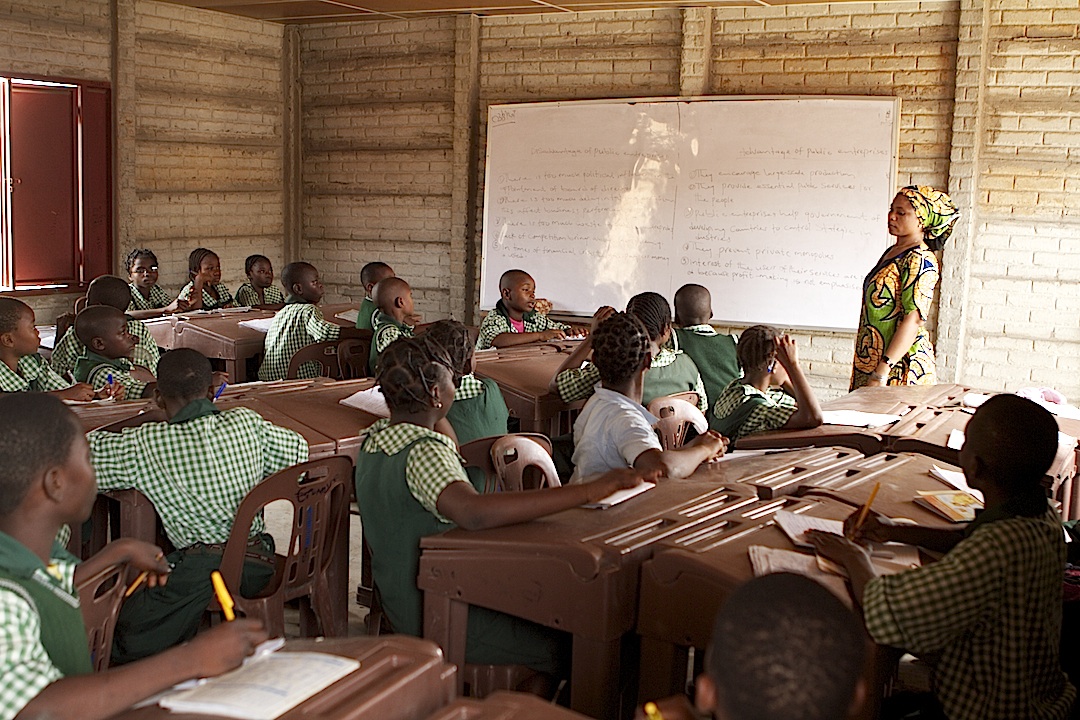

As you explore the landscape of education in Nigeria, you’ll discover a complex system shaped by historical, cultural, and economic factors. Nigeria’s educational framework, while facing significant challenges, also presents unique opportunities for growth and development. From primary schools to universities, the Nigerian educational system aims to equip students with the knowledge and skills needed to thrive in an increasingly globalized world.
In this article, you’ll gain insight into the structure, policies, and realities of education in Nigeria. Understanding Nigeria’s educational system is crucial for anyone interested in the country’s future and its role on the global stage.
Overview of the Education System in Nigeria
Education in Nigeria is structured into distinct levels, reflecting the country’s commitment to comprehensive learning. The system encompasses kindergarten, nursery, primary, secondary, and tertiary education, each playing a crucial role in shaping the nation’s intellectual landscape.
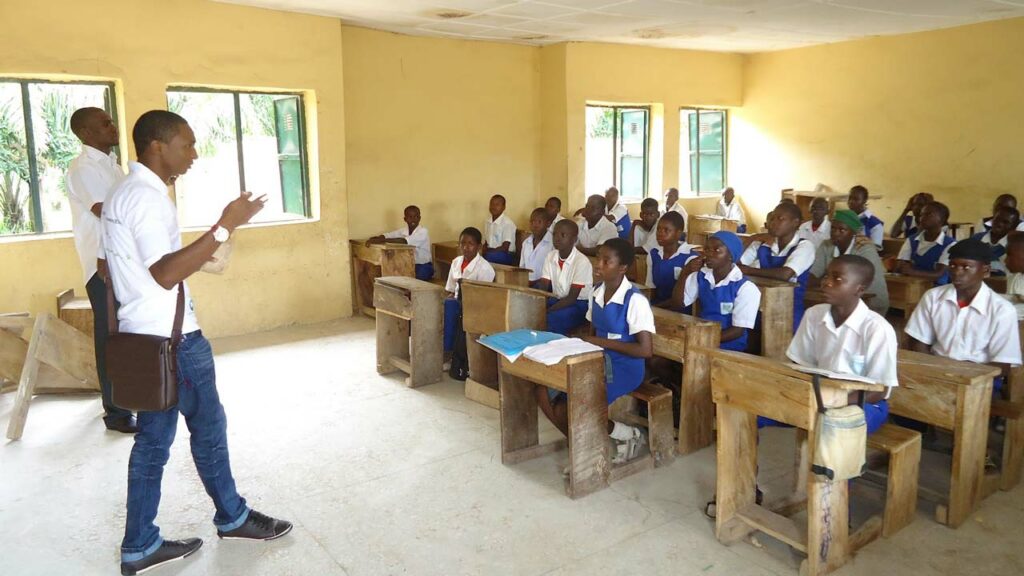
The foundation of Nigeria’s educational framework begins with 4 years of preschool, six years of primary schooling, followed by six years of secondary education. This 6-3-3-4 system (six years of primary, three years of junior secondary, three years of senior secondary, and four years of tertiary education) forms the backbone of the Nigerian educational experience.
Higher education in Nigeria includes universities, polytechnics, monotechnics, and colleges of education. These institutions offer a diverse range of programs, from traditional academic disciplines to vocational and technical training. The Nigerian University Commission (NUC) oversees university education, ensuring quality and standardization across the sector.
While the education system in Nigeria has made significant strides, it faces challenges such as infrastructure deficits and resource allocation. However, initiatives aimed at improving access and quality continue to shape the educational landscape, positioning Nigeria as a growing hub for learning in West Africa.
Preschool
The Nigerian education system includes four years of preschool: “Kindergarten” for ages 2-3 and 3-4 and “Nursery” for ages 4-5 and 5-6.” In Nigeria, kindergarten is part of the early childhood care and development education (ECCD) program, which is the first level of education in the country. The ECCD program covers children from birth to age four, and includes nursery and kindergarten.
Primary Education in Nigeria
Primary education in Nigeria forms the foundation of the country’s educational system. Typically spanning six years, from ages 6 to 11, this stage is crucial for developing basic literacy and numeracy skills. The Nigerian government has made significant efforts to improve access to primary education, recognizing its importance in the nation’s development.
The primary education curriculum in Nigeria covers core subjects such as English, Mathematics, Physical health education, and Social Studies. Additionally, students learn about Nigerian languages, arts, and culture. The academic year is divided into three terms, with assessments conducted regularly to monitor student progress.
Despite progress, primary education in Nigeria faces several challenges. Overcrowded classrooms, inadequate infrastructure, and a shortage of qualified teachers are common issues. However, various initiatives, including partnerships with international organizations, aim to address these problems and enhance the quality of primary education in Nigeria.
To improve educational outcomes, the government has implemented policies such as the Universal Basic Education (UBE) program, which seeks to provide free and compulsory primary education for all Nigerian children. This initiative has contributed to increased enrollment rates and better access to education across the country.
Secondary Education in Nigeria
Secondary education in Nigeria plays a crucial role in shaping the country’s future workforce and leaders. This stage of education typically spans six years, divided into two three-year cycles: junior secondary school (JSS) and senior secondary school (SSS).
The curriculum in Nigerian secondary schools aims to provide a well-rounded education, covering core subjects such as English, Mathematics, Sciences, and Social Studies. Additionally, students are exposed to vocational and technical subjects, preparing them for higher education or immediate entry into the workforce. In the senior secondary school stage, students are separated into different departments including Science, Commercial and Arts. Each department encompasses different Subjects, which lays the foundation for a future career path.
While education in Nigeria has made significant strides, secondary schools face several challenges, including inadequate infrastructure, teacher shortages, and limited access in rural areas. However, recent government initiatives and private sector involvement have led to improvements in the quality and accessibility of secondary education across the country.
At the end of their secondary education, students typically sit for the West African Senior School Certificate Examination (WASSCE), which serves as a gateway to tertiary institutions and employment opportunities. This standardized test plays a crucial role in shaping the future prospects of Nigerian youth.
Tertiary Education in Nigeria
Tertiary education in Nigeria encompasses a diverse array of institutions, including universities, polytechnics, monotechnics, and colleges of education. These institutions play a crucial role in shaping the nation’s workforce and driving innovation. The university system, both public and private, forms the backbone of higher education in Nigeria. Notable institutions like the University of Ibadan and the University of Lagos have long histories of academic excellence.
To gain admission to a tertiary institution, students must pass the Joint Admissions and Matriculation Board Entrance Examination (JAMB) and the Secondary School Certificate Examination (SSCE) or General Certificate Examination (GCE). They must also meet certain cut-off marks. Tertiary institutions offer a variety of programs, including certificate, diploma, undergraduate, and postgraduate courses.
Tertiary education in Nigeria typically lasts four years, five years, or six years depending on the program.
Some common degrees in tertiary education include:
- Associate degree: A two-year undergraduate degree that is usually obtained at a community college or trade school
- Bachelor’s degree: A four-year undergraduate degree that is usually obtained at a college or school in a university setting
- Master’s degree: A postgraduate program that usually takes two or three years to complete
- Doctoral degree: A postgraduate degree that can take as little as three years or as long as ten years to complete
Despite its importance, tertiary education in Nigeria faces significant challenges. Overcrowding, underfunding, and infrastructure deficits are common issues. However, there are also promising developments. The growth of private universities has expanded access to higher education, while initiatives to improve research capabilities are gaining traction.
Tertiary institutions are vital for Nigeria’s economic and social progress. They produce skilled professionals across various sectors and contribute to research and development. As Nigeria strives to diversify its economy and boost technological advancement, the role of higher education becomes increasingly critical in fostering innovation and entrepreneurship.
A-levels in Nigeria
A-levels, short for Advanced Level qualifications, play a significant role in education in Nigeria. These internationally recognized qualifications are typically pursued by students who have completed their secondary education and are seeking entry into universities, both within Nigeria and abroad. The A-level program in Nigeria usually spans two years and offers students a chance to specialize in specific subject areas.
Nigerian students can choose from a wide range of A-level subjects, including mathematics, sciences, humanities, and languages. This flexibility allows learners to tailor their studies to their academic interests and future career aspirations. The curriculum is designed to provide in-depth knowledge and critical thinking skills, preparing students for the rigors of university education.
Here are some examples of A-level education in Nigeria:
IJMB
A certified A-level program that allows students to gain direct admission to the 200 Level at Nigerian universities. Students should expect to spend at least 8-10 hours per week on the IJMB syllabus, including practical work and field trips.
Cambridge International A Level
Students who pass at least two Cambridge International A Level subjects and a minimum of five Cambridge IGCSE or Cambridge O Level subjects can apply for Direct Entry into Level 200 at a Nigerian university. Students will need to register and pay for a Direct Entry form on the JAMB website, and upload their relevant certificates. They may also need to take a written test or interview as part of the university admissions process.
EETT
A Cambridge International Examination Registration and Training Centre that offers A-level subjects in areas such as English, History, Geography, Mathematics, Physics, Biology, and more. Students typically choose their three best subjects for their final year’s A-level examination.
A-levels are internationally recognized qualifications that are required for admission to many university courses and professional training opportunities. Most Students usually study A-levels between the ages of 17 and 18.
A-levels offer Nigerian students a competitive edge in university admissions, particularly for those aiming to study internationally. However, the program can be challenging, requiring dedicated study and strong time management skills. Despite these challenges, A-levels remain a popular choice for many Nigerian students seeking to enhance their educational prospects and broaden their academic horizons.
Promotional Examinations
In the Nigerian educational system, promotional examinations play a crucial role in advancing students through their academic journey. These assessments are designed to evaluate a student’s readiness to progress to the next grade level or educational stage.
Primary School Promotions
In primary schools across Nigeria, students typically face term and annual promotional exams at the end of each academic year. These tests assess core subjects like Mathematics, English, and Basic Science. Successful performance in these exams is often required for advancement to the next grade.
Secondary School Transitions
The transition from junior to senior secondary school in Nigeria is marked by a significant promotional examination. This comprehensive assessment evaluates students’ mastery of the junior secondary curriculum and determines their readiness for more advanced studies.
Tertiary Education Entrance
Perhaps the most impactful promotional examinations in education in Nigeria are those required for tertiary institution admission. These include the Joint Admissions and Matriculation Board (JAMB) exam and individual university post-UTME screenings. Success in these examinations is crucial for students aspiring to pursue higher education in Nigerian universities, polytechnics, and colleges of education.
Vocational Education
Vocational education plays a crucial role in the Nigerian educational system, offering practical skills and training to prepare students for specific trades or careers. This sector of education in Nigeria aims to bridge the gap between academic knowledge and hands-on experience, addressing the country’s workforce needs and promoting economic growth.
Technical and Vocational Education and Training (TVET)
TVET programs in Nigeria provide students with specialized skills in various fields, including agriculture, construction, and information technology. These programs are designed to equip learners with job-ready skills, enhancing their employability and entrepreneurial capabilities. The Nigerian government has recognized the importance of vocational education and has implemented policies to strengthen this sector.
Challenges and Opportunities
Despite its potential, vocational education in Nigeria faces several challenges, such as inadequate funding, outdated equipment, and a lack of qualified instructors. However, there are also opportunities for improvement, including partnerships with industries, international collaborations, and the integration of modern technologies in training programs. Addressing these issues can significantly enhance the quality and relevance of vocational education in Nigeria’s evolving job market.
Informal Education and Literacy Programs
In Nigeria, education extends beyond traditional classrooms. Informal education and literacy programs play a crucial role in addressing educational gaps and enhancing overall literacy rates. These initiatives are particularly vital in regions where formal schooling may be inaccessible or insufficient.
Community-Based Learning
Community centers and local organizations often spearhead informal education efforts. These programs focus on practical skills and basic literacy, tailoring content to the specific needs of each community. By leveraging local resources and knowledge, these initiatives make education in Nigeria more accessible to underserved populations.
Adult Literacy Campaigns
Recognizing the importance of lifelong learning, Nigeria has implemented various adult literacy campaigns. These programs aim to equip adults with fundamental reading and writing skills, empowering them to participate more fully in society and the workforce. Such initiatives contribute significantly to raising the overall literacy rate and fostering economic development.
Digital Learning Platforms
With the rise of technology, digital platforms are increasingly being utilized to deliver informal education. These online resources offer flexible learning opportunities, allowing individuals to access educational content at their own pace. This approach is particularly beneficial in bridging educational gaps in remote areas of Nigeria.
Female Education in Nigeria
Education in Nigeria has faced significant gender disparities throughout its history. Traditionally, many families prioritized boys’ education over girls’, believing that investing in female education would not yield long-term benefits. This mindset, coupled with early marriages and household responsibilities, often prevented girls from completing their schooling.
In recent years, there has been a growing recognition of the importance of female education in Nigeria. Government and non-governmental organizations have launched various programs to increase girls’ enrollment and retention in schools. These initiatives include providing scholarships, building separate sanitation facilities, and implementing policies to protect girls from harassment and discrimination.
Despite progress, challenges persist in achieving gender parity in education in Nigeria. Poverty, cultural beliefs, and security concerns in certain regions continue to hinder girls’ access to quality education. Addressing these issues requires a multifaceted approach, involving not only educational reforms but also broader societal changes to promote gender equality and women’s empowerment.
Literacy in Nigeria
Education in Nigeria faces significant challenges when it comes to literacy rates. Despite being Africa’s most populous country and largest economy, Nigeria struggles with a considerable literacy gap. Recent statistics paint a concerning picture of the nation’s educational landscape.
As of the latest available data, the adult literacy rate in Nigeria stands at approximately 59.57%. This means that nearly four out of ten adults in the country cannot read or write proficiently. The situation is even more dire in rural areas, where access to quality education is often limited.
As of November 2024, Nigeria’s literacy rate is 59.57%. This ranks Nigeria 187th globally. Literacy rates in Nigeria vary widely by region, gender, age, and poverty level.
Factors Affecting Literacy
Several factors contribute to the literacy challenges in Nigeria:
- Inadequate funding for education
- Lack of qualified teachers, especially in remote regions
- Poor infrastructure and learning resources
- Cultural barriers, particularly for girls’ education
- Economic pressures forcing children into labor instead of school
Addressing these issues is crucial for improving literacy rates and overall education in Nigeria. The government and various NGOs are working to implement programs aimed at boosting literacy levels, but significant work remains to be done.
Education Challenges in Nigeria
Education in Nigeria faces numerous obstacles that hinder its progress and effectiveness. Here are some significant challenges:
Inadequate Funding
The Nigerian education system suffers from chronic underfunding, leading to poor infrastructure and limited resources for students and teachers alike.
Overcrowded Classrooms
Many schools struggle with overcapacity, resulting in unfavorable student-teacher ratios and compromised learning experiences.
Outdated Curriculum
The curriculum often fails to keep pace with global advancements, leaving students ill-prepared for the modern job market.
Teacher Quality and Motivation
Low salaries and limited professional development opportunities contribute to a shortage of qualified, motivated educators.
Access to Technology
Many schools lack basic technological resources, widening the digital divide and hampering students’ preparedness for a tech-driven world.
Regional Disparities
Significant differences in educational quality and access exist between urban and rural areas, as well as between Nigeria’s northern and southern regions.
Security Concerns
In some areas, safety issues discourage school attendance and disrupt the learning process, particularly affecting girls’ education.
Brain Drain
The exodus of talented educators and students to other countries depletes Nigeria’s intellectual resources, impacting the overall quality of education.
Initiatives to Improve Education in Nigeria
The Nigerian government has launched several initiatives to enhance education in Nigeria. These include the Universal Basic Education (UBE) program, which aims to provide free and compulsory education for children aged 6-15. Additionally, the Teacher Development Program focuses on improving the quality of instruction through training and professional development for educators.
Private Sector Involvement
Private organizations are also contributing to the improvement of education in Nigeria. Companies and NGOs are partnering with schools to provide resources, infrastructure, and technology. For instance, the “Adopt-a-School” initiative encourages businesses to support local schools financially and materially.
Technology Integration
Efforts to modernize education in Nigeria include the integration of technology in classrooms. The Federal Ministry of Education has introduced computer literacy programs and e-learning platforms to enhance digital skills among students and teachers. These initiatives aim to bridge the digital divide and prepare Nigerian students for the global job market.
Education Reform in Nigeria
Education in Nigeria has undergone significant transformations in recent years, as the government and stakeholders strive to address long-standing challenges. These reforms aim to improve access, quality, and relevance of education across all levels.
Curriculum Overhaul
One key aspect of education reform in Nigeria involves updating curricula to meet modern demands. The government has introduced new subjects and revised existing ones to better prepare students for the global job market. This includes a greater emphasis on technology, entrepreneurship, and vocational skills.
Infrastructure Development
Recognizing the importance of conducive learning environments, Nigerian authorities have increased investments in school infrastructure. This includes constructing new classrooms, laboratories, and libraries, as well as renovating existing facilities. However, challenges remain in rural areas where access to quality educational infrastructure is still limited.
Teacher Training and Development
To enhance the quality of instruction, Nigeria has implemented various teacher training programs. These initiatives focus on improving pedagogical skills, subject knowledge, and the use of modern teaching aids. Continuous professional development is now a priority to ensure educators stay updated with best practices in education.
Frequently Asked Questions
These are some frequently asked questions and answers about Education in Nigeria.
What are the major challenges facing education in Nigeria?
Education in Nigeria faces several significant hurdles. Insufficient funding remains a primary concern, leading to inadequate infrastructure and resources in many schools. Overcrowded classrooms, particularly in urban areas, often result in compromised learning experiences. Additionally, there’s a notable disparity in educational access between rural and urban areas, with many rural communities lacking basic educational facilities.
How does the Nigerian educational system work?
The Nigerian educational system follows a 6-3-3-4 structure. This comprises six years of primary education, three years of junior secondary, three years of senior secondary, and four years of tertiary education. The system aims to provide comprehensive education, balancing academic knowledge with practical skills. However, implementation varies across different regions of the country.
What recent reforms have been introduced in Nigeria’s education sector?
Recent years have seen efforts to improve education in Nigeria. The government has introduced initiatives to enhance teacher training, update curricula, and increase enrollment rates, especially for girls. There’s also a growing focus on technical and vocational education to address skills gaps in the workforce.
Conclusion
As you’ve seen, Nigeria’s educational system faces significant challenges but also holds great potential. By addressing issues like inadequate funding, infrastructure gaps, and curriculum relevance, the country can unlock tremendous opportunities for its youth. Your support and engagement are crucial in driving positive change. Whether through advocacy, mentorship, or direct involvement in educational initiatives, you can play a vital role in shaping Nigeria’s future.
As the nation continues to evolve, a robust and accessible education system will be key to fostering innovation, economic growth, and social progress. Together, we can work towards a brighter future where every Nigerian child has the opportunity to learn, grow, and thrive.
Discussion about this post