

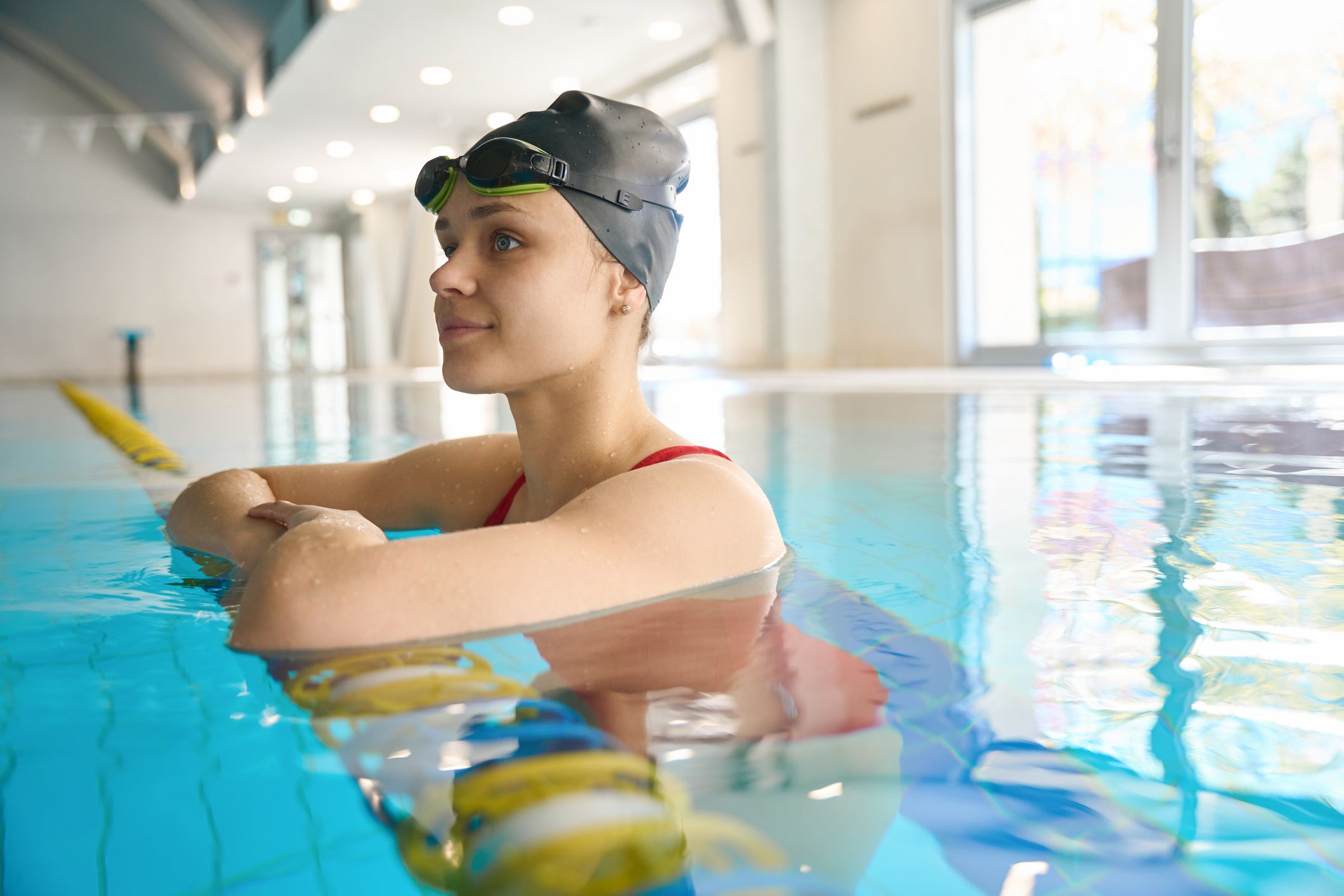

Swimming is more than just a fun activity; it’s packed with benefits for your body and mind. It’s a top-notch exercise that helps you lose weight, feel happier, and stay healthy. This low-impact sport is great for people of all ages, boosting heart health and working out most muscles.
Research shows swimming can also reduce stress and improve sleep. It’s perfect for those who want to stay fit, have fun, and meet new people. Learning why swimming is good for you is the first step to a healthier life. It can bring lasting benefits to your well-being.
Weight Loss and Caloric Burn
Swimming is great for losing weight and getting fit. It’s fun and burns lots of calories. Different strokes help tone muscles and make your body leaner.
Efficient Caloric Expenditure
Harvard Medical School says a 125-pound person burns 180 calories swimming slowly for 30 minutes. Swimming fast can burn up to 300 calories. Heavier people burn even more calories.
For example, a 185-pound person burns about 266 calories swimming slowly. Swimming fast can burn up to 444 calories. This shows swimming is good for losing weight, like running but easier on your joints.
Muscle Building and Toning
Swimming does more than just burn calories. It also builds and tones muscles. Different strokes work different muscles.
Butterfly swimming for 30 minutes can burn about 450 calories. Freestyle swimming burns around 300 calories. Using kickboards and aqua dumbbells can target specific areas better.
Switching between strokes keeps workouts interesting. It also helps burn fat and shape your body.
| Weight (lbs) | Leisurely Swimming (30 mins) Calories Burned | Vigorous Swimming (30 mins) Calories Burned | Running (5 mph) Calories Burned | Running (7.5 mph) Calories Burned |
|---|---|---|---|---|
| 125 | 180 | 300 | 240 | 375 |
| 155 | 223 | 372 | 298 | 465 |
| 185 | 266 | 444 | 355 | 555 |
Benefits of Swimming for Health
Swimming offers many benefits of regular swimming for health. It’s a low-impact exercise that’s good for your body. It helps improve your heart health and keeps your joints happy.
Enhanced Cardiovascular Fitness
Swimming is great for your heart and lungs. It makes them work better and builds muscle strength. It also lowers the risk of heart disease by 41%.
Swimmers have better blood pressure and artery health. This is good for their long-term health.
Joint-Friendly Exercise
Swimming is easy on your joints. It’s perfect for people with joint problems or recovering from injuries. It’s also good for beginners.
Swimming can help with joint pain, especially for those with osteoarthritis. It’s also good for bone health in post-menopausal women. It helps prevent osteoporosis.
| Health Benefit | Details |
|---|---|
| Cardiovascular Fitness | Reduces risk of heart disease; improves blood pressure and arterial stiffness. |
| Joint Health | Minimises stress on joints; helpful for individuals with arthritis. |
| Mood Enhancement | Can alleviate stress and improve overall mental well-being. |
| Bone Health | May prevent osteoporosis in post-menopausal women. |
| Overall Mortality Risk | Swimmers have a 53% lower all-cause mortality risk. |
Swimming is key for a healthy lifestyle. It boosts your heart health and is easy on your joints. It’s also good for your mood and overall well-being.
Improved Sleep Quality
Regular swimming brings big swimming benefits for mental health, especially for sleep. Studies show that swimming can help regulate sleep patterns. It’s a great option for those with insomnia or poor sleep.
Swimming is a top sport in the US, ranking fourth, according to the Centers for Disease Control and Prevention.
A study in Advances in Preventive Medicine found that exercise helps with sleep issues. Swimmers often feel better, with less anxiety and stress. This helps with conditions like arthritis and dementia, leading to better sleep.
Swimming relaxes the body, reducing stress and releasing happy hormones. Beginners can start with short swims, gradually increasing. A typical swim session for beginners lasts 20-30 minutes, growing to 45-60 minutes for more experienced swimmers. Keeping up with a routine is key for lasting benefits.
| Day Type | Total Sleep Time | Awake Time |
|---|---|---|
| Swim Days | Under 7 hours | 1 hour |
| Recovery Days | About 8.5 hours | 30 minutes |
On swim days, people sleep less and wake up more than on rest days. Swimming around 1 p.m. helps relieve stress and boosts mood. The mix of water’s calmness and exercise’s intensity is key for better sleep. Lighter workouts or just being near water can also help with sleep and relaxation.
Mental Health and Stress Reduction
Swimming has many benefits for mental health, helping to reduce stress and improve mood. It can make you feel accomplished and boost your self-esteem. A survey found that 74 percent of swimmers use swimming to release stress and tension.
Boost in Mood and Mental Health
Exercise lowers stress hormones and boosts mood. Swimming is especially good for mental health. It makes 70 percent of swimmers feel mentally refreshed.
The water’s buoyancy creates a relaxing environment. This is why swimming is so therapeutic.
Mindfulness in the Water
Swimming is great for mindfulness, helping you focus away from daily distractions. It’s like yoga in the water. Research shows that 30 minutes of swimming can improve sleep quality.
Many Americans struggle with poor sleep. Swimming is a great way to stay fit and mentally well.
Swimming also helps you meet people, reducing loneliness. Studies show that swimming can instantly improve mood and sleep. So, swimming is a smart choice for better mental health.
| Survey Finding | Percentage |
|---|---|
| Swimming helps release stress and tension | 74% |
| Participation in water boosts self-esteem | 68% |
| Swimming enhances mental refreshment | 70% |
| Adverse sleep quality linked to stress | 42% |
Swimming Perks for Pregnant Women
Pregnancy changes a woman’s body, making safe exercise key. Swimming is a top choice, offering many benefits for expectant mothers. The water’s buoyancy eases joint pain, helping with swelling and back issues.
The American College of Obstetricians and Gynecologists says swimming is safe during pregnancy. It’s good for both mom and baby.
Swimming boosts mood and stamina, offering emotional support during pregnancy. It’s a low-impact workout that works the whole body. It helps manage pregnancy challenges.
Swimming can lead to better sleep and less fatigue. A 2019 study found it might shorten labours. Swimming three to five times a week is ideal, balancing activity and rest.
Water workouts can include shallow and deep exercises, fitting each pregnancy stage. This variety keeps the routine interesting and effective.
However, pregnant women should swim in pools, not natural waters, for safety. Avoid hot water to prevent overheating. Wearing maternity swimsuits and buoyancy belts can make swimming more comfortable.
Swimming is great for both physical and mental health during pregnancy. It combines relaxation, fitness, and health benefits, making motherhood a happier journey.
Reasons to Swim Regularly
Swimming regularly brings many benefits for fitness. It improves both physical and mental health. It’s great for people of all ages and fitness levels.
Swimming combines strength training, endurance, and muscle conditioning. Just 30 minutes of swimming three times a week can boost your energy. It increases your metabolic rate.
Swimming also helps lower the risk of chronic conditions. For example, it can reduce the risk of heart disease, stroke, and type 2 diabetes. It’s low-impact, making it perfect for those recovering from injuries or looking for gentle exercise.
Swimming is easy to access, thanks to indoor pools at community centres. This makes it convenient to stay active.
Swimming also reduces stress and improves mood. It helps alleviate stress and boosts optimism. This activity fosters a supportive community through team training or group classes.
With so many benefits, swimming is a rewarding lifestyle choice. It motivates people to embrace this enriching activity.
FAQ
What are the overall benefits of swimming?
Swimming is great for losing weight, improving heart health, and boosting mental wellbeing. It also helps you sleep better. It works out almost all major muscles and is good for all ages.
How does swimming contribute to weight loss?
Swimming burns a lot of calories. You can burn about 423 calories per hour at a moderate pace. At a vigorous pace, it’s up to 715 calories. This makes swimming a good way to lose weight without hurting your joints.
Is swimming safe for individuals with joint problems?
Yes, swimming is safe for people with joint issues or arthritis. The water’s buoyancy reduces joint stress.
What impact does swimming have on sleep quality?
Swimming can improve sleep quality and length. It helps regulate sleep patterns and fight insomnia. This leads to better, more restful sleep.
Can swimming help improve mental health?
Absolutely! Swimming can make you feel happier, reduce stress, and release endorphins. These are key for better mental health.
What are the benefits of swimming during pregnancy?
Swimming is safe for pregnant women and can ease swelling and back pain. It also boosts mood and energy. It’s a great exercise for expecting mothers.
Why should people swim regularly?
Regular swimming boosts both physical and mental health. It’s a holistic way to stay healthy and fits all fitness levels.
Discussion about this post