

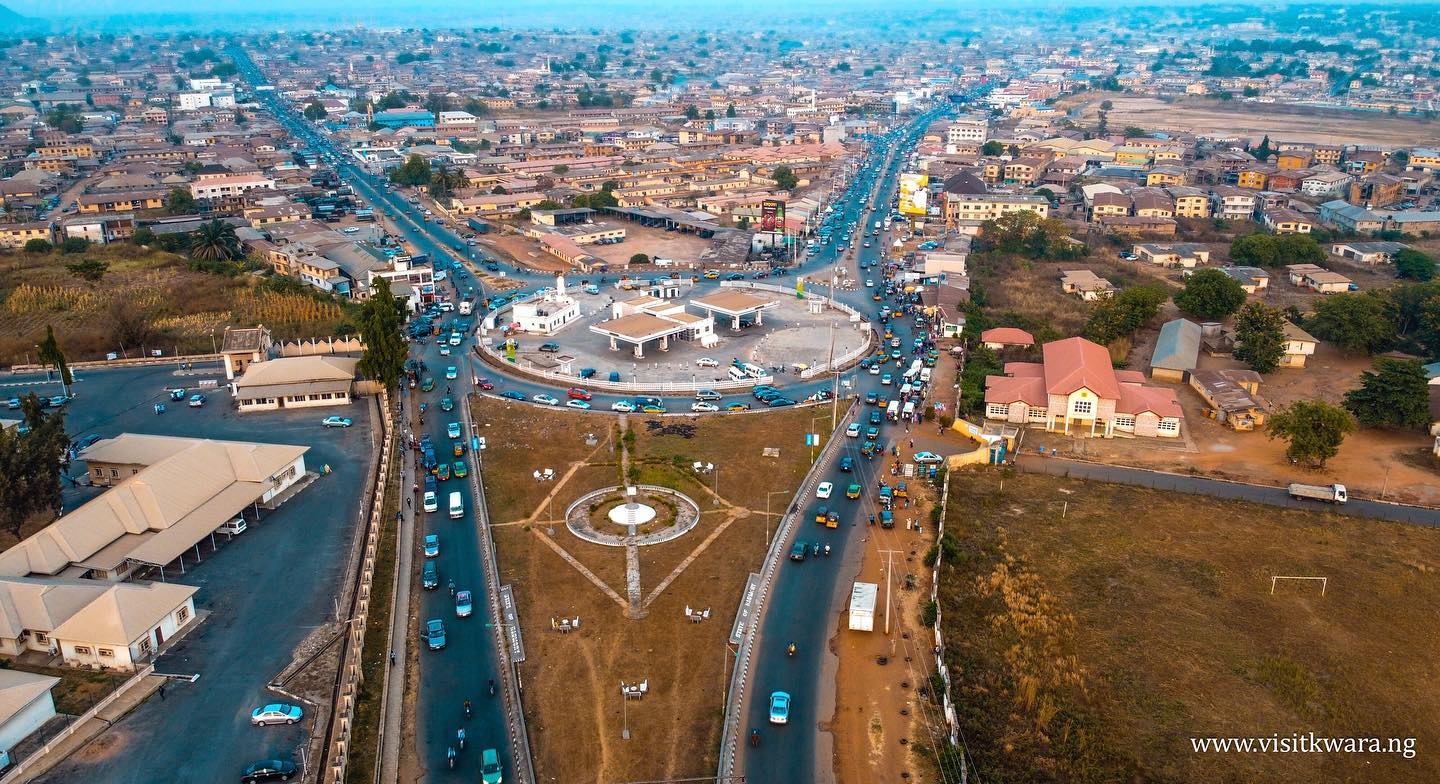

Nestled in the heart of Nigeria, Kwara State stands as a testament to the rich tapestry of cultures, histories, and peoples that make up this diverse nation.
As you explore this captivating region, you’ll discover a land where tradition and modernity intertwine, creating a unique blend of experiences for visitors and residents alike. From its fascinating historical roots to its vibrant contemporary culture, Kwara State offers a glimpse into the essence of Nigeria’s complex identity.
In this article, you’ll delve into the Kwara state’s history, meet its people, and uncover the cultural treasures that make Kwara a truly remarkable place.
Overview of Kwara State, Nigeria
Nestled in the heart of North Central Nigeria, Kwara State is a hidden gem waiting to be explored. Known as the “State of Harmony,” it’s a place where diverse cultures blend seamlessly, creating a unique tapestry of traditions and customs. You’ll find yourself captivated by its rich history, dating back to the ancient Nupe and Yoruba kingdoms.
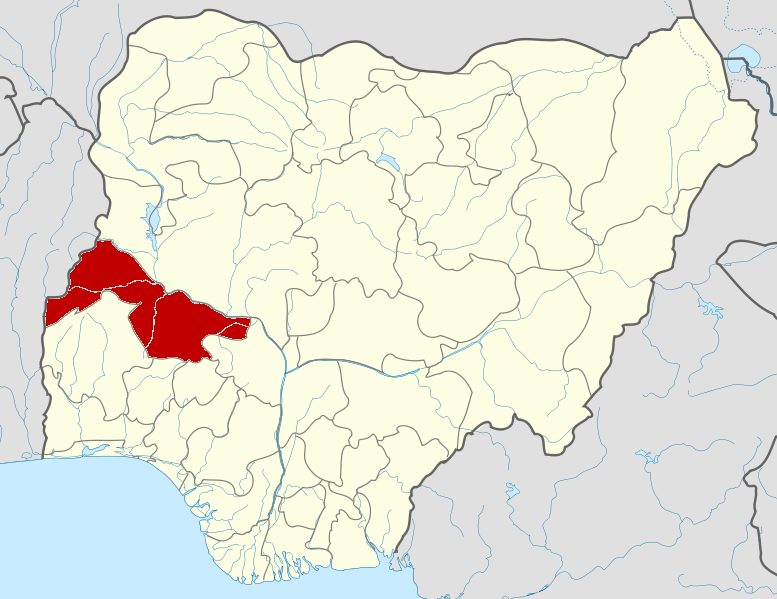
As you journey through Kwara, you’ll be struck by its natural beauty. The state boasts lush landscapes, rolling hills, and the majestic Niger River flowing along its northern border. But Kwara isn’t just about scenic views, it’s also an economic powerhouse. With abundant agricultural resources and a growing industrial sector, the state is rapidly developing while maintaining its cultural heritage.
In Kwara, you’ll encounter a vibrant mix of ethnic groups, including Yoruba, Nupe, Bariba, and Fulani. This diversity is reflected in the state’s colorful festivals, traditional arts, and mouthwatering cuisine. Whether you’re exploring the bustling streets of Ilorin, the state capital, or venturing into rural communities, you’ll experience the warmth and hospitality that Kwara is famous for.
History of Kwara State
Kwara State, often called the “State of Harmony,” has a rich and fascinating history that’s as diverse as its people. You might be surprised to learn that this Nigerian state wasn’t always known by its current name.
Before the British arrived, the area now known as Kwara was home to various ethnic groups, each with their own unique traditions and governance systems. The Yoruba, Nupe, and Bariba peoples were among the major inhabitants, creating a vibrant tapestry of cultures.
During the colonial period, the region became part of the Northern Protectorate. It wasn’t until 1967 that Kwara State was officially created as one of Nigeria’s 12 states. Since then, it’s undergone several boundary changes, shaping the Kwara you know today.
In recent decades, Kwara has seen significant growth in education, agriculture, and industry. The state’s capital, Ilorin, has transformed into a bustling urban center, while still maintaining its cultural heritage. As you explore Kwara, you’ll find a unique blend of traditional values and modern progress at every turn.
Geography of Kwara State
Kwara State boasts a diverse landscape that’ll take your breath away. You’ll find yourself surrounded by lush savannas, rolling hills, and winding rivers that shape the region’s unique character. The state’s geography is a tapestry of natural wonders, with the Niger River forming its northern boundary and the Osun River meandering through the south.
Whether you’re exploring the state’s natural beauty or settling in for a visit, Kwara’s geography and climate offer a dynamic backdrop for your Nigerian adventure.
Climate
Kwara State’s climate is a tropical savanna wonderland that’ll keep you on your toes! You’ll experience two distinct seasons here: a wet season from April to October and a dry season from November to March.
During the rainy months, you can expect frequent downpours that turn the landscape into a lush, green paradise. The air gets humid, and temperatures hover around a comfortable 75°F to 85°F (24°C to 29°C). It’s the perfect time to witness nature in full bloom!
Dry Season Surprises
When the dry season rolls in, things heat up, literally! You’ll feel the mercury rising, with daytime temperatures sometimes soaring above 100°F (38°C). But don’t worry, the nights cool down significantly, offering a refreshing break from the heat.
One unique feature you might encounter is the harmattan, a dry and dusty wind that blows in from the Sahara. It can reduce visibility and make the air feel extra crisp, so keep that lip balm handy!
People and Culture of Kwara State
Kwara State boasts a rich tapestry of cultures, with a diverse population that makes it a true melting pot. As you explore this vibrant Nigerian state, you’ll encounter a fascinating blend of traditions, languages, and customs that reflect its unique heritage.
Ethnic Diversity
The state is home to various ethnic groups, including the Yoruba, Nupe, Bariba, and Fulani. Each community brings its own distinct flavor to Kwara’s cultural landscape, creating a harmonious mix of traditions that have coexisted for generations.
Language and Communication
While English serves as the official language, you’ll hear a symphony of local dialects as you travel through Kwara. Yoruba is widely spoken, but you’ll also encounter Nupe, Bariba, and Fulani languages, adding to the linguistic diversity of the region.
Festivals and Celebrations
Get ready to immerse yourself in Kwara’s vibrant festival scene! From the colorful Durbar celebrations to the lively Egungun masquerades, you’ll witness age-old traditions come to life. These events not only showcase the state’s cultural heritage but also bring communities together in joyous celebration.
Population
Kwara State’s population is as diverse as it is dynamic. As of 2024, you’re looking at a bustling community of over 3 million people. But it’s not just about the numbers, it’s about the vibrant mix of cultures and backgrounds that call Kwara home.
Urban vs. Rural Distribution
You’ll find a pretty even split between city dwellers and those living in more rural areas. The state capital, Ilorin, is a major urban center, but don’t discount the charm of smaller towns and villages scattered across the landscape.
Age Demographics
Kwara’s got a youthful vibe, with a significant portion of the population under 30. This young workforce is driving innovation and economic growth across the state.
Ethnic Diversity
Here’s where it gets really interesting. Kwara’s a melting pot of different ethnic groups. You’ve got the Yoruba, Nupe, Bariba, and Fulani, just to name a few. This diversity is reflected in the rich tapestry of languages, customs, and traditions you’ll encounter as you explore the state.
Major Cities and Local Governments in Kwara State
Kwara State boasts several vibrant urban centers that serve as hubs for commerce, education, and culture. Ilorin, the state capital, stands out as the largest city, blending modern amenities with rich historical heritage. You’ll find a bustling metropolis with universities, markets, and the iconic Central Mosque. Other noteworthy cities include Offa, known for its textile industry, and Omu-Aran, a rapidly developing commercial center.
Local Government Areas
Kwara State is divided into 16 Local Government Areas (LGAs), each with its unique characteristics and contributions to the state’s diversity. From the agricultural powerhouse of Edu LGA in the north to the cultural melting pot of Ifelodun LGA in the south, these administrative units play crucial roles in grassroots governance. The LGAs in Kwara State are:
- Asa
- Baruten
- Edu
- Ekiti
- Ifelodun
- Ilorin East
- Ilorin South
- Ilorin West
- Irepodun
- Isin
- Kaiama
- Moro
- Offa
- Oke Ero
- Oyun
- Pategi
Languages
When you step into Kwara State, you’ll find yourself immersed in a rich tapestry of languages that reflect the diverse cultural heritage of the region. While English serves as the official language, you’ll quickly discover that it’s just the tip of the linguistic iceberg.
As you explore the state, you’ll hear Yoruba spoken widely. It’s the primary language for most Kwarans, with its melodic tones and expressive idioms coloring everyday conversations. Don’t be surprised if locals greet you with a warm “E kaabo!” (Welcome!).
But Kwara’s linguistic landscape doesn’t stop there. You’ll encounter a fascinating array of indigenous languages, each with its own unique flavor.
Languages of Kwara State listed by LGA:
| LGA | Languages |
|---|---|
| Asa | Yoruba |
| Baruten | Baatonum |
| Edu | Nupe |
| Ekiti | Yoruba |
| Ifelodun | Yoruba |
| Ilorin East | Yoruba |
| Ilorin South | Yoruba |
| Ilorin West | Yoruba |
| Isin | Yoruba |
| Irepodun | Yoruba |
| Kaiama | Bokobaru |
| Moro | Yoruba |
| Offa | Yoruba |
| Oke Ero | Yoruba |
| Oyun | Yoruba |
| Pategi | Nupe |
Other languages spoken in Kwara State include Busa, Boko, and Sorko.
This linguistic diversity adds depth to Kwara’s cultural identity, making your visit a truly immersive experience.
Governor of Kwara State
As a resident or visitor to Kwara State, you might be curious about who’s at the helm of this diverse Nigerian state. The governor plays a crucial role in shaping policies, driving development, and representing the interests of Kwarans.
The current governor of Kwara State is AbdulRahman AbdulRazaq. He took office on May 29, 2019, and was re-elected in 2023 after winning the gubernatorial election. As the state’s chief executive, AbdulRazaq is responsible for implementing policies, managing state resources, and working towards the overall development of Kwara.
Under AbdulRazaq’s leadership, Kwara has seen various initiatives aimed at improving education, healthcare, and infrastructure. You might notice ongoing projects or policy changes that directly affect your daily life in the state. From road constructions to educational reforms, the governor’s decisions shape the landscape of Kwara.
Economy and Key Industries in Kwara State
Kwara State’s economy is a vibrant mix of agriculture, manufacturing, and services. You’ll find that agriculture is the backbone of the state’s economy, with crops like yam, cassava, and maize dominating the landscape. But don’t think it’s all about farming – Kwara has been making strides in diversifying its economic base.
Manufacturing and Industry
In recent years, you’ve probably noticed an uptick in manufacturing activities. The state boasts several industrial estates where you can find everything from food processing plants to textile factories. It’s not uncommon to see smoke rising from the chimneys of sugar refineries or hear the hum of machinery in pharmaceutical companies.
Service Sector and Tourism
If you’re more into services, Kwara’s got you covered too. The state capital, Ilorin, is a hub for banking, telecommunications, and retail. And let’s not forget tourism – with attractions like Owu Falls and Esie Museum, you might just find yourself planning a visit to experience the natural beauty and rich culture firsthand.
Remember, Kwara’s economy is always evolving, so keep an eye out for new developments in this dynamic state!
Education
Education plays a vital role in Kwara State’s development, with the government making significant strides to improve access and quality. The state boasts a mix of public and private institutions, from primary schools to universities, catering to its diverse population.
Primary and Secondary Education
Kwara State has implemented various initiatives to boost enrollment and reduce dropout rates. The Universal Basic Education program has been instrumental in providing free education for children aged 6-15. Many schools now offer modern facilities and qualified teachers, though challenges remain in rural areas.
Higher Education
The state is home to several renowned institutions, including the University of Ilorin and Kwara State University. These universities offer a wide range of programs, attracting students from across Nigeria and beyond. Technical colleges and vocational centers also provide practical skills training, helping to address unemployment issues.
Ongoing Challenges
Despite progress, Kwara State still faces hurdles in its education sector. Overcrowded classrooms, inadequate infrastructure, and the need for more qualified teachers are ongoing concerns. However, the government’s commitment to education reform shows promise for future improvements.
Healthcare in Kwara State
When it comes to healthcare, Kwara State has made significant strides in recent years. You’ll find a mix of public and private facilities scattered across the state, ranging from small clinics to larger hospitals. The state government has been working to improve access to quality care, especially in rural areas.
Public Health Initiatives
Kwara has launched several public health programs aimed at tackling common issues. You’ll see efforts to reduce infant and maternal mortality rates through better prenatal care and childbirth services. There’s also a push to improve sanitation and access to clean water, which helps prevent the spread of waterborne diseases.
Challenges and Opportunities
Despite progress, challenges remain. If you live in a rural area, you might still face difficulties accessing specialized care. The state is working to address this by training more healthcare workers and improving infrastructure. There’s also an increasing focus on preventive care and health education to help you stay healthy before problems arise.
As Kwara continues to develop, you can expect to see ongoing improvements in the healthcare sector. It’s an exciting time of growth and change for the state’s medical landscape.
Tourist Attractions and Things to Do in Kwara State
Here are some tourist attractions in Kwara state:
Owe Kajita Waterfalls
You’ll be mesmerized by the cascading beauty of Owe Kajita Waterfalls. Located in Ilorin, this natural wonder offers a refreshing escape from the city bustle. Pack a picnic and spend the day exploring the lush surroundings.
Esie Museum
Step back in time at the Esie Museum, home to over 800 soapstone figurines. You’ll be fascinated by these mysterious sculptures, some dating back to the 12th century. It’s a must-visit for history buffs and art enthusiasts alike.
Ilorin Central Mosque
Marvel at the architectural splendor of Ilorin Central Mosque. Its towering minarets and intricate designs are a sight to behold. Remember to dress modestly if you plan to enter.
Owu Falls
Adventure seekers, don’t miss Owu Falls! As Nigeria’s highest waterfall, it’s a spectacular sight. You’ll need to hike to reach it, but the journey through lush forests is part of the experience.
Notable People from Kwara State
These are some of the notable people from Kwara State:
- Dr. Bukola Saraki – Former President of the Nigerian Senate and influential political figure.
- Femi Adebayo, actor and film producer
- Abdulfatah Ahmed, banker and politician
- Simon Ajibola, politician
- Abdulrahman Abdulrazaq – Current Governor of Kwara State.
- Alhaji Lai Mohammed – Minister of Information and Culture of Nigeria.
- Toyin Saraki – Philanthropist and founder of the Wellbeing Foundation Africa.
- Yinka Quadri – Legendary Nollywood Actor.
- Moji Afolayan – Renowned Actor.
- Lágbájá, musician
These notable individuals from Kwara State have made significant contributions in various fields, including politics, religion, entertainment, media, and culture. Their achievements showcase the rich talent and diversity that Kwara has to offer.
Frequently Asked Questions
These are some frequently asked questions and answers about Kwara State.
What is Kwara State known for?
Kwara State is renowned for its rich cultural heritage and natural beauty. You’ll find the state famous for its stunning Owu Waterfall, one of Nigeria’s highest waterfalls. It’s also home to the historic Esie Museum, housing mysterious soapstone figures. Agriculture plays a big role here, with Kwara known for its yam, cassava, and rice production.
Is Kwara State safe for tourists?
While Kwara is generally considered safer than some other Nigerian states, it’s always wise to exercise caution when traveling. You’ll want to stay alert, especially in crowded areas, and avoid traveling at night. It’s a good idea to check current travel advisories before your trip and stick to well-traveled tourist areas.
What languages are spoken in Kwara State?
In Kwara, you’ll hear a variety of languages. English is widely used, but Yoruba is the predominant local language. You might also encounter speakers of Nupe, Bariba, and Fulani, reflecting the state’s diverse ethnic makeup. Learning a few basic Yoruba phrases can really enhance your experience and help you connect with locals.
Conclusion
As you’ve discovered, Kwara State offers a rich tapestry of history, culture, and diversity. From its founding in 1967 to its present-day status as a thriving Nigerian state, Kwara has continually evolved while maintaining its unique identity.
The state’s blend of ethnic groups, languages, and traditions creates a vibrant social landscape that captivates visitors and residents alike. Whether you’re drawn to its natural beauty, intrigued by its economic potential, or fascinated by its cultural heritage, Kwara State has something to offer.
Discussion about this post