

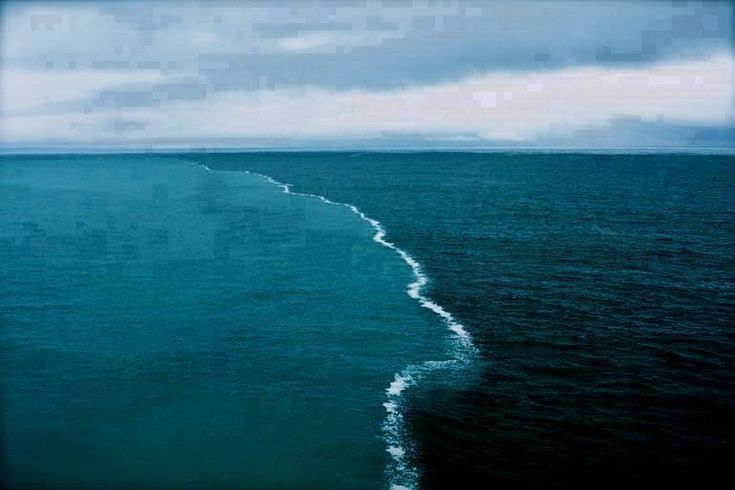

Have you ever gazed out at the vast expanse of the ocean and wondered just how big it really is? As you contemplate the immensity of Earth’s waters, you may find yourself curious about which ocean holds the title of largest on our planet.
Understanding the scale and significance of the world’s oceans is crucial, as these bodies of water play a vital role in regulating climate, supporting diverse ecosystems, and facilitating global trade. In this article, you’ll discover the largest ocean in the world, and explore some fascinating facts about this aquatic giant.
Defining the Largest Ocean in the World
When you think about the largest ocean in the world, your mind might immediately conjure images of vast, endless blue waters stretching to the horizon. But how do we actually define and measure the world’s biggest ocean?
Size and Scope
The largest ocean in the world covers an enormous area of our planet’s surface. It’s so immense that it’s almost difficult to comprehend its true scale. This massive body of water spans multiple hemispheres and touches the shores of numerous continents.
To put it in perspective, imagine combining the landmass of all the continents, and then doubling it. That’s roughly the size we’re talking about when we define the largest ocean in the world. It’s a watery giant that plays a crucial role in our planet’s climate, weather patterns, and marine ecosystems.
Boundaries and Naming
Interestingly, defining the exact boundaries of the largest ocean can be a bit tricky. Oceans don’t have clear-cut borders like countries do. They flow into one another, creating a continuous body of water that encircles the globe.
Geographers and oceanographers have established general boundaries based on continents, undersea features, and currents. But these lines aren’t always set in stone, and different organizations might have slightly varying definitions.
What is the Largest Ocean in the World?
The Largest Ocean in the World is the Pacific Ocean. This massive body of water covers an astonishing 63.8 million square miles (165.25 million square kilometers), which is about 46% of the Earth’s water surface and roughly 32% of its total surface area. To put that into perspective, it’s larger than all of Earth’s land area combined!

The Pacific Ocean stretches from the Arctic Ocean in the north to the Southern Ocean (or Antarctica, depending on definition) in the south. It’s bounded by Asia and Australia in the west and the Americas in the east. At its widest point between Indonesia and Colombia, the Pacific spans a whopping 12,300 miles (19,800 kilometers).
Not only is it the largest ocean in the world by surface area, but it’s also the deepest. The Challenger Deep in the Mariana Trench, located in the western Pacific, plunges to a depth of 35,876 feet (10,935 meters), that’s almost 7 miles down!
The Pacific Ocean is home to an incredible variety of marine life. From vibrant coral reefs teeming with colorful fish to the mysterious creatures of the deep sea, this vast ocean supports countless ecosystems. It’s also where you’ll find the Great Barrier Reef, the world’s largest coral reef system, stretching over 1,400 miles off Australia’s coast.
The Pacific Ocean was named by Ferdinand Magellan in 1520, who called it “Mar Pacífico” (Peaceful Sea) due to its calm nature.
As the largest ocean in the world, the Pacific plays a crucial role in global climate patterns. It’s the birthplace of El Niño and La Niña, weather phenomena that can affect temperatures and rainfall worldwide. The ocean’s immense size and ability to absorb heat make it a key player in regulating Earth’s climate and weather systems.
Depth and Diversity of the Largest Ocean in the World
The Pacific Ocean isn’t just expansive in area; it’s also mind-bogglingly deep. Imagine diving down to the Challenger Deep in the Mariana Trench, the deepest known point on Earth at nearly 11,000 meters (36,000 feet) below sea level. That’s like stacking 11 Empire State Buildings on top of each other!
The Pacific’s immense size and varied depths create a playground for an astounding array of marine life. From the colorful coral reefs teeming with tropical fish in the shallow waters to the bizarre, bioluminescent creatures lurking in the inky blackness of the deep, this ocean is bursting with biodiversity. Did you know that scientists estimate there could be over a million species yet to be discovered in the Pacific’s depths?!
Islands and Ecosystems Galore
Dotting the surface of the largest ocean in the world are countless islands, each with its own unique ecosystem. From the lush, volcanic landscapes of Hawaii to the remote atolls of Micronesia, these islands are like oases in a vast blue desert. They’re home to plants and animals found nowhere else on Earth, making the Pacific a hotspot for ecological research and conservation efforts.
Influence on Global Climate
The Pacific Ocean isn’t just a passive body of water; it’s a major player in shaping our planet’s climate. Ever heard of El Niño and La Niña? These climate patterns, born in the Pacific, can affect weather worldwide. The ocean’s enormous size allows it to absorb and distribute heat around the globe, making it a crucial regulator of Earth’s temperature.
The Importance of the Pacific Ocean Ecosystem
The Pacific Ocean, the largest ocean in the world, is home to a diverse and vital ecosystem that plays a crucial role in our planet’s health. Let’s dive into seven key reasons why this vast expanse of water is so important:
Biodiversity Hotspot
The Pacific Ocean teems with life, from microscopic plankton to massive blue whales. It’s home to over 25% of the world’s marine species, making it a treasure trove of biodiversity. This rich variety of life is essential for maintaining ecological balance and providing potential medical and scientific breakthroughs.
Climate Regulation
As the largest ocean in the world, the Pacific plays a significant role in regulating global climate patterns. Its massive size allows it to absorb and distribute heat, helping to moderate temperatures across the globe. The ocean’s currents, like the famous El Niño and La Niña, influence weather patterns worldwide.
Carbon Sink
The Pacific Ocean acts as a crucial carbon sink, absorbing a substantial amount of carbon dioxide from the atmosphere. This process helps mitigate the effects of climate change by reducing greenhouse gases in our atmosphere. However, this also leads to ocean acidification, a challenge that needs addressing.
Economic Importance
From fishing to tourism, the Pacific Ocean supports millions of jobs and contributes significantly to the global economy. Sustainable management of its resources is vital for ensuring long-term economic benefits while preserving the ecosystem.
Cultural Significance
For many Pacific Island nations and coastal communities, the ocean is an integral part of their cultural identity. It’s not just a resource but a living entity deeply woven into their traditions, legends, and way of life.
Scientific Research
The Pacific Ocean offers endless opportunities for scientific discovery. From studying deep-sea creatures to understanding plate tectonics, this vast body of water continues to reveal new insights about our planet’s past, present, and future.
Food Security
As a major source of protein for billions of people worldwide, the Pacific Ocean plays a crucial role in global food security. Sustainable fishing practices are essential to ensure this vital food source remains available for future generations.
Threats and Challenges Facing the Pacific Ocean
The Pacific faces numerous environmental challenges that threaten its delicate ecosystems and the life it supports. As stewards of our planet, we must understand these issues to protect this vital body of water.
Climate Change and Ocean Acidification
The Pacific Ocean is bearing the brunt of global warming. Rising temperatures are causing coral bleaching, disrupting marine habitats, and altering migration patterns. But that’s not all, as the ocean absorbs more CO2, it’s becoming more acidic. This change in chemistry makes it harder for shellfish and other marine creatures to build their protective shells, potentially unraveling entire food webs.
Plastic Pollution and Marine Debris
We’ve all seen the heartbreaking images of sea turtles tangled in plastic bags or beaches littered with trash. The largest ocean in the world has become a dumping ground for our waste. Microplastics are now found in the deepest trenches and most remote islands of the Pacific, affecting marine life at every level of the food chain, and ultimately, us.
Overfishing and Illegal Fishing Practices
The Pacific’s rich fishing grounds are being pushed to their limits. Overfishing is depleting fish stocks faster than they can replenish, while destructive fishing practices like bottom trawling are wreaking havoc on seafloor habitats. Illegal, unreported, and unregulated fishing further compounds these issues, making it challenging to manage fish populations sustainably.
Coastal Development and Habitat Loss
As coastal populations grow, we’re seeing increased pressure on Pacific shorelines. Mangrove forests and seagrass beds, critical nurseries for marine life, are being cleared for development. This not only impacts biodiversity but also reduces natural buffers against storms and sea-level rise, leaving coastal communities more vulnerable to climate change impacts.
Addressing these challenges requires global cooperation and individual action. By understanding the threats facing the largest ocean in the world, we can work together to protect this incredible resource for future generations.
Conserving the Largest Ocean for Future Generations
As stewards of our planet, we have a responsibility to protect the largest ocean in the world for generations to come. The Pacific Ocean, spanning a vast 63.8 million square miles, plays a crucial role in regulating our climate and supporting an incredible diversity of marine life. But this magnificent ecosystem faces numerous threats that require our immediate attention and action.
You might wonder why conserving the largest ocean in the world should matter to you. Well, the Pacific Ocean isn’t just a distant body of water, it’s a vital part of our global ecosystem. It produces over half of the world’s oxygen, absorbs carbon dioxide, and regulates our weather patterns. Plus, it’s home to countless species, many of which we rely on for food and economic stability.
Threats to the Pacific
Unfortunately, human activities are putting immense pressure on this delicate ecosystem. Overfishing, plastic pollution, and climate change are just a few of the challenges the Pacific faces. Each year, millions of tons of plastic waste end up in our oceans, harming marine life and potentially entering our food chain.
What You Can Do
The good news? There are many ways you can help conserve the largest ocean in the world:
- Reduce your plastic use by opting for reusable items
- Choose sustainable seafood options
- Support organizations working to protect marine habitats
- Participate in local beach clean-ups
Remember, even small actions can make a big difference when it comes to preserving our oceans. By working together, we can ensure that the Pacific Ocean continues to thrive for generations to come.
Top 5 Largest Ocean in the World
Let’s dive into the top five largest oceans that cover our beautiful blue planet.
Pacific Ocean: The Big Kahuna
The Pacific Ocean takes the crown as the largest ocean in the world. Covering a whopping 63 million square miles, it’s so massive that it could fit all the continents combined with room to spare! From the icy waters of Alaska to the tropical paradise of Hawaii, the Pacific is home to an incredible diversity of marine life and ecosystems.
Atlantic Ocean: The Great Divide
Coming in second is the Atlantic Ocean, stretching from the Arctic to Antarctica. It’s famous for separating the Old World from the New, and played a crucial role in exploration and trade throughout history. The Atlantic is still an impressive 41 million square miles!
Indian Ocean: The Warmest of Them All
The Indian Ocean claims the third spot, known for its warm waters and monsoon-driven currents. It stretches for more than 6,200 miles (10,000 km). It’s bordered by Africa, Asia, and Australia, creating a unique blend of cultures along its coastlines. This ocean is a vital trade route and home to some of the world’s most stunning tropical islands.
Southern Ocean: The New Kid on the Block
Also known as the Antarctic Ocean, this relatively newly recognized body of water encircles Antarctica. It’s the fourth largest and plays a crucial role in the Earth’s climate system. It has a size of 21,960,000 km2 (8,480,000 sq mi).
Arctic Ocean: The Frozen Frontier
Last but not least, the Arctic Ocean is the smallest and shallowest of the bunch. It is about 2,500 miles long and 1,500 miles wide, with a total area of about 5.4 million square miles.
Don’t let its size fool you, though, it’s home to unique wildlife like polar bears and narwhals. Climate change is having a significant impact on this delicate ecosystem, making it a focus of environmental concern.
There you have it, a whirlwind tour of the world’s five largest oceans. Each one is unique and plays a vital role in our planet’s health and diversity. Next time you’re at the beach, take a moment to appreciate the vastness of the ocean before you, it might just be part of the largest ocean in the world!
Frequently Asked Questions
These are some frequently asked questions about the Largest Ocean in the World.
How big is the Pacific Ocean?
The Pacific Ocean, which is the largest ocean in the world, covers an impressive area of approximately 63.8 million square miles (165.25 million square kilometers). This vast expanse accounts for about 46% of the Earth’s water surface and about 32% of its total surface area. To put this into perspective, the Pacific Ocean is larger than all of Earth’s land area combined.
What makes the Pacific Ocean unique?
Apart from being the largest ocean in the world, the Pacific Ocean boasts several distinctive features. It contains the deepest known point on Earth, the Challenger Deep in the Mariana Trench, which plunges to a depth of about 36,200 feet (11,000 meters). The Pacific is also home to the Great Barrier Reef, the world’s largest coral reef system, and the Ring of Fire, a region characterized by frequent earthquakes and volcanic eruptions.
How does the Pacific Ocean compare to other oceans?
When comparing the largest ocean in the world to others, the Pacific Ocean dwarfs its counterparts. It is nearly twice the size of the Atlantic Ocean, the second-largest ocean. The Indian Ocean comes in third, followed by the Southern Ocean and the Arctic Ocean. This size difference significantly impacts global climate patterns, marine biodiversity, and even human activities such as shipping and fishing.
What impact does the Pacific Ocean have on global climate?
As the largest ocean in the world, the Pacific plays a crucial role in regulating Earth’s climate. It influences weather patterns through phenomena like El Niño and La Niña, which can cause significant temperature and precipitation changes worldwide. The ocean’s vast size also makes it a major carbon sink, absorbing a substantial amount of atmospheric carbon dioxide and helping to mitigate global warming effects.
Conclusion
As you’ve learned, the Pacific Ocean reigns supreme as Earth’s largest ocean by far. Its vast expanse covers nearly one-third of the planet’s surface, dwarfing the other oceans in both area and volume. From the icy waters of Alaska to the tropical paradise of Polynesia, the Pacific’s diversity of marine life and ecosystems is unmatched.
Understanding the immense scale and importance of this mighty ocean is crucial as we face global challenges like climate change and overfishing. By appreciating the Pacific’s majesty and fragility, you can become a better steward of our blue planet and help preserve this watery wonder for generations to come.
Discussion about this post