

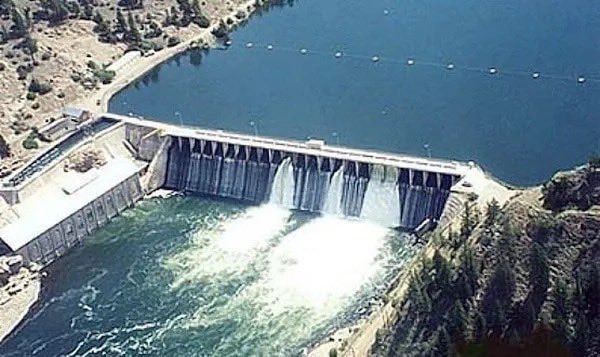

Have you ever wondered about the location of one of Nigeria’s most significant hydroelectric power sources? Kainji Dam, a marvel of engineering and a crucial component of Nigeria’s energy infrastructure, has been generating electricity and controlling the flow of the Niger River for decades.
As you delve into this article, you’ll discover the precise geographical location of this impressive structure. You’ll also gain insights into its importance for the region’s power supply and economy. Join us as we explore the whereabouts of Kainji Dam and uncover its role in shaping Nigeria’s energy landscape.
What is Kainji Dam?
Kainji Dam isn’t just any ordinary dam. It’s a massive hydroelectric facility that plays a crucial role in Nigeria’s power supply. Kainji Dam was built between 1964 and 1968. Construction began in 1964 and was completed in 1968, with the dam officially opening in 1969.
This concrete dam stretches an impressive 10 kilometers across the Niger River, creating a reservoir that covers over 1,250 square kilometers.
Kainji Dam’s powerhouse contains 8 turbine-alternator groups, including 4 Kaplan-type rated at 80 MW, 2 turbines, Kaplan-type rated at 100 MW, and two propeller turbines rated at 120 MW, capable of generating up to 960 megawatts of electricity. That’s enough to power hundreds of thousands of homes and businesses across the nation!
But Kainji Dam’s impact goes beyond electricity. The reservoir it created, Lake Kainji, has become a vital resource for the region. It supports a thriving fishing industry, provides irrigation for agriculture, and even offers opportunities for tourism and recreation.
The dam also plays a crucial role in flood control, helping to manage the Niger River’s seasonal fluctuations. This protection is invaluable for communities downstream, safeguarding lives and livelihoods.
History and Construction of Kainji Dam
The Kainji Dam project was born out of Nigeria’s need for reliable electricity and flood control in the mid-20th century. As you might imagine, planning for such a massive undertaking was no small feat. The idea first took shape in the late 1950s, when Nigeria was still under British colonial rule.
Construction of the Kainji Dam began in 1964, shortly after Nigeria gained independence. The project was a testament to the young nation’s ambition and determination. As you can imagine, building a massive dam in the heart of West Africa came with its fair share of challenges. Workers battled harsh weather conditions, logistical nightmares, and technical hurdles.
The dam’s location presented unique engineering challenges. But through perseverance and ingenuity, the construction team overcame these obstacles. The dam was completed in 1968, marking a significant milestone in Nigeria’s development.
When the Kainji Dam was finally completed, it dramatically transformed the surrounding landscape and the lives of nearby communities. The creation of Lake Kainji behind the dam displaced thousands of people, requiring careful resettlement efforts.
However, the benefits of the dam were substantial. It provided much-needed hydroelectric power to Nigeria’s growing cities and industries. Additionally, the dam helped control flooding along the Niger River, making agriculture more predictable for farmers downstream.
Today, the Kainji Dam stands as a symbol of Nigeria’s progress and potential. Its history is a testament to the country’s ability to tackle large-scale infrastructure projects and overcome significant challenges.
Where is Kainji Dam Located in Nigeria?

Kainji Dam is nestled in the heart of west-central Nigeria, straddling Niger State and Kebbi State. Let’s dive into the specifics of its location and why it’s such a significant landmark.
Kainji Dam is situated on the Niger River, approximately 9°51’45″N latitude and 4°36’48″E longitude. This places it about 150 kilometers (93 miles) upstream from the city of Jebba. The dam’s strategic position allows it to harness the power of Nigeria’s longest river. The Kainji Dam is located in Borgu Local Government Area of Niger State, Nigeria.
When you visit Kainji Dam, you’ll find yourself surrounded by lush tropical savanna. The dam’s creation has resulted in the formation of Lake Kainji, a massive artificial lake that stretches for about 136 kilometers upstream. This picturesque setting has become a haven for wildlife and a popular spot for fishing and tourism. The lake is between 9° 8′ to 10° 7′ latitude and 4° 5′ to 4° 7′ E longitude. The lake is about 139 kilometers long and 24 kilometers wide at its widest point.
You can reach Kainji Dam by road from major Nigerian cities. It’s about 560 kilometers from Lagos and 360 kilometers from the capital, Abuja. The nearest town, New Bussa, serves as a gateway for visitors eager to explore this engineering wonder.
Now you know it’s not just a point on a map, but a vital piece of infrastructure nestled in a breathtaking natural setting. Its location on the Niger River makes it a crucial source of hydroelectric power for the country, while also offering opportunities for tourism and ecological studies.
Purpose and Functions of Kainji Dam
The Kainji Dam serves multiple crucial purposes for the country’s development and infrastructure. These are the main purposes and functions of the Kainji Dam:
Hydroelectric Power Generation
One of the primary functions of Kainji Dam is to generate electricity. As Nigeria’s largest hydroelectric power station, it plays a vital role in meeting the country’s growing energy demands. The dam harnesses the power of the Niger River to produce clean, renewable energy, reducing reliance on fossil fuels and contributing to a more sustainable future.
Flood Control and Water Management
Another critical purpose of the Kainji Dam is flood control. By regulating the flow of the Niger River, the dam helps prevent devastating floods downstream during the rainy season. This protection is crucial for communities and agricultural lands along the river’s banks.
Agricultural and Fishing Benefits
The reservoir created by Kainji Dam, known as Lake Kainji, provides water for irrigation, supporting agriculture in the surrounding areas. Additionally, the lake has become a thriving ecosystem for various fish species, boosting the local fishing industry and providing a source of livelihood for many Nigerians.
Tourism and Recreation
While not its primary purpose, the Kainji Dam and Lake Kainji have become popular tourist destinations. Visitors can enjoy activities like boating, fishing, and wildlife viewing in the nearby Kainji Lake National Park. This unexpected benefit has contributed to the local economy and raised awareness about where Kainji Dam is located in Nigeria.
Understanding the multifaceted purposes of Kainji Dam highlights its importance to Nigeria’s infrastructure and development. Its strategic location and diverse functions make it a cornerstone of the country’s energy, water management, and economic strategies.
Kainji Dam’s Challenges and Future Prospects
Despite its importance, Kainji Dam faces challenges. Siltation, aging infrastructure, and occasional droughts have affected its performance over the years. However, ongoing rehabilitation efforts aim to restore and even increase its generating capacity.
As Nigeria continues to grow and develop, the role of Kainji Dam in the country’s power generation will remain crucial. Its strategic location and multi-faceted benefits make it an invaluable asset in Nigeria’s quest for reliable and sustainable energy.
Key Facts About Kainji Dam
Let’s dive into some fascinating facts about this impressive structure:
- Location: Kainji Dam is situated on the Niger River in Niger State, northwestern Nigeria.
- Construction: Built between 1964 and 1968, the dam was a major engineering feat for its time.
- Size: The dam is approximately 10 kilometers long and 65 meters high, making it one of the largest dams in Africa.
- Purpose: Its primary functions include hydroelectric power generation, flood control, and irrigation.
- Power output: The dam’s power station has an installed capacity of 760 megawatts, providing electricity to Nigeria and neighboring countries.
- Lake creation: The dam’s construction created Lake Kainji, a massive artificial lake covering an area of about 1,250 square kilometers.
- Environmental impact: While beneficial for power and irrigation, the dam’s creation led to the displacement of local communities and altered the ecosystem.
- Tourism: The dam and its surrounding area have become popular tourist attractions, offering opportunities for fishing, boating, and wildlife viewing.
- Economic importance: Kainji Dam plays a crucial role in Nigeria’s economy, supporting agriculture, fishing, and industrial development in the region.
Now you know it’s in Niger State, but its impact reaches far beyond its immediate location. From powering homes to supporting agriculture, this impressive structure continues to shape Nigeria’s landscape and economy.
Frequently Asked Questions
These are some frequently asked questions and answers about the location of Kainji Dam.
What is the purpose of Kainji Dam?
The primary purpose of Kainji Dam is hydroelectric power generation. It plays a crucial role in Nigeria’s energy infrastructure, providing a significant portion of the country’s electricity. Additionally, the dam helps regulate water flow in the Niger River, aids in flood control, and supports irrigation for agriculture in the surrounding regions.
When was Kainji Dam constructed?
Construction of Kainji Dam began in 1964 and was completed in 1968. The project was a collaborative effort between the Nigerian government and international partners, including the World Bank and the United Nations Development Programme (UNDP).
How does Kainji Dam impact the local environment?
While Kainji Dam has brought numerous benefits, it has also had environmental impacts. The creation of Lake Kainji led to the displacement of local communities and altered the ecosystem of the Niger River. However, the lake has become an important habitat for various fish species and supports a thriving fishing industry in the area.
Can tourists visit Kainji Dam?
Yes, Kainji Dam is open to tourists. Visitors can enjoy scenic views of the dam and Lake Kainji, learn about its history and operation, and even participate in water-based activities on the lake. The nearby Kainji Lake National Park also offers opportunities for wildlife viewing and eco-tourism.
Conclusion
As you’ve learned, Kainji Dam is located in Niger State, Nigeria, spanning the Niger River. This impressive hydroelectric dam plays a crucial role in Nigeria’s power infrastructure and economy. By understanding its location and significance, you gain valuable insight into Nigeria’s energy landscape and development efforts.
As Nigeria continues to grow and develop, Kainji Dam will likely remain a key asset, providing electricity and water management for years to come. Its strategic location makes it an enduring landmark worth remembering.
Discussion about this post