

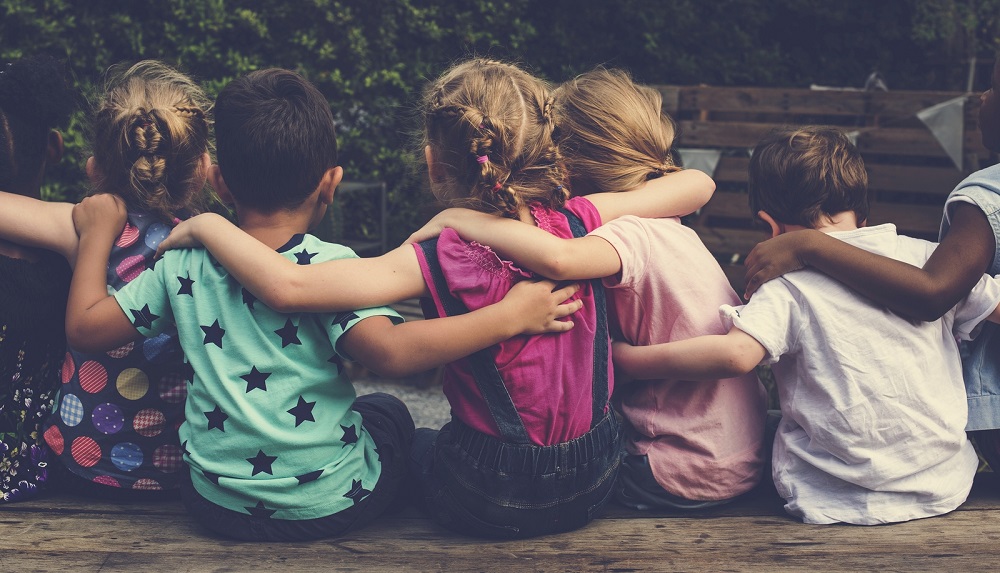

Building strong relationships with your classmates is key to a positive learning environment. It boosts your grades, helps you make lasting friends, and improves college. This article will show why it’s important and give you 10 tips.
There are many ways to connect with your classmates. Join clubs, go to campus events, and talk in class. These actions help you meet people and feel part of a community. Strong bonds, like networking and teamwork, can also open doors to new chances.
Key Takeaways
- Building strong relationships with your classmates can improve your academic performance and overall college experience
- Joining extracurricular activities and attending campus events can help you meet new people and strengthen social connections
- Engaging in class discussions and participating in office hours can help you build strong relationships with professors and classmates
- Networking with other students can help you expand your social circle and form alliances
- Maintaining communication with important connections post-course completion is crucial for sustaining relationships
- Being respectful of others’ time and opinions is essential for building trust and rapport
- Building strong relationships with your classmates requires effort, patience, and a willingness to take the initiative
The Foundation of Classroom Connections
Knowing how important teacher-student relationships are is key to creating a positive classroom environment. Studies show that saying hello at the door can make students focus more, reduce trouble, and build good relationships. This simple step can help develop interpersonal connections and start the class right.
Building relationships with students means spending quality time with them, being real, and caring about their lives. For instance, the 2×10 strategy, where teachers spend two minutes with hard-to-reach students, can build trust. Also, remembering shared moments, like classroom events or school trips, can strengthen the bond between teacher and student.
Here are some benefits of building strong relationships in the classroom:
- Increased student motivation and self-efficacy
- Improved academic achievement
- Reduced bullying and dropout rates
- Improved social and emotional capacities
Teachers can make students feel important, respected, and supported by focusing on relationships and creating a positive classroom environment. This can lead to better grades and a more positive school experience. Teachers can lay a strong foundation for a supportive learning community by developing interpersonal connections with students.
| Strategy | Benefit |
|---|---|
| Positive greetings | Increase students’ time on task, reduce disruptions |
| 2×10 strategy | Create a foundation of trust and connection |
| Recalling shared experiences | Strengthen the bond between teacher and student |
Building Strong Relationships with Your Classmates: Essential Communication Strategies
Building strong relationships with your classmates is key to enhancing communication skills. This means listening well, speaking clearly, and respectfully handling tough talks. These actions help foster teamwork and make the classroom a better place.
Good communication is vital for strong bonds. By asking about interests and listening well, you show you care about their views. Simple steps like asking questions or joining group talks can make a big difference.
Active Listening Techniques for Better Understanding
Active listening means focusing fully on what someone says, getting their point, and responding well. You can do this by maintaining eye contact, nodding, and asking questions to clarify things.
Expressing Yourself Clearly and Confidently
It’s important to share your thoughts and feelings. Speak up, use “I” statements, and don’t interrupt others. This helps you communicate well.
Navigating Difficult Conversations with Grace
Handling tough talks can be hard, but it’s a chance to grow. Listen well, stay calm, and respond thoughtfully. This way, you can have respectful and empathetic conversations.
Creating Meaningful Bonds Through Shared Experiences
Shared experiences are key in forming friendships and partnerships. Students can connect through extracurricular activities, group projects, and study groups. Joining student clubs and attending campus events are great ways to meet new people and bond socially.
Collaborative learning helps build strong relationships among classmates. By working together, students build trust and respect for each other. This leads to more active participation in class and a stronger sense of community. Ways to encourage this include:
- Participating in group activities and projects
- Encouraging teamwork and collaboration in the classroom
- Providing opportunities for students to work together on assignments and projects
Creating chances for shared experiences and collaborative learning helps students bond with their classmates. This makes for a more positive and supportive academic environment. It helps students establish friendship bonds and build collaborative partnerships that can last a lifetime.
Fostering Trust and Mutual Respect in Academic Settings
We need open communication and empathy to cultivate trust and respect among classmates. We create a positive classroom environment where everyone feels valued. This way, students build strong relationships, making learning more successful and fun.
Some ways to foster trust and respect include:
- Setting clear boundaries and expectations
- Being authentic and approachable
- Offering social-emotional support and interventions
These strategies make the classroom welcoming and inclusive. Students feel safe sharing their thoughts and ideas. Educators help students feel part of a community by creating a positive classroom environment. This leads to better academic and emotional outcomes.
Research also shows that trust is key in positive school relationships. It affects student outcomes and well-being. By focusing on trust-building, educators can cultivate trust and respect among students. This creates a supportive and collaborative learning space.
| Strategy | Benefits |
|---|---|
| Setting clear boundaries | Establishes expectations, promotes respect |
| Being authentic and approachable | Builds trust, fosters open communication |
| Offering social-emotional support | Enhances student well-being, promotes academic success |
Transforming Classroom Relationships into Lifelong Connections
As the school year goes on, your friendships in class can last forever. These interpersonal connections and strengthening social connections help build a network that supports you after school.
The friendships you make in class offer many benefits. They can lead to future job opportunities and personal growth. Stay in touch with your classmates on social media and professional networks. This way, you can ask for advice or work together later on.
Discussion about this post