

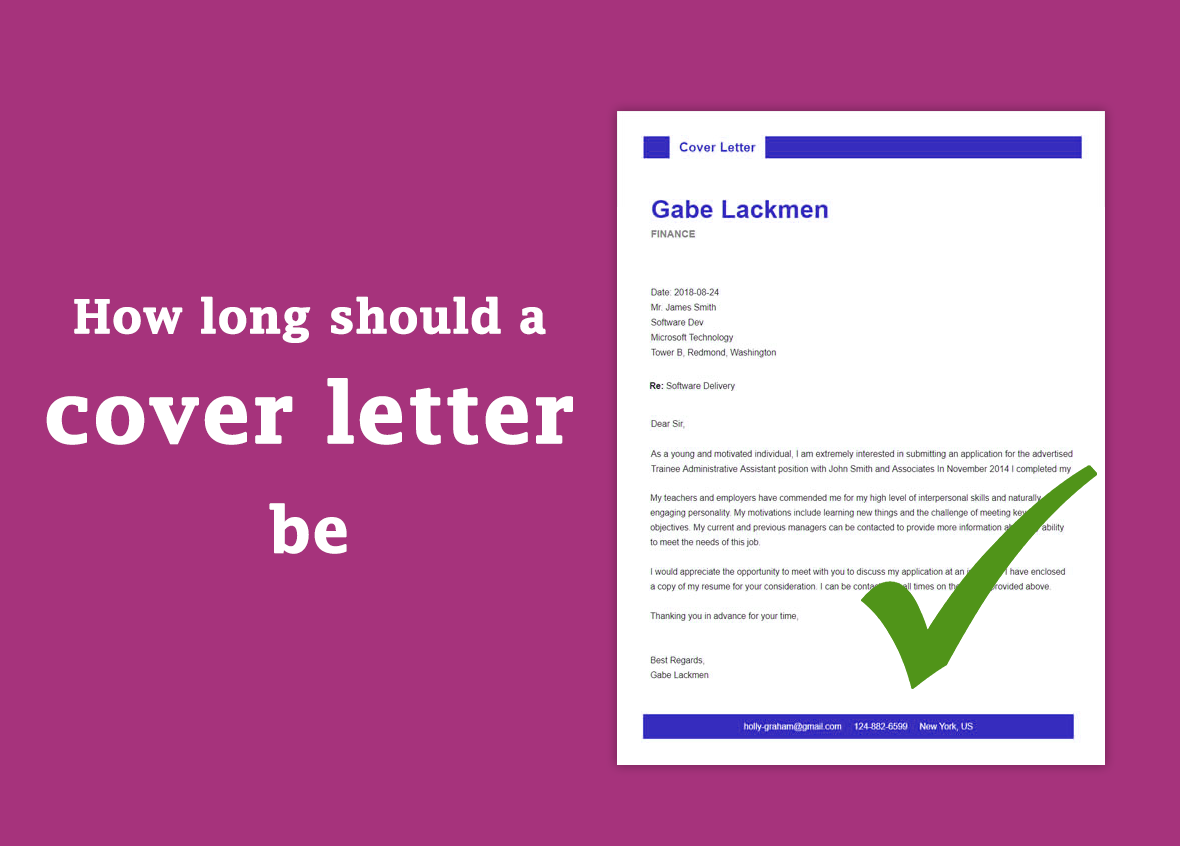

A cover letter is your introduction to potential employers—an important document that connects your resume with your personality. It’s your opportunity to share your professional story, highlight relevant achievements, and explain why you’re the ideal candidate for the position.
The length of your cover letter can greatly impact your job application. In 2025’s competitive job market, hiring managers often spend only a few seconds reviewing application materials. Your cover letter must be concise yet compelling enough to capture their attention and keep them interested.
As we navigate the changing job landscape of 2025, with more automation and AI-driven hiring processes, a well-written cover letter remains essential to showcase your human qualities. The right length ensures you:
- Respect the recruiter’s time
- Present your qualifications effectively
- Stand out from other candidates
- Demonstrate your communication skills
Finding the right balance between too short and too long is crucial. A properly sized cover letter reflects professionalism and attention to detail—qualities employers value in potential team members.
Cover Letter Basics
A cover letter serves as your introduction to potential employers. This professional document highlights your qualifications, experiences, and enthusiasm for a specific role. Think of it as your chance to tell your career story in a compelling way that your resume’s bullet points can’t capture.
Essential Components of an Effective Cover Letter:
- Header: Your contact information and the employer’s details
- Greeting: A personalized salutation addressing the hiring manager
- Opening Paragraph: Your introduction and specific position interest
- Body Paragraphs: Your relevant skills and achievements
- Closing Paragraph: Your call to action and appreciation
Your cover letter works in tandem with your resume to create a complete professional profile. While your resume lists your qualifications and experience, your cover letter brings these credentials to life through storytelling and context. You’ll demonstrate how your skills align with the company’s needs and explain why you’re the ideal candidate.
Key Elements That Make Your Cover Letter Stand Out:
- Direct connection between your experience and job requirements
- Specific examples of relevant achievements
- Professional tone that matches company culture
- Clear demonstration of research about the organization
- Unique value proposition that sets you apart from other candidates
A well-crafted cover letter transforms your application from a collection of facts into a compelling narrative that captures the hiring manager’s attention and creates a memorable impression.
Ideal Length for Cover Letters
The recommended length for a cover letter is one page maximum. This standard holds across industries and remains a crucial guideline for job seekers in 2025.
Your cover letter should contain 250-400 words across 3-4 concise paragraphs. This length allows you to:
- Present your key qualifications
- Demonstrate your enthusiasm for the role
- Showcase specific examples of your achievements
- Address the company’s needs
A well-structured cover letter within this word count range demonstrates your communication ability. Recruiters spend an average of 7 seconds scanning application documents – a precise, focused letter increases your chances of capturing their attention.
Consider these length guidelines for each section:
- Header and contact information: 2-3 lines
- Greeting: 1 line
- Opening paragraph: 50-80 words
- Body paragraph(s): 150-200 words
- Closing paragraph: 50-70 words
- Sign-off: 1-2 lines
Pro tip: If you’re struggling to fit your content within one page, prioritize quality over quantity. Each sentence should serve a specific purpose and directly relate to the job requirements.
The rise of Applicant Tracking Systems (ATS) in 2025 makes concise communication even more critical. These systems often flag unnecessarily lengthy cover letters, potentially affecting your application’s success rate.
Factors Influencing Cover Letter Length
Your cover letter’s length varies significantly based on several key factors:
1. Industry Standards
- Creative sectors (marketing, design, advertising) welcome personality-driven narratives that might extend slightly longer
- Corporate environments (finance, law, banking) prefer succinct, formal letters around 250 words
- Technical fields value precision with focused content highlighting specific skills
2. Job Level Requirements
- Entry-level positions: Keep it brief (250-300 words) focusing on enthusiasm and potential
- Mid-level roles: Target 300-350 words to showcase relevant achievements
- Executive positions: Up to 400 words to detail leadership experience and strategic vision
3. Application Types
- Solicited applications: Structure your length based on specific job requirements
- Unsolicited applications: Maintain brevity (250-300 words) while clearly stating your value proposition
- Internal positions: Brief content focusing on company knowledge and growth potential
4. Position-Specific Considerations
- Customer-facing roles: Demonstrate communication skills through clear, concise writing
- Research positions: Include detailed project descriptions while maintaining readability
- Management roles: Balance leadership examples with concrete results
Adjust your cover letter’s length based on the specific company culture and hiring practices. A startup might appreciate a more conversational tone with personal anecdotes, while a traditional corporation expects strict adherence to formal business communication standards.
Formatting Your Cover Letter
A well-formatted cover letter creates a strong visual impact and enhances readability. You have two primary formatting options to choose from:
1. Block Format
- All text aligned to the left margin
- No paragraph indentation
- Double spacing between paragraphs
- Clean, professional appearance
2. Modified Block Format
- Contact information and date right-aligned
- Body text left-aligned
- Optional paragraph indentation
- Creates visual interest while maintaining professionalism
Your cover letter should include these essential sections:
Header
- Your contact information
- Date
- Recipient’s details
- Professional greeting
Introduction (1-2 paragraphs)
- State the position you’re applying for
- Mention your referral source
- Express enthusiasm for the role
Body (1-2 paragraphs)
- Highlight relevant achievements
- Connect your experience to job requirements
- Include specific examples
Closing Paragraph
- Thank the reader
- Include a call to action
- Professional signature
For maximum readability:
- Use 1-inch margins
- Select a professional font (Arial, Calibri, Times New Roman)
- Set font size between 10-12 points
- Maintain consistent spacing throughout
- Leave white space between sections
These formatting elements create a professional document that’s easy to scan and digest, allowing your qualifications to shine through.
Common Mistakes Related to Length in Cover Letters
Many job seekers struggle to find the right cover letter length balance. Here are the critical mistakes you need to avoid:
Over-explaining
- Writing lengthy paragraphs about every job you’ve held
- Including irrelevant personal information
- Repeating information already present in your resume
- Using excessive examples to prove a single point
Under-explaining
- Submitting a three-sentence cover letter
- Failing to address specific job requirements
- Using generic templates without customization
- Skipping important achievements or qualifications
Red Flags to Watch For
- Wall-of-text paragraphs exceeding 7 lines
- Single-paragraph letters lacking structure
- Detailed storytelling that strays from professional focus
- Copy-pasted content that doesn’t match the job description
Your cover letter loses impact when you ramble about non-essential details. A hiring manager spending just 30 seconds scanning your letter needs to grasp your value proposition quickly. Similarly, an overly brief letter suggests lack of interest or effort.
Consider this example: Instead of writing three paragraphs about your customer service experience, highlight one significant achievement with measurable results. Rather than stating “I have excellent communication skills,” describe a specific project where your communication skills led to positive outcomes.
The key lies in balancing providing enough context and maintaining engagement. Each paragraph should serve a clear purpose in showcasing your fit for the role.
Tailoring Your Cover Letter’s Length for Specific Jobs
A personalized cover letter speaks directly to the hiring manager’s needs. You’ll want to adjust your cover letter’s content density based on the specific requirements listed in each job posting.
For Technical Positions:
- Focus on specific programming languages or technical skills
- Include measurable achievements with data points
- Keep technical jargon balanced with clear explanations
For Creative Roles:
- Showcase your unique voice and writing style
- Demonstrate creativity through storytelling
- Highlight relevant portfolio pieces
For Management Positions:
- Emphasize leadership experiences
- Include team size and budget responsibilities
- Describe strategic initiatives you’ve led
Your cover letter’s length should reflect the complexity of the role. Entry-level positions typically require shorter, focused letters highlighting core competencies. Senior roles might need additional space to detail extensive experience and achievements.
Key Elements to Include:
- Direct references to company projects or values
- Specific examples matching job requirements
- Clear connections between your experience and role needs
Remember to scan job descriptions for keywords and incorporate them naturally into your letter. This helps your application pass through Applicant Tracking Systems (ATS) while maintaining readability for human reviewers.
A tailored cover letter demonstrates your genuine interest in the position and shows you’ve researched the company. Each paragraph should serve a purpose, connecting your skills to the employer’s needs.
The Role of Additional Verification in Job Applications: How It Relates to Cover Letter Length
Your cover letter is an important part of employers’ verification process to assess candidates. During the hiring process, employers take several steps to verify information:
- Background Checks: Confirming employment history and educational qualifications
- Reference Checks: Contacting former employers or professional references
- Social Media Screening: Reviewing online presence and professional profiles
- Skills Assessment: Validating claimed skills and qualifications
The length and content of your cover letter can significantly impact these verification processes. A well-organized cover letter that is the right length can help employers:
- Compare information with your resume
- Identify specific claims that need verification
- Evaluate consistency in your professional story
- Assess communication skills and attention to detail
Length Impact on Verification:
- Too Long: Providing excessive details can create more points for verification, potentially slowing down the hiring process
- Too Short: Insufficient information may require additional follow-up, extending the verification timeline
- Just Right: Balanced content allows for efficient verification while maintaining credibility
The length of your cover letter should support the verification process by providing clear and verifiable information that matches your resume and professional background. Each statement you include becomes a potential point for verification by employers, making it crucial to have concise and accurate content.
Conclusion
Your cover letter is your marketing tool in 2025’s competitive job market. A well-crafted letter between 250-400 words shows your ability to communicate effectively while respecting hiring managers’ time constraints.
Key elements of an effective cover letter:
- Clear, concise language that highlights your relevant skills
- Tailored content matching specific job requirements
- Professional formatting with proper spacing and structure
- Balance between showcasing achievements and maintaining brevity
The ideal cover letter length varies by industry and position level, but maintaining a focus on quality content remains crucial. Your letter should tell a compelling story about your professional journey and potential value to the organization.
Remember: A strong cover letter complements your resume by providing context to your qualifications. The goal isn’t to repeat your resume but to create a narrative that connects your experience to the employer’s needs.
Tips for success:
- Keep paragraphs short and focused
- Use bullet points strategically
- Include specific examples of achievements
- Maintain a professional tone throughout
A thoughtfully crafted cover letter within appropriate length guidelines demonstrates your communication skills and respect for professional standards.
Further Resources
Need help perfecting your cover letter? Professional career consultants can provide personalized guidance tailored to your industry and experience level.
Valuable Resources for Cover Letter Writing:
- LinkedIn’s Cover Letter Writing Guide
- Indeed’s Cover Letter Templates
- Harvard Career Services Cover Letter Tips
Professional Writing Assistance:
- University career centers
- Professional resume writing services
- Industry-specific career coaches
- Online writing workshops
These resources offer templates, examples, and expert advice to help you craft a compelling cover letter that meets the ideal length requirements while showcasing your unique value proposition.
Discussion about this post