

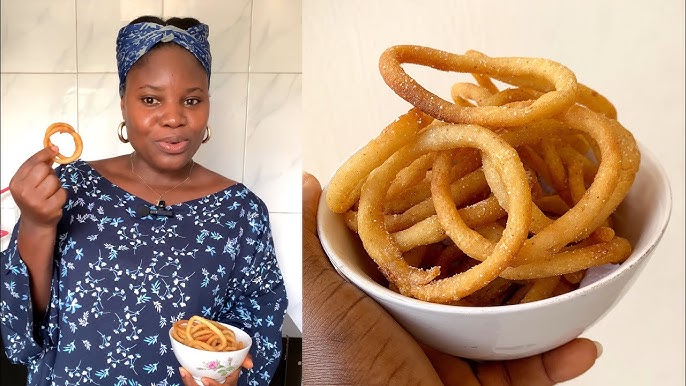
As you explore the vibrant culinary landscape of Nigeria, you’ll discover a diverse array of snacks that tantalize the taste buds and reflect the country’s rich cultural heritage. From street corners to upscale cafes, these savory and sweet treats are an integral part of Nigerian daily life.
Whether you’re a curious traveler or a food enthusiast, understanding the various types of snacks in Nigeria will enhance your appreciation of this West African nation’s gastronomy. In this article, we’ll explore the different types of snacks in Nigeria, learning about their ingredients, preparation methods, and cultural significance. Prepare to indulge your senses and expand your culinary horizons.
What are Snacks?
A snack is a small portion of food consumed between meals. A snack is typically less than 200 calories, though this might vary. Snacks are available in a variety of forms, including packaged snack foods and other processed foods, as well as homemade items created with fresh ingredients.
When it comes to types of snacks, Nigeria boasts a rich variety that’ll make your taste buds dance! These quick, often portable treats serve multiple purposes: they satisfy sudden hunger pangs, provide a quick energy boost, or simply offer a moment of culinary joy.
From crunchy chin-chin to savory puff-puff, Nigerian snacks reflect the country’s diverse culinary traditions. Whether you’re grabbing a quick bite on the go or settling in for a movie night, these snacks have got you covered.
Types of Snacks in Nigeria
When it comes to satisfying your cravings, Nigeria offers a diverse array of mouthwatering treats. The types of snacks you’ll encounter in Nigeria are as varied as its culture.
From savory to sweet, traditional to modern, Nigerian snacks cater to every palate. You’ll find street vendors selling crispy chin-chin, a popular fried pastry, alongside roasted plantains that tantalize your taste buds. Don’t miss out on puff-puff, those irresistible deep-fried dough balls that melt in your mouth. Whether you’re exploring bustling markets or attending social gatherings, these delectable types of snacks are sure to keep your hunger at bay and your taste buds dancing.
Kuli Kuli

Kuli Kuli is a popular Nigerian snack made from groundnuts (peanuts). This crunchy, protein-packed treat originated in Northern Nigeria and has become a beloved street food across the country.
Kuli Kuli is made by grinding roasted peanuts into a paste, mixing it with spices like ginger and salt, then shaping it into small balls or sticks. These are then deep-fried until golden and crispy. Traditionally eaten as a quick energy boost or accompaniment to drinks, Kuli Kuli is now enjoyed any time of day.
Kuli Kuli is rich in protein, healthy fats, and vitamins, it’s one of the most nutritious types of snacks in Nigeria. Its unique flavor and satisfying crunch make it a standout among Nigerian street foods.
Puff Puff

Puff puff is a beloved Nigerian street snack and one of the most popular types of snacks in the country. These golden, spherical fritters are made from a simple dough of flour, yeast, sugar, and water. After rising, the dough is deep-fried in hot oil, creating a crispy exterior and soft, airy interior.
Puff puff likely originated from Dutch and Portuguese influences during colonial times. Typically enjoyed as a breakfast treat or afternoon snack, these addictive bites are often served with spicy pepper sauce. While not the healthiest option, puff puff does provide some carbohydrates and small amounts of protein. Their irresistible taste and texture make them a staple among Nigerian snacks.
Plantain Chips

Plantain chips are a popular type of snack in Nigeria and across West Africa. These crispy, savory treats are made from sliced green plantains, a starchy cousin of the banana. The plantains are thinly sliced, then deep-fried until golden and crunchy. This simple yet delicious snack has its roots in traditional African cuisine, where plantains have been a staple food for centuries.
Typically enjoyed as a quick bite between meals or as a party snack, plantain chips offer a satisfying crunch and subtle sweetness. They’re packed with fiber, potassium, and vitamins A and C, making them a relatively nutritious option among types of snacks. Whether homemade or store-bought, these chips have become a beloved part of Nigerian snack culture.
Coconut Candy
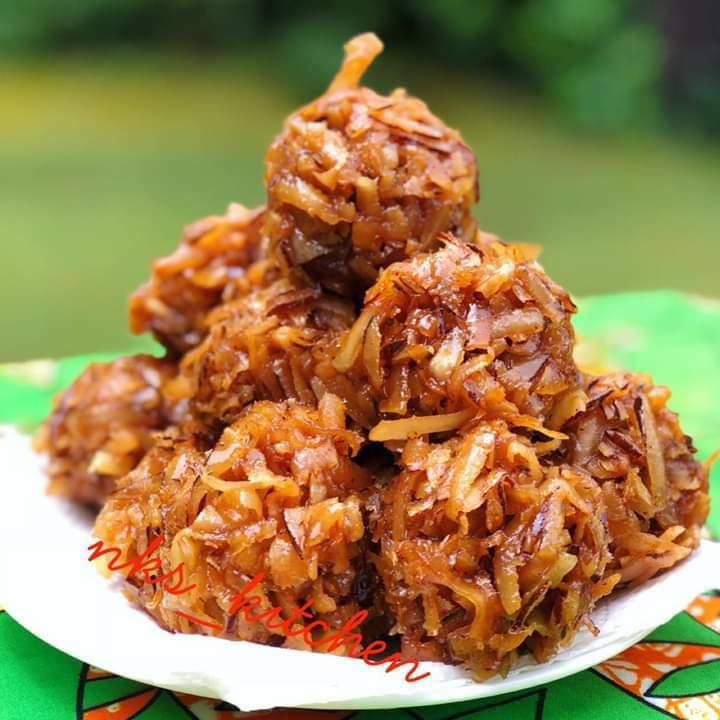
Coconut candy is a sweet treat that’s popular among the types of snacks enjoyed in Nigeria. This confection features shredded coconut mixed with sugar and sometimes condensed milk, formed into small balls or bars. Originating from Nigeria’s coastal regions, where coconuts grow abundantly, this candy has been a local favorite for generations.
To make coconut candy, fresh coconut is grated and combined with sugar, then heated until it forms a sticky mixture. Some recipes add condensed milk for extra creaminess. The warm mixture is then shaped and left to cool and harden.
Nigerians often enjoy this sweet snack as a dessert or quick energy boost. While high in sugar, coconut candy also provides some fiber and healthy fats from the coconut. It’s a tasty way to experience a bit of Nigerian culinary tradition.
Nigerian Meat pie

Nigerian meat pie, a beloved snack in the types of snacks enjoyed across Nigeria, is a savory pastry filled with a spicy meat mixture. This handheld treat originated from British meat pies but evolved to suit local tastes. Made with a flaky shortcrust pastry and stuffed with seasoned minced beef, potatoes, and carrots, it’s a satisfying on-the-go meal.
The filling is cooked separately before being encased in dough and baked until golden brown. Nigerians enjoy meat pies any time of day, from quick breakfasts to afternoon snacks. While not the healthiest option, they provide protein, carbohydrates, and some vitamins from the vegetables. The convenience and flavor of meat pies have made them a staple in Nigerian snack culture.
Suya
:max_bytes(150000):strip_icc()/4619789-nigerian-suya-Avrile-Ngonga-4x3-1-521c46e035b149128577a25365173cab.jpg)
Suya, a popular street food in Nigeria, is a spicy grilled meat skewer that’s a staple among the types of snacks enjoyed across the country. Originating from the Hausa people of northern Nigeria, this savory treat has a rich history dating back centuries.
Suya is typically made from thinly sliced beef, chicken, or lamb, marinated in a blend of ground peanuts, spices, and seasonings. The meat is then skewered and grilled over open flames, resulting in a smoky, tender delicacy. Enjoyed any time of day, Suya is particularly popular as a late-night snack. Packed with protein and essential nutrients, it’s a flavorful and satisfying option among Nigerian snack foods.
Donkwa
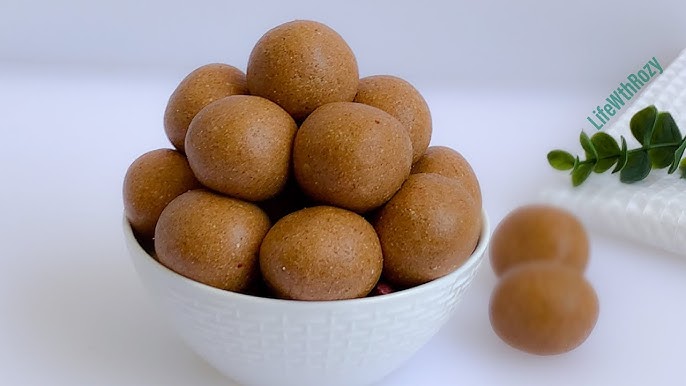
Donkwa, a popular Nigerian snack, is a delightful blend of roasted peanuts and cornmeal. This traditional treat originated in northern Nigeria, where it’s been enjoyed for generations.
To make Donkwa, ground peanuts are mixed with cornmeal, sugar, and spices like ginger and cloves. The mixture is then formed into small balls or patties and left to dry. Packed with protein and healthy fats from the peanuts, Donkwa is a nutritious on-the-go snack. It’s often eaten as a quick breakfast or midday pick-me-up. With its satisfying crunch and sweet-savory flavor, Donkwa has become a beloved part of Nigeria’s diverse array of types of snacks.
Dodo Ikire

Dodo Ikire, a beloved Nigerian snack, is a deep-fried plantain delicacy originating from Ikire town in Osun State. This tasty treat is made from overripe plantains, mashed and seasoned with spices like pepper and salt. The mixture is then shaped into small balls and deep-fried until golden brown, resulting in a crispy exterior and soft interior.
Dodo Ikire is typically enjoyed as a quick snack or appetizer, perfect for satisfying cravings any time of day. Rich in carbohydrates and fiber, it also provides essential vitamins and minerals. As one of the popular types of snacks in Nigeria, Dodo Ikire showcases the country’s culinary creativity and love for flavorful street food.
Doughnuts


Doughnuts, those delightful rings of fried dough, are a beloved type of snack enjoyed worldwide. Originating in the Netherlands, these sweet treats made their way to America with Dutch settlers in the 19th century.
Traditionally made from a yeast-based dough, modern varieties also include cake-style options. The classic recipe involves flour, sugar, eggs, and milk, shaped into rings or balls, then deep-fried to golden perfection. Often glazed or topped with various sugary coatings, doughnuts are typically eaten as a breakfast item or an indulgent snack.
While not the healthiest option among types of snacks, they do provide quick energy from carbohydrates and fats. However, moderation is key when enjoying these tasty morsels.
Egg Roll

The Nigerian egg roll differs significantly from the well-known Chinese egg roll. In Africa, we cook our version of Egg Roll just as the name suggests. It is a boiled egg wrapped in dough and deep fried. This egg roll is commonly sold as street food in Nigeria.
The African Egg Roll, like the Scotch Egg, is deep-fried and extremely simple to prepare. However, the preparation of the dough is critical to having excellent success with this recipe; the dough will be a little wet, mushy, and difficult to work with, but don’t be concerned at this time. The dough will turn out good after 15 to 20 minutes of resting time. Though it will remain soft, it will be easier to control. If you follow accurate measurements, you will obtain the perfect Nigerian egg roll.
They’re popular as street food, often enjoyed as an appetizer or quick bite. Nutritionally, egg rolls provide carbohydrates and protein, though their deep-fried nature means they’re best enjoyed in moderation as part of a balanced diet among other types of snacks.
Akara
Akara, a beloved Nigerian snack, is a deep-fried bean fritter that’s crispy on the outside and fluffy on the inside. Originating from the Yoruba people, this savory treat has become a staple among the types of snacks enjoyed across West Africa.
It is made from black-eyed peas, onions, and spices. Akara is crafted by grinding soaked beans into a smooth paste, then mixing in diced onions and seasonings. The batter is then scooped and fried in hot oil until golden brown. Commonly eaten for breakfast or as a midday snack, Akara is not only delicious but also nutritious, providing a good source of protein, fiber, and essential vitamins.
Popcorn

Popcorn, a beloved snack worldwide, is one of the most popular types of snacks enjoyed in Nigeria. This crunchy treat is made from special corn kernels that expand and “pop” when heated.
Popcorn’s history dates back thousands of years, with evidence of its consumption in ancient Peru. It’s typically made by heating corn kernels in oil or air until they burst open, creating fluffy white morsels. Nigerians often enjoy popcorn as a casual snack, at movie theaters, or during social gatherings. Nutritionally, it’s a whole grain food that’s high in fiber and low in calories when air-popped, making it a healthier option among types of snacks.
Boli
Boli, a popular Nigerian street snack, is a roasted plantain dish that’s both simple and delicious. This beloved treat has been a staple in Nigerian cuisine for generations, particularly in the southern regions.
It is made from ripe plantains, boli is prepared by roasting the whole fruit over an open flame until the skin turns black and the inside becomes soft and sweet. You’ll often find locals enjoying this warm, comforting snack any time of day, but it’s especially popular as an afternoon snack. Packed with fiber, potassium, and vitamins A and C, boli is not only tasty but also nutritious. It’s one of the many types of snacks that showcase Nigeria’s rich culinary heritage.
Nuts
Nuts are nutrient-dense snacks popular in Nigeria. You’ll find cashews, peanuts, coconuts, tiger nuts, kola nuts, and palm nuts widely enjoyed. Cashews offer a buttery flavor and heart-healthy fats. Peanuts pack protein and are often roasted as a crunchy treat. Coconuts provide refreshing water and meat rich in fiber.
Tiger nuts aren’t true nuts but tubers with a sweet, nutty taste. Kola nuts are caffeine-rich and culturally significant. Palm nuts yield nutritious oil and are used in soups. Nigerians munch these types of snacks year-round as quick bites, during celebrations, or as ingredients in dishes. Packed with healthy fats, protein, vitamins, and minerals, nuts make satisfying and nutritious nibbles.
Kokoro
Kokoro, a beloved Nigerian snack, is a crunchy delight made primarily from cornmeal. This traditional treat originated in the southwestern part of Nigeria, particularly among the Yoruba people. Kokoro’s simple yet satisfying recipe involves mixing cornmeal with sugar, salt, and sometimes ground pepper. The dough is then shaped into small, twisted sticks and deep-fried until golden brown and crispy.
These types of snacks are often enjoyed as a quick bite between meals or as a tasty accompaniment to drinks. Nutritionally, Kokoro provides carbohydrates for energy and small amounts of protein and fiber. While not the healthiest option, it remains a cherished part of Nigerian snack culture, offering a taste of nostalgia and tradition in every bite.
Frequently Asked Questions
These are some frequently asked questions and answers about the types of snacks in Nigeria.
Are Nigerian snacks healthy?
While many Nigerian snacks are delicious, their nutritional value varies. Some types of snacks, like roasted groundnuts or fresh fruits, can be part of a balanced diet. However, others may be high in calories, fats, or sugars. As with any food, moderation is key when enjoying Nigerian snacks.
How are Nigerian snacks influenced by the country’s diverse cultures?
Nigerian snacks are a reflection of the country’s rich cultural diversity, with each region contributing its unique flavors and ingredients. For instance, the northern regions are known for their spicy suya and kilishi (dried, spiced meat), while the southern regions are famous for their fried snacks like puff puff and akara. Additionally, the influence of various ethnic groups, such as the Yoruba, Igbo, and Hausa, can be seen in the use of traditional ingredients like palm oil, ground nuts, and local spice blends.
What are the most popular types of snacks in Nigeria?
Nigeria boasts a diverse array of snacks, with some of the most beloved types of snacks including chin chin, puff puff, and meat pies. These treats are widely enjoyed across the country and represent a blend of traditional and modern flavors. Other popular options include plantain chips, suya (spiced grilled meat), and akara (bean fritters).
Conclusion
As you explore the diverse world of Nigerian snacks, you’ll discover a rich tapestry of flavors and textures that reflect the country’s cultural heritage.
From the crispy satisfaction of chin chin to the savory delight of puff puff, these snacks offer a unique culinary experience. By trying these traditional treats, you’ll gain insight into Nigeria’s food culture and the importance of snacks in daily life. So, next time you’re looking for a new snacking adventure, consider indulging in the delicious world of Nigerian snacks.
Discussion about this post