

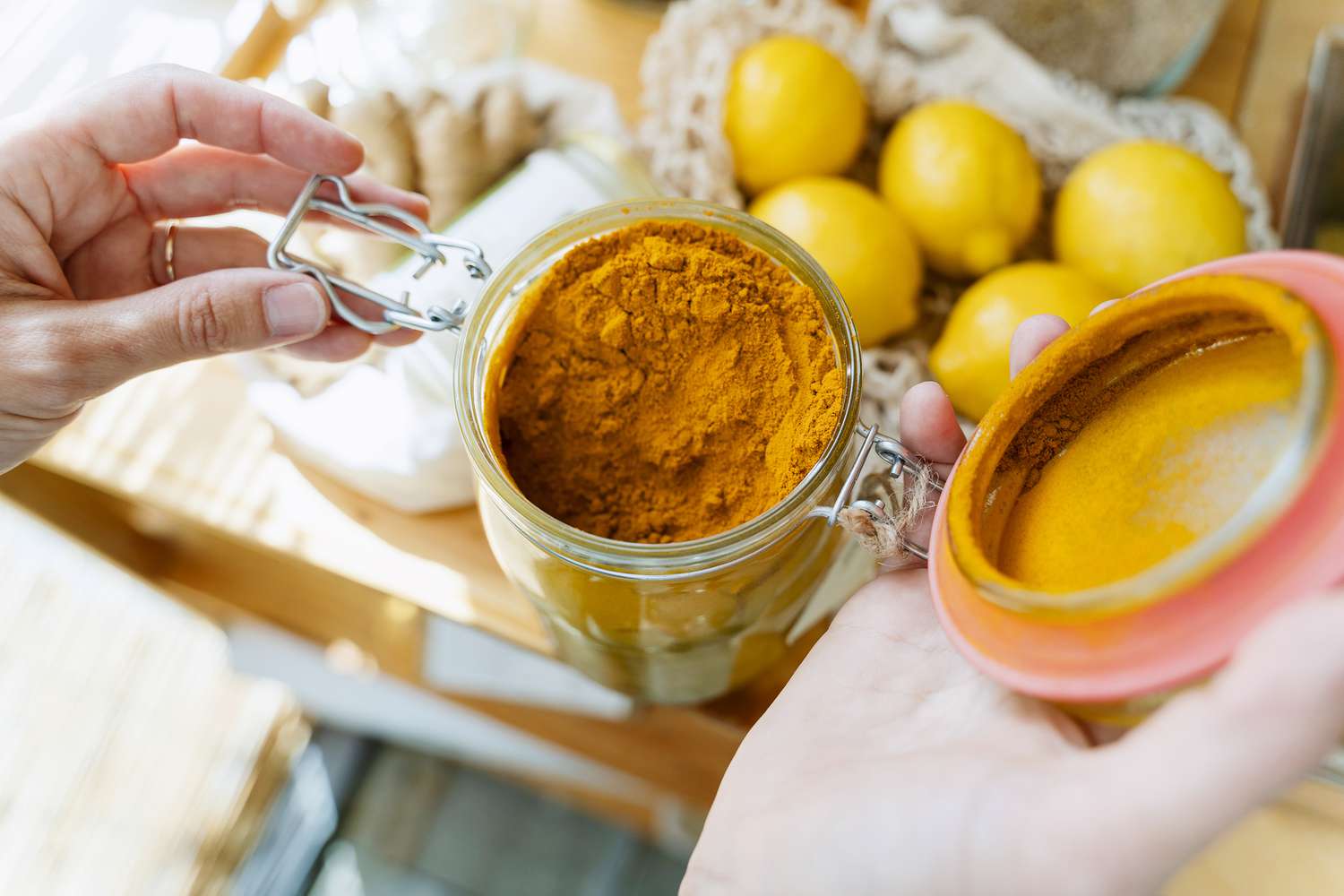

Have you jumped on the turmeric skincare bandwagon? This golden spice has gained immense popularity for its purported skin benefits, from fighting acne to brightening complexion.
While turmeric can indeed work wonders for some, you may be surprised to learn it’s not without potential downsides. Before slathering on that DIY turmeric mask, it’s crucial to understand the possible side effects. What you thought was a natural miracle worker could potentially leave you with unexpected skin issues.
Read on to discover five surprising side effects of applying turmeric on your face, and learn how to safely incorporate this trendy ingredient into your skincare routine.
What is Turmeric and Why Use it on Skin?

Turmeric, that vibrant yellow spice in your kitchen cabinet, isn’t just for curries anymore. It’s making waves in the skincare world, and for good reason. But before you slather it all over your face, let’s dive into what turmeric is and why it’s become such a hot topic in beauty circles.
Turmeric comes from the root of the Curcuma longa plant, native to Southeast Asia. It’s been used for centuries in cooking, traditional medicine, and even religious ceremonies. The active compound in turmeric, curcumin, is what gives it that distinctive golden hue and its powerful properties.
So, why are people suddenly applying turmeric on their face? It turns out, this spice packs a punch when it comes to skincare. But like any trendy ingredient, it’s important to understand both the pros and cons before jumping on the bandwagon.
While turmeric can offer impressive benefits, it’s not without its drawbacks. The side effects of applying turmeric on the face can range from temporary staining to more serious reactions in some individuals. That’s why it’s crucial to approach this golden spice with care and knowledge.
The Benefits of Applying Turmeric on Face
Let’s explore some of the advantages that make turmeric a popular ingredient in skincare routines.
Natural Glow Booster
Turmeric contains powerful antioxidants that can help revitalize your skin. When applied topically, it can enhance blood circulation, giving your face a natural, healthy glow. This radiance-boosting property makes turmeric a go-to ingredient for those seeking a brighter complexion.
Anti-Inflammatory Powerhouse
One of the most significant benefits of applying turmeric on the face is its anti-inflammatory properties. Curcumin, the active compound in turmeric, can help soothe irritated skin and reduce redness. This makes it particularly beneficial for those dealing with acne, rosacea, or other inflammatory skin conditions.
Acne Fighter
Turmeric’s antibacterial properties make it an excellent natural remedy for acne-prone skin. It can help combat the bacteria that cause breakouts while also reducing inflammation associated with pimples. Regular application may lead to clearer, smoother skin over time.
Anti-Aging Ally
The antioxidants in turmeric can also help combat signs of aging. By fighting free radicals, turmeric may help reduce the appearance of fine lines and wrinkles. It can also improve skin elasticity, helping your face maintain a youthful appearance.
Even Skin Tone Promoter
If you’re dealing with hyperpigmentation or uneven skin tone, turmeric might be your new best friend. Its skin-lightening properties can help fade dark spots and even out your complexion, giving you a more uniform skin tone.
While these benefits are enticing, it’s crucial to remember that everyone’s skin is different. Always patch test before applying turmeric on your face and be mindful of potential side effects. With proper use, turmeric can be a valuable addition to your skincare routine, offering a natural way to enhance your skin’s health and appearance.
5 Side Effects of Applying Turmeric on Face

While turmeric is often touted as a miracle ingredient for skincare, it’s important to be aware of some unexpected reactions that can occur when applying turmeric on your face. Here are five surprising side effects you might encounter:
Temporary Skin Discoloration
One of the most common side effects of applying turmeric on the face is temporary yellow staining. Turmeric contains a potent pigment called curcumin, which can leave your skin with a golden hue. Don’t panic, this effect is usually temporary and will fade within a few days. To minimize staining, try mixing turmeric with other ingredients like yogurt or honey.
Allergic Reactions
While rare, some people may experience allergic reactions to turmeric. Symptoms can include redness, itching, or swelling. If you notice any of these signs after using a turmeric face mask, rinse it off immediately and discontinue use. It’s always wise to do a patch test before applying any new product to your entire face.
Increased Sun Sensitivity
Surprisingly, turmeric can make your skin more sensitive to UV rays. This means you might be more prone to sunburn or skin damage if you’re not careful. Always apply sunscreen after using turmeric-based products, especially if you’re heading outdoors.
Dry Skin
For some people, turmeric can have a drying effect on the skin. If you have naturally dry or sensitive skin, you might notice increased flakiness or tightness after using turmeric face masks. Combat this by following up with a good moisturizer.
Acne Flare-ups
While turmeric is often used to treat acne, it can sometimes have the opposite effect. In some cases, turmeric may irritate sensitive skin or clog pores, leading to breakouts. If you’re prone to acne, start with a small amount of turmeric and gradually increase usage to see how your skin reacts.
Remember, everyone’s skin is different. What works wonders for one person might not suit another. Always listen to your skin and discontinue use if you experience any adverse reactions when applying turmeric on your face.
Potential Skin Types at Risk for Turmeric Side Effects
While turmeric is generally considered safe for topical use, certain skin types may be more susceptible to side effects of applying turmeric on the face. Understanding your skin type and potential risks can help you avoid unwanted reactions.
Sensitive Skin
If you have sensitive skin, you’re more likely to experience adverse reactions to turmeric face masks. Your skin may become irritated, red, or itchy after application. It’s crucial to perform a patch test before applying turmeric to your entire face.
Dry or Dehydrated Skin
Turmeric can have a drying effect, which may exacerbate issues for those with already dry or dehydrated skin. If you fall into this category, be cautious when using turmeric face masks and consider mixing the spice with hydrating ingredients like honey or yogurt.
Acne-Prone Skin
While turmeric is often touted for its anti-inflammatory properties, some people with acne-prone skin may find that it causes breakouts. This could be due to the spice’s potential to clog pores or interact with existing acne medications.
Fair Skin
Those with fair skin should be extra careful when applying turmeric on their face. The yellow pigment in turmeric can temporarily stain lighter skin tones, leaving an unwanted yellow tint that may take a few days to fade completely.
Oily Skin
Surprisingly, even oily skin types might experience side effects from turmeric face masks. The spice can sometimes stimulate oil production, potentially leading to increased shine or clogged pores.
Remember, regardless of your skin type, it’s always wise to consult with a dermatologist before incorporating new ingredients into your skincare routine. They can provide personalized advice on whether turmeric is suitable for your unique skin needs and how to minimize potential side effects of applying turmeric on your face.
How to Properly Apply Turmeric to Avoid Side Effects
Applying turmeric to your face can be a great way to reap its skincare benefits, but it’s crucial to do it correctly to avoid any unwanted side effects. Here’s a step-by-step guide to help you safely incorporate this golden spice into your skincare routine:
Prepare Your Skin
Before you start, make sure your face is clean and free from any makeup or dirt. Gently wash your face with a mild cleanser and pat it dry with a soft towel. This ensures that the turmeric can penetrate your skin effectively.
Create a Turmeric Mask
Mix 1 teaspoon of turmeric powder with 2 teaspoons of honey or plain yogurt. These ingredients help balance out turmeric’s potency and provide additional skincare benefits. If you have sensitive skin, you might want to add a few drops of aloe vera gel to the mixture.
Patch Test First
To avoid potential side effects, always do a patch test. Apply a small amount of the mixture to your inner wrist or behind your ear. Wait for 24 hours to see if any irritation occurs.
Apply the Mask Carefully
Using clean fingers or a brush, apply a thin, even layer of the turmeric mixture to your face, avoiding the eye area. Be careful not to use too much, as excess turmeric can stain your skin yellow.
Time It Right
Leave the mask on for about 10-15 minutes. If it’s your first time, start with 5 minutes and gradually increase the duration in future applications.
Rinse Thoroughly
Wash off the mask with lukewarm water, gently massaging your skin in circular motions. Make sure to remove all traces of turmeric to prevent staining. You might need to use a mild cleanser to ensure your skin is completely clean.
Moisturize After
After rinsing, apply your regular moisturizer to keep your skin hydrated and balanced. This step is crucial in preventing any dryness that might occur from the turmeric application.
By following these steps, you can minimize the risk of side effects and maximize the benefits of this natural skincare ingredient. Remember, consistency is key, but always listen to your skin and adjust your routine as needed.
Alternatives to Turmeric for Glowing Skin
While turmeric is a popular choice for achieving radiant skin, there are several other natural alternatives you can try if you’re concerned about the side effects of applying turmeric on your face. Here are seven effective options to consider:
Honey: Nature’s Golden Elixir
Honey is a fantastic alternative that can give you that coveted glow. It’s packed with antioxidants and has natural antibacterial properties. Apply a thin layer of raw honey to your face, leave it on for 15-20 minutes, and rinse off with lukewarm water. Your skin will feel soft and look luminous.
Aloe Vera: The Soothing Superstar
Aloe vera is renowned for its soothing and hydrating properties. It can help calm irritated skin and promote a healthy glow. Simply extract the gel from an aloe leaf and apply it directly to your face. Leave it on for about 20 minutes before rinsing.
Papaya: The Tropical Skin Brightener
Rich in enzymes and vitamins, papaya can help exfoliate and brighten your skin naturally. Mash up some ripe papaya and apply it as a face mask for 15 minutes. Rinse off to reveal softer, more radiant skin.
Cucumber: The Cooling Complexion Booster
Cucumbers are incredibly hydrating and can help reduce puffiness. Blend a cucumber into a paste and apply it to your face for a refreshing, skin-brightening mask.
Yogurt: The Probiotic Glow-Getter
Plain yogurt contains lactic acid, which gently exfoliates the skin. It also helps balance your skin’s pH levels. Apply a layer of yogurt to your face, leave it on for 15 minutes, then rinse off for a natural, healthy glow.
Oatmeal: The Gentle Exfoliator
Oatmeal is a gentle exfoliant that can help remove dead skin cells and reveal brighter skin underneath. Mix ground oatmeal with a bit of honey or milk to create a paste. Gently massage it onto your face, then rinse off after 10 minutes.
Rosehip Oil: The Vitamin C Powerhouse
Packed with vitamin C and essential fatty acids, rosehip oil can help improve skin tone and texture. Apply a few drops to your face before bed and wake up to glowing skin.
When to See a Dermatologist for Turmeric Skin Issues
While applying turmeric on face can offer numerous benefits, it’s essential to know when professional help is needed. Here are some situations where you should consider consulting a dermatologist:
Persistent Irritation or Allergic Reactions
If you experience prolonged redness, itching, or swelling after using turmeric, it’s time to seek expert advice. These symptoms could indicate an allergic reaction or sensitivity to turmeric. A dermatologist can help identify the cause and recommend alternative treatments.
Skin Discoloration That Won’t Fade
One of the side effects of applying turmeric on the face is temporary yellow staining. However, if this discoloration persists for more than a few days or seems to be getting worse, it’s best to consult a skin specialist. They can assess whether the turmeric has caused any lasting pigmentation changes and suggest appropriate remedies.
Worsening of Existing Skin Conditions
For those with pre-existing skin issues like acne, eczema, or rosacea, turmeric might sometimes exacerbate these conditions. If you notice your skin problems intensifying after using turmeric, don’t hesitate to reach out to a dermatologist. They can evaluate how turmeric is interacting with your specific skin type and condition.
Unexpected Breakouts or Skin Texture Changes
While turmeric is known for its anti-inflammatory properties, some people might experience unexpected breakouts or changes in skin texture. If you notice new blemishes, unusual dryness, or any other significant changes in your skin’s appearance or feel, it’s worth getting a professional opinion.
Remember, everyone’s skin is unique, and what works for one person may not work for another. A dermatologist can provide personalized advice on how to safely incorporate turmeric into your skincare routine or suggest alternative treatments that might be more suitable for your skin type and concerns.
Frequently Asked Questions
These are some of the frequently asked questions and answers about the side effects of applying turmeric on the face
Is it safe to apply turmeric on the face daily?
While turmeric offers many benefits for skin, daily application may lead to side effects of applying turmeric on the face. For most people, using turmeric 2-3 times per week is sufficient. Daily use could potentially cause skin irritation or staining, especially for those with sensitive skin. It’s best to start with less frequent applications and gradually increase if your skin tolerates it well.
How long should I leave turmeric on my face?
The ideal duration for a turmeric face mask is typically 10-15 minutes. Leaving it on longer doesn’t necessarily increase benefits and may increase the risk of temporary skin staining. If you’re new to using turmeric topically, start with shorter durations (5-7 minutes) to gauge your skin’s reaction before extending the time.
Can turmeric worsen acne?
While turmeric is often praised for its anti-inflammatory properties, some individuals may experience breakouts as a side effect of applying turmeric on their face. This could be due to other ingredients in DIY masks or an allergic reaction. If you notice increased acne after using turmeric, discontinue use and consult a dermatologist. They can help determine if turmeric is the cause and suggest alternative treatments.
Does turmeric permanently stain skin?
Turmeric can temporarily stain the skin yellow, but this typically fades within a few days. To minimize staining, use turmeric in moderation and always mix it with other ingredients like yogurt or honey. If staining occurs, gentle exfoliation and cleansing can help speed up its fading. Remember, any long-lasting discoloration should be evaluated by a healthcare professional.
Conclusion
As you explore natural skincare remedies, it’s crucial to approach turmeric face masks with caution. While this golden spice offers potential benefits, its side effects can be significant for some individuals. From temporary skin discoloration to allergic reactions, the risks may outweigh the rewards.
Before incorporating turmeric into your skincare routine, consult a dermatologist, especially if you have sensitive skin or known allergies. Remember, what works for others may not work for you. Ultimately, your skin’s health and safety should be your top priority. By staying informed and attentive to your skin’s responses, you can make the best decisions for your unique complexion and overall well-being.
Discussion about this post