

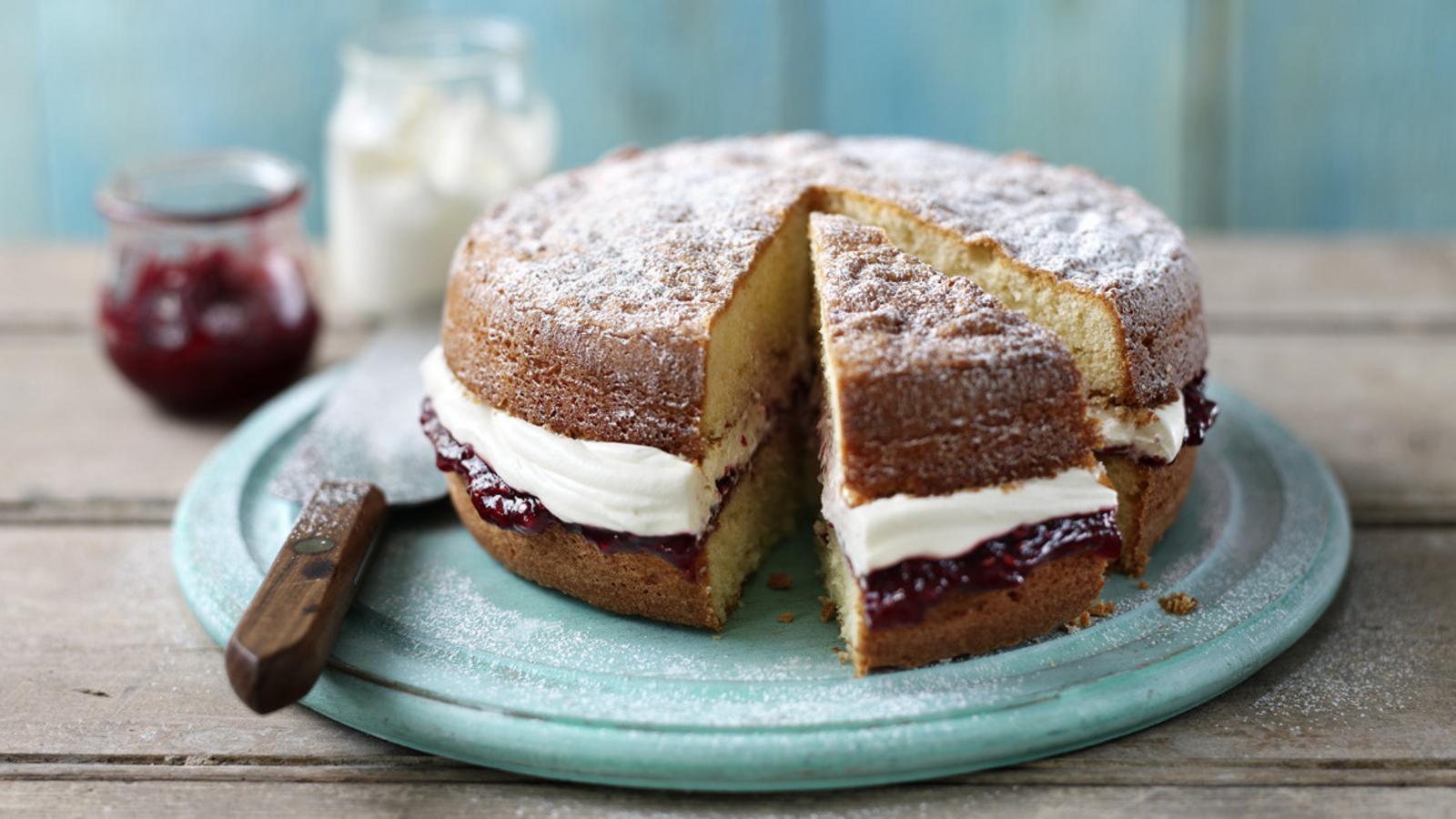

Are you ready to embark on a delicious baking adventure? Learning how to bake a cake from scratch is a rewarding culinary skill that will impress your friends and family.
While the process may seem daunting at first, this step-by-step guide will walk you through how to bake a cake with clarity and precision. You’ll discover the essential ingredients, equipment, and techniques needed to create a mouthwatering homemade cake. Whether you’re a novice baker or looking to refine your skills, this article will equip you with the knowledge to confidently craft a delectable dessert from the comfort of your own kitchen.
How to Bake a Cake from Scratch

Learning how to bake a cake from scratch is a rewarding culinary adventure that combines science and creativity. This step-by-step guide will walk you through the process, ensuring that even novice bakers can achieve delicious results.
Before diving into the specifics, it’s important to understand that baking a cake requires precision and patience. Unlike cooking, where improvisation is often encouraged, baking relies on exact measurements and techniques to achieve the perfect texture and flavor. By following this guide on how to bake a cake, you’ll learn the fundamental principles that form the foundation of all great cakes.
Baking Basics: Gathering the Essentials for Homemade Cake
It’s crucial to gather all the necessary ingredients and tools. Having everything at your fingertips will make the baking process smoother and more enjoyable.
Essential Ingredients
First things first, let’s talk about the star players in your cake-baking adventure. You’ll need flour, sugar, eggs, butter, and baking powder. These form the foundation of most cake recipes. Don’t forget flavor enhancers like vanilla extract or cocoa powder, depending on the type of cake you’re making.
Remember, quality matters! Using fresh, high-quality ingredients can make a world of difference in your final product.
Must-Have Tools
Now, let’s gear up with the right equipment. You’ll need:
- Mixing bowls
- Measuring cups and spoons
- An electric mixer (or a whisk if you’re up for an arm workout)
- Cake pans
- Parchment paper
- A cooling rack
Having these tools on hand will set you up for success as you embark on your cake-baking journey.
Prep Your Space
Before you start mixing and measuring, clear your countertop and preheat your oven. A clean, organized workspace is key when learning how to bake a cake. It’ll help you stay focused and avoid any mid-baking panic attacks!
Step-by-Step Guide to Baking a Cake from Scratch
:max_bytes(150000):strip_icc()/southern-living-Basic_Vanilla_Cake_001-aa7545c909c14f7f952f3ad82358bdae.jpg)
Ingredients: For a Classic Vanilla Cake
- 2 1/4 cups (285g) all-purpose flour
- 1 1/2 cups (180g) granulated sugar
- 3 large eggs, at room temperature
- 2 1/2 teaspoons baking powder
- 1 teaspoon salt
- 1/2 cup (115g) unsalted butter, softened
- 2 teaspoons pure vanilla extract
- 1 cup (235ml) whole milk, at room temperature
Equipment needed:
- 9-inch (23cm) round cake pans (2)
- Non-stick cooking spray or parchment paper
- Electric mixer (stand or handheld)
- Whisk
- Rubber spatula
- Measuring cups and spoons
Procedure:
Step 1: Preheat and Prep the Pans
- Preheat your oven to 350°F (175°C).
- Spray the cake pans with non-stick cooking spray or line the bottoms with parchment paper.
Step 2: Mix the Dry Ingredients
- In a medium bowl, whisk together the flour, sugar, baking powder, and salt.
- Set the dry ingredients aside.
Step 3: Mix the Wet Ingredients
- In a large mixing bowl, using an electric mixer, beat the butter until creamy (about 2 minutes).
- Add the eggs one at a time, beating well after each addition.
- Beat in the vanilla extract.
Step 4: Combine the Wet and Dry Ingredients
- With the mixer on low speed, gradually add the dry ingredients to the wet ingredients in three parts, alternating with the milk, beginning and ending with the dry ingredients. Beat just until combined.
Step 5: Divide and Pour the Batter
- Divide the batter evenly between the prepared pans.
- Smooth the tops.
Step 6: Bake the Cakes
- Bake for 30-35 minutes or until a toothpick inserted in the center comes out clean.
- Remove from the oven and let cool in the pans for 5 minutes.
Step 7: Cool and Assemble (Optional)
- Transfer the cakes to a wire rack to cool completely.
- Once cooled, you can frost and assemble the cake as desired.
Understanding Cake Ingredients and Their Roles
When learning how to bake a cake from scratch, it’s crucial to understand the purpose of each ingredient. This knowledge will help you create the perfect texture and flavor every time.
Flour: The Foundation
Flour provides structure to your cake. All-purpose flour is versatile, but cake flour can give you a lighter texture. Remember, measuring flour correctly is key to avoiding a dense cake.
Sugar: More Than Just Sweetness
Sugar doesn’t just make your cake sweet; it also helps create a tender crumb and promotes browning. Different types of sugar can affect your cake’s moisture and texture.
Eggs: The Binding Agent
Eggs are multitaskers in cake baking. They bind ingredients, add moisture, and contribute to the cake’s structure. For a lighter cake, try separating the whites and yolks.
Fats: Flavor and Moisture
Whether you use butter, oil, or both, fats add flavor and keep your cake moist. Butter gives a rich taste, while oil can make for a softer texture.
Leavening Agents: The Rise
Baking powder and baking soda are essential for helping your cake rise. Understanding how these work with other ingredients is crucial when learning how to bake a cake that’s light and fluffy.
Measuring Techniques for Precise Cake Baking
Mastering the art of how to bake a cake starts with accurate measurements. Precision is key to achieving that perfect texture and flavor you’re after. Let’s dive into some essential measuring techniques that’ll elevate your cake game.
Dry Ingredients: The Scoop and Level Method
When measuring flour, sugar, or cocoa powder, resist the urge to pack it down. Instead, use the “scoop and level” technique. Gently scoop the ingredient into your measuring cup, then level it off with a straight edge. This prevents over-measuring, which can lead to a dense, dry cake.
Liquid Ingredients: Eye-Level Accuracy
For liquids like milk or oil, use a clear measuring cup with graduated markings. Pour the liquid in, then bend down to check at eye level. The bottom of the liquid’s meniscus (curved surface) should align with the measurement line for spot-on accuracy.
Butter: Multiple Methods
Measuring butter can be tricky, but there are a few foolproof methods:
- Use the markings on the wrapper for stick butter
- Soften and pack into measuring cups for tub butter
- Weigh it for the most precise results
Remember, learning how to bake a cake is all about consistency. These measuring techniques will help ensure your cakes turn out perfectly every time you bake. Happy baking!
Mixing Methods: The Science Behind Combining Cake Ingredients
Learning how to bake a cake from scratch involves understanding the science behind mixing ingredients. The method you choose can significantly impact your cake’s texture and flavor.
Creaming Method
The creaming method is a classic technique in cake baking. Start by beating softened butter and sugar until light and fluffy. This process incorporates air, resulting in a tender crumb. Gradually add eggs, then alternate dry and wet ingredients. This method works well for butter-based cakes like pound cakes.
All-in-One Method
For a quicker approach, try the all-in-one method. Simply add all ingredients to a bowl and mix until combined. While convenient, this technique may produce a denser cake. It’s ideal for oil-based cakes or when using cake flour.
Separated Egg Method
To achieve a lighter texture, separate your eggs. Beat the whites until stiff peaks form, then fold them into the batter last. This method is perfect for sponge cakes and chiffon cakes.
Remember, mastering how to bake a cake requires practice. Experiment with different mixing methods to find your preferred technique. Each method has its unique advantages, allowing you to create a variety of delicious cakes from scratch.
Cake Pans and Preparation: Setting Up for Baking Success
The right equipment and preparation can make all the difference in your cake-baking adventure.
Choosing the Right Pan
When learning how to bake a cake, selecting the proper pan is your first step. Round cake pans are classic, but don’t shy away from square or specialty shapes for unique creations. Opt for light-colored metal pans, as they distribute heat more evenly. Non-stick surfaces can be helpful, but remember to still grease and flour for easy release.
Prepping Your Pan
Even with non-stick pans, a little extra insurance goes a long way. Grease your pan with butter or cooking spray, then dust with flour. For chocolate cakes, use cocoa powder instead of flour to avoid a white residue. Parchment paper circles in the bottom of round pans are a baker’s secret weapon for perfect release every time.
Setting the Stage
Before you start mixing, make sure your oven is preheated. This ensures your cake starts baking immediately when it goes in. Gather all your ingredients and measure them out beforehand, this French technique called “mise en place” will make your baking process smooth and stress-free. With these preparations in place, you’re ready to embark on your cake-baking journey!
Baking the Cake: Time and Temperature Tips
Learning how to bake a cake from scratch is an essential skill for any home baker. The key to success lies in understanding the right timing and temperature for your creation. Let’s dive into some crucial tips to ensure your cake turns out perfectly every time.
Preheating Is Paramount
Before you even think about mixing your batter, preheat your oven. This step is often overlooked, but it’s crucial for even baking. Most cake recipes call for a temperature between 325°F and 375°F. Give your oven at least 15 minutes to reach the desired temperature.
Timing Is Everything
Baking times can vary depending on the size and type of cake you’re making. Generally, a standard 9-inch round cake will take about 30-35 minutes. However, always follow your recipe’s instructions and start checking for doneness a few minutes before the suggested time. Remember, overbaking can lead to a dry cake!
The Toothpick Test
To check if your cake is done, insert a toothpick into the center. If it comes out clean or with just a few moist crumbs, your cake is ready. If it’s still gooey, give it a few more minutes and test again.
By mastering these time and temperature tips, you’ll be well on your way to becoming an expert in how to bake a cake that’s moist, fluffy, and absolutely delicious.
Checking for Doneness: Testing and Troubleshooting
When learning how to bake a cake, mastering the art of checking for doneness is crucial. The classic toothpick test is your go-to method. Simply insert a clean toothpick into the center of your cake. If it comes out clean or with just a few moist crumbs, your cake is ready. If it’s still gooey, give it a few more minutes.
Visual and Touch Cues
Your eyes and fingers can also help determine if your cake is done. A perfectly baked cake will have slightly pulled away from the sides of the pan. Gently press the center – it should spring back when touched. If it leaves an indentation, it needs more time in the oven.
Troubleshooting Common Issues
Even experienced bakers encounter hiccups. If your cake is browning too quickly on top but still raw in the middle, cover it with aluminum foil to prevent further browning. For a cake that’s taking longer to bake than expected, check your oven temperature with a separate thermometer, it might be running cool. Remember, learning how to bake a cake is a journey of trial and error. Don’t get discouraged if your first attempt isn’t perfect – each bake is a step towards mastery!
Cooling and Storing Your Homemade Cake
Congratulations! You’ve just learned how to bake a cake from scratch. Now, let’s talk about the crucial steps after it comes out of the oven.
Let it Cool Down
After all your hard work learning how to bake a cake, it’s tempting to dig in right away. But patience is key! Allow your cake to cool in the pan for about 10-15 minutes. This helps it set and makes removal easier. Then, gently turn it out onto a wire rack to cool completely. This process usually takes 1-2 hours, depending on the size of your cake.
Storing Your Masterpiece
Once your cake has cooled, it’s time to store it properly. If you’re serving it within a day or two, you can keep it at room temperature. Just cover it with a cake dome or wrap it in plastic wrap to keep it fresh. For longer storage, the refrigerator is your friend. Wrap the cake tightly in plastic wrap or place it in an airtight container. It’ll stay fresh for up to a week.
Remember, proper storage is crucial to maintaining the flavor and texture of your homemade cake. With these tips, you’ll be able to enjoy your delicious creation for days to come!
Frosting and Decorating Your Homemade Cake
Now that you’ve mastered how to bake a cake from scratch, it’s time to add the finishing touches! Frosting and decorating are where you can really let your creativity shine. Here’s how to take your homemade cake to the next level:
Choosing Your Frosting
When it comes to frosting, you have endless options. Classic buttercream is a crowd-pleaser, while cream cheese frosting pairs beautifully with carrot or red velvet cakes. For a lighter touch, try whipped cream or a simple glaze. Whatever you choose, make sure it complements your cake’s flavor.
Applying the Frosting
Before you start, ensure your cake is completely cool. Begin with a crumb coat, a thin layer of frosting that seals in the crumbs. Chill the cake for about 15 minutes, then apply your final layer. For a smooth finish, use an offset spatula or bench scraper.
Decorating Tips
- Use piping bags and tips for intricate designs
- Try fondant for a sleek, professional look
- Add fresh fruits, flowers, or chocolate shavings for a natural touch
- Experiment with food coloring to create vibrant designs
Remember, practice makes perfect when learning how to bake a cake and decorate it. Don’t be afraid to get creative and have fun with it!
Common Cake Baking Mistakes to Avoid
Learning how to bake a cake from scratch can be tricky, but avoiding these common pitfalls will set you up for success:
Inaccurate Measurements
Don’t eyeball ingredients! Use proper measuring tools and level off dry ingredients for precision.
Overmixing the Batter
Stop mixing as soon as ingredients are combined. Overmixing develops gluten, leading to tough cakes.
Incorrect Oven Temperature
Invest in an oven thermometer. An oven that’s too hot or too cold can ruin your cake’s texture.
Opening the Oven Door Too Often
Resist the urge to peek! Opening the door causes temperature fluctuations that can lead to uneven baking.
Using Cold Ingredients
Bring eggs, butter, and milk to room temperature before starting. This ensures better incorporation and a smoother batter.
Greasing Pans Improperly
Thoroughly grease and flour your pans, or use parchment paper to prevent sticking.
Underbaking or Overbaking
Learn to recognize when your cake is done. Use the toothpick test and watch for golden edges pulling away from the pan.
Frosting a Warm Cake
Let your cake cool completely before frosting. Patience here prevents a melty mess and ensures a polished final product.
Storage and Serving Tips for Homemade Cakes
Proper storage ensures your cake stays fresh and moist, while elegant serving techniques can elevate the entire dessert experience.
Keeping Your Cake Fresh
After all your hard work learning how to bake a cake, you’ll want to keep it tasting great for as long as possible. For unfrosted cakes, wrap them tightly in plastic wrap and store at room temperature for up to 5 days. Frosted cakes can be kept in an airtight container in the refrigerator for up to a week. Just remember to bring refrigerated cakes to room temperature before serving for the best flavor and texture.
Freezing for Later
If you’ve baked more cake than you can eat right away, freezing is a great option. Wrap individual slices or whole cakes in plastic wrap, then aluminum foil, and freeze for up to 3 months. Thaw overnight in the refrigerator before serving.
Serving with Style
When it’s time to enjoy your homemade cake, presentation matters. Use a sharp, warm knife for clean slices, and consider garnishing with fresh fruit, whipped cream, or a dusting of powdered sugar. Pair your cake with a complementary beverage like coffee, tea, or even a dessert wine for a truly indulgent experience.
Frequently Asked Questions
These are some frequently asked questions and answers about how to bake a cake.
What are the essential ingredients for baking a cake?
To bake a cake from scratch, you’ll need flour, sugar, eggs, butter, baking powder, and milk. These form the foundation of most cake recipes. Depending on the specific type of cake, you may also need additional ingredients like vanilla extract, cocoa powder, or fruit.
How long does it typically take to bake a cake?
The baking time varies depending on the recipe and your oven. Generally, a standard 9-inch round cake takes about 30-35 minutes to bake at 350°F (175°C). However, it’s crucial to follow your specific recipe’s instructions on how to bake a cake, as times can differ based on ingredients and pan size.
What’s the secret to a moist cake?
The key to a moist cake lies in proper measuring and mixing techniques. Avoid overmixing the batter, as this can lead to a tough texture. Also, using ingredients like sour cream, buttermilk, or oil can help retain moisture.
Conclusion
As you’ve learned, baking a cake from scratch is a rewarding process that yields delicious results. By following this step-by-step guide, you now have the knowledge to create your own homemade masterpiece.
Remember to measure ingredients carefully, mix the batter properly, and monitor baking time closely. With practice, you’ll develop an intuition for cake textures and flavors. Don’t be discouraged if your first attempt isn’t perfect, baking is both an art and a science that improves with experience.
Discussion about this post