

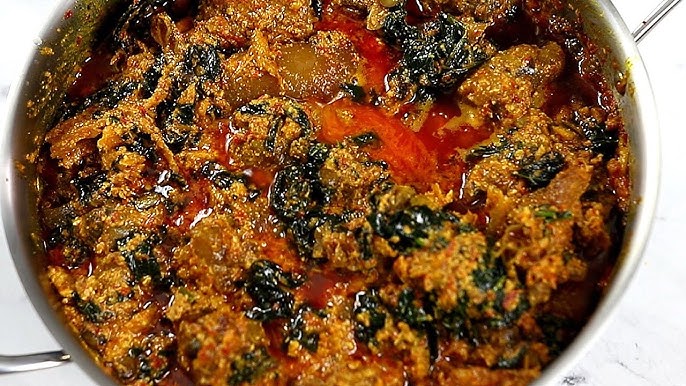

Egusi soup is a beloved West African delicacy that tantalizes the taste buds with its rich flavors and hearty ingredients. As you embark on your culinary journey to master this iconic dish, you’ll discover the perfect balance of ground melon seeds, vegetables, and proteins that make egusi soup a staple in Nigerian cuisine.
This article will guide you through the step-by-step process of preparing an authentic egusi soup, from selecting the finest ingredients to achieving the ideal consistency. Whether you’re a seasoned chef or a curious home cook, you’ll soon be impressing family and friends with your newfound expertise in this traditional African recipe.
Overview of Egusi Soup

Egusi soup is a beloved staple in West African cuisine, particularly popular in Nigeria, Ghana, and Cameroon. This rich, hearty dish is not only delicious but also packed with nutrients, making it a favorite for both everyday meals and special occasions. To truly understand how to prepare Egusi soup, it’s essential to grasp its key components and cultural significance.
At the heart of Egusi soup is its namesake ingredient: egusi seeds. These are the dried and ground seeds of certain cucurbit plants, such as melons or squashes. When cooked, egusi seeds create a thick, creamy texture that gives the soup its distinctive consistency.
Egusi soup holds a special place in West African culinary traditions. It’s often served at gatherings and celebrations, symbolizing hospitality and community. The dish’s popularity stems from its versatility and nutritional value, as it provides a good balance of proteins, healthy fats, and vegetables.
While the basic concept of how to prepare Egusi soup remains consistent, regional variations abound. Some versions incorporate pumpkin seeds or ground nuts, while others may feature different types of meat or seafood. Egusi soup is typically enjoyed with a starchy side dish such as fufu, pounded yam, or rice, which helps to soak up the flavorful broth and complete the meal.
Ingredients Needed for Authentic Egusi Soup
To prepare egusi soup, you’ll need a carefully curated selection of ingredients that bring out its rich, traditional flavors. Here’s a comprehensive list of what you’ll need to create this West African delicacy:
Main Ingredients
- Ground egusi seeds (melon seeds): The star of the dish, providing a nutty flavor and thickening the soup.
- Meat or fish: Choose from beef, goat meat, chicken, or assorted meat cuts. For seafood lovers, dried fish or stockfish are excellent options.
- Leafy greens: Bitter leaf, spinach, or kale add nutritional value and a vibrant color.
- Palm oil: This gives the soup its characteristic reddish hue and rich taste.
Aromatics and Seasonings
- Onions: Red or white onions add depth to the flavor profile.
- Peppers: Scotch bonnet or habanero peppers for heat, and bell peppers for sweetness.
- Tomatoes: Fresh or canned, they contribute to the soup’s base.
- Garlic and ginger: These aromatics enhance the overall taste.
- Stock cubes or powder: For an extra savory kick.
- Salt: To taste, enhancing all the flavors.
Optional Ingredients
- Locust beans (iru): A fermented condiment that adds a unique umami flavor.
- Crayfish: Dried and ground, it imparts a subtle seafood taste.
By gathering these ingredients, you’ll be well-equipped to learn how to prepare egusi soup in its most authentic form. Remember, the key to a delicious egusi soup lies in the quality and balance of these components.
How to Prepare the Egusi (Melon Seeds)
Preparing egusi seeds is a crucial step in learning how to prepare Egusi Soup. This process enhances the flavor and texture of your soup, ensuring a delicious outcome. Follow these steps to properly prepare your egusi:
Grinding the Seeds
To begin, grind the egusi seeds into a fine powder. You can use a food processor or a traditional grinding stone for this task. If using a food processor, pulse the seeds in short bursts to avoid overheating. The resulting powder should be fine and uniform in texture.
Roasting the Ground Egusi
Roasting the ground egusi is an optional step, but it can significantly enhance the flavor of your soup. To roast:
- Heat a dry pan over medium heat.
- Add the ground egusi to the pan.
- Stir continuously for 3-5 minutes until it becomes slightly golden and fragrant.
- Remove from heat and let it cool before using.
Creating the Egusi Paste
For a smoother consistency in your soup, you can create an egusi paste:
- Mix the ground egusi with a small amount of water to form a thick paste.
- Stir well to ensure there are no lumps.
- Set aside until ready to use in your soup.
By following these steps, you’ll be well on your way to mastering how to prepare Egusi Soup. The properly prepared egusi will blend seamlessly into your soup, creating a rich and flavorful dish that’s sure to impress. Remember, the key to a great Egusi Soup lies in the preparation of its main ingredient – the egusi seeds.
How to Prepare Egusi Soup

Learning how to prepare Egusi soup is an essential skill for any lover of West African cuisine. Follow this comprehensive guide to create a delicious pot of this nutritious and flavorful dish.
Before you begin, ensure you have all the necessary components:
- Ground egusi seeds
- Meat or fish of your choice
- Palm oil
- Leafy greens (spinach or bitter leaf)
- Locust bean (optional)
- Onions, peppers, and tomatoes
- Stock cubes and seasonings
Prepare the Base
- Heat palm oil in a large pot over medium heat., (Do not bleach oil).
- Add chopped onions and sauté until translucent.
- Stir in blended tomatoes and peppers, locust bean, cooking until the mixture thickens.
Incorporate the Egusi
The key to mastering how to prepare Egusi soup lies in properly introducing the ground seeds:
- Mix the egusi with a small amount of water to form a paste.
- Add this paste to the pot. Reduce the heat, do not stir and cover the pot with a lid.
- Cook for about 10-15 minutes, allowing the egusi to release its oils and flavors.
Add Protein and Vegetables
- Remove the lid, and gently stir the soup. The egusi would be lumpy at this point, use the back of a ladle to break the lumps into desired size and texture.
- Introduce your pre-cooked meat or fish to the pot.
- Pour in meat stock or water to achieve desired consistency.
- Add stock cubes and seasonings to taste.
- Simmer for 10 minutes, then add your chosen leafy greens.
Final Touches
- Allow the soup to simmer for an additional 3-5 minutes.
- Taste and adjust seasoning as needed.
- Remove from heat and let it rest for a few minutes before serving.
By following this step-by-step guide, you’ll master how to prepare Egusi soup in no time. Remember, practice makes perfect, so don’t be discouraged if your first attempt isn’t flawless. With each try, you’ll refine your technique and create a soup that’s uniquely yours.
Tips for Thickening and Seasoning Egusi Soup
When learning how to prepare Egusi soup, achieving the right thickness is crucial. Start by dry-roasting the ground egusi seeds before adding them to the soup. This technique helps release the natural oils, enhancing both flavor and texture. As you simmer the soup, the egusi will gradually thicken the broth. For a creamier consistency, blend a portion of the egusi mixture before adding it to the pot.
Balancing Flavors with Seasoning
Seasoning is key to elevating your Egusi soup from good to exceptional. Begin with a base of aromatic vegetables like onions and garlic. Incorporate traditional spices such as ground crayfish, curry powder, and dried thyme to build layers of flavor. Don’t forget to add salt and pepper to taste, but be cautious not to oversalt, as some ingredients like stock cubes can be quite salty.
Enhancing Umami and Depth
To further enrich your Egusi soup, consider these advanced tips:
- Add smoked fish or dried shrimp for a deep, savory note
- Incorporate bitter leaves or spinach for a nutritional boost and subtle bitterness
- Use palm oil sparingly for authentic color and taste
- Experiment with hot peppers like scotch bonnet for heat, adjusting to your preference
Remember, the key to mastering how to prepare Egusi soup lies in balancing flavors and textures. Don’t be afraid to taste and adjust as you go, allowing the soup to simmer gently to meld all the flavors together. With practice, you’ll develop an intuitive sense of how to create the perfect Egusi soup every time.
Variations on the Traditional Egusi Soup Recipe
While the classic recipe for how to prepare Egusi soup remains a beloved staple, innovative cooks have developed exciting variations that put a unique spin on this traditional dish. These adaptations cater to different tastes and dietary needs while maintaining the essence of the original.
Vegetarian Egusi Soup
For those following a plant-based diet, a vegetarian version of Egusi soup offers a delightful alternative. Replace meat and fish with hearty vegetables like mushrooms, eggplant, or plantains. These substitutions provide texture and depth, ensuring a satisfying meal without compromising on flavor. Enhance the umami taste with dried mushrooms or fermented locust beans (iru) to compensate for the absence of meat.
Health-Conscious Adaptations
For those watching their calorie intake, consider using less palm oil and increasing the proportion of leafy greens. Spinach, kale, or bitter leaf can bulk up the soup while adding nutritional value. You might also opt for lean meats like chicken breast or fish instead of fattier cuts traditionally used in how to prepare Egusi soup.
By exploring these variations, you can discover new ways to enjoy this classic West African dish while tailoring it to your personal preferences and dietary needs. Remember, the key to a great Egusi soup lies in balancing flavors and textures, regardless of the specific ingredients you choose to include.
Serving Suggestions: What to Eat with Egusi Soup
Knowing how to prepare Egusi soup is only half the battle. To truly elevate your dining experience, consider these seven delicious serving suggestions that complement the rich flavors of this West African delicacy.
Fufu

Fufu, a starchy dough-like side dish, is the quintessential pairing for Egusi soup. Its mild taste and smooth texture provide the perfect canvas for the soup’s bold flavors. To eat, simply tear off a small piece of fufu, form it into a ball, and use it to scoop up the soup.
Pounded Yam
Similar to fufu but with a slightly different texture, pounded yam is another excellent choice. Its subtle sweetness balances the savory notes of the Egusi soup, creating a harmonious blend of flavors on your palate.
Rice

For a lighter option, serve your Egusi soup over a bed of steamed white rice. The rice absorbs the soup’s flavors, making every bite a delightful combination of textures and tastes.
Garri (Eba)

Eba is a popular cassava-based side dish. Its slightly grainy texture and tangy flavor profile offer an interesting contrast to the creamy Egusi soup.
Plantains

For a touch of sweetness, serve your Egusi soup with fried or grilled plantains on the side. The caramelized edges of the plantains provide a delightful contrast to the savory soup.
Amala

Made from yam flour, Amala is a smooth, dark-colored swallow that pairs beautifully with Egusi soup. Its earthy flavor complements the nutty undertones of the soup.
Boiled Yam

For a healthier alternative, consider serving your Egusi soup with chunks of boiled yam. The yam’s natural sweetness and firm texture make it an excellent vehicle for enjoying the soup’s rich flavors.
By mastering how to prepare Egusi soup and pairing it with these complementary sides, you’ll create a truly authentic and satisfying West African dining experience.
How to Store and Reheat Leftover Egusi Soup
Knowing how to properly store and reheat your leftover egusi soup is crucial for maintaining its delicious flavor and texture. Follow these guidelines to ensure your soup stays fresh and tasty for future meals.
Proper Storage Techniques
When storing leftover egusi soup, allow it to cool completely at room temperature before transferring it to an airtight container. Refrigerate the soup within two hours of cooking to prevent bacterial growth. For best quality, consume refrigerated egusi soup within 3-4 days. If you want to store it for longer, consider freezing the soup in portion-sized containers or freezer bags for up to 3 months.
Reheating Methods
To reheat your egusi soup, you have several options. The microwave is the quickest method, simply transfer a portion to a microwave-safe bowl, cover it loosely, and heat in 30-second intervals, stirring between each, until it reaches your desired temperature. For stovetop reheating, pour the soup into a pot and warm it over medium-low heat, stirring occasionally to ensure even heating.
When reheating frozen egusi soup, it’s best to thaw it overnight in the refrigerator before warming. If you’re in a hurry, you can use the defrost setting on your microwave, but be sure to stir the soup frequently to distribute the heat evenly.
Tips for Maintaining Quality
To preserve the texture and flavor of your reheated egusi soup, avoid overheating it. Excessive heat can cause the vegetables to become mushy and the proteins to toughen. If the soup has thickened during storage, you can add a little water or broth while reheating to adjust the consistency. Remember, knowing how to prepare egusi soup is just the first step – proper storage and reheating techniques will help you enjoy your delicious creation for days to come.
Frequently Asked Questions
These are some of the frequently asked questions and answers about how to prepare Egusi soup.
What is the best type of melon seeds to use?
When learning how to prepare Egusi soup, selecting the right melon seeds is crucial. For authentic flavor, use white egusi seeds, which are readily available in African markets or online specialty stores. These seeds provide the characteristic nutty taste and thickening properties essential to the dish.
Can I make Egusi soup vegetarian?
Absolutely! While traditional recipes often include meat or fish, you can easily adapt the dish to suit a vegetarian diet. Simply omit the animal proteins and increase the amount of vegetables. Consider adding mushrooms or tofu for extra texture and protein. The rich, nutty flavor of the egusi seeds still forms the backbone of this delicious soup.
How long does Egusi soup keep in the refrigerator?
When stored properly in an airtight container, Egusi soup can last up to 3-4 days in the refrigerator. However, for the best taste and texture, it’s recommended to consume it within 2 days. If you’ve made a large batch, consider freezing portions for later use. Frozen Egusi soup can maintain its quality for up to 3 months.
What are some common mistakes to avoid when preparing Egusi soup?
One frequent error is adding the ground egusi seeds too early, which can result in a grainy texture. To avoid this, make sure to add the seeds gradually and stir continuously. Another mistake is overcooking the vegetables, which can make them mushy. Add leafy greens like spinach or bitter leaf towards the end of cooking to preserve their nutrients and texture.
Conclusion
As you master the art of preparing egusi soup, you’ll discover a dish that’s both comforting and culturally significant. By following this recipe, you’ve learned to balance flavors and textures, creating a hearty meal that’s sure to impress.
Remember, practice makes perfect, so don’t be discouraged if your first attempt isn’t flawless. Experiment with different protein options and vegetable combinations to find your preferred variation.
Discussion about this post