

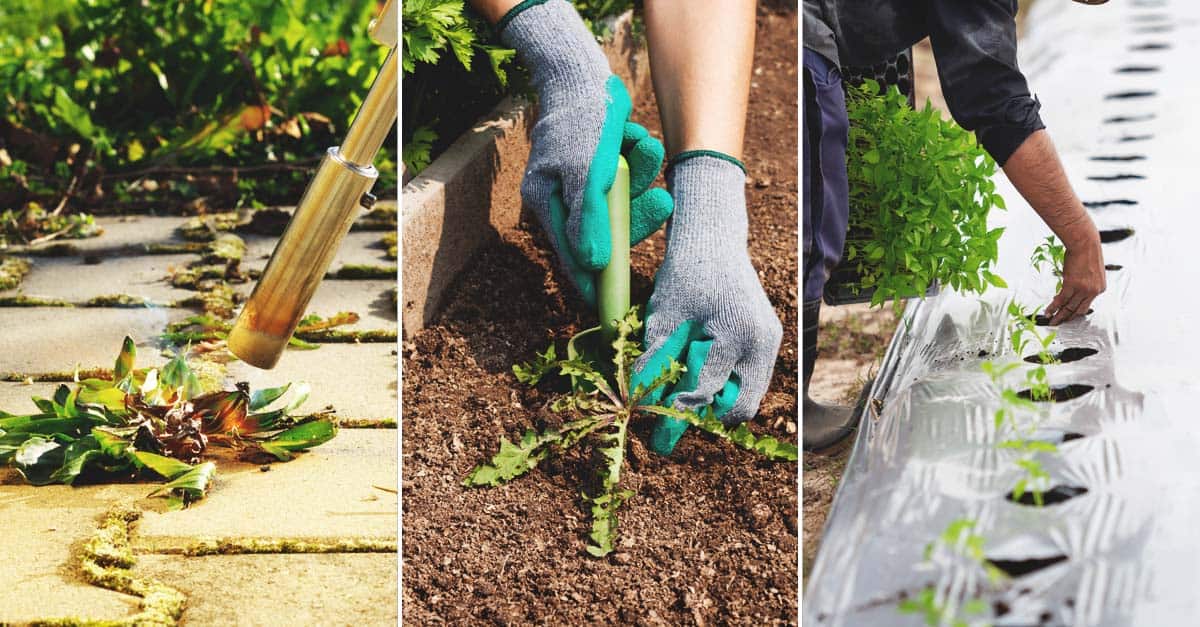

Using natural weed control is key for a healthy garden. As we learn more about chemicals’ harm, gardeners choose eco-friendly options. These methods keep your garden safe for plants, animals, and people.
Removing all weeds is hard, but you can lessen their number. Mulching, proper watering, and homemade solutions are good ways to do this. They help you have a beautiful garden without harming the environment. A balanced garden is full of life; natural methods help keep it that way.
The Nature of Weeds
Weeds are a big problem in gardens because they take up space, nutrients, and water. They are plants that get in the way of the plants we want to grow. Knowing about weeds is key for gardeners and farmers to manage them well.
Defining Weeds in Your Garden
Weeds fall into three main groups: annuals, perennials, and invasive species. Annual weeds live and die in a year, while perennials stick around for years. Invasive species can harm local plants and ecosystems. Knowing these types helps us find the best ways to control weeds.
The Importance of Knowing Your Weeds
Knowing what weeds you have helps you decide how to deal with them. Some weeds, like dandelions, are good for the soil and can be eaten. But others can hurt crops and make farming more expensive. It’s important to use a mix of methods to manage weeds well.
| Type of Weed | Characteristics | Management Practices |
|---|---|---|
| Annual Weeds | Complete lifecycle in one year; germinate and die within a single season | Regular removal before seeding; mulching |
| Perennial Weeds | Last for several years; often have extensive root systems | Deep digging; targeted herbicide applications |
| Invasive Species | Disrupt local ecosystems; outcompete native flora | Immediate removal; ecological restoration practices |
Managing weeds is essential for a healthy garden and farm. By understanding weeds, gardeners can make their gardens more productive and balanced.
Natural Weed Control: Effective Strategies
Starting a natural weed control plan needs careful thought and a dedication to a healthy garden. Creating a weed-free garden involves preparing the soil and removing weeds. Using integrated weed control methods can lead to the best results.
Creating a Weed-Free Foundation
Clean land is key for effective weed management. Soil solarization is a method of covering the soil with clear plastic to kill weed seeds. It’s especially useful for new landscaping projects.
Landscape fabrics are also great, especially in shrub beds. They control weeds without chemicals. Applying a 2-3 inch mulch layer suppresses weeds, retains moisture, and improves soil quality.
Combining Techniques for Maximum Effectiveness
Using different methods together can greatly improve weed control. Pre-emergent herbicides like corn gluten meal stop weeds before they grow. Post-emergent options, like vinegar, kill weeds that have already grown.
Other natural methods include pouring boiling water or using diluted rubbing alcohol. These are gentle on the environment. Ground covers in perennial beds also help by filling gaps and preventing weeds.
Even with landscape fabric and mulch, weeds can still appear. But they’re easier to manage when their roots aren’t deep. Hand weeding is a good organic choice, allowing for precise removal and a closer bond with your garden.
Smothering Weeds with Organic Mulch
Organic mulch is a great way to control weeds in gardens. It blocks light, stopping weed seeds from growing. Different mulches like straw, grass clippings, and shredded leaves have their benefits. Knowing about them can help you weed better and keep the soil healthy.
Types of Mulch for Effective Weed Control
There are many mulches for gardens, each with its role. Organic mulch not only fights weeds but also makes the soil better. Here are some common ones:
- Straw: It stops weeds, lets water in, and improves the soil as it breaks down.
- Grass Clippings: They’re full of nitrogen, kill weeds, and feed the soil. But use them thinly to avoid clumps.
- Shredded Leaves: They add organic matter to the soil and are easy to find in autumn.
- Old Hay: A thick layer of 3-4 inches keeps small weeds away and helps plants grow well.
Proper Application Techniques for Mulch
Using mulch right makes it better at controlling weeds. Follow these tips to get the most out of it:
- Make the mulch layer 3-4 inches thick to block sunlight well.
- Put mulch around plants but not touching the stems to avoid rot.
- Update the mulch as it breaks down to keep it effective.
- Use cardboard or newspaper under the mulch for extra weed protection.
| Type of Mulch | Benefits | Considerations |
|---|---|---|
| Straw | Effective against weeds; improves soil | Needs regular replenishment |
| Grass Clippings | Nitrogen-rich; serves as a weed barrier | Must be applied in thin layers |
| Shredded Leaves | Enhances soil structure; accessible | May pack down over time |
| Old Hay | Thick layer reduces weed growth | Watch for viable weed seeds |
Using these methods will make your garden stronger against weeds. It also helps local wildlife and improves the soil.
Utilising Proper Watering Techniques
Effective watering techniques are key to keeping gardens healthy and weed-free. Focusing on watering plants at their roots and keeping weeds dry is important. The right systems can make gardens thrive and cut down on weeds.
The Role of Drip Irrigation and Soaker Hoses
Drip irrigation delivers water right to the roots, helping plants grow strong. It stops weeds by keeping the soil dry. Soaker hoses work similarly, giving plants the water they need without giving weeds a chance.
Soaker hoses are great for efficient watering. They spread water evenly, keeping plants moist. Mulch around plants helps keep weeds away. Together, they create a garden where plants can flourish without weeds getting in the way.
| Technique | Advantages | Suitability |
|---|---|---|
| Drip Irrigation | Precise moisture delivery, water conservation, reduced weed competition | Ideal for row crops, vegetable gardens, and flower beds |
| Soaker Hoses | Even distribution, simple setup, environmentally friendly | Best suited for gardens with established plants, flower beds, and shrubs |
Using these watering methods helps plants grow well and keeps weeds away. A garden needs careful watering to stay beautiful and weed-free.
Planting Strategies to Suppress Weeds
Effective planting strategies are key to fighting weeds in your garden. Two top methods are dense planting and using living mulch. Both methods stop weeds from growing and make your garden healthier.
Benefits of Dense Planting
Dense planting keeps weeds away naturally. When plants are close together, weeds can’t grow well. This method has many advantages:
- Resource Competition: Plants fight for sunlight and nutrients, starving weeds.
- Soil Protection: Plants cover the soil, stopping erosion and keeping it warm. This helps keep moisture in.
- Enhanced Biodiversity: More plants mean a healthier garden. This attracts good insects and pollinators.
Using cover crops like ryegrass or winter wheat at the end of the season helps too. These crops protect the soil and make it richer when tilled under.
Living Mulchs: A Dual Purpose Approach
Living mulch solutions are special because plants act as both cover and crop. For example, buckwheat as a living mulch kills weeds and attracts beneficial insects. This method has several benefits:
| Benefit | Description |
|---|---|
| Weed Suppression | Creates a physical barrier that prevents weeds from accessing sunlight. |
| Soil Improvement | Decomposing plants enrich the soil, adding organic matter. |
| Insect Attraction | Encourages pollinators and natural pest predators to visit the garden. |
Using these creative planting methods reduces weed problems in your garden. They also make your soil healthier and gardening more sustainable. You can turn your garden into a thriving ecosystem by choosing dense planting and living mulches.
Human Intervention: Pulling Weeds Early
Manual weeding is vital for a garden’s health and look. Removing weeds early boosts success in controlling them. Spotting young weeds early helps prevent them from growing and spreading. It’s easier and less tiring to remove them when they’re small.
Recognising Young Weeds
Spotting young weeds early is key to weed control. Look out for:
- Small size compared to other plants
- Unique leaf shapes, unlike other plants
- Fast growth in garden spots
These signs help gardeners act fast. This way, they can stop weeds before they cause trouble in the garden.
Methods for Effective Hand Pulling
Using right-hand, weeding techniques can cut down weeds in your garden. Here’s how to do it:
- Use a trowel or claw tool to loosen the soil around the weed.
- Grasp the weed close to the base to avoid leaving roots behind.
- Pull steadily and gently to extract the entire root system.
- Dispose of weeds promptly to prevent them from going to seed.
Regular weeding, a few times a week, can help. By identifying young weeds and using these methods, your garden will be healthier.
| Weed Stage | Difficulty of Removal | Methods Recommended |
|---|---|---|
| Young (Seedling) | Low | Hand pulling, trowel use |
| Mid-stage | Medium | Hand pulling, hoeing |
| Mature | High | Weed pullers, herbicides |
Knowing weed growth stages and using the right removal methods helps control weeds. Early action is crucial for a thriving garden.
Homemade Organic Weed Killers
Making your weed killer is a green way to deal with unwanted plants. You can use common kitchen items to make organic herbicides. These items can help you fight weeds without harming the environment.
Using Vinegar as a Natural Herbicide
Vinegar is a great homemade weed killer. It works best when it’s 10-20% acetic acid. This strong vinegar kills small weeds that are under two weeks old.
It works well on broadleaf weeds like carpetweed and Canada thistle. But, be careful because vinegar is not selective. It can harm any plant it touches. Also, please don’t use it on plants you want to keep alive.
Other Household Items for Weed Control
Other household items can help with weed control. Boiling water can kill weeds on hard surfaces like sidewalks. This method is quick and effective.
Rubbing alcohol, mixed with water, can also kill weeds. It’s a contact weed killer. Organic corn gluten can stop weeds before they grow. Using these kitchen items can make your garden healthier and more eco-friendly.
| Homemade Solution | Ingredients | Effectiveness |
|---|---|---|
| Vinegar Solution | ½ gallon of white vinegar, ½ bottle of lemon juice, ½ cup of castile soap | Effective on young weeds; apply on sunny days |
| Boiling Water | Plain boiling water | Quick control on hard surfaces |
| Rubbing Alcohol | 70% isopropyl alcohol mixed with water | Targets contact of weeds |
| Corn Gluten | Organic corn gluten meal | Prevents growth of crabgrass and dandelions |
Reclaiming Weeds as Opportunities
Many gardeners now see weeds as more than just a problem. They see the good in plants like dandelions and lamb’s quarters. These plants add nutrition and flavour to our food. They also attract beneficial insects, improving our garden’s health.
Clover, for example, helps the soil by fixing nitrogen. This makes the soil richer. Instead of trying to eliminate all weeds, we can learn to live with them. This way, we can make our gardens better and help the environment.
By understanding these plants’ value, we can strengthen our gardens. We learn to let some weeds grow, making our garden more resilient. This approach helps us work with nature, making our gardens better for everyone.
Discussion about this post