

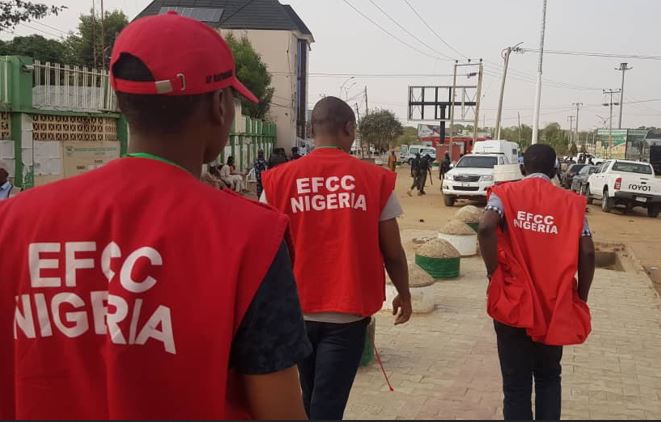

As a citizen concerned about corruption and financial crimes, you may wonder about the role of the Economic and Financial Crimes Commission (EFCC) in combating these issues. Established in 2003, the EFCC serves as Nigeria’s primary anti-corruption agency, tasked with investigating and prosecuting economic and financial crimes.
This article will explore the key functions of the EFCC and how they impact Nigeria’s fight against corruption. You’ll gain insight into the commission’s investigative powers, its role in asset recovery, and its efforts to promote transparency in both public and private sectors. Understanding the EFCC’s functions is crucial for anyone interested in Nigeria’s economic integrity and development.
History of the Economic and Financial Crimes Commission (EFCC)
The Economic and Financial Crimes Commission (EFCC) was established as a response to Nigeria’s growing reputation for economic and financial crimes. This specialized agency was created to combat corruption, money laundering, and other financial offenses that were plaguing the country’s economy and international standing.
The EFCC was founded during the presidency of Olusegun Obasanjo, who recognized the urgent need to address widespread corruption in Nigeria. EFCC was established on December 12, 2002, by an Act of the National Assembly. However, its operational activities commenced on April 13, 2003, under the leadership of its pioneer Executive Chairman, Mallam Nuhu Ribadu. The commission was established by the Economic and Financial Crimes Commission (Establishment) Act of 2004, which gave it broad powers to investigate and prosecute financial crimes.
The establishment of the commission was motivated, in part, by the Financial Action Task Force’s (FATF) assessment of Nigeria as one of 23 countries lacking cooperation in combating money laundering. This international scrutiny prompted Nigerian authorities to take proactive measures, ultimately leading to the creation of a specialized commission dedicated to tackling financial crimes.
Initially focused on tackling advance fee fraud (also known as “419 scams”), the EFCC’s mandate quickly expanded to encompass a wide range of economic and financial crimes. The commission developed specialized units to handle different types of offenses, including cybercrime, money laundering, and terrorism financing.
As the EFCC gained traction in its fight against financial crimes, it began to collaborate with international law enforcement agencies. This cooperation helped improve Nigeria’s global reputation and led to the recovery of billions of dollars in stolen assets. The commission’s efforts have been recognized by international organizations, cementing its role as a crucial player in the global fight against financial crimes.
Functions of the Economic and Financial Crimes Commission (EFCC)
The Economic and Financial Crimes Commission (EFCC) plays a pivotal role in combating financial crimes and corruption. As a specialized agency, the EFCC is tasked with a wide range of responsibilities aimed at safeguarding the economic interests of member states and promoting transparency in financial transactions.
The Economic and Financial Crimes Commission (EFCC) has several key functions, and they include the following:
Investigate Financial Crimes and Corruption
The Economic and Financial Crimes Commission (EFCC) plays a crucial role in combating financial misconduct and corruption in Nigeria. As the nation’s primary anti-graft agency, the EFCC is tasked with investigating a wide range of economic and financial crimes that threaten the country’s stability and reputation.
Types of Investigations
The EFCC’s investigative scope is broad, covering various forms of financial wrongdoing:
- Money laundering
- Embezzlement of public funds
- Cybercrime and internet fraud
- Bank fraud and insider trading
- Advance fee fraud (419 scams)
Investigative Techniques
To uncover complex financial schemes, the Economic and Financial Crimes Commission employs sophisticated investigative methods:
- Financial intelligence gathering
- Forensic accounting analysis
- Digital forensics and cybercrime tracking
- Collaboration with international law enforcement agencies
- Witness interviews and whistleblower programs
The EFCC’s investigative efforts have led to numerous high-profile arrests and convictions, sending a strong message that corruption will not be tolerated. By exposing intricate financial crimes, the commission helps recover stolen assets and deter future wrongdoing, ultimately contributing to a more transparent and accountable economic environment in Nigeria.
The EFCC Prosecutes Offenders Who Commit Financial and Economic Crimes
The EFCC plays a crucial role in Nigeria’s fight against corruption and financial misdeeds. The agency has the power to investigate, arrest, and prosecute individuals and organizations involved in economic and financial crimes.
Types of Offenses Pursued
When you hear about the EFCC in action, they’re often tackling a wide range of financial misconduct:
- Money laundering
- Embezzlement
- Fraud (including cyber fraud)
- Bribery and corruption
- Tax evasion
The Prosecution Process
The EFCC doesn’t just catch criminals; it sees the legal process through to the end. Here’s a simplified breakdown of how they operate:
- Investigation: Gathering evidence and building a case
- Arrest: Apprehending suspects based on solid evidence
- Prosecution: Taking offenders to court and presenting the case
By vigorously pursuing these cases, the EFCC aims to deter future crimes and recover stolen assets. Their work is essential in maintaining the integrity of Nigeria’s financial systems and promoting economic growth.
Remember, the EFCC’s mandate extends beyond just high-profile cases. They’re equally committed to prosecuting smaller-scale offenses that collectively harm the nation’s economy.
Collaborates with Other Government Agencies
The Economic and Financial Crimes Commission (EFCC) doesn’t work in isolation. To effectively combat financial crimes, it partners with various government bodies, creating a robust network of enforcement and prevention.
Interagency Cooperation
The EFCC work hand-in-hand with agencies like the Nigeria Police Force, the Independent Corrupt Practices Commission (ICPC), and the Central Bank of Nigeria. This collaboration allows for a more comprehensive approach to tackling economic crimes. By sharing resources, intelligence, and expertise, these agencies can cast a wider net and close loopholes that criminals might exploit.
Joint Task Forces
The Economic and Financial Crimes Commission often forms specialized task forces with other agencies to address specific issues. These joint efforts can target everything from cybercrime to money laundering. For instance, you might see a task force combining EFCC agents with customs officials to crack down on import/export fraud.
Information Sharing
One of the key benefits of this interagency collaboration is the seamless exchange of information. The EFCC can tap into databases and resources from partner agencies, enhancing its investigative capabilities. This shared knowledge base helps in connecting the dots faster, leading to more efficient crime detection and prevention.
By working together, these agencies create a formidable force against financial crimes, making it increasingly difficult for offenders to slip through the cracks of the system.
The EFCC Enforces Economic and Financial Crimes Laws
The Economic and Financial Crimes Commission (EFCC) plays a crucial role in Nigeria’s fight against corruption and financial misconduct. As the country’s primary law enforcement agency in this arena, the EFCC wields significant power to investigate and prosecute a wide range of economic and financial crimes.
The EFCC has broad investigative powers to tackle various forms of financial wrongdoing. You might be surprised to learn that their jurisdiction covers everything from cybercrime and money laundering to advance fee fraud (popularly known as “419 scams”). They’re not just limited to white-collar crimes either, the EFCC also investigates terrorism financing and public corruption.
The EFCC Educates the Public about Financial and Economic Crimes
The Economic and Financial Crimes Commission (EFCC) plays a crucial role in raising public awareness about financial and economic crimes. Through various outreach programs and initiatives, the EFCC aims to empower citizens with knowledge to protect themselves and their communities from fraudulent activities.
Public Seminars and Workshops
You might have noticed EFCC-sponsored events in your area. These seminars and workshops are designed to educate you about common scams, fraud techniques, and ways to safeguard your finances. By attending these sessions, you’ll gain valuable insights into recognizing and reporting suspicious activities.
Digital Awareness Campaigns
In today’s digital age, the EFCC leverages social media platforms and online resources to reach a wider audience. You’ll find informative posts, infographics, and video content that break down complex financial crimes into easily digestible information. Following the EFCC’s official accounts can keep you updated on the latest fraud trends and prevention tips.
Collaboration with Educational Institutions
The Economic and Financial Crimes Commission also partners with schools and universities to integrate financial crime awareness into curricula. This approach ensures that younger generations are equipped with the knowledge to navigate the complex world of finance responsibly and ethically.
By prioritizing public education, the EFCC not only fights existing crimes but also works proactively to prevent future ones, creating a more informed and resilient society.
The EFCC Recovers Assets from Criminals
The Economic and Financial Crimes Commission (EFCC) plays a crucial role in combating financial crimes in Nigeria. One of its most impactful functions is the recovery of assets from criminals. Here’s how the EFCC works to retrieve stolen funds and property:
Tracking Ill-Gotten Gains
When you hear about the EFCC’s asset recovery efforts, you might wonder how they track down these stolen riches. The commission employs sophisticated financial intelligence tools to follow money trails and identify suspicious transactions. They collaborate with banks, real estate agencies, and international partners to uncover hidden assets both within Nigeria and abroad.
Seizing and Forfeiting Assets
Once the EFCC identifies ill-gotten gains, they don’t waste time. The commission has the power to freeze bank accounts, seize physical property, and initiate forfeiture proceedings. This means that criminals can suddenly find their luxury cars, mansions, and offshore accounts taken away. It’s a powerful deterrent that shows crime doesn’t pay.
Returning Funds to Victims
The EFCC doesn’t just recover assets for the sake of it. They work tirelessly to return stolen funds to their rightful owners. Whether it’s reimbursing individual victims of fraud or returning embezzled public funds to government coffers, the commission’s efforts help restore justice and rebuild trust in the financial system.
By focusing on asset recovery, the Economic and Financial Crimes Commission strikes at the heart of financial crime, making it a less attractive prospect for would-be criminals.
Challenges Faced by the EFCC
The Economic and Financial Crimes Commission (EFCC) faces numerous hurdles in its mission to combat financial crimes in Nigeria. You might be surprised to learn just how complex these challenges can be.
Political Interference
One of the biggest obstacles you’ll notice is political meddling. High-profile cases often involve politically connected individuals, making investigations tricky. The EFCC must navigate a minefield of political pressures while maintaining its integrity.
Resource Constraints
Limited funding and manpower make it tough to tackle the sheer volume of cases. You’d be amazed at how resourceful they have to be to stretch their budget.
Technological Challenges
In today’s digital age, cybercrime is booming. The EFCC is in a constant race to keep up with tech-savvy criminals. Imagine trying to catch a hacker when your computer’s still running Windows 95!
Jurisdictional Issues
Financial crimes don’t respect borders. When money zips across countries faster than you can say “wire transfer,” it’s a nightmare for the EFCC to track. International cooperation is crucial, but it’s not always easy to come by.
Despite these hurdles, the Economic and Financial Crimes Commission soldiers on. Their dedication to fighting financial crimes is commendable, even when the odds seem stacked against them.
EFCC’s Impact on the Nigerian Economy
The Economic and Financial Crimes Commission has played a pivotal role in shaping Nigeria’s economic landscape. As the nation’s primary anti-corruption agency, the EFCC’s efforts have far-reaching consequences for both businesses and individuals.
Boosting Investor Confidence
By tackling financial crimes head-on, the EFCC has helped create a more transparent business environment. This increased accountability has made Nigeria a more attractive destination for foreign investment. You’ll find that many international companies are now more willing to partner with Nigerian businesses, knowing there’s a watchdog keeping an eye on financial transactions.
Recovering Stolen Assets
One of the EFCC’s most tangible impacts has been its success in recovering billions of naira in stolen assets. These funds, when returned to the national coffers, can be redirected towards critical infrastructure projects and social programs. It’s like finding money you forgot you had in an old jacket pocket – but on a massive scale!
Deterring Economic Crimes
The mere existence of the Economic and Financial Crimes Commission serves as a powerful deterrent. Knowing that there’s an agency dedicated to sniffing out financial misdeeds makes potential wrongdoers think twice. This preventive effect helps maintain the integrity of Nigeria’s financial systems and protects honest businesses from unfair competition.
By combating corruption and financial crimes, the EFCC is helping to create a more level playing field for all economic actors in Nigeria. While there’s still work to be done, the commission’s efforts are undoubtedly contributing to a healthier, more robust Nigerian economy.
Frequently Asked Questions
These are some of the frequently asked questions and answers about the Economic and Financial Crimes Commission.
What are the main functions of the EFCC?
The Economic and Financial Crimes Commission has several key responsibilities:
- Investigating and prosecuting financial crimes
- Recovering stolen assets and proceeds of crime
- Preventing economic and financial crimes through public education
- Collaborating with international law enforcement agencies
- Advising the government on anti-corruption policies
What types of crimes does the EFCC investigate?
The EFCC investigates various types of financial and economic crimes, including money laundering, bribery, corruption, and advance fee fraud.
How does the EFCC contribute to Nigeria’s economy?
By combating financial crimes, the EFCC helps create a more stable economic environment. This fosters investor confidence, protects public funds, and promotes sustainable economic growth. The commission’s efforts in asset recovery also help return stolen resources to the national treasury, benefiting Nigeria’s overall economic development.
Conclusion
As you have seen, the Economic and Financial Crimes Commission plays a vital role in combating financial crimes and corruption in Nigeria. By investigating offenses, prosecuting offenders, and recovering stolen assets, the EFCC works tirelessly to promote economic stability and integrity across Nigeria.
While challenges remain, the Commission’s efforts have yielded tangible results in recent years. Moving forward, continued regional cooperation and capacity building will be essential to further strengthen the EFCC’s capabilities.
Discussion about this post