

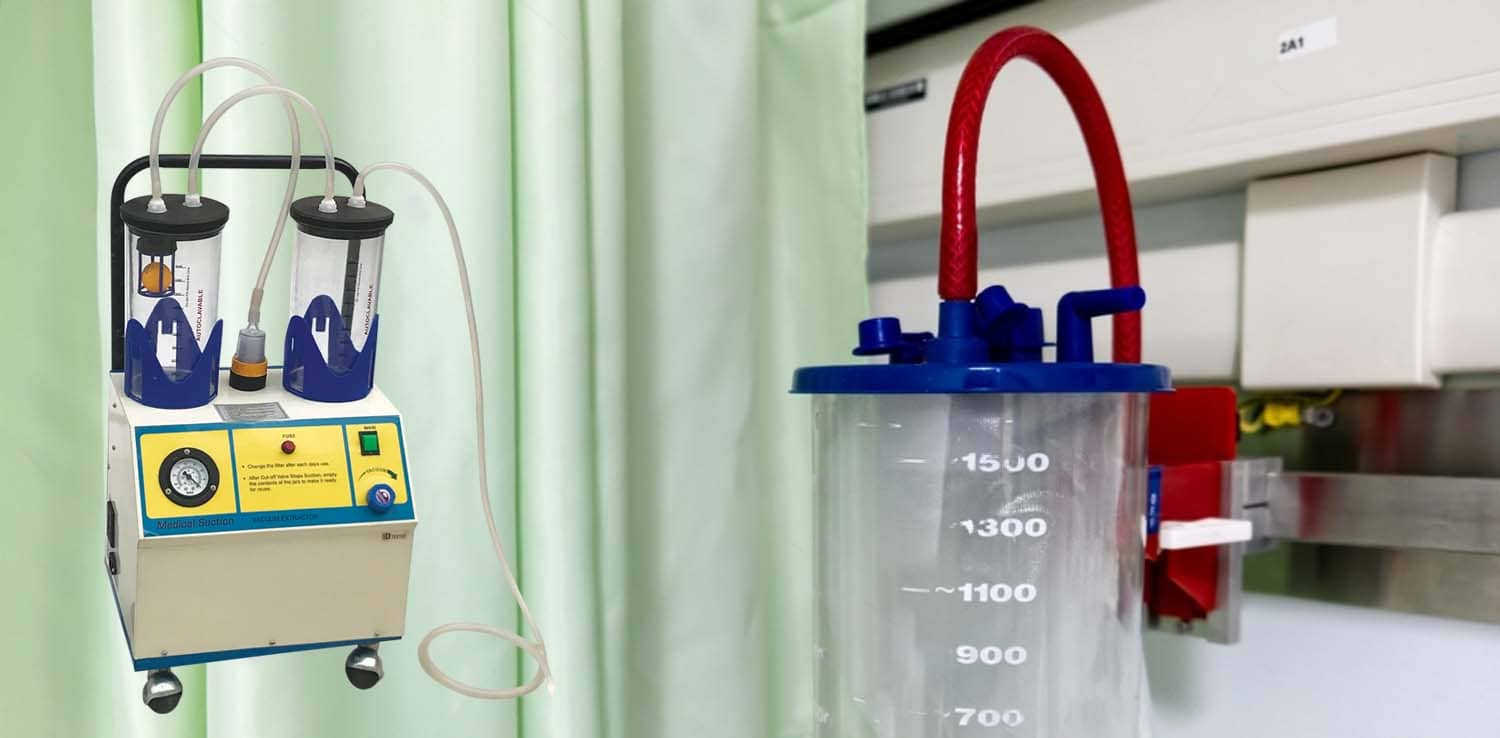
Have you ever wondered how medical professionals clear airways or remove fluids during procedures? A suction machine, an indispensable tool in healthcare settings. This powerful device creates negative pressure to extract liquids, secretions, and small particles from a patient’s body.
Whether you’re a healthcare worker or simply curious about medical equipment, understanding suction machines is essential. In this article, you’ll discover the various types of suction machines, their applications, and how they function to maintain patient safety and comfort. Join us as we explore the critical role these devices play in modern medicine and why they’re a staple in hospitals, clinics, and even home care settings.
Overview of a Suction Machine
A suction machine, also known as an aspirator, is a medical device designed to remove fluids, secretions, or other substances from a patient’s body cavities or airways. This versatile equipment plays a crucial role in various medical settings, from hospitals and clinics to home care environments.
These devices come in different sizes and configurations, ranging from portable units for emergency responders to larger, stationary models for hospital use. The suction power can usually be adjusted to suit the specific needs of each procedure.
Understanding the Purpose
The primary purpose of a suction machine is to maintain clear airways and remove unwanted substances from the body. This essential function serves several critical objectives:
- Airway Management: By clearing secretions and fluids from the mouth, nose, and throat, suction machines help maintain open airways, facilitating breathing and preventing aspiration.
- Wound Care: In surgical settings, suction machines assist in removing blood and other fluids from the operative site, improving visibility for surgeons and promoting healing.
- Infection Control: By removing potentially infectious materials, suction machines help reduce the risk of infections in both patients and healthcare providers.
- Emergency Response: In critical situations such as choking or drowning, suction machines can quickly clear obstructions from airways, potentially saving lives.
Understanding the versatility and importance of suction machines highlights their indispensable role in modern healthcare. From routine procedures to life-saving interventions, these devices continue to be a cornerstone of medical practice across various specialties and settings.
How Suction Machines Work: The Science Explained
Suction machines operate on a fundamental principle of physics: the creation of negative pressure. This ingenious mechanism allows these devices to effectively remove fluids and debris from various environments. Let’s delve into the inner workings of these essential tools.
The Vacuum Effect
At the heart of every suction machine is a powerful pump that creates a pressure differential. This pump rapidly removes air from a sealed container or tube, generating a vacuum. As nature abhors a vacuum, the surrounding air rushes in to fill this low-pressure area, carrying along with it any fluids or particles in its path.
Components and Their Functions
A typical suction machine consists of several key parts:
- Motor: Drives the pump mechanism
- Pump: Creates the negative pressure
- Collection canister: Stores the suctioned material
- Tubing: Connects the suction tip to the canister
- Filters: Prevent contamination and protect the pump
The seamless integration of these components ensures the efficient operation of the suction machine.
Pressure Control and Safety
Modern suction machines often incorporate pressure regulators to maintain safe and effective suction levels. This feature is crucial in medical applications, where precise control is necessary to prevent tissue damage. Additionally, overflow protection mechanisms safeguard the pump from fluid infiltration, extending the device’s lifespan and maintaining hygiene standards.
The versatility of suction machines makes them indispensable in various fields. In healthcare, they assist in clearing airways and surgical sites. Industrial settings utilize them for spill cleanups and process optimization. Even in household applications, suction machines prove invaluable for tasks ranging from unclogging drains to facilitating DIY projects.
Understanding the science behind suction machines illuminates their critical role in our daily lives and professional environments. This knowledge not only enhances appreciation for these devices but also promotes their safe and effective use across diverse applications.
Types of Suction Machines
Suction machines come in various forms, each designed for specific purposes. Let’s dive into some common types you might encounter:
Portable Suction Machines
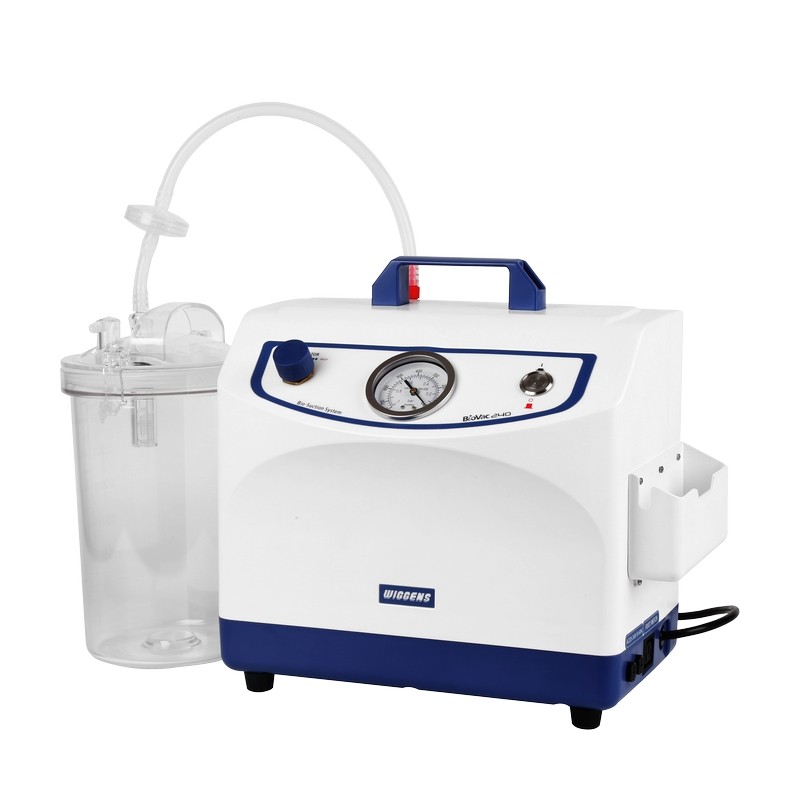
These compact dynamos are perfect for on-the-go use. Portable suction machines are lightweight, battery-operated, and ideal for home care or emergency situations. They’re a lifesaver for patients who need frequent suctioning but don’t want to be tied down to one spot.
Wall-Mounted Suction Machines

You’ll often spot these in hospitals and clinics. Wall-mounted suction machines are powerful, reliable, and always ready for action. They’re connected directly to the building’s vacuum system, providing consistent suction power without the need for frequent maintenance.
Aspirators
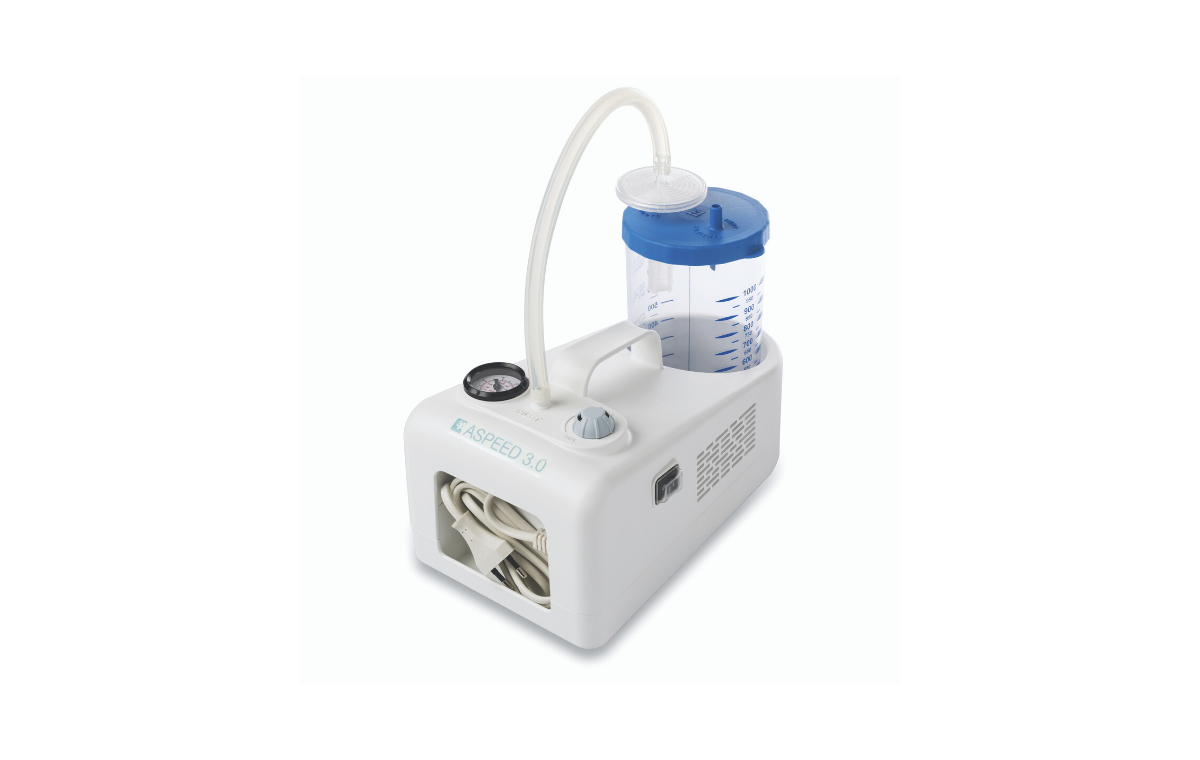
Don’t let the fancy name fool you, aspirators are just another type of suction machine. These versatile devices are commonly used in dental offices and medical settings. They’re great for removing fluids and debris from a patient’s mouth or surgical site.
Mucus Extractors

These specialized suction machines are designed to clear airways and remove secretions from the respiratory tract. They’re a godsend for patients with conditions like cystic fibrosis or severe congestion.
Electric Suction Machine

An electric suction machine is a type of suction device that uses electricity as its power source. It is commonly used in hospitals, clinics, and healthcare facilities. This type of machine provides high suction power and often comes with adjustable suction control, alarms, and indicators for vacuum level and fluid collection.
Portable Suction Machine

A portable suction machine is a compact and lightweight device that is powered by a rechargeable battery. It is designed for emergency medical services, home care, and use in remote areas. This machine is easy to use and often comes with a carrying case.
Manual Suction Machine
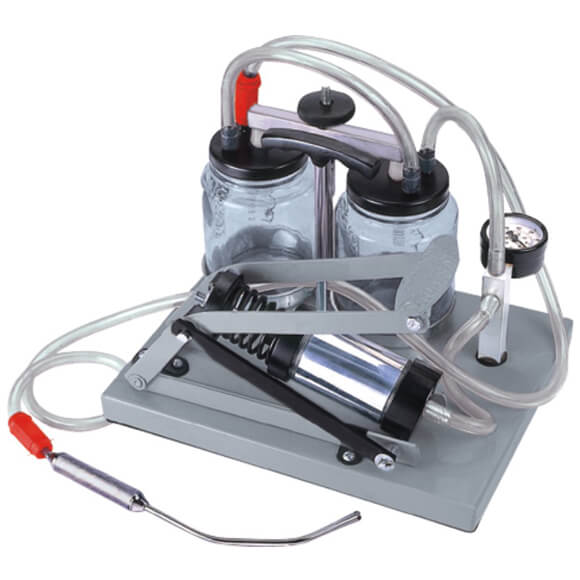

A manual suction machine is a hand-operated device that does not require electricity. It is often used in emergency situations, remote areas, or when electricity is not available. This machine has a simple design and is low in cost.
Venturi Suction Machine
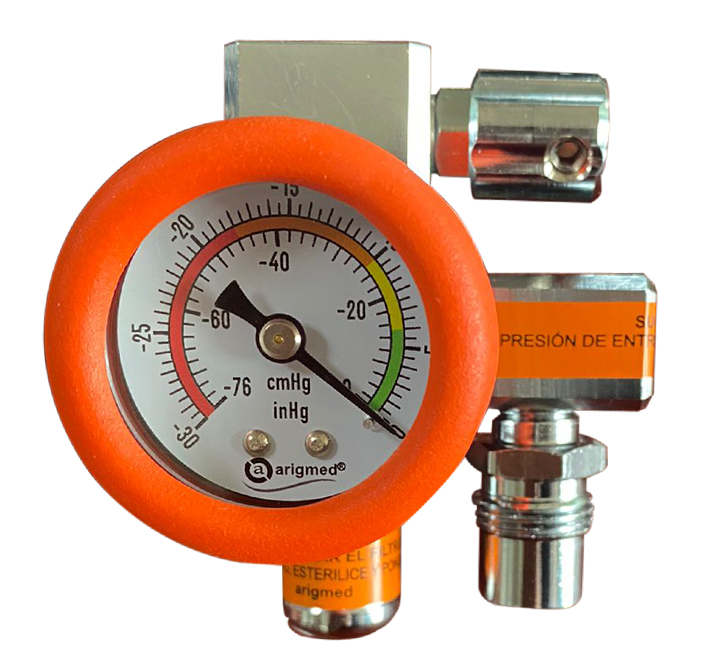
A Venturi suction machine uses compressed air or oxygen as its power source. It is commonly used in medical and dental applications, such as surgical procedures and wound care. This machine provides high suction power and often comes with a regulator and gauge.
Each type of suction machine has its own unique features and benefits. Whether you need something portable for home use or a heavy-duty system for a medical facility, there’s a suction machine out there that’s perfect for the job.
Key Components of a Suction Machine
A suction machine is a crucial medical device used to remove fluids or debris from a patient’s body. Understanding its key components is essential for proper operation and maintenance. Let’s explore some of the primary parts that make up this vital piece of equipment.
Vacuum Pump
The heart of any suction machine is its vacuum pump. This powerful component creates the negative pressure needed to extract fluids or substances from the body. It’s the workhorse that keeps the suction going strong when you need it most.
Collection Canister
Next up is the collection canister, where all the extracted material ends up. These containers come in various sizes and are typically made of durable, clear plastic for easy monitoring of fluid levels. Some models feature disposable liners for quick and hygienic disposal.
Tubing System
The tubing system connects the vacuum source to the patient. It’s essential to have high-quality, flexible tubing that can withstand the rigors of medical use without kinking or collapsing under suction pressure.
Filters
Filters play a crucial role in maintaining the cleanliness and efficiency of your suction machine. They prevent contaminants from entering the pump, extending its lifespan and ensuring hygienic operation.
Control Panel
The control panel is your interface with the suction machine. It typically includes power switches, suction strength controls, and indicators for battery life or maintenance needs. User-friendly controls make operation a breeze, even in high-pressure situations.
Power Source
Suction machines can be powered by electricity, batteries, or both. Portable models often feature rechargeable batteries for use in various settings or during power outages.
Suction Tips and Catheters
These attachments come in different sizes and shapes to suit various medical procedures. From oral suction tips to specialized catheters, having the right tool for the job is crucial for effective fluid removal.
Overflow Protection Mechanism
An overflow protection mechanism is a safety feature that prevents fluids from entering the pump if the collection canister becomes full. This safeguard is essential for maintaining the longevity and hygiene of your suction machine.
Applications of Suction Machines Across Industries
Suction machines are versatile tools that find applications in various industries. Let’s explore some key uses of these powerful devices:
Medical and Healthcare
In hospitals and clinics, suction machines are crucial for removing fluids and secretions from patients’ airways or surgical sites. They’re essential in operating rooms, emergency departments, and intensive care units, helping maintain clear airways and improving patient outcomes.
Dental Practices
Dentists rely on suction machines to keep patients’ mouths dry during procedures. These devices remove saliva, water, and debris, ensuring a clear field of vision for the dentist and enhancing the effectiveness of treatments.
Industrial Cleaning
Suction machines play a vital role in industrial cleaning operations. They’re used to remove dust, debris, and liquids from large spaces, machinery, and hard-to-reach areas. This application helps maintain a safe and clean work environment.
Food Processing
In the food industry, suction machines assist in various processes. They’re used for vacuum packaging, removing air from containers to extend shelf life, and even in the production of certain foods like vacuum-fried snacks.
Construction and Renovation
Construction sites benefit from suction machines for dust extraction and cleanup. These devices help maintain air quality, remove potentially hazardous particles, and keep work areas tidy, improving safety and efficiency.
Automotive Industry
Car manufacturers and repair shops use suction machines for tasks like oil changes, brake fluid replacement, and general cleaning. They’re essential for efficiently removing fluids and small debris from vehicles.
Environmental Cleanup
Suction machines are invaluable in environmental remediation efforts. They’re used to clean up oil spills, remove contaminated water, and assist in hazardous waste management, playing a crucial role in protecting ecosystems.
Laboratory Research
In scientific laboratories, suction machines aid in various experiments and procedures. They’re used for filtration, sample collection, and maintaining sterile environments, supporting cutting-edge research across multiple fields.
Factors to Consider When Choosing a Suction Machine
When selecting a suction machine, it’s crucial to consider several key factors to ensure you’re getting the right device for your needs. Here are some important aspects to keep in mind:
Suction Power
The suction power of the machine is paramount. It determines how effectively the device can remove fluids or debris. Look for a suction machine that offers adjustable power settings to cater to different situations and patient needs.
Portability
Consider how and where you’ll be using the device. If you need to move it frequently, opt for a lightweight, compact suction machine with a carrying handle or wheels for easy transport.
Noise Level
Nobody wants a noisy machine disrupting their environment. Look for models that operate quietly, especially if you’ll be using it in a home setting or sensitive medical environment.
Battery Life
For portable units, battery life is crucial. Ensure the suction machine you choose has a long-lasting battery that can operate continuously for several hours between charges.
Ease of Cleaning
Hygiene is vital in medical equipment. Select a suction machine with easily removable and washable parts to maintain cleanliness and prevent infections.
Capacity
The collection canister’s size matters. Choose a machine with a capacity that suits your needs, whether it’s for occasional use or frequent, high-volume suctioning.
Durability
A suction machine is an investment. Look for models made with high-quality materials that can withstand frequent use and occasional bumps or drops.
Accessories and Compatibility
Consider what additional accessories you might need, such as different types of catheters or tubing. Ensure the suction machine you choose is compatible with these accessories for versatile use.
By carefully evaluating these factors, you’ll be better equipped to select a suction machine that meets your specific requirements and provides reliable performance when you need it most.
Proper Maintenance and Cleaning of Suction Machines
Keeping your suction machine in top shape is crucial for its performance and longevity. Here are some essential maintenance and cleaning practices to ensure your device stays in prime condition:
Regular Canister Emptying
Empty the collection canister after each use or when it’s 3/4 full. This prevents overflow and maintains optimal suction power.
Thorough Tubing Rinse
Flush the tubing with warm water and mild detergent daily. This removes any debris and prevents blockages that could impair the suction machine’s functionality.
Filter Replacement
Change the bacterial filter regularly, typically every 1-2 months or as recommended by the manufacturer. This crucial step maintains hygiene and prevents cross-contamination.
Exterior Wipe-Down
Clean the exterior of your suction machine with a damp cloth and mild disinfectant daily. This keeps the device looking pristine and reduces the risk of bacterial growth.
Lubrication Check
Inspect and lubricate moving parts as per the manufacturer’s guidelines. This ensures smooth operation and extends the life of your suction machine.
Battery Maintenance
For portable units, regularly check and charge the battery. Proper battery care prevents unexpected power loss during critical moments.
Seal Inspection
Examine all seals and gaskets monthly for wear or damage. Replace any compromised components to maintain proper suction and prevent leaks.
Professional Servicing
Schedule annual professional maintenance checks. Expert technicians can identify and address potential issues before they become major problems, ensuring your suction machine remains reliable and effective.
Safety Precautions When Operating a Suction Machine
When using a suction machine, safety should always be your top priority. Here are seven crucial precautions to keep in mind:
Proper Training
Before operating a suction machine, ensure you’ve received thorough training. Familiarize yourself with the device’s components, functions, and potential hazards. This knowledge is essential for safe and effective use.
Personal Protective Equipment (PPE)
Always wear appropriate PPE, including gloves, goggles, and a face mask. This protects you from potential exposure to bodily fluids or infectious materials during the suctioning process.
Infection Control
Maintain strict hygiene protocols. Clean and disinfect the suction machine after each use to prevent cross-contamination. Follow manufacturer guidelines for proper cleaning procedures.
Patient Positioning
Ensure the patient is in a comfortable, safe position before starting suction. This reduces the risk of injury and improves the effectiveness of the procedure.
Pressure Settings
Monitor and adjust the suction pressure carefully. Excessive pressure can cause tissue damage or bleeding. Always start with the lowest effective setting and increase gradually if needed.
Time Management
Limit suction duration to prevent oxygen deprivation. Follow recommended guidelines for continuous suctioning time, typically no more than 10-15 seconds per attempt.
Equipment Checks
Regularly inspect your suction machine for any signs of wear, damage, or malfunction. Perform routine maintenance as recommended by the manufacturer to ensure optimal performance and safety.
By following these precautions, you’ll significantly reduce the risks associated with using a suction machine, ensuring both patient and operator safety.
Frequently Asked Questions
Here are some frequently asked questions and answers about a Suction Machine.
How do I choose the right suction machine?
When choosing a suction machine, consider factors such as suction power, flow rate, noise level, portability, and ease of use.
What safety precautions should I take when using a suction machine?
Always follow proper suctioning techniques, use personal protective equipment (PPE), and ensure the patient’s comfort and safety during the suctioning procedure.
Can I use a suction machine at home?
Yes, portable suction machines are available for home use, but it’s essential to follow proper usage and maintenance guidelines and consult with a healthcare professional if necessary.
How often should a suction machine be cleaned?
Regular cleaning and maintenance of a suction machine are crucial for patient safety and equipment longevity. The frequency of cleaning depends on usage, but generally:
- After each use: Clean and disinfect the suction tubing and canister
- Daily: Wipe down the exterior of the machine
- Weekly: Perform a more thorough cleaning of all components
Always follow the manufacturer’s guidelines for cleaning and maintenance procedures.
Conclusion
In conclusion, suction machines play a vital role in various medical and industrial applications. By understanding their functions, types, and proper usage, you can harness their power to improve patient care or streamline industrial processes. Whether you’re a healthcare professional, caregiver, or industry operator, selecting the right suction machine for your needs is crucial.
Remember to prioritize factors such as portability, suction strength, and ease of maintenance when making your choice. With the knowledge gained from this article, you’re now better equipped to make informed decisions about suction machines and their implementation in your specific field. Embrace this technology to enhance efficiency and achieve optimal results in your endeavors.
Discussion about this post