

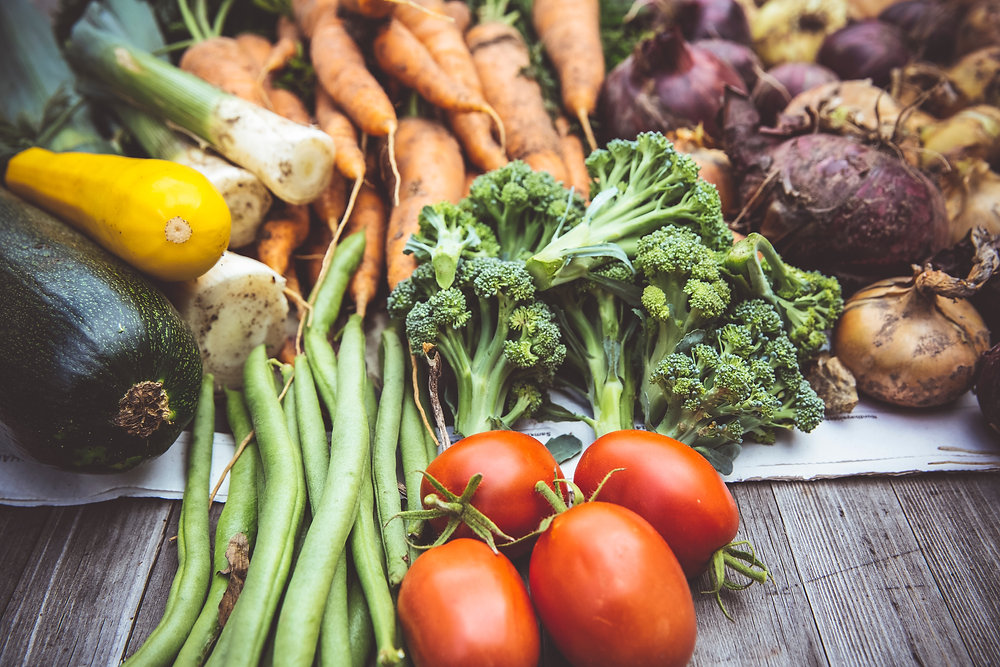

Preserving garden vegetables is a great way to enjoy your homegrown produce all year. You can keep your vegetables fresh and reduce waste with the right techniques. This saves money and helps you use up your harvest.
First, you need to know the best storage conditions for each vegetable. These can be cool and dry, cold and dry, or cold and moist. Each condition affects how long your vegetables stay fresh.
There are many ways to preserve garden vegetables. You can refrigerate, freeze, pickle, dry, or ferment them. Learning these methods lets you enjoy your favourite vegetables all year. It also helps you make the most of your harvest.
Why Preserving Your Garden Vegetables Matters
Preserving veggies from your garden is key to enjoying your homegrown produce all year. It helps you use less store-bought food and saves money. Plus, it’s good for the planet because it cuts down on transportation and packaging.

There are many good reasons to preserve your garden vegetables. Some of the main benefits include:
- Reduced food waste: Preserving your vegetables helps reduce food waste and ensures you can enjoy your homegrown produce for a longer period.
- Cost savings: Preserving your vegetables can help you save money by reducing reliance on store-bought produce.
- Environmental benefits: Preserving your vegetables reduces the need for transportation and packaging, making it an environmentally friendly option.
Benefits of Home Preservation
Home preservation lets you enjoy your vegetables all year. It also brings economic and environmental benefits. You can enjoy your veggies longer, save money, and help the planet.
Economic Advantages
Preserving your garden vegetables can save you money. It’s great for families or individuals who grow their veggies. You get to enjoy your homegrown produce for longer.
Environmental Impact
Preserving your garden vegetables is also good for the environment. It cuts down on transportation and packaging. This helps reduce your carbon footprint and supports a sustainable lifestyle.
Essential Tools and Equipment for Vegetable Preservation
To start preserving your garden veggies, you need the right tools. This includes airtight containers, freezer bags, and canning jars. For freezing garden vegetables, use airtight containers or freezer bags. You’ll need canning jars, lids, and a pressure canner for canning garden produce.
Other must-haves include a food dehydrator, pickling jars, and fermentation vessels. The right tools make preserving easier and more efficient. Here are some key items to consider:
- Airtight containers for storing frozen vegetables
- Freezer bags for freezing raw or blanched vegetables
- Canning jars, lids, and a pressure canner for canning garden produce
- Food dehydrator for dehydrating fruits and vegetables
- Pickling jars and fermentation vessels for pickling and fermenting
Investing in these tools will help you preserve your garden veggies successfully. You’ll enjoy them all year long.
| Equipment | Description |
|---|---|
| Airtight Containers | For storing frozen vegetables |
| Freezer Bags | For freezing raw or blanched vegetables |
| Canning Jars and Pressure Canner | For canning garden produce |
Selecting and Preparing Vegetables for Preservation
Storing garden produce well depends on the produce’s freshness and condition. It’s key to pick the right vegetables for your preservation method. For instance, leafy greens and broccoli freeze well, while cucumbers and squash are great for pickling.
Preparing veggies for preservation is important to avoid contamination and spoilage. This means cleaning and sanitizing them. Also, cut them as needed for your preservation method. Some veggies need chopping, while others can stay whole. Always handle them gently to avoid damage.
Here are some tips for selecting and preparing vegetables for preservation:
- Choose vegetables that are fresh and free of damage
- Clean and sanitize the vegetables to prevent contamination
- Cut and prepare the vegetables according to the preservation method
Following these tips and using the right preservation methods, you can enjoy your homegrown vegetables year-round. This way, you make the most of your garden’s bounty.
How To Preserve Garden Vegetables Through Freezing
Freezing is a great way to keep garden vegetables fresh. Almost all veggies can be frozen, except for cabbage and potatoes. First, you need to blanch them to stop enzymes from acting.
Blanching takes about one to three minutes for most veggies. After blanching, cool them quickly in ice water to prevent overcooking. Then, pack them in airtight containers or bags, removing air to avoid freezer burn.
Blanching Process
Blanching times vary by vegetable. Pea pods need 90 seconds, while whole onions take 7 minutes. For example, asparagus blanches in 2-4 minutes, and broccoli flowerets in 3 minutes. It’s important to follow these times for proper preservation.
Freezer Organization
Organizing your freezer is key when freezing veggies. Leave ½ inch of space in containers and 3 inches in bags for expansion. This way, your frozen veggies will stay fresh for up to 12 months, keeping their taste and nutrients.
Water Bath and Pressure Canning Methods
Canning garden produce is a great way to keep vegetables fresh. It involves sealing them in jars and boiling them to kill bacteria. There are two main methods: water bath canning and pressure canning.
Water bath canning works best for foods like tomatoes and pickling garden vegetables. These foods have a pH of 4.6 or lower. Pressure canning is needed for foods like green beans and corn, which have a higher pH.
Canning aims to heat the food enough to kill all bacteria. Water bath canners heat to 212°F, while pressure canners reach 240°F.
Here are some important tips for canning garden produce: * Use vinegar with at least 5% acidity for canning. * Add sugar to fruit recipes to improve flavor and keep shape. * Use bottled lemon juice for consistent acidity. * Always wash produce before canning to remove contaminants. * Follow the USDA’s guidelines for processing times.
| Canning Method | Temperature | Food Type |
|---|---|---|
| Water Bath Canning | 212°F | High-acid foods (tomatoes, pickles) |
| Pressure Canning | 240°F | Low-acid foods (green beans, corn) |
Dehydrating and Drying Techniques
Dehydrating and drying are great ways to keep garden veggies fresh all year. They remove water, stopping bacteria and spoilage. This lets you enjoy your harvest for months.
Sun drying is a common method. You spread veggies on a tray or hang them in a dry spot. It needs sunny days and low humidity, taking 3 to 4 days.
Sun Drying Methods
Sun drying is easy and cheap. But, it takes time and needs watching to dry veggies right.
Using a Food Dehydrator
A food dehydrator is faster. It heats to 125°F to 140°F, drying veggies in 3 to 18 hours. This method gives better control and quality.
Storage of Dried Vegetables
Store dried veggies in airtight containers to keep them fresh. They can last up to a year. Adding moisture absorbers helps keep them fresh longer.
Drying veggies has many benefits. It preserves them for long, keeps nutrients and flavor, and is easy to store. Whether sun drying or using a dehydrator, these methods are great for saving your harvest.
| Vegetable | Drying Method | Drying Time |
|---|---|---|
| Cucumbers | Dehydrator | 6-8 hours |
| Carrots | Sun drying | 3-4 days |
| Tomatoes | Dehydrator | 8-12 hours |
Pickling and Fermentation Processes
Pickling garden vegetables is a fantastic way to keep them fresh. It involves soaking them in vinegar, water, sugar, and spices. This method helps preserve veggies from the garden while keeping their taste and nutrients. You can pickle it quickly or let it ferment for weeks.
The fermentation process lets vegetables break down naturally. It uses the bacteria and yeast on the veggies. This can take weeks but creates naturally occurring probiotics that are good for your gut. To start, press down the veggies in a jar, leaving at least two inches of space at the top.
Brine Solutions
A brine is a mix of water, salt, and sometimes sugar and spices. Use natural salt without additives for pickling. The best temperature for fermentation is between 60°F and 70°F. Temperatures over 75°F can make veggies soft and slimy.
Quick Pickling Methods
Quick pickling soaks veggies in brine for a few hours. It’s perfect for pickling garden vegetables you’ll eat soon. Depending on the veggie, you can store them in the fridge for up to 2 weeks.
Long-term Fermentation
Long-term fermentation lets veggies ferment for weeks. This method preserves veggies from the garden that last months. The process can warm the jar, so watch the temperature.
Common Preservation Mistakes to Avoid
When extending the shelf life of garden vegetables, using the right preservation methods is key. Many gardeners make the mistake of not following safe canning practices. This can cause spoilage and even foodborne illness.
Another common error is not blanching vegetables before freezing. This step is important to keep their texture and flavour. Without it, the vegetables can lose their quality.
Improper storage is another big issue. Vegetables like carrots and beets can last months in cool, dry places. But if not stored right, they spoil fast. Garden vegetable preservation methods like freezing, canning, and dehydrating can help. But they must be done correctly.
Some common mistakes to avoid include: * Not following safe canning practices * Not blanching vegetables before freezing * Not storing vegetables in a cool, dry place * Not using the right preservation method for the type of vegetable * Not checking on stored vegetables regularly to ensure they are fresh.
By avoiding these mistakes and using the right garden vegetable preservation methods, gardeners can enjoy their produce all year. Whether it’s extending the shelf life of garden vegetables through freezing, canning, or dehydrating, the key is to follow proper techniques and take the time to do it right.
Your Path to Year-Round Fresh Garden Vegetables
Preserving your garden vegetables lets you enjoy your homegrown produce all year. With some planning, you can keep up to 70% of your veggies fresh. Another 20% can be saved for later.
Freezing, canning, pickling, or dehydrating are all good ways to keep your veggies fresh. The right tools and equipment are key to keeping your vegetables tasty and nutritious. This way, you can have fresh, delicious veggies all year for your family.
Success in preserving vegetables comes from paying attention to details and using safe methods. With practice, you can make the most of your garden. This will give you a steady supply of healthy, homegrown food for your family all year.
FAQ
Q: What are the different methods of preserving garden vegetables?
A: You can preserve garden vegetables by refrigerating, freezing, canning, pickling, drying, or fermenting them.
Q: What essential tools and equipment are needed for vegetable preservation?
A: You’ll need airtight containers or freezer bags for freezing. For canning, you need jars, lids, and a pressure canner. A food dehydrator, pickling jars, and fermentation vessels are also important.
Q: How do I select and prepare vegetables for preservation?
A: First, pick the right vegetables for your method. Please make sure they’re fresh and clean. Then, cut them as needed for your chosen preservation technique.
Q: What is the blanching process for freezing vegetables?
A: Blanching stops enzymes by briefly boiling vegetables. Then, package them in airtight containers or bags. Remove air to prevent freezer burn.
Q: What are the differences between water bath canning and pressure canning?
A: Water bath canning works for high-acid veggies like tomatoes and pickles. But pressure canning is needed for low-acid veggies like green beans and corn.
Q: How can I dry and dehydrate garden vegetables?
A: You can dry veggies using sun or a food dehydrator. Store them in airtight containers to keep them fresh.
Q: What are the common mistakes to avoid when preserving garden vegetables?
A: Avoid following safe canning practices and do not blanch before freezing. Also, don’t store veggies improperly to prevent spoilage.
Discussion about this post