

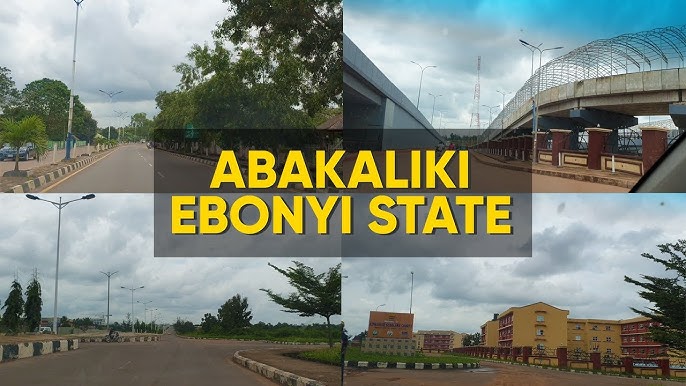

Ebonyi State is nestled in southeastern Nigeria. This hidden gem offers a unique blend of natural beauty, rich culture, and economic potential. As one of the country’s youngest states, Ebonyi has rapidly emerged as a hub for agriculture and mineral resources.
When you explore its lush landscapes and vibrant communities, you’ll discover a place where tradition meets progress. From the stunning Abakaliki Rice Mill to the sacred Uburu Salt Lake, Ebonyi State presents a tapestry of experiences waiting to be uncovered. Join us as we delve into the heart of this captivating region and unravel the stories that make Ebonyi truly special.
Introducing Ebonyi: The Gem of Southeast Nigeria
Nestled in the heart of Southeast Nigeria, Ebonyi State emerges as a hidden treasure waiting to be discovered. This young state, created in 1996, has rapidly transformed itself into a beacon of progress and innovation in the region. Ebonyi’s unique blend of rich cultural heritage and modern development makes it a fascinating destination for both locals and visitors alike.
Ebonyi is bordered to the north and northeast by Benue State, Enugu State to the west, Cross River State to the east and southeast, and Abia State to the southwest. Ebonyi State was named after the Abonyi River, a large part of which is in the state’s south, and was formed from parts of Abia and Enugu states in 1996. Ebonyi capital is Abakaliki.
Ebonyi State ranks 33rd in terms of area, the state has approximately 3,490,383 residents as of 2025. Geographically, the state is characterized by two distinct regions: the Cross-Niger transition forests in the far south and the Guinean forest-savanna mosaic in the rest of the state.
Ebonyi boasts an array of natural attractions that showcase its stunning beauty. From the picturesque Abakaliki rice fields that stretch as far as the eye can see to the awe-inspiring Amanchor Cave, nature enthusiasts will find themselves in awe of the state’s diverse landscapes. The serene Afikpo Beach along the Cross River provides a perfect retreat for those seeking tranquility amidst nature’s splendor. Ebonyi’s skilled artisans are renowned for their intricate beadwork and pottery, making the state a hub for authentic Nigerian crafts.
Origin and History of Ebonyi State

Ebonyi State has a rich history that predates its official creation. Carved out of parts of Enugu and Abia states on October 1, 1996, Ebonyi emerged as a distinct entity during the military regime of General Sani Abacha.
Pre-Colonial Era
Long before its establishment as a state, the area now known as Ebonyi was home to various indigenous communities. These groups, including the Izzi, Ezza, Ikwo, and Afikpo, had well-developed social and political structures that guided their affairs.
Colonial Influence
The arrival of British colonizers in the late 19th century brought significant changes to the region. The area that would become Ebonyi was initially part of the Eastern Region of Nigeria under colonial rule. This period saw the introduction of Western education and Christianity, which greatly influenced the local culture.
Path to Statehood
Following Nigeria’s independence in 1960, the push for the creation of Ebonyi State gained momentum. Local leaders and community members advocated for a separate state to address the unique needs and aspirations of the people. Their persistent efforts finally bore fruit in 1996 when Ebonyi was officially declared a state.
Today, Ebonyi continues to forge its path, building on its rich cultural heritage while embracing modern development. The state’s journey from pre-colonial times to its current status reflects the resilience and determination of its people.
Geography and Climate of Ebonyi State
Ebonyi State boasts a diverse topography characterized by rolling hills, lush valleys, and expansive plains. The state’s landscape is punctuated by numerous rivers and streams, including the Cross River and its tributaries. Ebonyi’s strategic position, bordered by Benue State to the north and Enugu State to the west, contributes to its unique geographical features.
Climate and Vegetation
The climate in Ebonyi State is primarily tropical, with two distinct seasons: a rainy season from April to October and a dry season from November to March. This climatic pattern supports a rich tapestry of vegetation, ranging from savanna grasslands in the north to dense tropical forests in the southern regions. The state’s abundant rainfall and fertile soil make it an ideal environment for agriculture, earning Ebonyi the nickname “Salt of the Nation” due to its significant salt deposits and agricultural productivity.
Ebonyi’s geography is further distinguished by its wealth of natural resources. The state is renowned for its vast salt lakes, which have played a crucial role in its economic development. Additionally, Ebonyi possesses substantial reserves of limestone, lead, and zinc, contributing to its potential for mineral exploitation and industrial growth.
Ebonyi’s Rich Cultural Heritage and Traditions
Ebonyi boasts a vibrant tapestry of cultural heritage and traditions that have been preserved through generations. The people of Ebonyi take immense pride in their unique customs, which reflect their deep-rooted connection to the land and their ancestors.
Traditional Festivals and Ceremonies
Ebonyi’s calendar is punctuated by colorful festivals that showcase the state’s rich cultural diversity. The New Yam Festival, celebrated annually, is a prime example of the region’s agricultural traditions. During this event, communities come together to give thanks for a bountiful harvest and pray for continued prosperity.
Arts and Crafts
The artistic prowess of Ebonyi’s people is evident in their intricate handicrafts. From beautifully woven baskets to intricately carved wooden masks, these artifacts serve as tangible representations of the state’s cultural identity. Many of these traditional crafts have been passed down through generations, preserving ancient techniques and designs.
Music and Dance
Music and dance play a crucial role in Ebonyi’s cultural expression. Traditional instruments like the talking drum and xylophone accompany energetic dance performances during ceremonies and festivals. These rhythmic displays not only entertain but also serve as a means of storytelling, preserving oral histories and legends.
Major Tribes and Languages of Ebonyi
Ebonyi State is home to a rich tapestry of ethnic groups and languages. This diversity contributes to the state’s vibrant cultural landscape and unique identity within the country.
Predominant Ethnic Groups
The Igbo people form the majority in Ebonyi, making up a significant portion of the state’s population. However, several other distinct tribes also call Ebonyi home, including the Ezza, Izzi, Ezzamgbo, and Okpoto. Each of these groups brings its own traditions, customs, and linguistic nuances to the state’s cultural mosaic.
Language Diversity
While Igbo serves as the primary language for most Ebonyi residents, the state boasts a variety of dialects and sub-languages. These linguistic variations reflect the rich cultural heritage of the region and often correspond to specific ethnic subgroups within the larger Igbo community. Each language has its own unique features and local significance.
In Ebonyi State, several Igbo dialects are spoken, including Edda, Ehugbo (Afikpo), Izzi-Ezza-Mgbo-Ikwo, Oshiri, Unwara, Akpoha, Okposi, Amasiri, and Onicha. Additionally, some areas speak a blend of Igbo and Kogi dialects, such as Amuda-Okpolo, Ntezi-Okpoto, and Effium, which share similarities with dialects spoken in neighboring Cross River and Benue States.
Despite this linguistic diversity, English remains the official language of government and education in Ebonyi State, facilitating communication across different ethnic groups and connecting the state to the broader Nigerian and global community.
Local Government Areas in Ebonyi State
Ebonyi State, located in southeastern Nigeria, is divided into 13 local government areas (LGAs): Abakaliki, Izzi, Ezza North, Afikpo South, Ohaukwu, Ebonyi, Oniocha, Ishielu, Ezza South, Ikwo, Afikpo North, Ohaozara, Ivo. These administrative divisions play a crucial role in the state’s governance and development. Each LGA is responsible for providing essential services to its residents and implementing local policies.
The state capital, Abakaliki, is situated in Abakaliki LGA, serving as the economic and administrative hub of Ebonyi.
Local government areas in Ebonyi have been instrumental in implementing state-wide development projects. These initiatives focus on improving infrastructure, healthcare, and education across the state, contributing to Ebonyi’s growth and progress.
Top Attractions and Landmarks in Ebonyi
Ebonyi State, known as the “Salt of the Nation,” boasts a rich tapestry of natural and cultural attractions. Here are seven must-visit landmarks that showcase the state’s beauty and heritage:
Abakaliki Rice Mill
This bustling complex is the heart of Ebonyi’s rice production. You’ll witness the fascinating process of rice milling and can purchase some of Nigeria’s finest rice directly from local farmers.
Oferekpe Waterfall
Located in Ikwo, this stunning natural wonder offers a serene escape. The cascading waters create a misty veil, perfect for photography enthusiasts and nature lovers alike.
Ntezi Caves
These ancient caves near Ishiagu provide a glimpse into Ebonyi’s geological past. Explore the intricate rock formations and learn about local legends associated with these mysterious caverns.
Ukpa Rock
This massive monolith in Afikpo North offers panoramic views of the surrounding landscape. It’s a popular spot for hikers and those seeking spiritual enlightenment.
Amanchore Cave and Waterfall
This hidden gem in Afikpo combines the allure of a secluded cave with the beauty of a cascading waterfall, creating a truly magical experience for visitors.
Salt Lake
Ebonyi’s salt deposits are legendary, and this lake in Okposi showcases the state’s mineral wealth. The saline waters are believed to have therapeutic properties.
Akanu Ibiam Federal Polytechnic
While not a traditional tourist spot, this institution in Unwana is an architectural marvel and a testament to Ebonyi’s commitment to education and progress.
Education and Healthcare in Ebonyi State
Ebonyi State has made significant strides in improving its educational infrastructure since its creation in 1996. The state boasts several higher education institutions, including Ebonyi State University in Abakaliki, which serves as a hub for academic excellence and research. Additionally, numerous secondary and primary schools dot the landscape, providing educational opportunities for the state’s youth.
Healthcare Initiatives
In recent years, Ebonyi has prioritized healthcare development to enhance the well-being of its residents. The state government has invested in modernizing existing medical facilities and constructing new ones to improve access to quality healthcare services. The Ebonyi State University Teaching Hospital stands as a testament to these efforts, serving as both a medical center and a training institution for healthcare professionals.
Challenges and Progress
Despite notable improvements, Ebonyi still faces challenges in both education and healthcare sectors. Limited resources and infrastructure gaps continue to impact service delivery. However, the state’s commitment to progress is evident through various initiatives, including partnerships with international organizations to bolster educational programs and healthcare services. These efforts aim to position Ebonyi as a model for development in the region.
Notable people from Ebonyi State
Ebonyi State has produced numerous influential figures who have made significant contributions to Nigeria and beyond. Here are some notable individuals hailing from this southeastern state:
- Dr. Sam Egwu: The first civilian governor of Ebonyi State, serving from 1999 to 2007. He later became the Minister of Education.
- David Umahi: He is a Nigerian politician who currently serves as the Minister of Works. His political career spans several roles, including Senator representing Ebonyi South senatorial district from June to August 2023, Governor of Ebonyi State from 2015 to 2023, and Deputy Governor from 2011 to 2015.
- Anyim Pius Anyim: Former Senate President and Secretary to the Government of the Federation.
- Ogbonnaya Onu: First civilian governor of old Abia State and former Minister of Science and Technology.
- Francis Nwifuru: He is the current Governor of Ebonyi State. He assumed office on May 29, 2023, after winning the gubernatorial election with 199,131 votes. Prior to his governorship, Nwifuru served as the Speaker of the Ebonyi State House of Assembly from 2015 to 2023 ,
- Ifeanyi Odii: Prominent businessman and philanthropist from Ebonyi State.
These individuals represent a diverse range of fields, including politics, business, and social advocacy. Their achievements have not only brought recognition to Ebonyi State but have also contributed significantly to Nigeria’s development on various fronts.
Frequently Asked Questions
Here are some frequently asked questions and answers about Ebonyi State:
What is Ebonyi State known for?
Ebonyi State is renowned for its rich agricultural heritage and abundant mineral resources. Often called the “Salt of the Nation,” Ebonyi is famous for its high-quality salt deposits, particularly in the Okposi and Uburu areas. The state is also a major producer of rice, yams, and cassava, earning it the nickname “Food Basket of the Nation.”
When was Ebonyi State created?
Ebonyi State was created on October 1, 1996, under the military regime of General Sani Abacha. It was carved out from parts of Enugu and Abia states, becoming the 36th state in Nigeria. The creation of Ebonyi was a response to the long-standing demands of the people for their own state.
What is the capital of Ebonyi State?
The capital and largest city of Ebonyi State is Abakaliki. This bustling urban center serves as the political, economic, and cultural hub of the state. Abakaliki is home to important government institutions, educational facilities, and commercial enterprises that drive the development of Ebonyi.
What languages are spoken in Ebonyi?
While English is the official language, Igbo is widely spoken throughout Ebonyi State. However, the state is also home to several distinct dialects and minority languages, reflecting its diverse cultural heritage and the unique identities of its various communities.
Conclusion
As you’ve discovered, Ebonyi State offers a unique blend of natural beauty, cultural richness, and economic potential. From its lush agricultural lands to its mineral resources, this young Nigerian state is poised for growth and development.
By exploring Ebonyi’s attractions, engaging with its warm and hospitable people, and learning about its history and traditions, you’ll gain a deeper appreciation for this often-overlooked gem in southeastern Nigeria.
Discussion about this post