

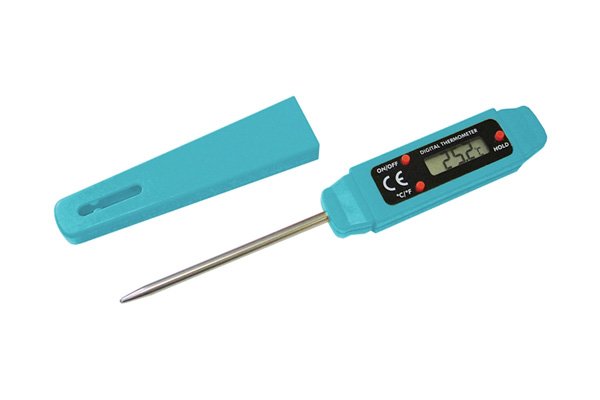

As you navigate the world of health and wellness, having accurate tools to monitor your body’s vital signs is crucial. The digital thermometer is a modern marvel that has revolutionized temperature measurement. This sleek device offers you precision, speed, and ease of use that far surpasses its mercury-based predecessor.
Whether you’re a concerned parent checking for fever, a health professional requiring reliable data, or simply an individual mindful of your wellbeing, understanding the capabilities and proper use of a digital thermometer is essential. In this overview, you’ll discover the inner workings, benefits, and best practices for utilizing a digital thermometer.
What is a Digital Thermometer?
A digital thermometer is a modern, electronic device designed to measure and display temperature with precision and ease. Unlike traditional mercury thermometers, digital thermometers utilize advanced sensor technology to provide quick and accurate readings in various settings.
At the heart of a digital thermometer lies a temperature-sensitive element, typically a thermistor or thermocouple. This component changes its electrical properties in response to temperature fluctuations. The thermometer’s microprocessor then converts these changes into a digital temperature reading, which is displayed on an easy-to-read LCD screen.
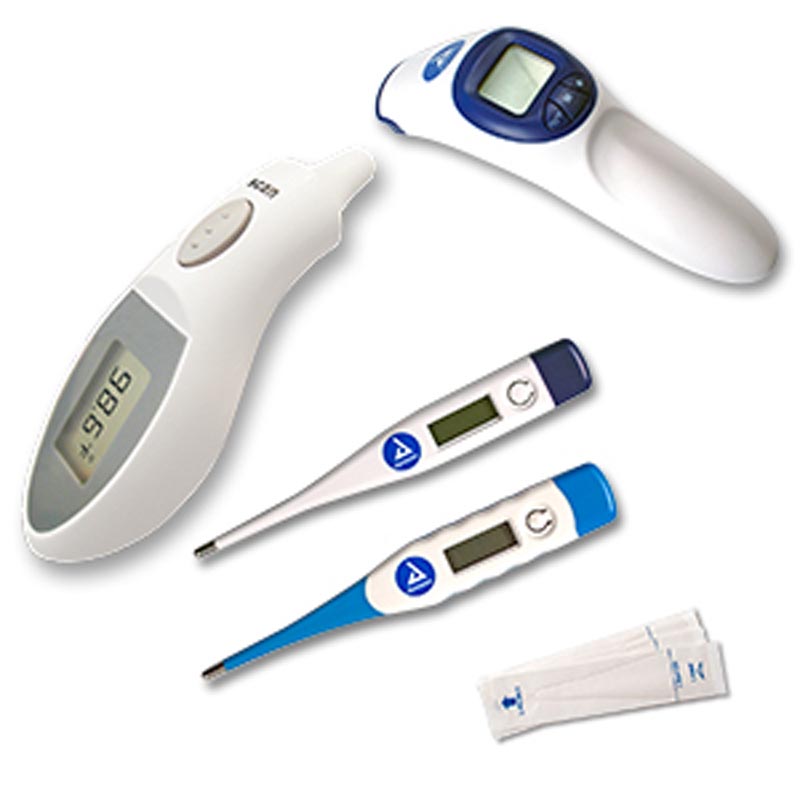
Digital thermometers come in various forms to suit different needs:
- Medical thermometers for measuring body temperature
- Cooking thermometers for food preparation and safety
- Industrial thermometers for manufacturing processes
- Environmental thermometers for monitoring room or outdoor temperatures
When selecting a digital thermometer, consider factors such as the intended use, temperature range, response time, and additional features like memory function or wireless connectivity. For medical use, ensure the thermometer meets appropriate health standards and regulations.
How Does a Digital Thermometer Work?
Digital thermometers have revolutionized temperature measurement, offering quick and accurate readings. But have you ever wondered about the inner workings of these handy devices? Let’s explore the science behind digital thermometers and understand how they function.
The Core Components
At the heart of every digital thermometer lies a temperature sensor, typically a thermistor or thermocouple. These components are designed to respond to temperature changes by altering their electrical properties. The thermistor, for instance, changes its resistance as the temperature fluctuates, while the thermocouple generates a small voltage in response to heat.
From Temperature to Digital Display
When you place a digital thermometer in contact with an object or environment, its sensor detects the temperature and converts it into an electrical signal. This signal is then processed by a microchip within the device. The microchip’s analog-to-digital converter transforms the analog electrical signal into a digital format, which is then displayed on the thermometer’s screen.
Ensuring Accuracy
Digital thermometers often incorporate calibration features to maintain precision. Many models include internal reference points and self-calibration algorithms to adjust for any drift in sensor readings over time. This ensures that your digital thermometer provides reliable measurements consistently.
Advanced Features
Modern digital thermometers may include additional features such as memory functions to store previous readings, backlit displays for easy reading in low light conditions, and even wireless connectivity for data logging and analysis. These enhancements make digital thermometers versatile tools for various applications, from medical diagnostics to industrial processes.
Understanding how a digital thermometer works can help you appreciate its efficiency and reliability in measuring temperature accurately and quickly.
Types of Digital Thermometers
Digital thermometers have revolutionized temperature measurement, offering accuracy, convenience, and speed. With various types catering to different needs and applications, selecting the right digital thermometer can be overwhelming. This section explores the diverse range of digital thermometers available, highlighting their unique features, benefits, and uses.
Oral Digital Thermometers

Oral digital thermometers are a common and convenient type of digital thermometer. These devices are designed to be placed under the tongue to measure body temperature. They typically provide quick and accurate readings within 30 seconds to a minute. Oral digital thermometers are easy to use and suitable for adults and older children who can hold the device steady in their mouths.
Ear (Tympanic) Digital Thermometers

Ear digital thermometers, also known as tympanic thermometers, measure temperature by detecting infrared heat from the eardrum. These devices are quick and easy to use, providing readings in just a few seconds. They are particularly useful for young children who may have difficulty holding still for other types of thermometers. However, proper placement in the ear canal is crucial for accurate readings.
Forehead (Temporal) Digital Thermometers

Forehead digital thermometers use infrared technology to measure temperature from the temporal artery on the forehead. These non-invasive devices are becoming increasingly popular due to their ease of use and comfort, especially for children. They can provide readings in seconds by simply scanning across the forehead. While generally accurate, external factors like sweating or room temperature can affect their readings.
Rectal Digital Thermometers

Rectal digital thermometers are considered the most accurate method for measuring body temperature, particularly in infants and young children. These thermometers have a shorter, stubby tip and are designed for gentle insertion. While they provide highly reliable readings, they require more time and can be uncomfortable. Parents should always use caution and follow proper hygiene practices when using rectal digital thermometers.
Advantages of Digital Thermometers
Digital thermometers offer several benefits over their analog counterparts:
Accuracy and Precision
Digital thermometers offer unparalleled accuracy and precision in temperature measurement. Unlike traditional mercury thermometers, digital thermometers use advanced electronic sensors to detect and display temperature readings with minimal error margins. This high level of accuracy is crucial in medical settings, where even slight temperature variations can indicate significant health changes.
Quick Results
One of the most significant advantages of a digital thermometer is its ability to provide rapid temperature readings. Most digital models can display results within seconds, making them ideal for use with restless children or in busy healthcare environments. This speed not only improves efficiency but also enhances patient comfort during temperature checks.
Easy-to-Read Display
Digital thermometers feature clear, easy-to-read displays that eliminate the guesswork associated with interpreting mercury levels. The large, often backlit screens show temperature readings in precise numerical values, reducing the risk of misinterpretation and ensuring accurate record-keeping.
Versatility
Many digital thermometers are designed for multi-site use, allowing temperature measurements from various body locations such as the mouth, armpit, or rectum. Some advanced models even offer non-contact forehead scanning capabilities, further expanding their versatility and convenience.
Memory Function
Most digital thermometers come equipped with a memory function that stores previous temperature readings. This feature is particularly useful for tracking temperature changes over time, enabling users to monitor fever progression or recovery without the need for manual record-keeping.
Safety
Unlike mercury thermometers, digital thermometers eliminate the risk of exposure to toxic mercury if broken. This makes them a safer option, especially in households with children or in healthcare settings where accidental breakage could pose significant health hazards.
Durability and Longevity
Digital thermometers are typically more durable than their glass counterparts. Their solid-state construction makes them resistant to damage from drops or impacts, ensuring a longer lifespan and reliable performance over extended periods of use.
Cost-Effectiveness
While the initial cost of a digital thermometer may be higher than traditional options, their longevity, accuracy, and lack of need for replacement parts make them a cost-effective choice in the long run. The elimination of mercury disposal concerns also contributes to their overall value and environmental friendliness.
Factors to Consider When Choosing a Digital Thermometer
When selecting a digital thermometer, several key factors can influence your decision. Consider these some important aspects to ensure you choose the right device for your needs:
Accuracy and Precision
The primary function of any thermometer is to provide accurate temperature readings. Look for a digital thermometer with a high degree of precision, typically within ±0.2°F (±0.1°C). Ensure the device is FDA-approved and clinically tested for reliability.
Response Time
A fast response time is crucial, especially when measuring body temperature. Opt for a digital thermometer that can provide a reading within 10-30 seconds for comfort and convenience.
Measurement Range
Consider the temperature range you’ll need to measure. For body temperature, a range of 95°F to 107°F (35°C to 42°C) is sufficient. However, if you need the thermometer for other purposes, such as cooking or environmental monitoring, look for a wider range.
Ease of Use
Choose a digital thermometer with a clear, easy-to-read display. Large LCD screens with backlight features can be particularly helpful. Additionally, consider models with user-friendly buttons and intuitive interfaces for hassle-free operation.
Memory Function
A built-in memory feature allows you to store and recall previous temperature readings. This can be especially useful for tracking fever progression or maintaining health records over time.
Versatility
Some digital thermometers offer multiple measurement modes, such as oral, rectal, or axillary (underarm). If versatility is important to you, look for a model that accommodates various measurement methods.
Battery Life and Type
Consider the battery life and type required for the digital thermometer. Long-lasting batteries and low-battery indicators can ensure your device is always ready when needed. Rechargeable options may be more cost-effective and environmentally friendly in the long run.
Additional Features
Extra features like fever alarms, waterproof designs, or Bluetooth connectivity for smartphone integration can enhance the functionality of your digital thermometer. Evaluate which additional features align with your specific needs and preferences.
Proper Use and Care of a Digital Thermometer
Using a digital thermometer correctly is crucial for accurate temperature readings. Always clean the thermometer with alcohol before and after each use. When taking an oral temperature, place the tip under the tongue and keep the mouth closed for the recommended time, usually about 60 seconds. For axillary (armpit) readings, ensure the tip is in direct contact with the skin. Rectal measurements, often used for infants, require extra care and lubrication.
Maintenance and Storage
Proper care extends the life of your digital thermometer and ensures reliable performance. After cleaning, store the device in its protective case to prevent damage. Keep it away from extreme temperatures and direct sunlight. Replace batteries promptly when the low battery indicator appears to avoid inaccurate readings.
Troubleshooting Common Issues
If your digital thermometer displays erratic results, first check the battery. Ensure the device is set to the correct mode (e.g., oral, rectal) if applicable. If problems persist, consult the user manual or contact the manufacturer. Remember, even high-quality digital thermometers may need replacement after extended use to maintain accuracy.
Calibration and Accuracy Checks
Periodically verify your digital thermometer’s accuracy by comparing its readings with those of a known accurate device. Some models offer self-calibration features. If you suspect inaccuracy, consider professional calibration or replacement to ensure reliable temperature measurements for health monitoring.
Understanding Digital Thermometer Readings
Digital thermometers provide quick and accurate temperature readings, but it’s essential to understand how to interpret the display correctly. Most digital thermometers use a liquid crystal display (LCD) to show the temperature in either Fahrenheit or Celsius. The reading is typically displayed to one decimal place, offering more precision than traditional mercury thermometers.
Factors Affecting Accuracy
Several factors can influence the accuracy of a digital thermometer reading. Ambient temperature, battery life, and proper placement all play crucial roles. For instance, if you’re using an oral digital thermometer, ensure it’s placed correctly under the tongue for the most accurate results. Environmental conditions, such as extreme heat or cold, can also affect the device’s performance.
Calibration and Maintenance
To ensure your digital thermometer continues to provide reliable readings, regular calibration and maintenance are essential. Most digital thermometers come pre-calibrated from the factory, but over time, they may need recalibration. Check the manufacturer’s instructions for guidance on how often to calibrate your specific model. Additionally, keep the thermometer clean and store it properly to maintain its accuracy and longevity.
Understanding Error Messages
Digital thermometers often display error messages when something goes wrong. Common error codes include “Lo” (indicating a temperature below the device’s measuring range) or “Hi” (for temperatures above the maximum range). Some models may show “Err” for various issues, such as a low battery or a malfunction. Always consult your device’s manual to understand these messages and troubleshoot effectively.
Digital Thermometer Maintenance and Troubleshooting
To ensure accurate and reliable temperature readings, proper maintenance and timely troubleshooting of digital thermometers are crucial. Here are some tips:
Regular Cleaning and Disinfection
To ensure accurate readings and longevity of your digital thermometer, clean it thoroughly after each use. Use a soft cloth dampened with mild soap and water or rubbing alcohol. Pay special attention to the sensor tip, as this is the most critical part for accurate temperature measurements.
Battery Replacement
When your digital thermometer displays a low battery symbol or fails to turn on, it’s time to replace the batteries. Most models use small button cell batteries. Carefully open the battery compartment, remove the old battery, and insert a new one, ensuring correct polarity.
Calibration Check
Periodically verify your digital thermometer’s accuracy by testing it in ice water (32°F or 0°C) and boiling water (212°F or 100°C at sea level). If readings are off by more than 0.2°F (0.1°C), consider recalibrating or replacing the device.
Storage Precautions
Store your digital thermometer in a clean, dry place away from direct sunlight and extreme temperatures. Many models come with a protective case – use it to prevent damage and keep the device clean between uses.
Proper Usage Techniques
Ensure accurate readings by following the manufacturer’s instructions for proper placement and timing. For oral measurements, place the sensor tip under the tongue and keep the mouth closed. Wait for the device to signal completion before removing.
Addressing Error Messages
Familiarize yourself with common error codes specific to your digital thermometer model. These may indicate issues like low battery, improper usage, or device malfunction. Consult the user manual for troubleshooting steps.
Avoiding Physical Damage
Handle your digital thermometer with care. Avoid dropping it or subjecting it to impacts that could damage the sensitive internal components. If the device has been dropped, check its accuracy before relying on its readings.
Professional Servicing
If your digital thermometer consistently provides inaccurate readings or malfunctions despite troubleshooting efforts, consider having it professionally serviced or replaced to ensure reliable temperature measurements.
Frequently Asked Questions
Here are some of the frequently asked questions and answers about Digital thermometers:
How accurate are digital thermometers?
Digital thermometers are generally highly accurate, typically within 0.1 to 0.2 degrees Fahrenheit of the actual temperature. However, accuracy can vary depending on the quality of the device and proper usage. Always follow the manufacturer’s instructions for optimal results.
How long does it take to get a reading?
Most digital thermometers provide a reading within 10 to 60 seconds, depending on the model and measurement site. Oral readings usually take about 30 seconds, while rectal measurements may require up to a minute. Some advanced models offer faster readings in as little as 1-3 seconds.
Can digital thermometers be used for different body parts?
Yes, many digital thermometers are designed for multi-site use, including oral, rectal, and axillary (armpit) measurements. Some models also offer forehead or ear temperature readings. Always use the appropriate probe cover or cleaning method when switching between sites to maintain hygiene.
How do I clean and maintain my digital thermometer?
To clean your digital thermometer, wipe the probe with rubbing alcohol or soap and water before and after each use. Avoid submerging the entire device in water unless specified as waterproof. Replace batteries as needed and store in a clean, dry place to ensure longevity and accuracy.
Are digital thermometers safe for infants and children?
Digital thermometers are safe and recommended for use with infants and children. They provide quick, accurate readings without the risk of mercury exposure associated with older thermometer types. Always choose an age-appropriate model and follow the manufacturer’s guidelines for proper use and safety.
Conclusion
As you’ve seen, digital thermometers offer numerous advantages over traditional mercury models. Their quick, accurate readings and easy-to-read displays make them invaluable tools in healthcare, cooking, and many other fields.
By understanding how these devices work and the various types available, you can select the ideal digital thermometer for your specific needs. As technology continues to advance, we can expect even more innovations in digital temperature measurement, further enhancing the capabilities and applications of these essential instruments.
Discussion about this post