



As you navigate the ongoing global health crisis, you’ve likely encountered conflicting information about face masks. Yet understanding their importance has never been more critical. Face masks serve as a crucial line of defense against respiratory illnesses. By wearing a mask, you not only protect yourself but also those around you. This simple act of covering your nose and mouth can significantly reduce the spread of infectious droplets.
In this article, you’ll discover the science behind face masks, their various types, and proper usage techniques. Armed with this knowledge, you’ll be better equipped to make informed decisions about your health and the well-being of your community.
What is a Face Mask & Why is it Important?
A face mask is a protective covering designed to fit over the nose and mouth, creating a barrier between the wearer and their environment. These essential items have become a crucial tool in our fight against airborne diseases, particularly during the COVID-19 pandemic.
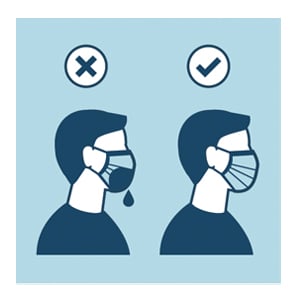
There are several types of face masks available, each serving different purposes. Face masks play a vital role in preventing the spread of infectious diseases. They work by:
- Containing respiratory droplets: When we speak, cough, or sneeze, masks trap the potentially virus-laden droplets, reducing their spread.
- Protecting the wearer: While not foolproof, masks can help filter out some harmful particles from the air we breathe.
- Reducing transmission: By limiting the spread of respiratory droplets, masks help break the chain of infection in communities.
Wearing a face mask is not just about protecting yourself; it’s a gesture of social responsibility. By donning a mask, you’re actively contributing to public health efforts and showing consideration for those around you, especially vulnerable populations.
In conclusion, face masks are simple yet powerful tools in our arsenal against infectious diseases. Their widespread use can significantly impact the trajectory of outbreaks, making them an indispensable part of our daily lives during health crises.
The Different Types of Face Masks
Face masks have become an essential part of our daily lives, serving as a crucial barrier against the spread of airborne pathogens. Understanding the different types of face masks available can help you make informed decisions about which one to use in various situations.
Cloth Masks

Cloth face masks are reusable and environmentally friendly options. They typically consist of multiple layers of tightly woven fabric, such as cotton or polyester blends. While not as effective as medical-grade masks, cloth masks can still significantly reduce the spread of respiratory droplets when worn properly. These masks are ideal for everyday use in low-risk settings and can be easily washed and reused.
Surgical Masks

Surgical masks, also known as medical masks, are disposable face coverings designed for single use. They’re made from non-woven materials and feature a three-layer design that filters out larger particles and droplets. Surgical masks provide better protection than cloth masks and are often used in healthcare settings. However, they’re not designed to filter out very small particles and don’t form a tight seal around the face.
N95 Respirators

N95 respirators offer the highest level of protection among face masks. They’re designed to filter out at least 95% of airborne particles, including very small ones. N95 masks form a tight seal around the nose and mouth, ensuring that air passes through the filter rather than around the edges. These masks are crucial for healthcare workers and those in high-risk environments. However, they require proper fitting and can be uncomfortable for extended wear.
When choosing a face mask, consider the level of risk in your environment and the duration of use. Regardless of the type, wearing any mask correctly and consistently is key to maximizing its effectiveness in preventing the spread of respiratory illnesses.
How Face Masks Helped Prevent the Spread of COVID-19
Face masks played a crucial role in mitigating the spread of COVID-19 by acting as a physical barrier against respiratory droplets. When an infected person coughs, sneezes, or talks, these droplets can carry the virus and potentially infect others nearby. By wearing a face mask, individuals significantly reduced the number of droplets released into the air, thus lowering the risk of transmission.
Protecting Both the Wearer and Others
One of the key benefits of face masks was their dual protective nature. Not only did they help prevent infected individuals from spreading the virus, but they also offered some protection to the wearer. This two-way protection was particularly important in situations where social distancing was challenging, such as in crowded public spaces or indoor environments with limited ventilation.
Reducing Asymptomatic Spread
Face masks were especially effective in curbing the spread of COVID-19 from asymptomatic or pre-symptomatic individuals. Many people infected with the virus showed no symptoms but could still transmit it to others. By encouraging widespread mask-wearing, communities were able to reduce the risk of unknowing transmission, effectively slowing the overall spread of the virus.
Complementing Other Preventive Measures
While face masks were not a standalone solution, they formed an essential part of a comprehensive strategy to combat COVID-19. When combined with other preventive measures such as hand hygiene, social distancing, and improved ventilation, masks significantly enhanced overall protection. This multi-layered approach proved to be more effective in controlling the pandemic than any single measure alone.
Proper Mask Wearing Techniques for Maximum Effectiveness
Wearing a face mask correctly is crucial for its effectiveness in preventing the spread of airborne particles. Follow these steps to ensure you’re using your face mask properly:
Preparation
Before handling your face mask, wash your hands thoroughly with soap and water for at least 20 seconds. If soap isn’t available, use an alcohol-based hand sanitizer. This step prevents contamination of the mask before you put it on.
Proper Placement
Hold the mask by the ear loops and place it over your nose and mouth. Ensure that it covers both your nose and chin completely. For masks with a metal nose strip, gently mold it over the bridge of your nose for a snug fit.
Secure Fit
Adjust the mask to eliminate any gaps between your face and the mask. A properly fitted face mask should be snug but comfortable, allowing you to breathe easily. Avoid touching the front of the mask during wear, as this area may be contaminated.
Removal and Disposal
When removing your mask, handle it only by the ear loops or ties. Avoid touching the front of the mask or your face. For disposable masks, discard them in a closed bin immediately after use. If using a reusable cloth mask, store it in a clean, breathable bag until you can wash it.
Cleaning and Maintenance
Wash reusable face masks after each use with hot water and detergent. Dry the mask completely before your next use. Inspect your mask regularly for wear and tear, replacing it if it becomes damaged or loses its shape.
By following these proper mask wearing techniques, you can maximize the effectiveness of your face mask in protecting yourself and others from respiratory droplets and airborne particles.
The Science Behind Face Masks: How They Work
Face masks have become an essential tool in our fight against airborne diseases. Understanding the science behind how they work can help us appreciate their importance and use them more effectively.
Filtration Mechanisms
Face masks primarily function through mechanical filtration. They create a physical barrier that traps particles, including respiratory droplets that may contain viruses. The effectiveness of a face mask depends on several factors:
- Fiber density: Tightly woven fabrics provide better filtration.
- Electrostatic charge: Some materials can attract and capture particles electrostatically.
- Fit: A snug fit around the face minimizes air leakage.
Droplet Dynamics
When we breathe, talk, cough, or sneeze, we expel droplets of various sizes. Larger droplets fall quickly due to gravity, while smaller ones can remain airborne for extended periods. Face masks are particularly effective at blocking larger droplets, which are more likely to carry higher viral loads.
Bidirectional Protection
Face masks offer two-way protection:
- They reduce the wearer’s exposure to incoming particles.
- They contain the wearer’s respiratory emissions, protecting others.
This dual function makes face masks a crucial tool in community-wide disease prevention efforts.
Efficacy and Limitations
While face masks are highly effective, they are not foolproof. Their efficacy depends on proper usage, material quality, and environmental factors. It’s important to combine mask-wearing with other preventive measures like hand hygiene and social distancing for optimal protection.
Understanding the science behind face masks empowers us to use them more effectively, contributing to better public health outcomes.
Face Mask Etiquette: Dos and Don’ts
Face mask etiquette is crucial for maintaining public health and showing respect for others. Here are some essential dos and don’ts to keep in mind when wearing a face mask:
Do: Wear Your Mask Properly
Always ensure your face mask covers both your nose and mouth. A properly worn mask provides the best protection for you and those around you.
Don’t: Touch Your Mask Frequently
Avoid touching your face mask while wearing it. If you must adjust it, clean your hands before and after touching the mask.
Do: Clean Your Hands Before and After Use
Wash your hands with soap and water or use hand sanitizer before putting on your mask and after removing it.
Don’t: Share Your Mask
Your face mask is a personal item. Never share it with others, even family members, to prevent the spread of germs.
Do: Replace Your Mask When Damp or Dirty
A damp or dirty mask is less effective and can harbor bacteria. Always have a spare mask on hand for replacement.
Don’t: Remove Your Mask in Public Spaces
Keep your face mask on in all public areas, especially indoors or in crowded outdoor settings where social distancing is difficult.
Do: Store Your Mask Properly
When not in use, store your clean mask in a dry, breathable bag to keep it sanitary and ready for your next outing.
Don’t: Wear Your Mask Under Your Chin
Pulling your mask down to your chin or wearing it only over your mouth defeats its purpose and can contaminate the inner surface.
By following these face mask etiquette guidelines, you’ll contribute to a safer environment for everyone. Remember, wearing a mask is a simple yet effective way to protect yourself and others from respiratory illnesses.
Caring for Your Face Mask: Cleaning and Storage
Proper maintenance of your face mask is crucial for ensuring its effectiveness and longevity. By following a few simple steps, you can keep your mask clean, hygienic, and ready for use.
Cleaning Your Face Mask
Regular cleaning is essential to maintain the integrity of your face mask. For disposable masks, it’s best to discard them after a single use. However, for reusable cloth masks, follow these guidelines:
- Wash your mask daily or after each use in hot water (at least 60°C/140°F).
- Use regular laundry detergent and the warmest appropriate water setting.
- If hand-washing, scrub the mask for at least 20 seconds with soap and hot water.
- Dry the mask completely before reuse, preferably in a dryer on high heat.
Remember, a clean face mask not only protects you but also those around you.
Proper Storage Techniques
When not in use, storing your face mask correctly helps prevent contamination and maintain its shape. Follow these tips:
- Store clean masks in a dry, breathable container like a paper bag.
- Avoid plastic bags, which can trap moisture and promote bacterial growth.
- Keep masks away from frequently touched surfaces and direct sunlight.
- Have a designated storage area for clean masks to avoid mix-ups.
By implementing these care and storage practices, you’ll ensure your face mask remains an effective barrier against potential contaminants. Remember, a well-maintained mask is key to maximizing its protective properties and safeguarding your health.
The Impact of Face Masks on the Environment
The widespread use of face masks during the COVID-19 pandemic has had significant environmental implications. Here are eight detailed impacts:
Increased Plastic Pollution
Face masks, particularly disposable ones, contribute to plastic pollution. Many masks contain polypropylene, a type of plastic that can take hundreds of years to decompose. When improperly discarded, these masks end up in landfills or waterways, exacerbating the global plastic crisis.
Wildlife Entanglement
Discarded face masks pose a threat to wildlife. Animals can become entangled in the elastic straps, leading to injury or death. Marine life is particularly vulnerable, as masks that end up in oceans can be mistaken for food by sea creatures.
Microplastic Generation
As face masks break down, they release microplastics into the environment. These tiny plastic particles can contaminate soil and water systems, potentially entering the food chain and causing long-term ecological damage.
Increased Carbon Footprint
The production and transportation of face masks contribute to greenhouse gas emissions. The surge in demand has led to increased manufacturing, often in countries with less stringent environmental regulations, further amplifying the carbon footprint.
Strain on Waste Management Systems
The sheer volume of discarded masks has overwhelmed waste management systems in many areas. This strain can lead to improper disposal methods, increasing the risk of environmental contamination.
Depletion of Natural Resources
The production of face masks requires raw materials such as cotton and synthetic fibers. The increased demand has led to greater resource extraction, potentially contributing to deforestation and habitat destruction.
Chemical Pollution
Some face masks are treated with chemicals for enhanced filtration or antimicrobial properties. When these masks break down, these chemicals can leach into the environment, potentially harming ecosystems and water quality.
Frequently Asked Questions
Here are some frequently asked questions and answers about face masks.
Are face masks really effective?
Yes, face masks are highly effective in reducing the spread of respiratory illnesses, including COVID-19. When worn properly, face masks act as a physical barrier, preventing respiratory droplets from traveling through the air and potentially infecting others. Numerous studies have shown that widespread use of face masks can significantly decrease transmission rates in communities.
How often should I replace my face mask?
The frequency of replacing your face mask depends on the type you’re using. Disposable masks should be discarded after each use or when they become visibly soiled. Reusable cloth masks should be washed daily with hot water and detergent. It’s important to have multiple masks on hand to ensure you always have a clean one available.
Can I reuse disposable face masks?
While disposable face masks are designed for single use, in situations where supplies are limited, they can be reused with caution. To do this safely, store the mask in a clean, breathable container between uses and wash your hands thoroughly before and after handling it. However, dispose of the mask immediately if it becomes damaged, wet, or visibly dirty.
Do children need to wear face masks?
Yes, children over the age of 2 should wear face masks in public settings where social distancing is difficult to maintain. However, it’s crucial to ensure the mask fits properly and that the child can breathe easily. For younger children, supervision may be necessary to ensure they’re wearing the mask correctly and not frequently touching their face.
Conclusion
In conclusion, face masks have proven to be a critical tool in combating the spread of infectious diseases. By wearing a mask, you not only protect yourself but also those around you. As we continue to navigate public health challenges, your choice to mask up when there is an endemic demonstrates social responsibility and care for your community.
While masks alone cannot eliminate all risks, when combined with other preventive measures like hand hygiene and social distancing, they significantly reduce transmission rates.
Discussion about this post