

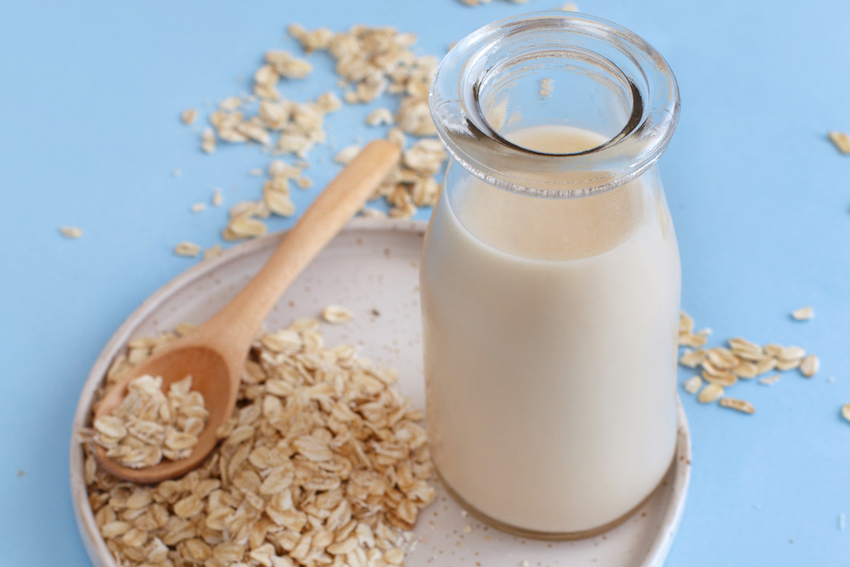

Oat milk has been gaining popularity as a plant-based, dairy-free alternative to regular milk. Whether you’re vegan, lactose-intolerant, or just curious about trying something new, oat milk is worth exploring. It’s creamy, versatile, and easy to make at home. In this article, we’ll break down everything you need to know about oat milk—its benefits, nutritional value, potential downsides, and even how you can whip up a batch yourself.
Key Takeaways
- Oat milk is a dairy-free, plant-based milk made primarily from oats and water.
- It’s often fortified with vitamins like B12 and D, making it a nutritious choice.
- Compared to other plant-based milks, oat milk is higher in carbs but lower in protein.
- Homemade oat milk can be customized to your taste and avoids additives found in store-bought versions.
- Oat milk works great in coffee, tea, cooking, and baking as a dairy substitute.
What Is Oat Milk?
Oat milk is a plant-based, dairy-free alternative to traditional cow’s milk. It’s made primarily from oats and water, making it a popular choice for vegans, those with lactose intolerance, and anyone looking for an allergen-friendly milk option. Its creamy texture and naturally sweet flavor make it a standout among other non-dairy milk options.
How Oat Milk Is Made
The process of making oat milk is surprisingly simple. Here’s a quick rundown:
- Oats are soaked in water to soften them.
- The mixture is blended until smooth.
- The liquid is strained to separate the milk from the oat pulp, often using a cheesecloth or fine mesh strainer.
Many commercial brands also add stabilizers, sweeteners, or fortifications like vitamins and minerals to enhance the milk’s taste and nutritional profile. Homemade oat milk, on the other hand, allows for full control over the ingredients.
Key Ingredients in Oat Milk
The base ingredients of oat milk are straightforward:
- Oats: Rolled or steel-cut oats are typically used.
- Water: Acts as the primary liquid base.
Optional add-ins include:
- Sweeteners like maple syrup or dates.
- Flavorings such as vanilla or cinnamon.
- A pinch of salt to balance the taste.
Differences Between Oat Milk and Dairy Milk
When comparing oat milk to traditional dairy milk, some key differences stand out:
| Aspect | Oat Milk | Dairy Milk |
|---|---|---|
| Source | Plant-based (oats) | Animal-based (cows) |
| Lactose | Lactose-free | Contains lactose |
| Protein Content | Lower (2-3g per cup) | Higher (8g per cup) |
| Fat Content | Varies, often lower | Varies, often higher |
| Allergens | Free of dairy and nuts | Contains dairy |
Oat milk is a versatile, eco-friendly choice that caters to a wide range of dietary needs while offering a creamy, satisfying texture.
Nutritional Profile of Oat Milk
Calories and Macronutrients
Oat milk is a plant-based alternative that provides a balanced mix of calories, carbs, fats, and proteins. One cup (240 ml) of oat milk typically contains about 120 calories, 5 grams of fat, 16 grams of carbohydrates, and 3 grams of protein. While its protein content is modest compared to dairy or soy milk, it still outpaces almond and cashew milk (oat milk has three grams of protein).
Vitamins and Minerals in Oat Milk
Fortified oat milk is often enriched with calcium, vitamin D, and B vitamins such as riboflavin (B2) and vitamin B12. Here’s a quick look at the nutrient breakdown per cup:
| Nutrient | Amount | % Daily Value (DV) |
|---|---|---|
| Calcium | 350 mg | 25% |
| Vitamin B12 | 1.2 µg | 50% |
| Riboflavin | 0.6 mg | 45% |
| Potassium | 389 mg | 8% |
| Phosphorus | 269 mg | 20% |
These nutrients support bone health, energy production, and overall well-being. However, oat milk lacks the natural nutrient variety found in cow’s milk.
Comparison with Other Plant-Based Milks
When stacked against other plant-based options, oat milk stands out for its higher carbohydrate and fiber content. Here’s how it compares:
- Oat Milk: 16g carbs, 3g protein, 1.9g fiber per cup
- Soy Milk: 4g carbs, 7g protein, 1g fiber per cup
- Almond Milk: 1g carbs, 1g protein, 0.5g fiber per cup
While oat milk offers more fiber and carbs, soy milk takes the lead in protein content. Almond milk, on the other hand, is lower in calories and carbs but provides minimal protein.
Health Benefits of Oat Milk
Supports Heart Health
Oat milk is a great choice for heart health, thanks to its high beta-glucan content. Beta-glucan is a soluble fiber that has been shown to help lower LDL (bad) cholesterol levels. By binding to cholesterol in the digestive tract, it prevents absorption and promotes its excretion. This process can reduce the risk of cardiovascular issues over time. Plus, oat milk is free of saturated fats, which are often linked to heart problems.
Rich in Dietary Fiber
One of oat milk’s standout qualities is its fiber content. It contains beta-glucans, which not only benefit cholesterol but also support healthy digestion. Compared to cow’s milk, oat milk offers significantly more dietary fiber, helping to regulate blood sugar levels, improve bowel movements, and keep you feeling full longer. This makes it a smart option for those looking to manage their appetite or improve gut health.
Vegan and Allergen-Friendly
For anyone avoiding animal products or dealing with allergies, oat milk is a lifesaver. It’s naturally free from dairy, lactose, soy, and nuts, making it suitable for a wide range of dietary restrictions. However, those with gluten sensitivities should check for certified gluten-free options, as cross-contamination during processing can occur. Its versatility and allergen-friendly nature make it a popular choice for many households.
Oat milk is more than just a dairy alternative—it’s a nutrient-rich, plant-based option that supports heart health, aids digestion, and fits into various dietary lifestyles.
Potential Downsides of Oat Milk
Higher Carbohydrate Content
Oat milk contains more carbohydrates than other plant-based alternatives like almond or soy milk. This can be a concern for individuals monitoring their carbohydrate intake, such as those on low-carb or ketogenic diets. A single cup of unsweetened oat milk typically has about 16 grams of carbs, which is higher than many other non-dairy options. If you’re watching your blood sugar levels, opt for unsweetened varieties and consume in moderation.
Possible Gluten Contamination
While oats are naturally gluten-free, cross-contamination during processing can make many oat milk products unsuitable for those with gluten sensitivities or celiac disease. To avoid this issue, look for oat milk labeled as certified gluten-free. Alternatively, you can make your own oat milk at home using gluten-free oats to ensure it’s safe for your dietary needs.
Lower Protein Compared to Dairy
Unlike cow’s milk, which is rich in protein, oat milk falls short in this department. Most oat milk contains only about 2-3 grams of protein per cup, compared to the 8 grams found in dairy milk. This lower protein content might not keep you feeling as full or satisfied, especially if you’re using it as a meal replacement or in place of a protein-rich snack.
If you’re considering oat milk as a substitute for dairy, keep in mind its nutritional trade-offs. It’s a great option for some, but it might not meet everyone’s needs.
How to Make Oat Milk at Home
Step-by-Step Recipe
Making oat milk at home is surprisingly quick and easy. Here’s a simple guide to get you started:
- Measure your ingredients. Combine 1 cup of rolled oats with 3 cups of cold, filtered water in a blender. If you prefer a thinner consistency, you can add more water.
- Blend briefly. Blend the mixture for about 30 seconds. Over-blending can make the milk slimy, so keep it short.
- Strain the mixture. Pour the blended oats and water through a fine mesh strainer, nut milk bag, or a clean cheesecloth into a bowl or jar. Squeeze gently to extract the liquid, but don’t press too hard to avoid a gummy texture.
- Store your oat milk. Transfer the strained milk into an airtight container and refrigerate. It will stay fresh for up to 5 days.
Tips for Avoiding Slimy Texture
Nobody likes slimy oat milk! Here are a few tips to ensure your homemade version turns out smooth and delicious:
- Use cold water while blending. Warm or hot water can activate the starches in oats, leading to a slimy result.
- Avoid soaking the oats beforehand. While soaking is common for some plant-based milks, it’s not ideal for oats.
- Don’t over-blend. Stick to 30 seconds or less to keep the texture just right.
- Strain carefully. Excessive squeezing can push starches through, making the milk thicker than desired.
Flavor Customization Options
One of the best things about making oat milk at home is that you can flavor it however you like. Here are a few ideas:
- Sweeten it naturally with 1-2 Medjool dates or a tablespoon of maple syrup.
- Add a pinch of salt and a splash of vanilla extract for a classic, creamy taste.
- Experiment with spices like cinnamon or nutmeg for a warm, cozy flavor.
- For a chocolate twist, mix in a teaspoon of cocoa powder.
Pro Tip: Homemade oat milk is not only budget-friendly but also lets you control every ingredient, making it a great option for those with dietary restrictions or preferences.
Uses of Oat Milk in Everyday Life
Oat Milk in Coffee and Tea
Oat milk has become a go-to choice for coffee and tea lovers. Its naturally creamy texture makes it an excellent substitute for dairy milk in lattes, cappuccinos, or even a simple cup of tea. Baristas often prefer oat milk because it froths well, creating that perfect foam for your morning latte. Plus, its subtle sweetness complements the flavors of coffee and tea without overpowering them.
Cooking and Baking with Oat Milk
When it comes to cooking and baking, oat milk is incredibly versatile. You can use it as a 1:1 replacement for dairy milk in most recipes. From pancakes to creamy soups, it blends seamlessly. For baking, its slightly sweet and nutty flavor can enhance cakes, muffins, and even bread. Pro tip: unsweetened oat milk works best in savory dishes to avoid altering the flavor profile.
Oat Milk as a Dairy Substitute
Oat milk shines as a dairy alternative for those avoiding lactose or dairy altogether. It’s perfect for pouring over cereal, blending into smoothies, or even enjoying on its own. Unlike some other plant-based milks, oat milk has a balanced consistency—not too watery, not too thick—making it a crowd-pleaser for all ages.
Whether you’re vegan, lactose-intolerant, or just looking to try something new, oat milk offers a practical and delicious way to replace dairy in your daily routine.
Choosing the Right Oat Milk
Understanding Labels and Ingredients
When it comes to oat milk, the label is your best friend. Look out for key terms like “unsweetened” or “no added sugar” if you want to avoid unnecessary sweeteners. Fortified oat milk is another great option—it often includes added vitamins like B12 and D, which can be especially useful for vegans. Also, if you’re gluten-sensitive, make sure the label says certified gluten-free to avoid any cross-contamination.
Fortified vs. Non-Fortified Options
Fortified oat milk typically contains added nutrients like calcium, vitamin D, and vitamin B12, mimicking the nutritional benefits of dairy milk. This can be a game-changer for people who rely on plant-based diets. Non-fortified oat milk, on the other hand, is more natural but might lack these extra nutrients. Here’s a quick comparison:
| Feature | Fortified Oat Milk | Non-Fortified Oat Milk |
|---|---|---|
| Nutrient Boost | Yes (added vitamins & minerals) | No |
| Taste | Slightly altered due to fortification | Pure oat flavor |
| Best For | Vegans, those needing extra nutrients | Minimalists, DIY enthusiasts |
Sweetened vs. Unsweetened Varieties
Sweetened oat milk often contains added sugars or flavorings like vanilla or chocolate. While these can taste amazing, they might not be the healthiest choice if you’re watching your sugar intake. Unsweetened oat milk is more versatile and lets you control the sweetness if you’re using it for cooking or coffee. Always check the sugar content on the label—sometimes even “original” versions sneak in extra sugar!
Wrapping It Up
Oat milk has definitely earned its spot as a popular plant-based milk alternative. Whether you’re drawn to it for health reasons, dietary restrictions, or just because you like the taste, it’s a versatile option that fits into many lifestyles. Packed with nutrients and easy to make at home, it’s a great way to enjoy a creamy, dairy-free drink. Just remember to check labels for added sugars or make your own to keep it simple and wholesome. Give it a try—you might just find your new favorite milk!
Frequently Asked Questions
What is oat milk made from?
Oat milk is made by blending oats with water and then straining the mixture to remove the solid parts. Some brands add vitamins, minerals, or sweeteners for extra taste and nutrition.
Is oat milk healthier than dairy milk?
Oat milk is lower in protein compared to dairy milk but is often fortified with vitamins like B12 and D. It’s also free of lactose and cholesterol, making it a good choice for some people.
Can I make oat milk at home?
Yes, you can make oat milk at home by blending oats with water, then straining the mixture using a cheesecloth or a fine strainer. You can customize it with flavors like vanilla or cinnamon.
Is oat milk gluten-free?
Oats are naturally gluten-free, but they can get contaminated during processing. If you need gluten-free oat milk, choose a brand made with certified gluten-free oats or make your own.
How long does homemade oat milk last?
Homemade oat milk can be stored in the refrigerator for up to 5 days. Make sure to keep it in a sealed container and shake well before use.
What are the downsides of oat milk?
Oat milk has more carbs than some other plant-based milks and less protein compared to dairy or soy milk. It may also contain added sugars if it’s flavored or sweetened.
Discussion about this post