

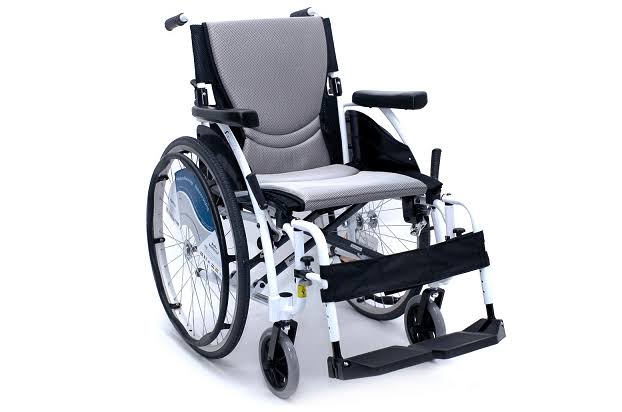

As you navigate the complexities of mobility assistance in Nigeria, understanding the current wheelchair market is crucial. In 2025, wheelchair prices continue to fluctuate due to various economic factors and technological advancements.
Whether you’re a caregiver, healthcare professional, or individual seeking mobility solutions, staying informed about the latest pricing trends is essential. This comprehensive guide will walk you through the current wheelchair market in Nigeria, offering insights into different types, brands, and price ranges. By the end of this article, you’ll be equipped with the knowledge to make an informed decision when purchasing a wheelchair in Nigeria’s ever-evolving healthcare landscape.
Understanding the Wheelchair: What is It?
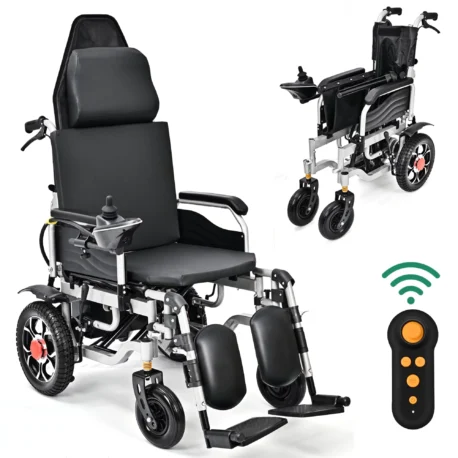
A wheelchair is a life-changing mobility device that empowers individuals with limited or no ability to walk. It’s not just a piece of equipment; it’s a gateway to independence, social interaction, and improved quality of life for millions around the world.
At its core, a wheelchair is a chair with wheels, designed to help people move around when walking is difficult or impossible. But it’s so much more than that. It’s a carefully engineered tool that combines comfort, functionality, and mobility in one package.
A wheelchair isn’t just about getting from point A to B. It’s about:
- Independence: Allowing users to navigate their environment on their own terms
- Accessibility: Opening up spaces and experiences that might otherwise be out of reach
- Comfort: Providing proper support for long periods of sitting
- Customization: Adapting to individual needs and preferences
Whether it’s a basic folding model or a high-tech power chair, a wheelchair can be a game-changer. It’s a tool that breaks down barriers, fosters inclusion, and helps people participate fully in work, education, and social activities.
Types of Wheelchairs
When it comes to wheelchairs, there’s no one-size-fits-all solution. Let’s dive into seven different types of wheelchairs that cater to various needs and lifestyles.
Manual Wheelchairs
These are the most common type of wheelchair you’ll see. They’re propelled by the user’s arms or with assistance from a caregiver. Manual wheelchairs are lightweight, foldable, and perfect for those with upper body strength.
Power Wheelchairs
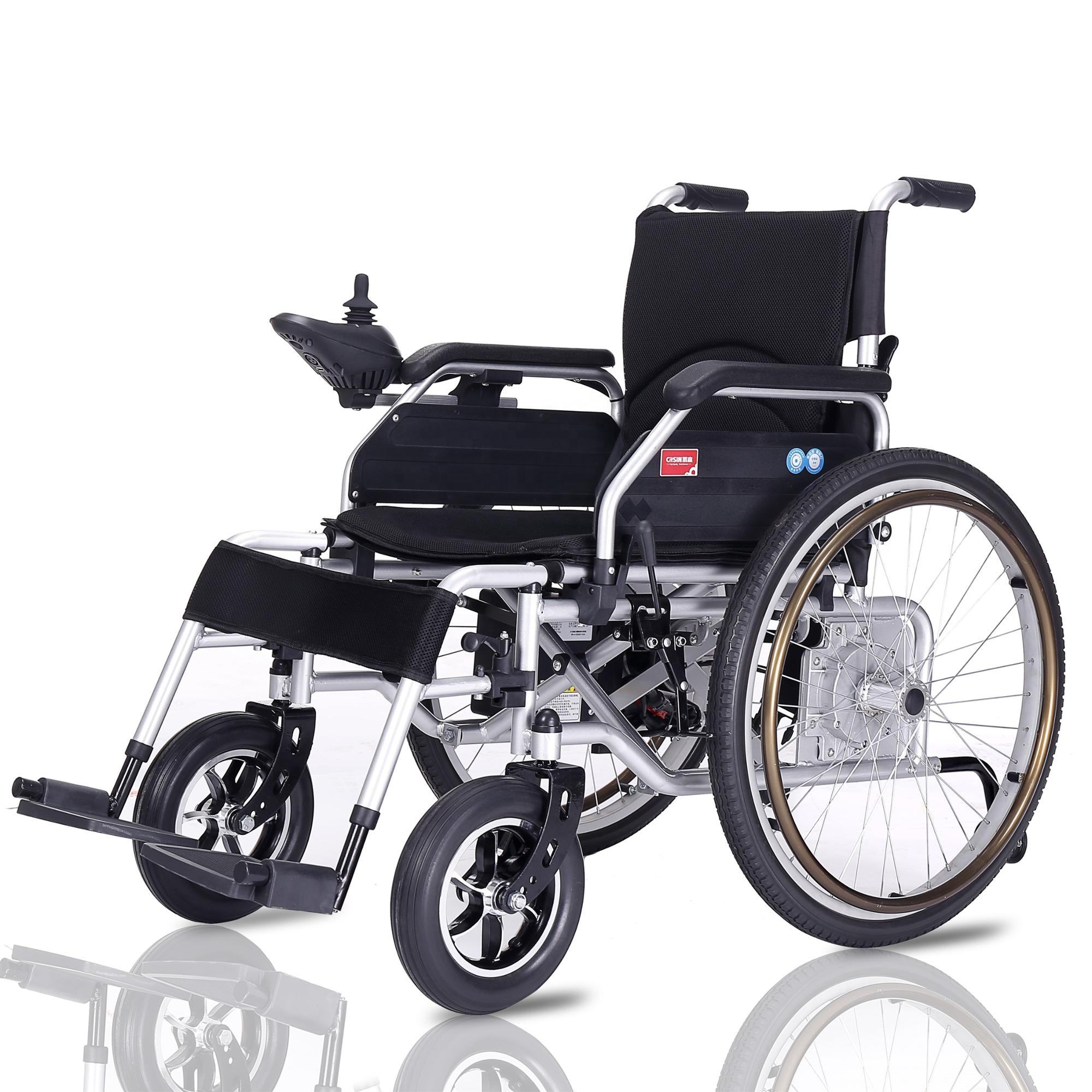
For users with limited upper body mobility, power wheelchairs are a game-changer. They’re operated by a joystick or other controls and run on rechargeable batteries. These offer independence for long-distance travel.
Transport Wheelchairs

Designed for short trips, these lightweight chairs are perfect for caregivers to push. They’re compact, easy to fold, and ideal for navigating tight spaces like narrow doorways or crowded areas.
Sports Wheelchairs
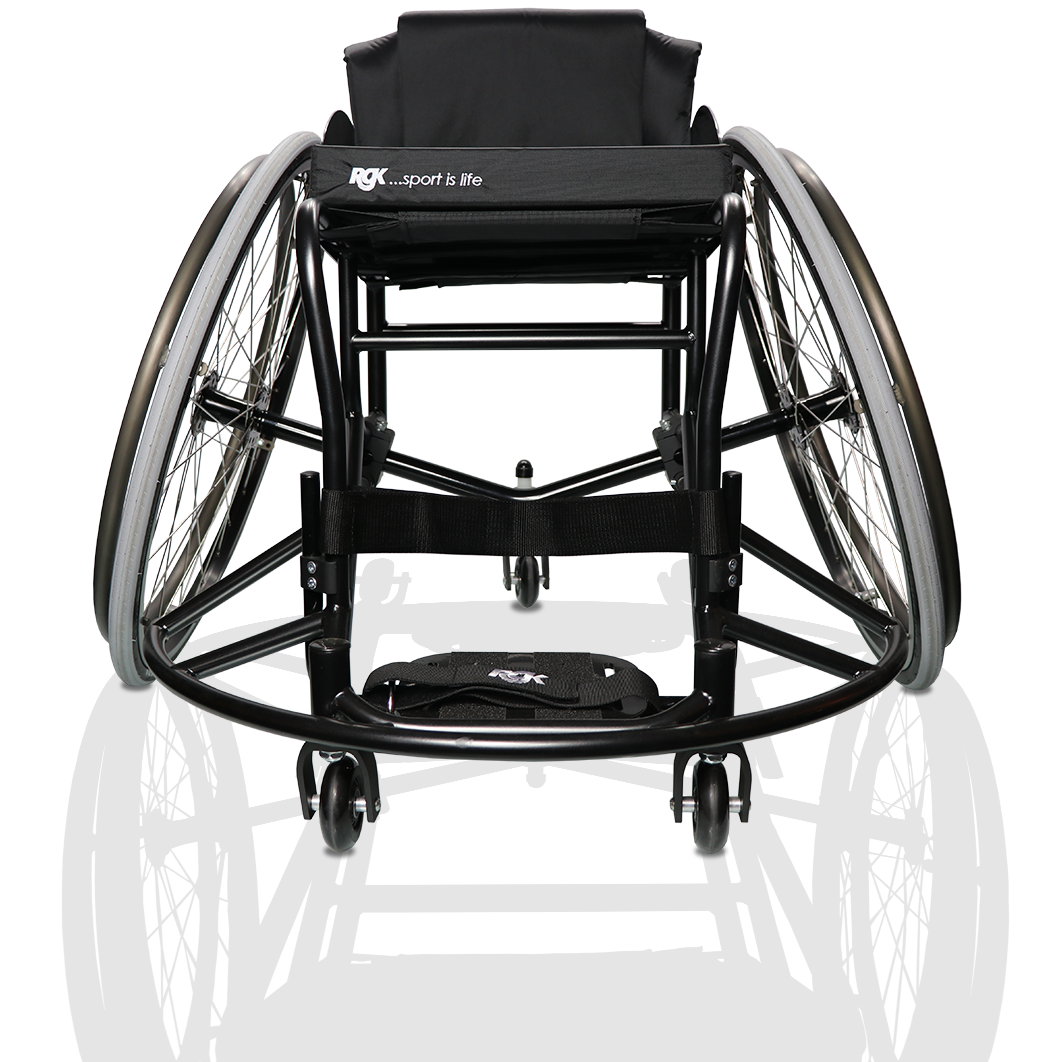
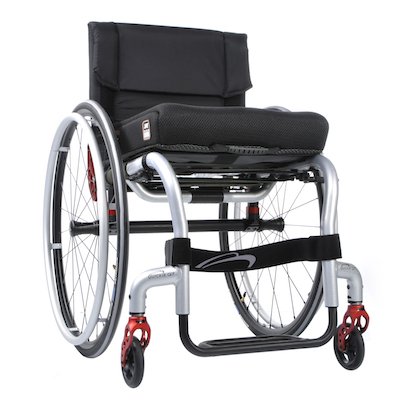
Athletes with disabilities use these specialized chairs for basketball, tennis, and racing. They’re built for speed and agility, with a sleek design and angled wheels for quick turns.
Pediatric Wheelchairs

These are specifically designed for children, with adjustable features to accommodate growth. They often come in fun colors and designs to appeal to kids.
Bariatric Wheelchairs

Built for larger individuals, these chairs have reinforced frames and wider seats. They provide comfort and support for users weighing up to 700 pounds or more.
All-Terrain Wheelchairs

Perfect for outdoor enthusiasts, these rugged chairs can handle rough terrain like beaches, trails, and snow. They often feature larger wheels and more durable construction.
Key Features to Consider When Buying a Wheelchair
When shopping for a wheelchair, it’s crucial to consider several key features to ensure you’re getting the right fit for your needs. Here are some important factors to keep in mind:
Wheelchair Type
First, decide between manual or electric. Manual wheelchairs offer more portability and exercise, while electric ones provide easier mobility for those with limited upper body strength.
Weight Capacity
Always check the weight limit. It’s essential to choose a wheelchair that can safely support your body weight, plus any additional items you might carry.
Frame Material
Aluminum frames are lightweight and rust-resistant, while steel offers durability but adds weight. Titanium provides strength and lightness but comes at a higher price point.
Seat Dimensions
Ensure proper fit with the right seat width and depth. A well-fitted seat enhances comfort and prevents pressure sores during extended use.
Adjustability
Look for wheelchairs with adjustable features like armrests, footrests, and backrests. This customization allows for better posture and comfort.
Portability
If you travel often, consider a foldable or lightweight wheelchair. Some models can be easily disassembled for transport in a car trunk.
Wheels and Tires
Larger rear wheels offer better maneuverability, while smaller front casters are ideal for tight spaces. Pneumatic tires provide a smoother ride but require more maintenance than solid ones.
Additional Features
Don’t forget about extras like anti-tip bars for safety, push handles for caregiver assistance, and cushions for added comfort. These features can greatly enhance your wheelchair experience.
Factors Affecting Wheelchair Prices in Nigeria
When shopping for a wheelchair in Nigeria, you’ll find that prices can vary widely. Let’s dive into the key factors that influence these costs:
Quality of Materials
The materials used in constructing a wheelchair play a huge role in its price. High-grade aluminum or titanium frames are lightweight and durable, but they’ll cost you more. On the flip side, steel frames are cheaper but heavier. The quality of wheels, cushions, and other components also impacts the overall price.
Type and Features
Not all wheelchairs are created equal. Manual wheelchairs are generally more affordable, while electric ones can be quite pricey. Features like adjustable armrests, reclining backrests, or specialized cushions add to the cost. If you need a custom-fitted wheelchair, expect to pay more for that personalized touch.
Brand Reputation
Just like with any product, brand name matters. Well-known international brands often command higher prices due to their reputation for quality and reliability. However, you might find more budget-friendly options from local manufacturers or lesser-known brands.
Import Duties and Taxes
Many wheelchairs in Nigeria are imported, which means import duties and taxes get tacked onto the price. These additional costs can significantly bump up the final price tag you see in stores or online.
Market Demand and Availability
The law of supply and demand applies to wheelchairs too. If there’s high demand for a particular model but limited supply, prices tend to go up. Conversely, readily available models might be more competitively priced. Keep an eye out for sales or discounts, especially during slower seasons.
Remember, while price is important, it shouldn’t be the only factor in choosing a wheelchair. Consider your specific needs and long-term comfort to find the best value for your money.
Wheelchair Prices in Nigeria 2025
In 2025, the wheelchair market in Nigeria continues to evolve, offering a wide range of options to meet diverse needs and budgets. Let’s dive into the current pricing landscape for wheelchairs across the country.
Cost Of Manual Wheelchairs In Nigeria
Drive Medical Wheelchair costs between the price range of ₦60,000 – ₦250,000 in Nigeria.
1001 Wheelchair costs between the price range of ₦60,000 – ₦90,000
Cerebral Palsy Wheelchair costs between the price range of ₦190,000 – ₦450,000 in the country today.
RoughRide Wheelchair With Control costs between the price range of ₦250,000 – ₦350,000 currently in today’s market.
Elegant Surgicals Wheelchair costs between the price range of ₦60,000 – ₦150,000 currently.
The average, Generic wheelchairs in Nigeria this 2025 cost anywhere between the price range of ₦60,000 – ₦350,000, and this is dependent on their features, durability, etc. Some of the most popular generic or manual wheelchairs in Nigeria today are locally assembled and do not belong to any brand.
Current Prices Of Electric Wheelchairs In Nigeria
Leo Power Wheelchair costs between the price range of ₦480,000 – ₦1.2 million in Nigeria currently.
Palsy Power Wheelchair costs between the price range of ₦450,000 – ₦780,000.
Electric-powered wheelchairs in Nigeria cost between ₦600,000 – ₦3 million on the average in today’s wheelchair market.
From the above, we can see that motorized wheelchairs are significantly more expensive than their manual counterparts. The reason for this is because they are designed with more advanced features and are generally more comfortable to use.
The electric wheelchairs are not as popular as the manual ones in Nigeria but they can still be found in the market nevertheless.
It’s important to note that prices may vary based on location, with urban areas often offering more competitive pricing due to higher availability and competition among retailers.
Where to Buy Wheelchairs in Nigeria
When it comes to purchasing a wheelchair in Nigeria, you’ve got several options at your fingertips. Whether you’re looking for a basic model or something more specialized, knowing where to shop can make all the difference.
Medical Supply Stores
Your first stop should be local medical supply stores. These shops often stock a variety of wheelchair models and can offer expert advice on which type might suit your needs best. Plus, you’ll have the advantage of seeing and testing the wheelchair in person before making a purchase.
Online Marketplaces
If you’re comfortable with online shopping, platforms like Jumia and Jiji offer a wide selection of wheelchairs. These e-commerce giants provide the convenience of home delivery and often feature competitive prices. Just be sure to read customer reviews and check the seller’s reputation before hitting that “buy” button.
Specialized Mobility Shops
For those seeking more tailored options, specialized mobility shops are your best bet. These stores focus exclusively on mobility aids and can provide in-depth knowledge about different wheelchair features. They might be pricier, but the personalized service can be worth the extra naira.
Hospital Supply Departments
Don’t overlook your local hospitals. Many have supply departments that sell medical equipment, including wheelchairs, to the public. While their selection might be limited, you could snag a good deal on a quality chair.
Remember, when shopping for a wheelchair, it’s not just about the price. Consider factors like durability, comfort, and after-sales support. Take your time, compare options, and choose a wheelchair that’ll truly enhance your mobility and quality of life.
Wheelchair Maintenance and Care
Keeping your wheelchair in top shape is crucial for your comfort and mobility. Let’s dive into some essential tips to ensure your wheelchair stays in prime condition for years to come.
Regular Cleaning and Inspection
Your wheelchair deserves a spa day too! Give it a thorough cleaning at least once a week. Use a damp cloth to wipe down the frame, armrests, and wheels. Pay special attention to those hard-to-reach nooks and crannies where dirt loves to hide.
While you’re at it, take a close look at all the parts. Check for any loose screws, worn-out cushions, or signs of wear and tear. Catching these issues early can save you from bigger headaches down the road.
Tire Care and Maintenance
Your wheelchair’s tires are its lifeline to the ground. Keep them properly inflated, this not only makes your ride smoother but also extends the life of your wheels. For pneumatic tires, check the pressure weekly and top up as needed.
Don’t forget to give your tires a spin every now and then. This helps distribute the weight evenly and prevents flat spots from forming.
Lubrication is Key
Just like a well-oiled machine, your wheelchair needs proper lubrication to function smoothly. Apply a light lubricant to all moving parts, such as the wheel bearings, casters, and folding mechanisms. This simple step can significantly reduce wear and tear, keeping your wheelchair rolling smoothly for longer.
Remember, a well-maintained wheelchair isn’t just about longevity, it’s about ensuring your safety and comfort every day.
Wheelchair Accessories and Customization Options
When it comes to wheelchairs, one size definitely doesn’t fit all. That’s where accessories and customization options come in, allowing you to tailor your wheelchair to your unique needs and preferences.
Comfort and Support
Let’s start with the basics. Cushions are a must-have accessory for any wheelchair user. They provide comfort during long periods of sitting and help prevent pressure sores. You’ll find a variety of options, from gel-filled to air-inflated cushions, each offering different levels of support and pressure relief.
Backrests are another crucial component. Adjustable backrests allow you to find the perfect angle for comfort and posture support. Some even come with lumbar support for those long days.
Mobility Enhancements
Now, let’s talk about getting around. Anti-tip wheels are a game-changer for many wheelchair users. They prevent backward tipping, giving you more confidence when navigating slopes or curbs.
For those who like to go off the beaten path, all-terrain wheels can transform your wheelchair into an outdoor adventure machine. These wider, more robust wheels handle rough surfaces with ease.
Convenience Features
Don’t forget about the little things that make a big difference. Cup holders, phone mounts, and storage bags are small additions that can significantly improve your day-to-day experience.
For tech-savvy users, power assist devices can be added to manual wheelchairs, giving you an extra boost when you need it. These nifty gadgets can help reduce strain on your arms and shoulders, especially on long trips or uphill climbs.
Personalization Options
Finally, let’s not overlook style. Many wheelchair manufacturers offer a range of color options and even custom designs. After all, your wheelchair is an extension of you, why not make it reflect your personality?
Remember, the right accessories can transform a standard wheelchair into a personalized mobility solution that perfectly fits your lifestyle and needs.
Tips for Buying a Wheelchair
Buying a wheelchair can be a daunting task, especially with the numerous options available. To ensure you find the perfect fit, it’s essential to consider several key factors. Here are some valuable tips to guide you in making an informed decision.
Assess Your Needs
Before you start shopping for a wheelchair, take some time to evaluate your specific requirements. Consider factors like your mobility level, body size, and the environments where you’ll be using the chair. This will help you narrow down your options and find a wheelchair that truly fits your lifestyle.
Consult with a Professional
Don’t hesitate to seek advice from a healthcare professional or occupational therapist. They can provide valuable insights into which wheelchair features might benefit you most, ensuring you make an informed decision.
Consider Portability
If you travel frequently or need to transport your wheelchair often, look for lightweight, foldable models. These portable wheelchairs are easier to lift and store in vehicles, making your life much more convenient.
Check for Adjustability
A good wheelchair should offer adjustable features like armrests, footrests, and backrests. This customizability ensures optimal comfort and support, which is crucial for long-term use.
Evaluate the Terrain
Think about where you’ll be using your wheelchair most often. If you’ll be navigating rough outdoor surfaces, consider models with larger wheels and better suspension for a smoother ride.
Don’t Forget Accessories
Look into additional accessories that can enhance your wheelchair experience. Cup holders, storage bags, or cushions can greatly improve comfort and convenience.
Read User Reviews
Take advantage of online resources and read reviews from other wheelchair users. Their real-world experiences can provide valuable insights into the pros and cons of different models.
Test Before You Buy
Whenever possible, try out the wheelchair before making a purchase. This hands-on experience will give you a better feel for the chair’s comfort, maneuverability, and overall suitability for your needs.
Frequently Asked Questions
Here are some frequently asked questions and answers about wheelchairs.
How much does a wheelchair cost in Nigeria?
The cost of a wheelchair in Nigeria varies widely depending on the type and features. Basic manual wheelchairs typically range from ₦60,000 to ₦350,000, while more advanced electric models can cost upwards of ₦350,000. Prices may fluctuate based on import costs and local availability.
Are there locally manufactured wheelchairs available?
Yes, some Nigerian companies produce wheelchairs domestically. These locally made options are often more affordable than imported models, with prices starting around ₦45,000 for basic designs. However, the quality and durability may vary compared to international brands.
Can I get financial assistance for purchasing a wheelchair?
Several organizations in Nigeria offer support for individuals needing wheelchairs. Government programs, NGOs, and charitable foundations sometimes provide free or subsidized wheelchairs to those who qualify. It’s advisable to contact local disability support groups or healthcare facilities for information on available assistance programs.
Conclusion
As you’ve seen, wheelchair prices in Nigeria can vary widely depending on the type, features, and brand. When selecting a wheelchair, consider factors beyond just price, such as durability, comfort, and after-sales support. Remember to consult with healthcare professionals to ensure you choose the most appropriate model for your specific requirements.
Stay informed about government programs or NGO initiatives that may offer financial assistance. With careful research and consideration, you can find a wheelchair that provides both mobility and independence at a price point that works for you.
Discussion about this post