

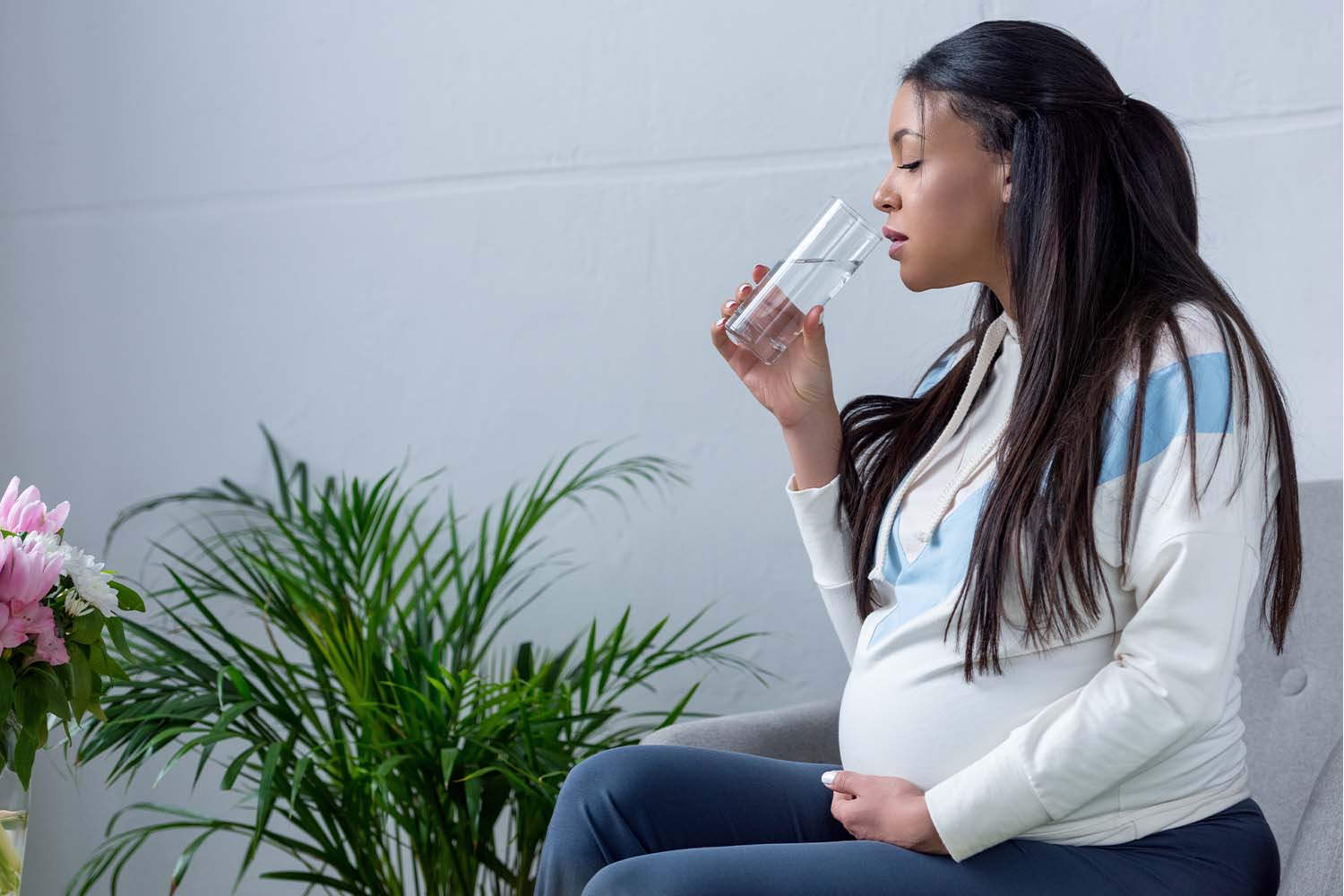
Pregnancy is when the body goes through so many changes, and staying hydrated is one of those things that can make a big difference. You might wonder, “How much water should pregnant women drink?” Well, it’s more than just sipping when you’re thirsty. Water plays a crucial role in keeping both mom and baby healthy. Let’s dive into why it’s important and how much you need.
Key Takeaways
- Pregnant women should aim to drink between 8 to 12 cups (64 to 96 ounces) of water daily to support their increased blood volume and amniotic fluid production.
- Staying hydrated can help reduce common pregnancy issues like constipation, swelling, and urinary tract infections.
- Water needs can change based on factors like trimester, activity level, and climate, so it’s important to adjust accordingly.
- Signs of dehydration include dark urine, dizziness, and fatigue, and severe cases may require medical attention.
- Overhydration is rare but possible, especially if you have certain health conditions, so balance is key.
The Importance of Hydration During Pregnancy

Why Hydration is Crucial for Pregnant Women
Staying hydrated during pregnancy is more than just a health tip—it’s necessary. Water plays a significant role in maintaining the health of both the mother and the baby. Hydration supports the formation of amniotic fluid and aids in digestion, circulation, and nutrient transport. When you’re pregnant, your body works overtime, and water helps keep everything running smoothly. It boosts blood volume, crucial for delivering oxygen and nutrients to your baby.
The Role of Water in Fetal Development
Water is essential for the baby’s growth and development. It helps form the amniotic fluid, which cushions and protects the baby. This fluid also plays a part in developing the baby’s respiratory and digestive systems. Without adequate hydration, the risk of low amniotic fluid levels increases, potentially leading to complications. Staying hydrated ensures your baby gets the nutrients and oxygen for healthy development.
Common Myths About Pregnancy and Hydration
There are a few misconceptions about hydration during pregnancy. Some believe drinking too much water can lead to overhydration, but this is rare and usually only a concern for those with specific health issues. Another myth is that all beverages hydrate equally, but water is the best choice. Other drinks, like caffeine-rich beverages, can dehydrate you. It’s important to focus on drinking water and other hydrating fluids to maintain optimal health for you and your baby.
“Hydration is not just about quenching thirst—it’s about supporting life. For pregnant women, this means providing a safe and nurturing environment for their growing baby.”
For more about hydration during pregnancy, it’s crucial to understand how it impacts both mother and child, ensuring a healthy pregnancy journey.
Recommended Water Intake for Pregnant Women
Guidelines from Health Organizations
Health organizations often advise pregnant women to consume more fluids than usual to support the increased demands of their bodies and their developing babies. The American College of Obstetricians and Gynecologists (ACOG) recommends drinking about 10 eight-ounce glasses of water daily, totalling approximately 2.5 liters. However, this is a general guideline, and individual needs may vary.
Factors Influencing Water Needs
Several factors can influence how much water a pregnant woman needs:
- Body weight and size: Larger individuals may require more water.
- Activity level: More active women will need additional fluids to stay hydrated.
- Climate: Hotter climates can increase the body’s demand for water.
Adjusting Intake for Different Trimesters
Water needs can change throughout the pregnancy:
- First Trimester: While morning sickness can make it difficult to keep fluids down, siping water throughout the day is important to avoid dehydration.
- Second Trimester: As your blood volume increases, so does your need for water. This period is crucial for maintaining adequate hydration.
- Third Trimester: The growing baby and increased amniotic fluid require more water, making it essential to maintain fluid intake.
Staying hydrated is not just about drinking plain water. Milk, juice, and even certain fruits and vegetables with high water content can contribute to your daily intake. It’s important to listen to your body’s signals and adjust your fluid consumption accordingly.
Health Benefits of Adequate Water Consumption
Supporting Digestion and Nutrient Absorption
Drinking enough water during pregnancy helps maintain a smooth digestive process. Hydration ensures that your digestive system functions properly, reducing the likelihood of constipation, which is common during pregnancy. Water helps break down food, making it easier for your body to absorb essential nutrients that you and your baby need. Think of water as the oil that keeps your body’s engine running smoothly.
Reducing Pregnancy-Related Swelling
Swelling in the feet and ankles is a common issue for pregnant women. Surprisingly, drinking more water can help reduce this swelling. When your body senses dehydration, it holds onto more fluid, leading to bloating. Staying hydrated helps your body release excess fluids, reducing swelling and discomfort.
Preventing Urinary Tract Infections
Pregnant women are more prone to urinary tract infections (UTIs), which can be uncomfortable and potentially harmful if left untreated. Drinking plenty of water dilutes urine and encourages frequent urination, which helps flush out bacteria from the urinary tract. This simple habit can significantly lower the risk of developing UTIs during pregnancy.
Staying hydrated during pregnancy is not just about quenching thirst; it’s about keeping your body and baby healthy. Water supports digestion, reduces swelling, and helps prevent infections. It’s a small effort with big benefits.
Signs and Risks of Dehydration in Pregnancy
Recognizing Dehydration Symptoms
Dehydration during pregnancy can sneak up on you, and knowing the signs is crucial. Dark-coloured urine and urinating less often are common indicators. You might also feel extremely thirsty, dizzy, or fatigued. In more severe cases, confusion can set in. If you notice these symptoms, it’s time to up your water intake.
Potential Complications for Mother and Baby
Dehydration isn’t just uncomfortable; it can lead to serious issues. Low levels of amniotic fluid, also known as oligohydramnios, can affect your baby’s protection and development. Other risks include swelling, urinary tract infections, and even preterm labour. Keeping hydrated helps maintain the right amniotic fluid level, vital for your baby’s health.
When to Seek Medical Attention
Sometimes, drinking more water isn’t enough. If you can’t keep fluids down or if symptoms persist, seeking medical help is important. Severe dehydration can cause disorientation or extreme fatigue, requiring prompt attention. Don’t hesitate to contact your healthcare provider if you’re concerned about your hydration levels during pregnancy.
Staying hydrated is one of the simplest ways to support a healthy pregnancy. Listen to your body and drink water regularly to avoid complications.
Tips for Staying Hydrated During Pregnancy
Incorporating Hydration into Daily Routine
Staying hydrated during pregnancy can feel like a chore, but making it part of your daily routine can help. Always carry a water bottle with you, whether at work or running errands. This makes it easier to sip throughout the day. Try to drink a glass of water with every meal and snack. If you do not like plain water, add a slice of lemon or a few mint leaves for a refreshing twist.
Creative Ways to Increase Water Intake
Sometimes, plain water just doesn’t cut it. Infusing water with fruits like berries or cucumber can make it more enjoyable. You can also increase your fluid intake by eating foods with high water content, such as watermelon, cucumbers, and oranges. Herbal teas and broths are good options, especially if you want something warm.
Monitoring Hydration Levels Effectively
It’s important to monitor your hydration levels. A simple way to check is to observe the colour of your urine. It should be pale yellow; if it’s dark, you might need more fluids. Feeling thirsty is another sign that you need to drink up. Consider using a hydration app to track your water intake and set reminders. These tools can help you stay on top of your hydration goals without hassle.
Staying hydrated is not just about drinking water, but also about making sure your body gets enough fluids from various sources. By incorporating these tips into your daily life, you can maintain good hydration and support your pregnancy health.
Overhydration and Its Risks
What is Overhydration?
Overhydration happens when you drink more water than your body needs, leading to an imbalance of electrolytes in your system. This is less common than dehydration, but it’s still something to watch out for. Too much water can dilute the sodium in your blood, leading to a condition known as hyponatremia. Symptoms might include nausea, headache, confusion, and, in severe cases, seizures. It’s important to listen to your body’s signals and not force excessive water intake.
Health Conditions Increasing Risk
Certain health conditions can make you more susceptible to overhydration. These include:
- Heart problems
- Kidney issues
- Liver disorders
- Thyroid disease
- Medications that cause water retention, like some antidepressants and NSAIDs
If you have any of these conditions, consult your doctor about how much water is appropriate for you during pregnancy.
Balancing Water Intake Safely
Finding the right balance in water consumption is key. Here are some tips to help you manage your intake:
- Pay attention to your thirst. Drink when you’re thirsty, and don’t overdo it.
- Monitor your urine. Clear or light yellow urine usually indicates proper hydration.
- Spread your water intake throughout the day instead of drinking large amounts at once.
While staying hydrated is important, remember that moderation is key. Listen to your body and adjust your water intake as needed to maintain a healthy balance.
For more information on the importance of staying hydrated during pregnancy, you might want to check out how dehydration during pregnancy can lead to complications such as birth defects and low amniotic fluid, as highlighted by the American Pregnancy Association. Staying adequately hydrated supports both your health and your baby’s development.
The Impact of Climate and Activity on Hydration Needs
How Weather Affects Water Requirements
Weather can play a huge role in how much water you need. When it gets hot, your body sweats more to keep cool, losing water. This means that, especially in summer or warmer climates, you should drink more to stay hydrated. Cold weather can be tricky, too. You might not feel as thirsty in winter, but your body still needs water to keep everything running smoothly.
Remember, hydration is crucial in winter, as adequate water intake helps maintain warmth, health, and comfort during the colder months.
Adjusting Hydration for Physical Activity
Your body needs extra water when you’re active, whether it’s a brisk walk or a full workout. Exercise increases your body’s temperature and makes you sweat, which means losing fluids. Drinking before, during, and after physical activities is important to replenish what you’ve lost. Here’s a simple checklist to keep in mind:
- Drink a glass of water about 30 minutes before starting your activity.
- Sip water every 15-20 minutes during exercise.
- Have another glass or two after you’re done to help recovery.
Special Considerations for Hot Climates
Living in a hot climate? Then, you need to be extra mindful of your water intake. High temperatures can cause you to sweat more, leading to faster dehydration. Here are some tips to help:
- Carry a water bottle with you wherever you go.
- Wear lightweight, breathable clothing to help stay cool.
- Take regular breaks in the shade or indoors to cool down.
It’s key to listen to your body in both hot and cold weather. If you’re feeling thirsty, it’s a sign you need to drink up. Staying properly hydrated helps keep both you and your baby healthy throughout your pregnancy.
Using Technology to Track Water Intake
Benefits of Digital Hydration Tools
In today’s tech-savvy world, digital tools can make tracking water intake super easy. For pregnant women, these tools can be a game-changer. Digital hydration apps can help you keep tabs on how much water you drink, ensuring you meet those daily goals. They often send reminders, too, so you won’t forget to take a sip, especially when you’re busy or distracted.
Popular Apps for Monitoring Water Consumption
Plenty of apps are designed to help you track water intake. Some of the most popular ones include:
- WaterMinder is a simple app that lets you log your water consumption and send reminders to drink.
- Hydro Coach: This app calculates your ideal water intake based on your details and tracks your progress.
- Plant Nanny: A fun twist on tracking where drinking water keeps your virtual plant alive.
These apps can be a great addition to your daily routine, helping you stay hydrated without much hassle.
Integrating Technology into Pregnancy Health Plans
Pregnant women often have a lot on their plates, and keeping track of water intake can easily slip through the cracks. But with technology, you can integrate hydration tracking into your overall health plan. Smart water bottles, for instance, sync with apps to monitor your water intake automatically. They can be a fun and innovative way to ensure you drink enough.
Many pregnant women find that using a smart water bottle is not only new and exciting but also effective in increasing their fluid intake.
By incorporating these digital tools, you can better manage your hydration, which is crucial for your and your baby’s health. Plus, as highlighted in a pilot study from Denmark, using systems like the Dietary Intake Monitoring System (DIMS) 2.0 can significantly improve tracking accuracy, making it easier to meet your hydration needs.
Conclusion
Staying hydrated during pregnancy is more than just a good habit—it’s essential for you and your baby. Water becomes your best friend with all the changes your body goes through, like increased blood volume and the need to form amniotic fluid. Aim for those 8 to 12 cups daily, but remember, it’s not just about water. Milk, juice, fruits, and veggies can help you meet your hydration goals. Keep an eye on your body’s signals, like thirst and urine colour, to ensure you’re on track. And if you’re ever unsure, don’t hesitate to chat with your healthcare provider. After all, keeping hydrated is one of the simplest ways to support a healthy pregnancy.
Frequently Asked Questions
How much water should I drink daily while pregnant?
Pregnant women are advised to drink 8 to 12 cups of water each day, which is 64 to 96 ounces, or about 1.9 to 2.8 liters. Your needs might change based on your activity level and the weather.
Why is staying hydrated important during pregnancy?
Drinking enough water helps make more blood, supports your baby’s blood flow, and creates amniotic fluid. It also helps with digestion and can reduce swelling and the risk of urinary tract infections.
What are the signs of dehydration in pregnancy?
Dark-colored urine, feeling very thirsty, dizziness, tiredness, and confusion are signs of dehydration. If you notice these signs, you should drink more water.
Can drinking too much water be harmful during pregnancy?
While it’s less common, drinking too much water can be problematic, especially if you have certain health conditions. It’s important to balance your water intake and talk to your doctor about what’s right for you.
How can I increase my water intake if I don’t like plain water?
You can add fruits like lemon or berries to your water for flavour. Eating more fruits and veggies, like watermelon and cucumbers, can also help you stay hydrated.
Does the weather affect how much water I need during pregnancy?
Yes, hot weather and physical activity can increase one’s need for water. It’s important to drink more fluids when it’s warm outside or if one is exercising.
Discussion about this post