

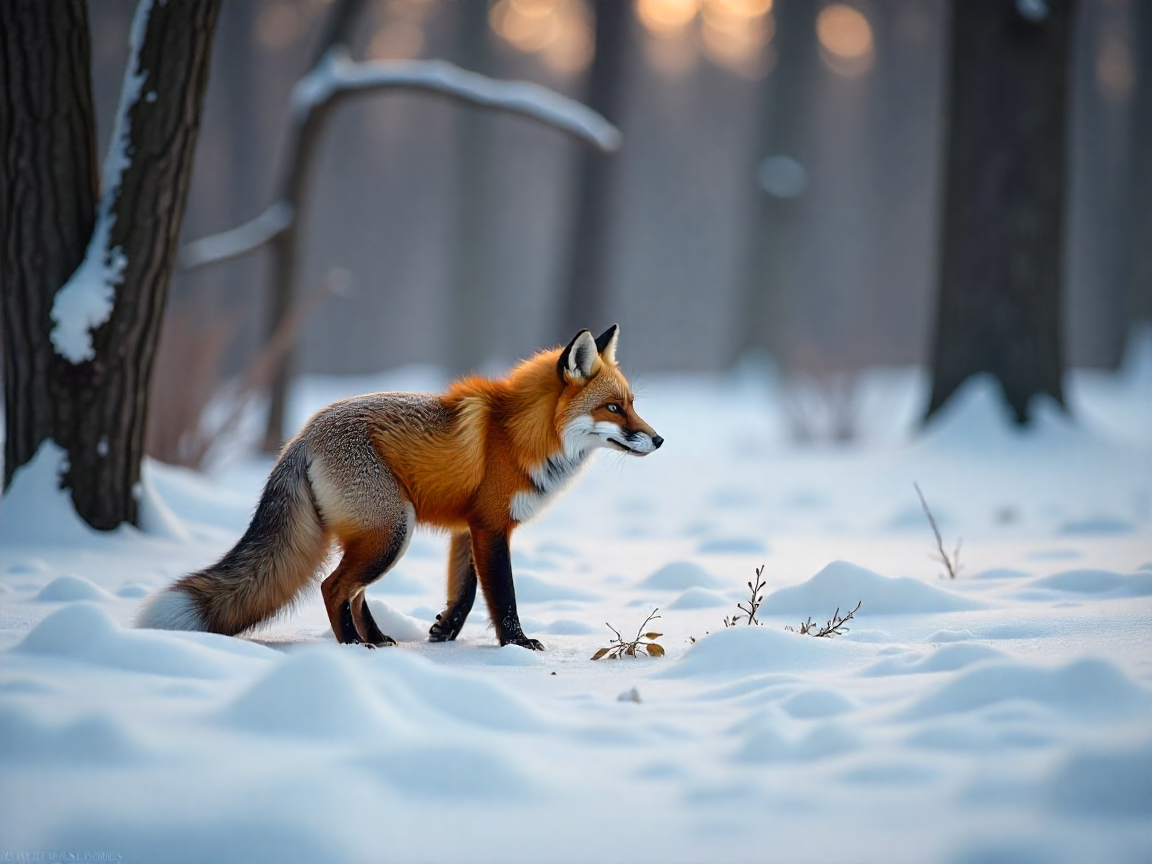

When winter arrives, people often stay warm indoors or wear multiple layers of clothing. Trees also slow down, waiting for spring. But how do wild animals handle the cold and snow?
Wild animals use various methods to survive during winter. Some migrate, while others hibernate. They also employ other survival strategies to cope with the tough weather.
The Harsh Reality of Winter for Wildlife
Winter brings a tough time for wildlife. The cold, snow, and ice are big dangers. However, wildlife has learned to adapt to these harsh conditions over time.
Roland Kays, a research associate professor at NC State, says, “Wild animals are used to extreme weather. It’s not new for them.” This shows how wildlife can handle tough winters.
Wildlife have special ways to stay warm. Some animals move to warmer places. Others sleep a lot or grow thick fur to keep warm.
| Adaptation | Description | Examples |
|---|---|---|
| Migration | Moving to warmer or more food-abundant areas | Birds, caribou |
| Hibernation | Reducing metabolic rate to conserve energy | Bears, bats |
| Insulation | Developing thick fur or feather coats | Wolves, penguins |
Learning about wildlife’s winter survival is key. It helps us see how strong and important wildlife is. It also shows why we need to protect them.
The Impact of Winter Weather on Local Wildlife
Winter weather significantly impacts local wildlife, making it challenging for many species to survive. Cold temperatures, combined with strong winds, make it tough for animals like birds and mammals to stay warm.
Animals like the Virginia opossum and nine-banded armadillo are very sensitive to cold. They can develop frostbite or hypothermia if the temperature remains too cold for too long. So, they adjust their behaviour in winter, such as relocating to warmer places.
Adaptation Strategies
Species have found ways to deal with winter. Some animals hibernate to save energy. Others grow thicker fur or eat different foods to find what’s available in winter.
| Species | Adaptation Strategy | Winter Behavior |
|---|---|---|
| Bears | Hibernation | Reduced activity, lowered body temperature |
| Deer | Thicker coats, changed diet | Forage in areas with less snow, migrate to warmer areas |
| Birds | Flocking, changed foraging behavior | Flock together for warmth, forage in available food sources |
Knowing how animals adapt to winter is key to helping them. It helps us make better plans to protect wildlife during the cold months.
Remarkable Survival Strategies in the Wild
Animals face extreme winter weather with amazing survival tactics. These tactics are both fascinating and essential for their survival. Many animals have developed unique ways to stay warm in cold environments.
Insulation Innovations
Some animals grow thicker fur or add fat layers. This helps them retain their body heat.
Coloration Changes
Animals like snowshoe hares and ermine weasels change colour to white in winter. This camouflage helps them hide from predators in the snow.
These survival strategies are vital. But climate change is changing the game. It’s altering the timing of seasonal changes. This can disrupt the timing of an animal’s adaptations and the environment to which they’re adapted.
Food Scarcity and Winter Foraging Behaviors
When winter comes, the world changes, and so do the challenges for wildlife. Finding food becomes increasingly difficult, and animals must adapt to new methods of survival.
Heavy snow makes it tough for animals to move around. It also changes how predators and prey interact. Some animals move to places with less snow. Others stay put and find new ways to find food.
For example, some animals dig through the snow to reach the plants underneath. Others look for different foods to eat.
The cold weather has a big impact on wildlife. Many animals use stored food or find new sources of food to eat. Understanding how they do this is crucial for winter wildlife tracking and research. It helps us find ways to help animals during the cold months.
- Animals adapt their foraging behaviors to survive the winter.
- Some species migrate, while others change their diet or dig through snow to find food.
- Understanding these adaptations is key to supporting wildlife during winter.
Human Influence on Winter Wildlife Survival
Human actions significantly impact wildlife survival during winter. For example, destroying habitats makes it harder for animals to find shelter and food.
The impact of humans on winter wildlife is a complex phenomenon. Some main factors include:
- Habitat loss due to urbanization and deforestation
- Pollution from industrial activities and vehicle emissions
- Climate change is altering ecosystems and disrupting natural behaviours
It’s essential to understand these impacts to develop more effective conservation plans. By reducing the harm caused by human activities, we can help more wildlife survive winter. This involves adopting eco-friendly practices, protecting habitats, and promoting conservation.
Climate Change: Rewriting Winter’s Rulebook
As global temperatures rise, winter’s rules are changing for wildlife. Climate change is altering winter weather patterns. This affects when seasonal events happen and where wildlife lives.
Some species are moving north because it’s warmer. This changes local ecosystems.
The impact of climate change on winter wildlife is complex. Weather changes affect food availability. This disrupts the balance of winter ecosystems.
This, in turn, alters how species behave and their population sizes. Understanding these changes is key for wildlife conservation.
By studying the effects of climate change on winter wildlife, we can better prepare for the future. We can also work to lessen its impact on local ecosystems.
Creating Winter Wildlife Sanctuaries: What We Can Do
Extreme winter weather is a big threat to wildlife. It affects their survival and their ability to adapt. We can help by creating wildlife sanctuaries and protecting natural habitats.
By providing food and shelter, we can make a big difference. This is done through conservation efforts. We can protect and restore natural habitats, creating sanctuaries.
Everyone can help protect wildlife in winter. Together, we can build a network of sanctuaries. These sanctuaries support local ecosystems and promote biodiversity.
Supporting winter wildlife conservation efforts is key. It ensures the survival of wildlife and preserves our environment.
FAQ
Q: How do animals keep warm in freezing winter conditions?
A: Animals use many ways to stay warm. They have thick fur, fat layers, and behaviors like huddling. These help them maintain their body temperature.
Q: What are some common challenges faced by wildlife during extreme winter weather?
A: Wildlife struggles to find food and avoid harsh weather. They also have to keep their bodies working in the cold. Some animals face bigger challenges than others.
Q: How does snow cover affect the availability of food for wildlife?
A: Snow makes it hard for animals to find food. They change how they forage. This can affect their survival.
Q: What role does climate change play in impacting winter wildlife?
A: Climate change changes how winter wildlife lives. It affects where they live, how they behave, and their numbers. We need to consider this for conservation purposes.
Q: How can human actions influence the survival of wildlife during winter?
A: Humans can harm wildlife by destroying habitats and polluting. However, we can also help by preserving habitats and minimising our environmental impact.
Q: What are some effective ways to support wildlife during winter?
A: We can help wildlife by creating sanctuaries and preserving habitats. Reducing our impact on the environment also helps.
Q: How do different species adapt to winter conditions?
A: Each species has its own way to deal with winter. They change color, get more insulation, and behave differently. These adaptations help them survive the cold.
Q: What is the impact of winter weather on local wildlife ecosystems?
A: Winter weather changes how wildlife lives in local ecosystems. It affects where they live, how they behave, and their numbers. This shows we need to protect them.
Discussion about this post