

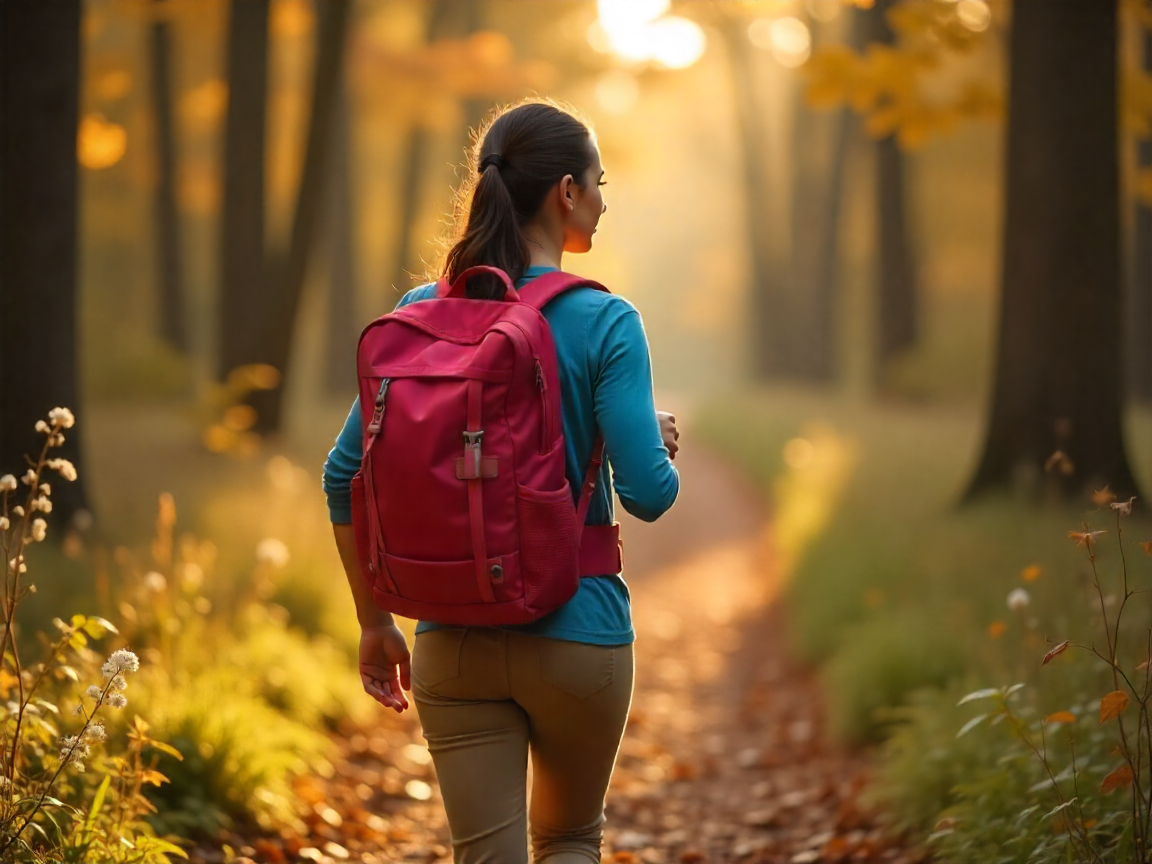

When you put on your hiking boots and head out, you’re not just seeing nature; you’re experiencing it. You’re also affecting it. “Being in nature is good for us, but we must not harm others we share it with,” said Jim Kravitz, Director of Naturalist Programs at Aspen Center for Environmental Studies (ACES).
Being a responsible hiker means enjoying nature while keeping it safe for others. This means following established trails and avoiding disturbances to wildlife. It’s about leaving the outdoors as we found it for those who come after us.
Key Takeaways
- Understand the principles of responsible outdoor recreation.
- Learn how to minimize your impact on the environment.
- Discover ways to preserve nature for future generations.
- Explore the importance of environmental stewardship.
- Find out how to be a more mindful hiker.
The Principles of Responsible Hiking
Responsible hiking is crucial to maintaining a healthy environment. As a hiker, you help keep the trails beautiful.
The Seven Core Principles
Here are seven important principles for hiking responsibly:
- Stay on designated trails to avoid erosion and protect sensitive habitats.
- Yield to hikers coming uphill, as they may have a harder time stopping or manoeuvring.
- Let faster hikers pass, promoting a smooth flow of traffic on the trail.
- Pack out what you pack in, leaving the trail free of trash and disposable items.
- Refrain from picking wildflowers or disturbing the natural environment.
- Properly dispose of human waste by using designated facilities or digging a cathole.
- Please keep your dog on a leash to prevent them from disturbing wildlife or other hikers.
Following these principles makes hiking better for everyone. It also helps protect our environment.
Proper Planning and Preparation
Planning and preparation are key for a green hiking trip. Begin by researching your destination and familiarising yourself with the terrain. Also, check the weather forecast.
Avoiding High-Impact Seasons
It’s important to avoid high-impact seasons. These events can harm local wildlife or cause extreme weather conditions.
| Season | Impact | Precaution |
|---|---|---|
| Peak Summer | High trail erosion, increased risk of wildfires | Stay on marked trails, avoid campfires |
| Wet Season | Trail damage, increased sediment in waterways | Check trail conditions, avoid hiking during heavy rainfall |
| Wildlife Breeding Seasons | Disturbance to wildlife habitats | Keep a safe distance from wildlife, avoid sensitive areas |
Being aware of these factors helps reduce your impact. It’s also good to have an emergency plan. Knowing how to navigate and staying informed about local conditions are important for responsible hiking.
Choosing a good Hiking Gear
Your hiking gear can help protect the environment. By picking sustainable gear, you can lessen your impact on nature.
Reduce using Single-Use Items
Reducing single-use items is key to eco-friendly hiking. Look for gear with little packaging. Choose reusable water bottles and products with biodegradable packaging.
| Sustainable Gear | Traditional Gear | Environmental Impact |
|---|---|---|
| Reusable water bottles | Single-use plastic bottles | Reduces plastic waste |
| Clothing made from recycled materials | Clothing made from synthetic materials | Decreases the amount of waste in landfills |
| Biodegradable soap and toiletries | Chemical-based soap and toiletries | Less harmful to aquatic life |
These small changes can make a big difference. They help you enjoy hiking while caring for the planet.
How to Be a Responsible Hiker on the Trail
Being a responsible hiker means knowing how to leave the trail as you found it. This includes being prepared, aware, and respectful of the natural environment. By following a few simple steps, you can minimise your impact and help preserve the beauty of the outdoors for others.
Handling Human Waste
Handling human waste is key to responsible hiking. When you need to go, follow Leave No Trace rules. Look for a spot 200 feet from water, trails, and campsites. Dig a hole 6-8 inches deep, cover it with soil, and disguise the area.
Remember to pack out toilet paper and hygiene items. This prevents pollution and keeps the environment clean.
Staying on trails is also important. It prevents erosion and protects wildlife habitats. When you meet other hikers, yield to those going uphill or to animals. Being polite and mindful makes hiking better for everyone.
By following these simple steps, you help keep the outdoors pristine. Whether you’re an experienced hiker or new to it, these habits ensure trails stay enjoyable for all.
Responsible Wildlife Encounters
Responsible hiking is more than just reaching your goal. It’s about respecting the wildlife you meet. Maintaining a safe distance from animals is crucial for both your safety and theirs.
Never feed wildlife. It messes with their natural behaviour and can harm their health. Also, watch for signs of wildlife, such as tracks or scat.
Using Bear-Resistant Containers
In places with bears, using bear-resistant containers is vital. These containers keep food and scented items safe from bears. This reduces the chance of bear encounters.
- Store all food, trash, and scented items (such as toothpaste and soap) in bear-resistant containers.
- Keep your campsite clean, ensuring that no food or trash is left out.
By following these tips, you can avoid bad wildlife encounters. This makes hiking safer and more fun for everyone.
Water and Campsite Ethics
Leave-no-trace practices are not just guidelines, but a way of life for responsible hikers. Being mindful of your impact on water and campsites is key.
Selecting and Maintaining Your Campsite
Choosing a campsite carefully is the first step in minimizing your environmental footprint. Look for areas already designated for camping to avoid damaging untouched terrain. When setting up camp, keep your site clean and tidy, ensuring all waste is properly disposed of.
Minimizing campfire impacts is also vital. Use a portable stove or camping grill instead of making a campfire, or keep your fire in a designated fire pit or fire ring. Ensure that you fully extinguish your campfire before leaving your campsite. By following these eco-friendly hiking tips and adopting sustainable hiking practices, you can significantly reduce your environmental impact.
By adopting Leave No Trace practices, you help preserve water sources and the surrounding environment for future generations. Remember, your actions as a hiker can make a significant difference in maintaining the natural beauty of our wilderness areas.
Hiking in Groups Responsibly
When you go hiking with friends, it’s important to know what’s around you. This helps everyone have a good time and follow the trail’s rules.
Walking together at a steady pace is key. Be kind to other hikers, mainly on tight paths. Always give way to horseback riders and those going uphill.
Yielding and Right-of-Way Practices
Knowing who goes first on the trail is important. Usually, those going up have the right of way. Move aside for horses and big animals.
- Stay together as a group when possible to avoid fragmenting the trail.
- Communicate with your group to ensure everyone is aware of the surroundings and any potential hazards.
- Be mindful of your group’s impact on the environment and other trail users, adhering to hiking ethics.
By following these tips, you can make sure everyone has a great time. And it keeps the trail safe for all.
Becoming an Ambassador for Outdoor Conservation
When you start using sustainable hiking practices, you join a big movement. This movement is all about taking care of the environment. By following outdoor conservation principles, you help protect nature and inspire others to do the same.
Your actions on the trail are a great example for others. By sharing what you know and your experiences, you build a community. This community values the preservation and care of our natural resources.
As an ambassador for outdoor conservation, you’re very important. You help create a culture that cares about the environment. Together, we can preserve our trails and natural areas for future generations to enjoy. We do this by continuing to use sustainable practices.
Discussion about this post