

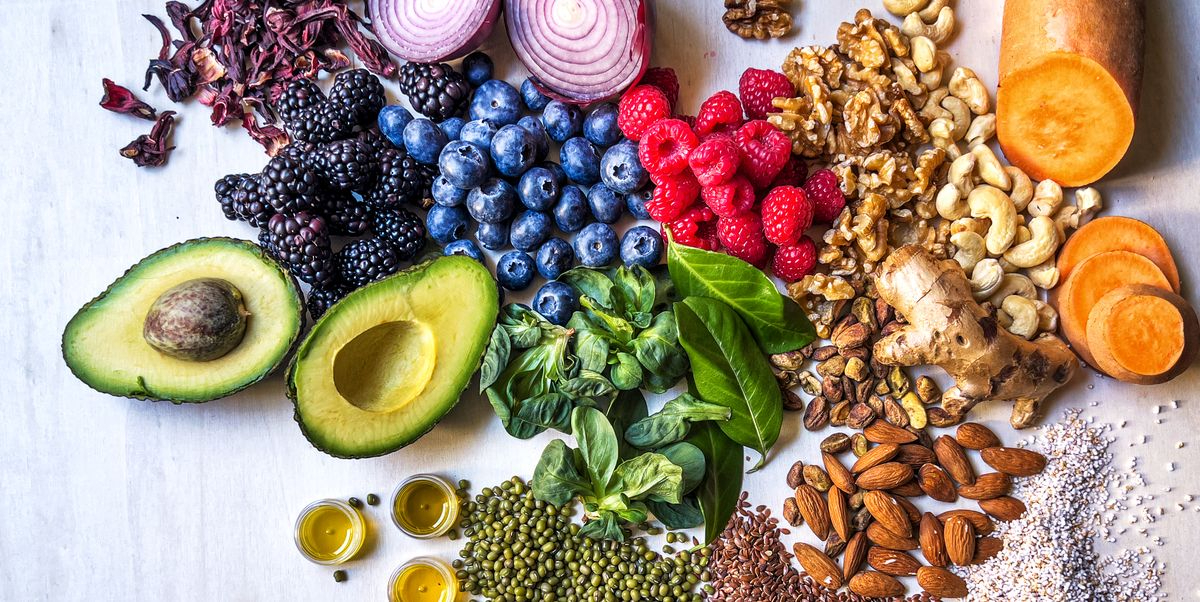

Living with arthritis means paying attention to what you eat. While no diet is a magic cure, making smart food choices can really help manage your symptoms. Healthy eating for arthritis patients is all about choosing foods that fight inflammation and support your joints.
Let’s explore some delicious options that can make a difference in how you feel.
Key Takeaways
- Load up on fish like salmon and tuna at least twice a week for their omega-3 fatty acids, which help fight inflammation.
- Incorporate plant-based proteins such as tofu and beans, which offer fiber and nutrients that can reduce inflammation markers.
- Snack on a handful of nuts like walnuts and almonds daily for healthy fats and compounds that support joint health.
- Fill your plate with colorful fruits and vegetables, including broccoli and berries, for antioxidants and vitamins that protect your joints.
- Add spices like garlic, ginger, and turmeric to your meals to help manage pain and inflammation.
Omega-3 Rich Fish
When you’re dealing with arthritis, what you put on your plate can make a real difference. Certain types of fish are like little powerhouses of omega-3 fatty acids, and these are the good fats that can help fight off inflammation in your body.
Think of them as your allies in keeping those achy joints feeling a bit better.
Fatty Fish
You’ll want to focus on the fattier kinds. These are the ones that pack the most omega-3s. Eating these regularly can really help dial down the inflammation that often comes with arthritis. It’s not just about feeling better today, but also about supporting your joint health long-term.
Salmon, Tuna, and Mackerel Benefits
Salmon, tuna, and mackerel are top-notch choices. They’re loaded with omega-3s, which studies suggest can lower inflammatory markers in your body.
Some research even shows that people who eat more omega-3 rich foods have lower levels of certain proteins linked to inflammation. It’s pretty neat how food can work like that, right? These fish aren’t just tasty; they’re actively working to help your body.
Twice-Weekly Consumption for Inflammation Fighting
To really get the benefits, try to include these fish in your meals about twice a week. A good serving size is usually around three to four ounces.
So, maybe a nice piece of grilled salmon with your dinner one night, and some pan-seared tuna another. It’s a simple change that can have a noticeable impact on how you feel, especially when it comes to stiffness and swelling.
Use Plant-Based Proteins
When you’re dealing with arthritis, thinking about protein sources might bring meat to mind first. But you can get plenty of protein from plants, and these options often come with added benefits for your joints. Plant-based proteins can be a real game-changer for managing inflammation.
Soybeans for Inflammation Busting
Soybeans, and foods made from them like tofu and edamame, are pretty amazing. They’re packed with protein, which is good for keeping your body strong. More importantly for arthritis, they contain compounds that can help fight inflammation.
Some research even suggests that eating soy might help slow down the damage to cartilage in your joints. It’s a simple swap that can make a difference.
Tofu and Edamame Advantages
Think of tofu and edamame as easy ways to get that soy goodness. You can stir-fry tofu with your favorite veggies, or just steam edamame pods for a quick snack.
They’re versatile and don’t require a lot of cooking skill. Plus, they offer a good amount of fiber, which also plays a role in keeping inflammation in check. It’s a win-win for your diet and your joints.
Beans as a Fiber and Protein Source
Whether it’s kidney beans, pinto beans, or black beans, they are nutritional powerhouses. They’re loaded with fiber, which is great for your digestion and can help lower something called C-reactive protein (CRP) in your blood.
High CRP levels are often a sign of inflammation. Beans also provide a solid amount of protein and important minerals like zinc and iron. Adding a cup of beans to your meals a couple of times a week is a smart move for anyone looking to manage arthritis symptoms. They’re also really budget-friendly, which is always a plus.
Eat Lots of Nuts and Seeds
When you’re looking to manage arthritis, don’t forget about nuts and seeds. They’re small, but they pack a serious punch when it comes to fighting inflammation and keeping your joints happy. Think of them as little powerhouses of good stuff your body needs.
Walnuts and Almonds for Joint Health
Walnuts are loaded with omega-3 fatty acids, specifically alpha-linolenic acid (ALA), which your body can convert into EPA and DHA – the same types of omega-3s found in fatty fish.
These fats are known for their ability to calm down inflammation. Almonds, on the other hand, are a great source of vitamin E, an antioxidant that helps protect your cells from damage. They also provide magnesium and healthy monounsaturated fats.
Fats and Satiety
Beyond the specific nutrients, the types of fats in nuts and seeds are beneficial. They are rich in monounsaturated fats, which are good for your heart and can help reduce inflammation. Plus, the combination of protein, fiber, and these healthy fats makes nuts and seeds really filling.
This means they can help you feel satisfied after eating, which is great if you’re also trying to manage your weight, something that can often be a challenge with arthritis.
Daily Ounce for Anti-Inflammatory Diet
A good target is about an ounce a day. That’s roughly a small handful. It might not seem like much, but consistently adding this amount to your diet can make a difference. You can sprinkle them on salads, add them to your morning oatmeal, or just enjoy them as a snack.
Just remember, while they’re healthy, they are also calorie-dense, so sticking to that ounce is key. It’s a simple way to boost your intake of nutrients that support an anti-inflammatory lifestyle.
Boost with Antioxidant-Rich Produce
When you’re dealing with arthritis, loading up on colorful fruits and vegetables is a really smart move. These foods are packed with antioxidants, which are like your body’s little helpers, fighting off things that can cause damage. Think of them as a shield for your cells.
Broccoli’s Sulforaphane Power
Broccoli, along with other cruciferous veggies like Brussels sprouts and cabbage, is a powerhouse. It’s got something called sulforaphane, which studies suggest might actually help slow down the damage to cartilage in your joints.
Plus, it’s a good source of calcium, which is important for keeping your bones strong and your joints working right. You can roast broccoli with a little garlic and olive oil for a simple, tasty side dish.
Citrus Fruits and Vitamin C
Don’t forget about citrus fruits like oranges, grapefruits, and lemons. They’re loaded with vitamin C. Getting enough of this vitamin is linked to helping prevent inflammatory arthritis and keeping your joints in good shape.
They’re also a nice sweet treat if you’re trying to cut back on sugary snacks. Try adding slices of lemon or lime to your water for a little flavor boost.
Berries for Joint Protection
Berries, especially the darker ones like blueberries, strawberries, raspberries, and blackberries, are full of compounds called anthocyanins.
These give them their vibrant colors and have anti-inflammatory effects. Some research even shows that tart cherries can be particularly helpful for people with gout, potentially reducing painful flare-ups. You can toss a handful of berries into your morning oatmeal or blend them into a smoothie.
Soothing Beverages
When you’re dealing with arthritis, what you drink can make a difference. Think of these beverages as a way to add extra anti-inflammatory power to your day.
Green Tea’s Polyphenol Benefits
Green tea is loaded with something called polyphenols. These are antioxidants, and they’re pretty good at fighting inflammation in your body. They might even help slow down the wear and tear on your cartilage, which is a big deal when you have arthritis.
EGCG for Cartilage Protection
Inside green tea, there’s a specific compound called EGCG. Scientists think EGCG can actually block the creation of certain molecules that are known to cause damage to your joints. So, sipping on green tea could be a way to give your cartilage a bit of extra defense. It’s a nice, natural way to look after your joints.
Herbal Teas for Inflammation Management
Beyond green tea, there are other herbal teas that can be soothing. Teas made from things like ginger or turmeric are often used for their anti-inflammatory effects. They can help manage pain and reduce swelling. Even a warm cup of chamomile can be calming.
It’s worth exploring different herbal options to see what works best for you. Just brewing a cup can feel like a little act of self-care, and the benefits are a nice bonus.
Flavor with Anti-Inflammatory Spices
Let’s talk about spices. You know, those little flavor boosters that can really transform a meal? Turns out, they’re not just for taste; many spices pack a serious anti-inflammatory punch, making them fantastic allies for managing arthritis pain. Think of them as your secret weapon in the fight against joint inflammation.
Garlic’s Cartilage-Protecting Compounds
It’s part of the allium family, which also includes onions and leeks, and these guys are known for their anti-inflammatory qualities. Some research suggests that people who eat garlic regularly show fewer signs of early osteoarthritis.
There’s a compound in garlic called diallyl disulfide, or DADS for short, that might help slow down the enzymes that can damage your cartilage. So, how do you get more garlic in? Mince it up for salad dressings, or roast whole cloves with your veggies. It’s a simple way to add flavor and get those protective compounds.
Ginger Used as Pain Relief
Ginger has been used for ages for its health benefits, especially when it comes to inflammation. The main active compound here is called gingerol, and it’s known for being both anti-inflammatory and an antioxidant.
Adding fresh or powdered ginger to your cooking, or even just steeping it in hot water for a tea, could help ease joint pain and generally support your arthritis management. Grating fresh ginger into stir-fries is super easy, or try a warm ginger tea when you need some soothing.
Turmeric’s Curcumin Properties
Turmeric is the spice that gives curry its yellow color, and it’s a powerhouse for arthritis sufferers. The star player in turmeric is curcumin, a compound with strong anti-inflammatory and antioxidant effects. Many studies point to curcumin’s ability to help reduce joint pain and stiffness associated with arthritis.
While it’s often talked about in supplements, you can also incorporate turmeric into your diet. Try adding it to soups, stews, or even scrambled eggs. Just a little bit can go a long way in supporting an anti-inflammatory diet for arthritis.
Choose Whole Grains Wisely
When you’re thinking about what to eat to help manage arthritis, don’t forget about whole grains. They’re not just filler; they actually play a role in keeping inflammation down. Think of them as a steady source of energy that also works to calm things in your body.
Many studies show that eating whole grains can help lower something called C-reactive protein, or CRP, in your blood. High CRP levels are often a sign that there’s inflammation going on, and it’s linked to conditions like rheumatoid arthritis. So, swapping out refined grains for whole ones is a smart move.
Oatmeal and Brown Rice for CRP Reduction
Oatmeal and brown rice are great examples of whole grains that can make a difference. They contain fiber, which is key. This fiber helps you feel full, which can be good for keeping your weight in check – and carrying less weight puts less stress on your joints. Plus, as mentioned, the fiber itself seems to help lower those CRP levels. It’s a win-win situation for your body.
Fiber’s Role in Lowering Inflammation
Fiber is really the star here. It’s not just about digestion, though it’s great for that too. The type of fiber found in whole grains seems to have a direct effect on reducing inflammation markers in the body. It’s like a gentle, consistent way to help your body fight off the inflammatory processes that can make arthritis symptoms worse.
Making sure you get enough fiber from sources like whole grains is a simple dietary change that can have a noticeable impact.
Ancient Grains for Arthritis Management
Beyond the usual suspects like oatmeal and brown rice, there’s a whole world of ancient grains that are also fantastic for an arthritis-friendly diet. Grains like quinoa, amaranth, and farro have been around for ages, and they come packed with nutrients.
They offer a good mix of fiber, protein, and various vitamins and minerals that support overall health and can contribute to managing inflammation. Trying out different ancient grains can add variety to your meals and provide even more benefits for your joints.
Discussion about this post