

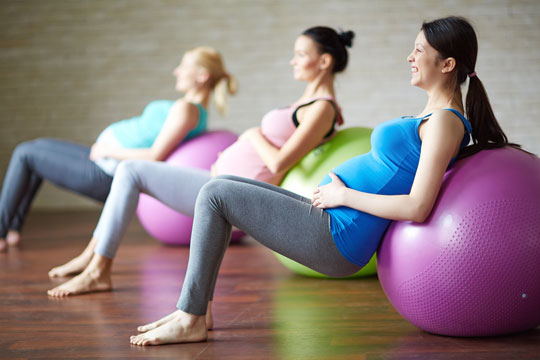

Your guide to prenatal fitness. Learn safe exercises to ease discomfort, prepare for labor, and stay healthy during pregnancy.
Benefits Of Prenatal Fitness
Getting regular exercise during pregnancy offers a lot of good things for you and your baby. It really helps your body handle the extra weight you’re carrying as your little one grows, making it easier to move around. Plus, it builds up your stamina, which can be a big help when it’s time for labor and delivery.
You might also find that you sleep better and feel less stressed overall. Some studies even suggest that staying active can lower the chances of certain pregnancy complications, like gestational diabetes or preeclampsia.
Easing Pregnancy Discomforts
Pregnancy can bring its own set of uncomfortable symptoms, like backaches, constipation, and swelling in your legs and feet. Moving your body regularly can make a real difference. Gentle exercises can help improve circulation, which might reduce swelling.
They can also help keep your digestive system moving, easing constipation. Strengthening your back and core muscles can also provide better support, potentially reducing those common pregnancy backaches. Think of it as preparing your body to better manage the physical changes happening.
Preparing For Labor And Delivery
Think of prenatal fitness as training for the marathon of childbirth. The endurance you build through regular cardio, like brisk walking or swimming, can help you last through labor. Exercises that strengthen your pelvic floor and core muscles are also super important.
These muscles play a big role during delivery, and having them strong can make a difference. It’s not just about the physical strength, though; staying active can also help you feel more in control and mentally prepared for the birthing process.
The benefits of exercise in pregnancy extend to your recovery too, helping your body bounce back more quickly after the baby arrives.
Safe Prenatal Exercises
Getting your body moving during pregnancy is a fantastic idea, and there are plenty of safe workouts for expecting mothers to choose from. Remember, always chat with your doctor before starting any new pregnancy exercise routines, as every pregnancy is unique.
Once you get the all-clear, focusing on a few key areas can make a big difference in how you feel now and help with postpartum recovery exercises.
Cardiovascular Activities
Keeping your heart rate up with cardio is great for both you and your baby. It helps manage weight gain, boosts your mood, and can even ease some common pregnancy discomforts like backaches and constipation. Aim for at least 2.5 hours of moderate-intensity cardio each week.
This could be 30 minutes a day, or even broken up into 10-minute sessions. The key is to get your body moving enough to break a sweat and feel your heart rate increase, but you should still be able to hold a conversation. Think brisk walking, swimming, or stationary cycling.
- Modified Jumping Jacks (Step Jacks): Stand with your feet together and arms at your sides. Step one foot out to the side while simultaneously raising your arms overhead. This is a gentler way to get your heart pumping.
- Prenatal Burpees: Start in a standing position with feet hip-width apart. Step your feet back one at a time into a plank position, making sure to give yourself enough space for your belly. Step your feet back towards your hands and then slowly stand up. Modify as needed to keep your body comfortable.
Strength And the Main Conditioning
Building strength and keeping your core engaged can really help you cope with the physical demands of pregnancy and labor. Stronger muscles can also make those postpartum recovery exercises a bit easier. Focus on controlled movements and proper form to avoid any strain.
- Wall Push-ups: Face a wall, stand to about arm’s length away. Place your hands on the wall slightly wider than shoulder-width apart, at chest height. Keeping your back straight, bend your elbows and lower your chest towards the wall.
- Squats with a Stability Ball: Stand with your back against a wall and place a stability ball between your back and the wall.
Pelvic Floor Strengthening
Your pelvic floor muscles do a lot of work during pregnancy and birth. Strengthening them can help with bladder control and also aid in recovery. These exercises can be done anytime, anywhere.
- Kegels: These are simple contractions of your pelvic floor muscles. To do them, imagine you’re trying to stop the flow of urine midstream.
- Diaphragmatic Breathing: Sit comfortably with your hands on your belly. Inhale deeply through your nose, feel your belly expanding. Exhale slowly, then draw your belly button towards your spine. This helps engage your core and pelvic floor muscles and is also a great tool for labor.
Pay Attention To Your Body
Pregnancy is a time of big changes, and your body is doing some pretty amazing work. Because of this, it’s super important to pay attention to what it’s telling you.
What feels good one day might not feel so good the next, and that’s totally normal. Think of it like this: your body is your best guide right now.
When To Modify Or Stop
It’s easy to get caught up in a workout routine, but during pregnancy, flexibility is key. You might need to adjust exercises or take a break altogether. Here are some signs your body might be giving you:
- Pain: Any sharp or sudden pain, especially in your joints or abdomen, is a signal to stop immediately.
- Dizziness or Faintness: If you start feeling lightheaded or like you might pass out, sit down and rest. Make sure to eat and drink enough.
- Shortness of Breath: If you find yourself getting winded easily, even with simple movements, it’s a sign to slow down or stop. Your body is working harder to supply oxygen to your baby.
- Bleeding or Leaking: Any vaginal bleeding or unusual fluid leakage means you need to stop exercising and contact your doctor right away.
- Contractions: If you start having regular, painful contractions, that’s a definite sign to stop and rest. Call your doctor if it persists.
- Decreased Fetal Movement: If you notice your baby isn’t moving as much as usual, it’s important to stop exercising and check in with your healthcare provider.
If you’re unsure about how you’re feeling, it’s best to err on the side of caution and take a break.
Staying Hydrated
Working out requires fuel, and during pregnancy, that need is even greater. Keeping yourself hydrated and properly fed is just as important as the exercises themselves.
- Hydration: Keep a water bottle with you at all times. Sip water consistently throughout your workout, not just when you feel thirsty. Dehydration can sneak up on you, especially when you’re pregnant.
- Nutrition: Eat balanced meals that provide energy. Focus on foods like fruits, vegetables, proteins, and probably whole grains. Avoid exercising on an empty stomach, but also try not to eat a huge meal right before a workout.
- Listen to Hunger Cues: Your appetite might change throughout pregnancy. Pay attention to your body’s hunger signals and fuel it accordingly. If you feel unusually tired or weak during a workout, it might be a sign you need a snack or more fluids.
Frequently Asked Questions
Why I should exercise while pregnant?
It’s generally a good idea to keep moving during pregnancy, as it can help your body handle the extra weight, boost your energy, and make labor easier.
Plus, it can help with common pregnancy discomforts like backaches and swelling. Always check with your doctor.
When should I stop exercising during pregnancy?
You should stop exercising and call your doctor if you experience any bleeding, chest pain, dizziness, headaches, muscle weakness, or regular contractions.
What types of exercises are safe for me during pregnancy?
Yes, many exercises are safe! Think brisk walking, swimming, stationary cycling, and prenatal yoga or Pilates. You can also do strength exercises like wall push-ups and squats.
Just remember to avoid activities with a high risk of falling or hitting your belly, and steer clear of exercises that involve lying on your back for too long or twisting your core.
Discussion about this post