

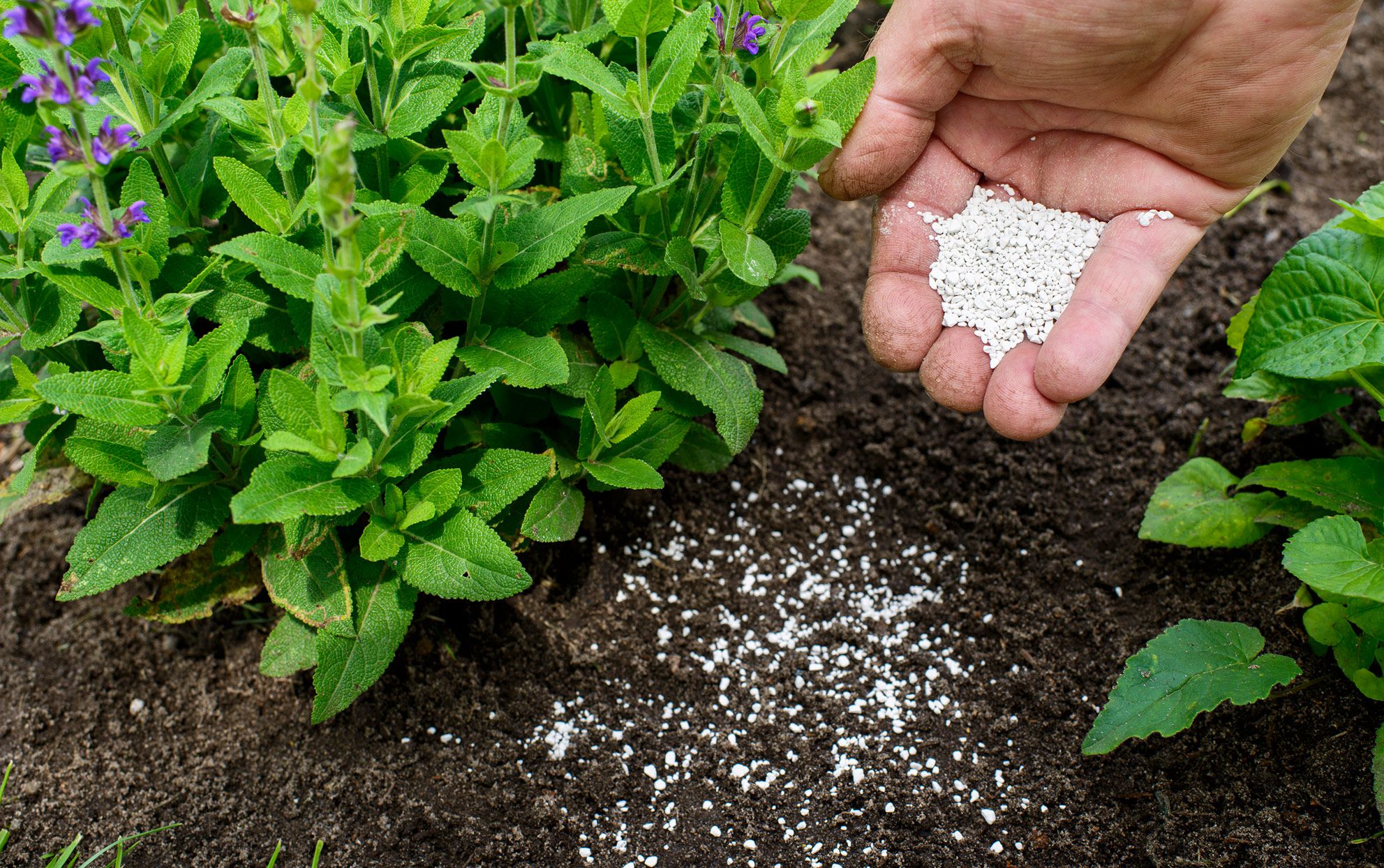

Choosing the right fertilizer can make the difference between an average harvest and a record-breaking one. If you’ve ever wondered how to choose the right fertilizer for your crops, you’re not alone. The right nutrients, in the right amounts, at the right time can dramatically improve crop yield, soil health, and profitability. In this guide, we’ll walk you through everything you need to know to make an informed decision.
Fertilizer Basics: What Every Farmer Needs to Know
Before picking a fertilizer, grasp the fundamentals. Plants need 17 essential nutrients, but three are non-negotiable: nitrogen (N), phosphorus (P), and potassium (K).
The Big Three: NPK Demystified
- Nitrogen (N): Fuels leafy growth and chlorophyll. Ideal for veggies like lettuce.
- Phosphorus (P): Strengthens roots and boosts flowering. Crucial for fruiting crops like tomatoes.
- Potassium (K): Enhances disease resistance and water regulation. A must for grains like wheat.
Organic vs. Synthetic: Pros and Cons
Key Factors for Choosing the Right Fertilizer for Your Crops
Soil Health: The Foundation of Fertilizer Success
Your soil’s pH and nutrient levels dictate fertilizer efficacy. For example:
- Acidic soils (pH <6.0) may need lime before applying phosphorus.
- Sandy soils require frequent, light fertilization due to quick drainage.
Pro Tip: Always conduct a soil test—it’s the roadmap to how to choose the right fertilizer for your crops.
Crop Type and Growth Stage: Tailoring Nutrients
Different crops have unique appetites:
- Leafy greens (spinach, kale): High nitrogen for foliage.
- Root vegetables (carrots, potatoes): Extra phosphorus for root development.
- Fruiting plants (peppers, squash): Balanced NPK during flowering.
Environmental Impact: Sustainable Choices
Opt for slow-release or organic fertilizers to minimize runoff and protect groundwater. Cover crops and compost also enrich soil naturally.
Step-by-Step Guide to Selecting the Ideal Fertilizer
Step 1: Test Your Soil
Use a DIY kit or send samples to a lab. Target results for NPK, pH, and organic matter.
Step 2: Identify Crop-Specific Needs
Research your crop’s nutrient requirements. Example: Corn needs high nitrogen; legumes fix their own nitrogen.
Step 3: Evaluate Fertilizer Formulations
- Granular: Long-lasting; best for pre-planting.
- Liquid: Fast absorption; ideal for foliar sprays.
- Slow-release: Reduces leaching; suits rainy climates.
Step 4: Plan Application Timing and Method
- Seedling stage: Light, frequent doses.
- Mid-growth: Boost with balanced NPK.
- Pre-harvest: Potassium to enhance quality.
Apply early morning or late evening to prevent evaporation.
Common Fertilizer Mistakes to Avoid
- Over-fertilizing: Burns roots and pollutes waterways.
- Ignoring soil tests: Guessing leads to imbalances.
- One-size-fits-all: Corn and blueberries have wildly different needs!
Choosing the right fertilizer for your crops isn’t just about buying the most expensive brand — it’s about understanding your soil, crop needs, and timing. By applying these tips, you can maximize yields, improve soil health, and save money.
FAQs
- How to choose the right fertilizer for your crops if you are a beginner?
Start with a soil test, understand your crop’s nutrient needs, and select a fertilizer based on those results. - Should I use organic or synthetic fertilizer when choosing the right fertilizer for my crops?
It depends on your farming goals. Organic fertilizers improve soil health, while synthetic fertilizers give faster results. - How often should I re-evaluate how to choose the right fertilizer for my crops?
At least once every season or after a major change in soil conditions. - Can climate affect how to choose the right fertilizer for your crops?
Yes. Heavy rains may require fertilizers with slow nutrient release, while dry areas may need water-soluble types. - Is fertilizer type important when deciding how to choose the right fertilizer for your crops?
Absolutely. The wrong type can lead to nutrient imbalances and lower yields.
Discussion about this post