

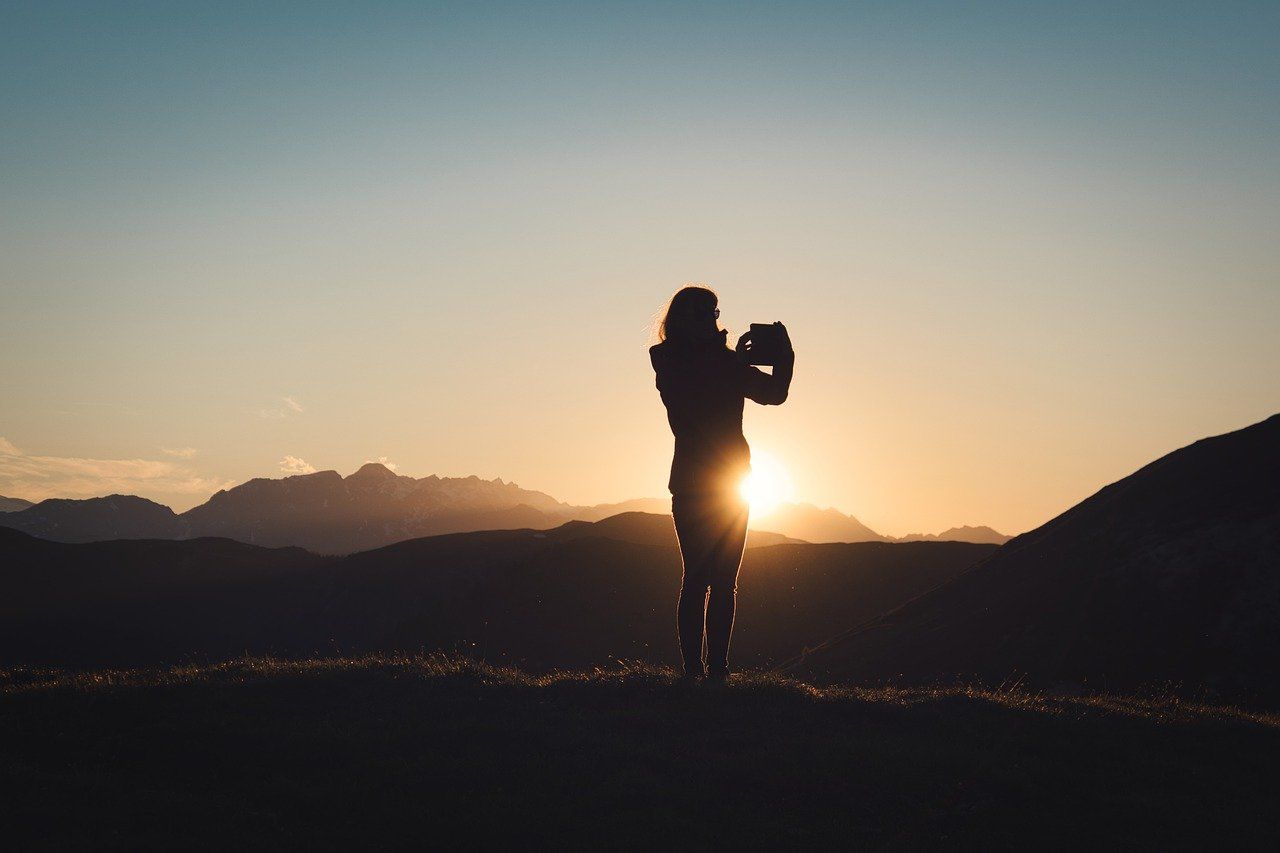

Have you ever noticed how a sunny day makes you feel better? That’s because natural light is great for our mood and energy. It helps our bodies keep a good sleep schedule and boosts our brain power.
Natural light is also key in photography. It can turn simple scenes into amazing pictures. This article will show you how to use natural light to make your home and work better, and to improve your photos.
Learning about natural light can make your life better. It helps you create a healthier and more productive space.
This can greatly improve your quality of life.
The Fundamentals of Natural Light
To use natural light well, you must first grasp its basics. Natural light is more than just light; it shapes our mood, productivity, and the look of our homes and photos.
Different Types of Natural Light
Natural light has many forms, like direct sunlight, soft diffused light, and reflected light. On sunny days, direct sunlight can be too strong. But on cloudy days, the light is softer and more spread out. Knowing these types helps you use natural light better in your home or photos.
The Science Behind Natural Light
The science of natural light deals with its color and strength. Color temperature, measured in Kelvin, ranges from warm to cool. This affects the feel of a space or photo.
Natural Light Throughout the Day
Natural light changes as the day goes on. From the soft morning light to the strong midday sun, knowing these changes is key. It helps in using natural light for photography and design.
| Time of Day | Characteristics of Natural Light | Best Use |
| Early Morning (Golden Hour) | Soft, warm, gentle | Photography, cozy ambiance |
| Midday | Harsh, bright, intense | Task-oriented lighting |
| Late Afternoon | Soft, golden, warm | Relaxing ambiance, photography |
The Benefits of Embracing Natural Light
Using natural light can greatly improve your health and work efficiency. It makes your living or working space more sustainable, healthy, and comfy. Natural light offers many benefits that can enhance your life in many ways.
Health and Wellness Advantages
Being in natural light can boost your mood and lower depression risks. It also helps you sleep better. Plus, it keeps your body’s internal clock in check, which is key for staying healthy.
Energy Efficiency and Cost Savings
Natural light cuts down on the need for artificial lights, saving energy and money. This is good for your wallet and the planet. By using more natural light, you use less artificial light.
Environmental Impact
Maximizing natural light means using less artificial light. Artificial lights can harm the environment. So, using more natural light helps reduce energy use and pollution.
| Benefits | Description | Impact |
| Health and Wellness | Improves mood, reduces depression, and enhances sleep quality | Better overall health and well-being |
| Energy Efficiency | Reduces need for artificial lighting | Lower utility bills and reduced energy consumption |
| Environmental Impact | Lowers reliance on artificial lighting sources | Reduced greenhouse gas emissions and a more sustainable future |
How to Use Natural Light in Your Home
Natural light can make your home feel more welcoming and spacious. To get the most out of it, you need to know how to use it well.
Strategic Furniture Placement
One key way to use natural light is by placing furniture smartly. This means understanding how light moves in your home.
Identifying Light Patterns
Watch how light moves through your home at different times. This helps you see where light is direct and where it’s not.
Arranging for Optimal Light Flow
Set up your furniture so light can move freely. Don’t block windows with big pieces. Use mirrors to bounce light into darker spots.
Window Treatment Options
Window treatments greatly affect how much light gets in. Sheer curtains or blinds are great because they let light in while keeping things private.
Reflective Surfaces and Mirrors
Reflective surfaces and mirrors spread light evenly. Hang mirrors opposite windows to bounce light around.
Color Schemes That Maximize Light
The right colors can also brighten your home. Light walls and furniture make rooms feel bigger and brighter.
| Technique | Description | Benefit |
| Strategic Furniture Placement | Arrange furniture to allow natural light to flow freely. | Maximizes natural light use. |
| Sheer Window Treatments | Use sheer curtains or blinds to filter natural light. | Maintains privacy while allowing light in. |
| Reflective Surfaces | Use mirrors and light colors to reflect natural light. | Distributes light more evenly throughout the home. |
Mastering Natural Light for Photography
To improve your photography, learning about natural light is key. It can make your photos look better by adding depth and emotion. With natural light, your photos can be stunning and engaging.
Golden Hour Techniques
The golden hour, just before sunset, is perfect for photos. It gives a soft, warm light that makes images magical. Place your subject at a 45-degree angle to the light to avoid harsh shadows.
Diffusing Harsh Sunlight
Working with harsh sunlight can be tough, but there are ways to soften it. Use a diffuser or a sheer fabric to even out the light. This is great for portraits, where harsh light can create unflattering shadows.
Using Shadows Creatively
Shadows can add depth and interest to your photos. Position your subject to create interesting shadows. Try different angles and lighting to get unique effects.
Equipment for Natural Light Photography
Choosing the right equipment is important for natural light photography. Consider reflectors, diffusers, and the right lens.
Reflectors and Diffusers
Reflectors can fill in shadows and add depth. Diffusers soften harsh sunlight, making the light more even. Both are essential for controlling natural light in your photos.
Lens Selection for Natural Light
The lens you choose affects your natural light photos. Wide aperture lenses (like f/1.4) are best for low light. Narrow aperture lenses (like f/8) give sharper images with more depth of field. Try different lenses to find what works best for you.
| Equipment | Purpose | Benefit |
| Reflectors | Bounce light onto the subject | Fills in shadows, adds depth |
| Diffusers | Soften harsh sunlight | Creates even illumination, reduces shadows |
| Wide Aperture Lenses (e.g., f/1.4) | Capture images in low light | Ideal for low-light conditions, creates a shallow depth of field |
| Narrow Aperture Lenses (e.g., f/8) | Provide sharper images with more depth of field | Ensures more of the image is in focus, suitable for landscape photography |
Overcoming Common Natural Light Challenges
Understanding natural light and using practical solutions can help. You might face issues like limited light, seasonal changes, or challenges with north-facing spaces. There are ways to improve the natural light in your home or photography setup.
Dealing with Limited Light Exposure
Too little light can make a space feel dull. Use light-colored paints on walls and ceilings to reflect and increase the light. Also, arrange furniture to keep paths clear and avoid blocking light.
Managing Seasonal Light Changes
Seasonal changes affect the light in your space. Knowing these changes helps you prepare. For example, in winter, mirrors opposite windows can reflect light deeper into your rooms.
Solutions for North-Facing Spaces
North-facing spaces get soft, indirect light, which can be hard to brighten. But, using light-enhancing paint colors and mirrors can help a lot.
Light-Enhancing Paint Colors
The right paint color can brighten a north-facing room. Choose colors with a high Light Reflectance Value (LRV) to reflect more light.
Strategic Mirror Placement
Mirrors can reflect natural light and spread it evenly. Place mirrors opposite or at angles to windows to reflect light into darker spots.
| Solution | Description | Benefit |
| Light-Enhancing Paint | Using paint with high LRV | Maximizes available light |
| Strategic Mirror Placement | Placing mirrors to reflect natural light | Distributes light more evenly |
| Furniture Placement | Arranging furniture to minimize obstruction | Ensures pathways are clear and light can circulate |
Advanced Techniques for Optimizing Natural Light
To improve your natural lighting, try advanced techniques. These can make your space look and feel better. You’ll need to think about design, smart tech, and mixing natural and artificial light.
Architectural Considerations
Design matters a lot for natural light. Certain features can really boost the light in your home or office.
Skylights and Light Tubes
Skylights and light tubes are great for bringing light into dark spots. Skylights work best where you can reach the roof. Light tubes send sunlight from the roof down to inside rooms.
Glass Doors and Partitions
Glass doors and partitions spread light around. They let sunlight reach further, cutting down on the need for electric lights.
Smart Technology for Light Management
Smart tech makes managing light easier. It includes automated blinds and smart lights. These adjust to let in the right amount of light, avoiding glare and heat.
| Technology | Function | Benefits |
| Automated Window Treatments | Adjust to optimize natural light | Reduce glare, heat gain |
| Smart Lighting Systems | Adjust artificial light levels based on natural light availability | Energy efficiency, consistent lighting levels |
Combining Natural and Artificial Light
Using both natural and artificial light is key. It keeps your space well-lit all day. Layering these lights creates a welcoming space that changes with the day.
Transforming Your Life with Natural Light
Embracing natural light can greatly improve your well-being. It’s not just about health; it also boosts productivity and creativity. Using daylight effectively can change your daily life for the better.
By following the tips from this article, you can make your home and photos shine. You can arrange furniture, master golden hour, or use reflective surfaces to enhance light. The options are endless.
As you use these strategies, you’ll see natural light’s impact on your life. It can improve your health, productivity, and photography skills. Start using natural light today and see a brighter, more vibrant you.
Discussion about this post