

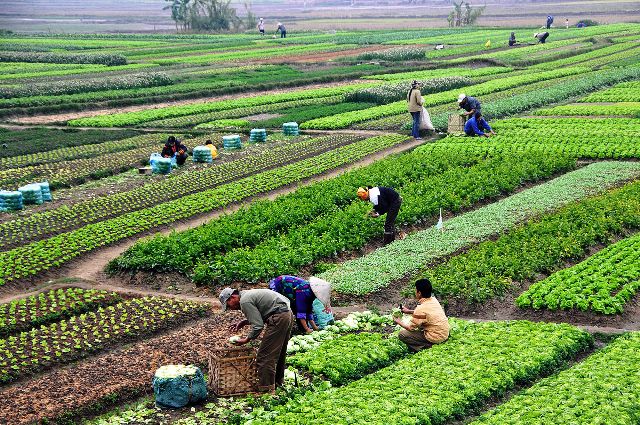

Farming isn’t just a profession, it’s a legacy. But in today’s fast-evolving world, being successful in the farming industry demands more than hard work; it requires strategy, innovation, and adaptability. Whether you’re a seasoned farmer or just starting, this guide will equip you with actionable insights to turn challenges into opportunities. Let’s grow your success story!
Getting to know the Farming Industry
Market Size and Trends
The global farming industry is valued at over $3 trillion, with increasing demand for sustainable and organic products. Understanding these trends is your first step toward success.
Common Challenges Farmers Face
- Unpredictable weather patterns
- Rising production costs
- Shifting consumer preferences
- Labor shortages
Common Challenges Farmers Face
Why Success Requires More Than Hard Work
While dedication is essential, smart decision-making and innovation are what set successful farmers apart.
Building a Strong Foundation
Research and Planning
Before you plant a single seed, conduct market research, analyze soil conditions, and estimate your production costs.
Choosing the Right Crops or Livestock
Focus on demand, climate suitability, and profitability. Specialty crops like berries or organic greens can offer higher margins.
Financial Management for Farmers
- Keep detailed records of expenses and revenues
- Diversify income sources
- Apply for agricultural grants and subsidies
Key Strategies for How to Be Successful in the Farming Industry
1. Embracing Technology and Innovation
From GPS-guided tractors to AI-powered crop monitoring, technology helps reduce costs and increase yield.
2. Sustainable Farming Practices
Implement crop rotation, water conservation, and natural pest control to improve soil health and attract eco-conscious buyers.
3. Marketing and Branding Your Farm
Build a recognizable brand. Use social media, farm websites, and farmers’ markets to connect directly with customers.
4. Building Networks and Partnerships
Join agricultural cooperatives, attend conferences, and collaborate with local businesses to increase market reach.
Scaling and Diversifying
Adding Value to Your Products
Process raw goods into higher-value items — for example, turning milk into artisanal cheese.
Exploring Agritourism
Hosting farm tours, workshops, or seasonal events can boost income and community ties.
Exporting and Expanding to New Markets
Identify high-demand regions and comply with export regulations to sell internationally.
Maintaining Long-Term Success
Continuous Learning and Training
Take advantage of agricultural courses, workshops, and government programs.
Adapting to Market Changes
Stay updated with consumer preferences, like plant-based products or organic certification.
Balancing Profit and Environmental Care
Healthy ecosystems ensure long-term productivity — avoid overuse of chemicals and promote biodiversity.
Conclusion
Knowing how to be successful in the farming industry comes down to combining traditional wisdom with modern methods. Plan carefully, market effectively, adopt technology, and never stop learning.
If you’re ready to transform your farm into a thriving business, start implementing these strategies today — and watch your hard work pay off in growth and profitability!
FAQs
- What is the first step in learning how to be successful in the farming industry?
Start with thorough market research and financial planning before investing. - How can technology help in how to be successful in the farming industry?
It improves efficiency, reduces costs, and boosts yield through data-driven decisions. - Is sustainable farming important for how to be successful in the farming industry?
Yes, it ensures long-term productivity and appeals to eco-conscious customers. - What crops are best for how to be successful in the farming industry?
It depends on climate, soil, and market demand — but high-value specialty crops are often profitable. - Can small farmers also learn how to be successful in the farming industry?
Absolutely! Small farms can compete through niche marketing and value-added products.
Discussion about this post