

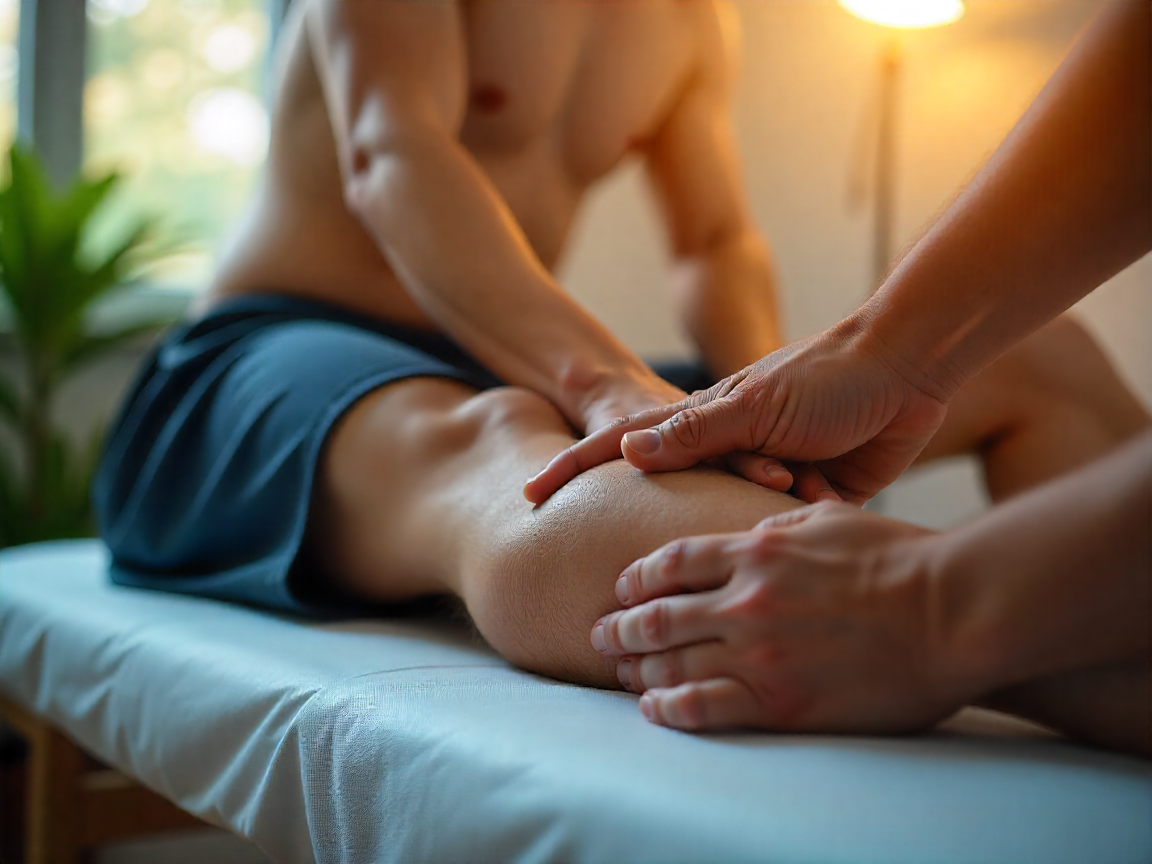

After a tough workout, your muscles need time to recover and heal. Massage therapy is a great way to help them. It uses pressure to make muscles more flexible and improve joint mobility.
Try adding a massage to your routine after working out. It can help ease muscle pain and improve muscle function. With massage, you may recover more quickly and perform better in your next workout.
The Hidden Cost of Skipping Recovery in Your Fitness Routine
Recovery is key in any fitness plan. Skipping it can be costly. You miss out on better performance and less muscle soreness. Plus, you risk getting hurt.
Failing to take time to recover can harm your performance and increase your risk of injury. It also makes muscle soreness last longer. Massage is important for muscle recovery, easing tension and helping you relax.
Adding massage to your recovery routine boosts your fitness. It also lowers injury risk. Understanding how massage aids in muscle recovery is crucial for an effective fitness plan.
Make recovery, including massage, a priority. It helps you achieve your fitness goals and maintain your health.
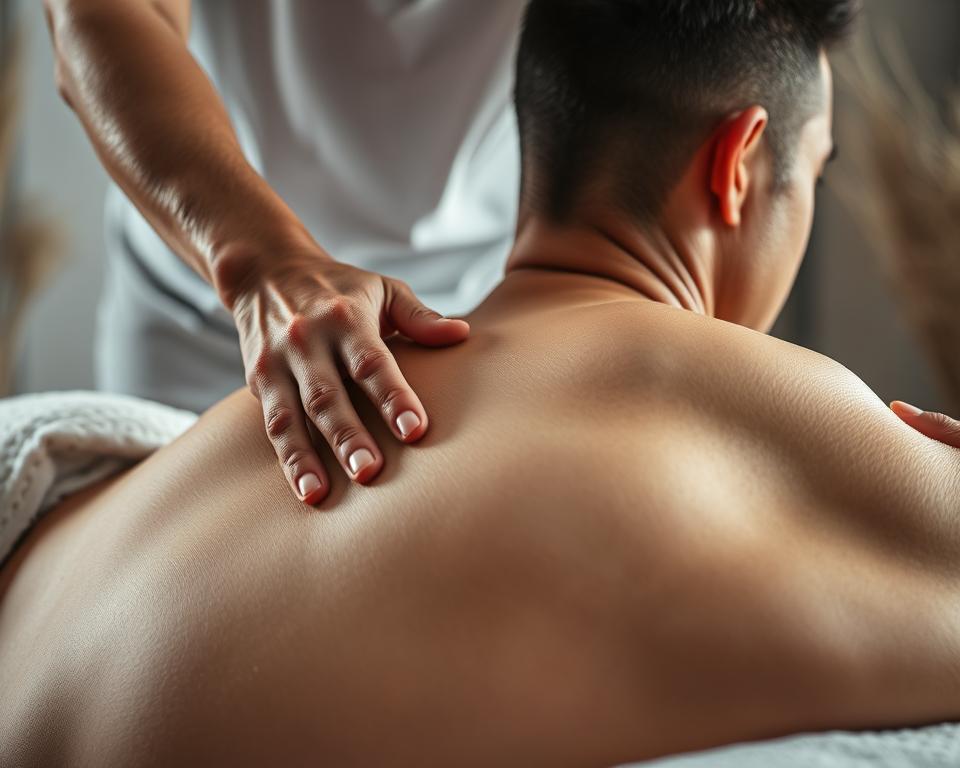
How Massage Improves Muscle Recovery: The Science-Backed Benefits
Massage is a game-changer for muscle recovery, helping to reduce delayed onset muscle soreness (DOMS). When you exercise intensely, your muscles experience micro-tears, which can lead to inflammation and soreness. Massage therapy helps by improving blood flow, reducing muscle tension, and breaking up muscle adhesions.
Numerous massage techniques aid in muscle recovery. Effleurage, with its long, gentle strokes and kneading, which releases tension, is highly effective. Myofascial release targets the muscle’s connective tissue, improving flexibility and range of motion.
Research supports the benefits of massage for muscle recovery and rehabilitation. It shows that regular massage can help reduce DOMS, enhance muscle function, and even improve athletic performance. Adding massage to your recovery routine helps you recover more quickly and achieve your fitness goals sooner.
To get the most from massage, knowing when and how to use different techniques is key. Whether you’re an athlete or someone who loves to stay fit, incorporating massage into your recovery plan can significantly enhance your performance and overall well-being.
The Most Effective Massage Techniques for Athletes
To enhance muscle recovery, athletes should employ targeted massage techniques. Adding the right massage to your workout routine can help your body recover more quickly from intense exercises.
Several massage techniques are great for athletes. These include:
- Effleurage: A gentle, gliding stroke that helps warm up the muscle.
- Kneading: A technique that involves grasping and manipulating the muscle tissue.
- Rolling: Helps to release tension in the muscle and improve circulation.
- Myofascial release: Targets the connective tissue surrounding muscles to reduce tension and improve flexibility.
- Lymphatic drainage enhances the removal of waste products from the muscles, promoting muscle recovery.
Here’s a comparison of these techniques and their benefits:
| Technique | Primary Benefit | Secondary Benefit |
|---|---|---|
| Effleurage | Warm-up and relaxation | Improved circulation |
| Kneading | Muscle tissue manipulation | Enhanced flexibility |
| Rolling | Tension release | Better muscle recovery |
| Myofascial release | Reduced muscle tension | Improved range of motion |
| Lymphatic drainage | Removal of waste products | Enhanced recovery |
To incorporate massage into your fitness routine, consider when and how often to schedule massages. Receiving a massage after intense workouts or competitions can aid in muscle soreness and recovery.
By learning and applying these best massage practices for muscle recovery, you can enhance your athletic performance and overall well-being.
Strategic Timing: When to Schedule Your Massage for Maximum Results
Receiving a massage at the right time can significantly aid in muscle recovery. Studies have shown that massage is most effective when performed after exercise. It helps reduce muscle soreness that comes later.
Try to get a massage within 24 hours after working out. This helps lower muscle inflammation and soreness. For very intense workouts, receiving a massage within 12 hours can be even more beneficial.
Also, how often you get massages matters. Getting one every week or every two weeks can improve muscle recovery and performance. Listen to your body and adjust how often you get massages based on your needs and level of activity.
DIY Recovery: Massage Techniques You Can Master at Home
Adding a DIY massage to your routine can accelerate muscle recovery and enhance performance. You don’t need a professional to help you recover. Simple techniques at home can make a big difference.
Self-massage is easy and effective. You can use your body weight or tools like foam rollers or massage balls. These methods help loosen muscle tension, improve blood flow, and lessen soreness.
Partner-assisted recovery is also very effective. Having someone else massage you can target tight spots better than doing it yourself. This teamwork can make your recovery even better.
| Technique | Description | Benefits |
|---|---|---|
| Self-Massage | Using your body weight or tools like foam rollers | Improves circulation, reduces soreness |
| Partner-Assisted Massage | A partner or trainer provides targeted massage | Targets specific tension areas, enhances recovery |
| Foam Rolling | Using a foam roller to roll out muscles | Reduces muscle tension, improves flexibility |
By adding these DIY recovery methods to your routine, you can actively manage muscle recovery. Whether you prefer self-massage or have someone help, the most important thing is to be consistent. Please focus on the areas that need it most based on your body’s needs.
The Relationship Between Massage and Muscle Recovery: What Research Reveals
Studies have shown that massage therapy aids in muscle recovery. It reduces muscle soreness and improves muscle function. Massage helps remove waste products, such as lactic acid, from muscles after intense exercise.
Research has proven that massage therapy can help reduce muscle soreness. This is crucial for athletes and those who engage in intense workouts. It allows them to recover more quickly and train more effectively.
Muscle recovery through massage works in several ways. It boosts blood flow. This brings oxygen and nutrients to damaged muscles, thereby helping them heal more quickly.
| Research Findings | Benefits |
|---|---|
| Reduction in DOMS | Faster recovery, less muscle soreness |
| Improved muscle function | Better performance in subsequent workouts |
| Aid in waste removal | Reduced muscle inflammation and soreness |
Adding massage therapy to your recovery routine can boost your performance. It also lowers injury risk. Whether you’re an athlete or a fitness enthusiast, massage techniques are a valuable addition to your training regimen.
Transform Your Recovery, Transform Your Performance: Incorporating Massage for Lifelong Fitness
Adding massage to your fitness routine can make a significant difference. It helps your muscles recover more effectively and enhances your performance. Regular massage sessions can make your body more resilient to hard workouts, leading to better results and fewer injuries.
Plan to get a massage after a tough workout or competition. Being consistent is important. Make massage a regular part of your routine, whether it’s weekly, biweekly, or monthly, depending on your needs and goals.
For muscle recovery, try deep tissue massage, myofascial release, and Swedish massage. Discover what works best for you by experimenting with different techniques. Self-massage with tools like foam rollers or massage balls can also help maintain muscle health between professional sessions.
Putting recovery first through massage is a smart investment in your fitness future. This approach can lead to lasting progress, better health, and a lifelong dedication to staying fit.
Discussion about this post